
Ruins of the Temple of Diana at Ephesus — History & Facts
What once stood as a symbol of divine reverence now lies in haunting ruin, evoking a sense of fear wrapped in nostalgia. The remnants of a grand structure whisper stories of lost glory and the fragility of human ambition, compelling the viewer to confront the nature of impermanence. Look to the left at the fragmented columns that reach skyward, their once-mighty forms softened by time. Notice how the warm hues of ochre and golden tones wash over the stone, creating a striking contrast against the cool blues of the encroaching sky.
The meticulous details of the architecture draw the eye to the delicate carvings, each telling a tale of artistry now faded. The interplay of light and shadow enhances the atmosphere, reminding us of both the temple's grandeur and the passage of time. Beneath the surface of this serene scene lies a deeper tension — the fear of decay and the relentless march of time. The temple, once an emblem of hope and worship, now stands as a testament to loss and the inevitability of change.
Hidden within the ruins are hints of what once was, evoking a bittersweet beauty that challenges the viewer to reflect on their own mortality and the transient nature of all things. Luigi Mayer painted this echo of history in 1810 while traveling through the remnants of ancient civilizations. During this period, Europe was captivated by the exoticism of the Near East, a fascination reflected in his choice of subject. The art world was shifting towards Romanticism, and Mayer's work embodies this movement by merging a deep appreciation for nature with an exploration of the past, capturing the interplay of beauty and decay in his portrayal of the Temple of Diana.
More Artworks by Luigi Mayer
Browse all →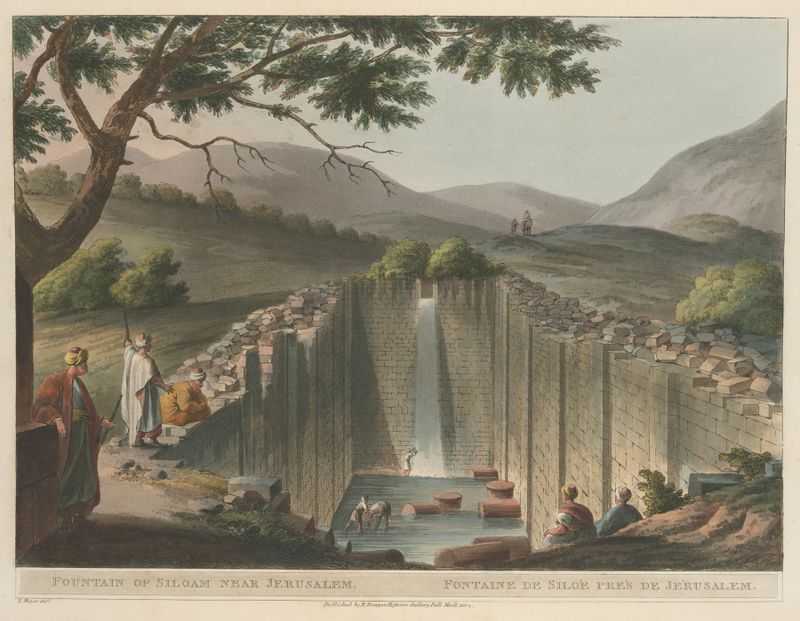
Fountain of Siloam Near Jerusalem
Luigi Mayer

View of the Dardanelles
Luigi Mayer
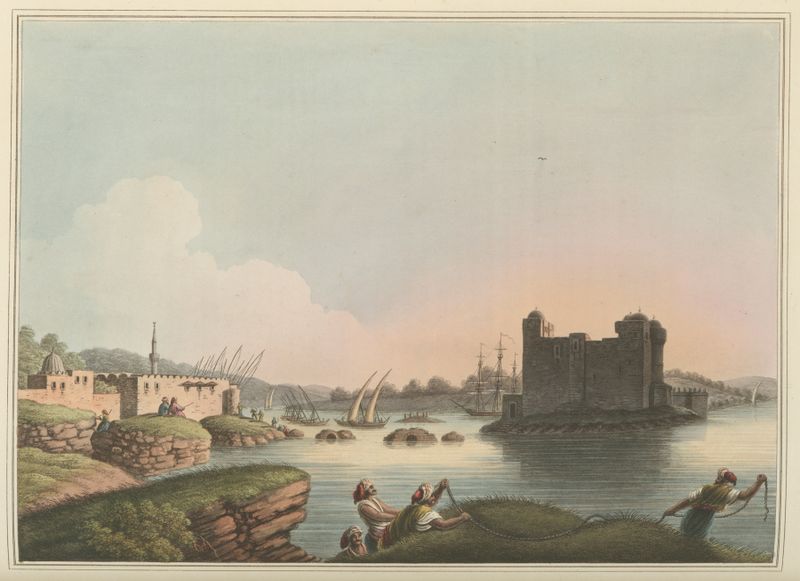
Port of Latachia
Luigi Mayer

Stadium at Ephesus
Luigi Mayer

Ancient Temples at Agrigentum
Luigi Mayer
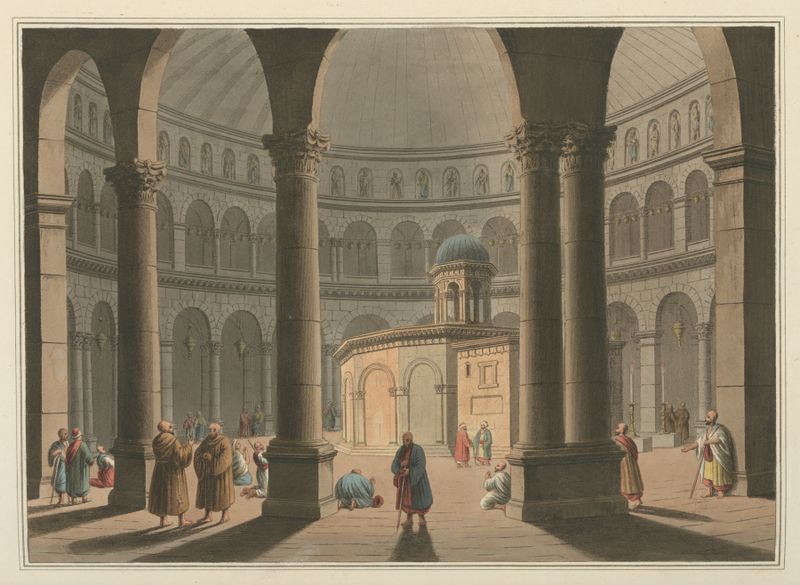
Church of the Holy Sepulchre
Luigi Mayer
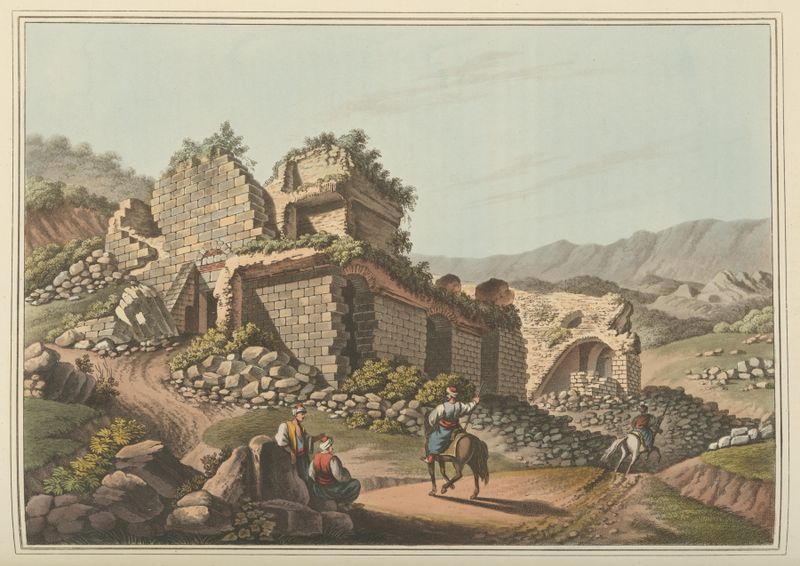
Theatre at Ephesus
Luigi Mayer
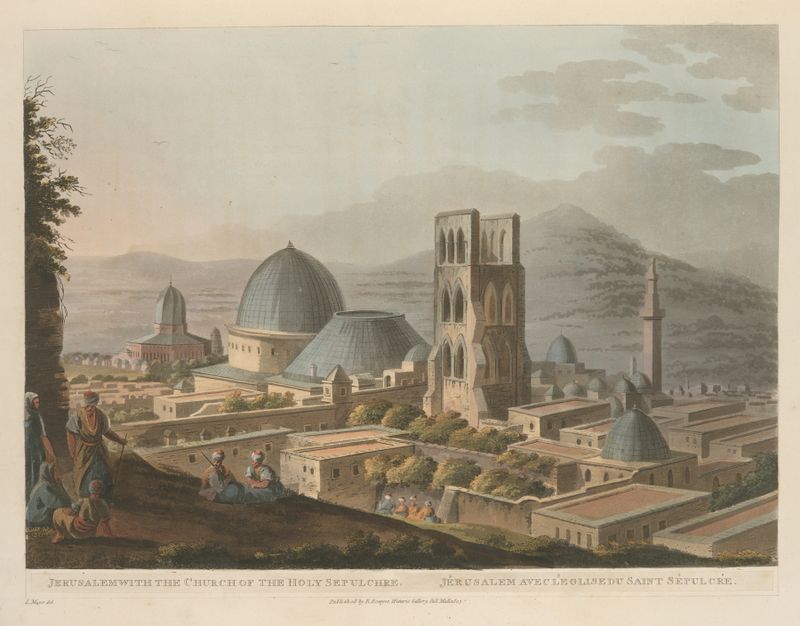
Jerusalem with the Church of the Holy Sepulchre
Luigi Mayer

Crater in the Island of Volcano
Luigi Mayer

Ruins of an ancient Temple in Samos
Luigi Mayer
More Architecture Art
Browse all →
The statue of Liberty
Frédéric Auguste Bartholdi

View of Houses in Delft, Known as ‘The Little Street’
Johannes Vermeer

View of Houses in Delft, Known as ‘The Little Street’
Johannes Vermeer

The Cathedral in Rouen. The portal, Grey Weather
Claude Monet

The yellow house
Vincent van Gogh

The Church in Auvers-sur-Oise, View from the Chevet
Vincent van Gogh