
Theatre at Ephesus — History & Facts
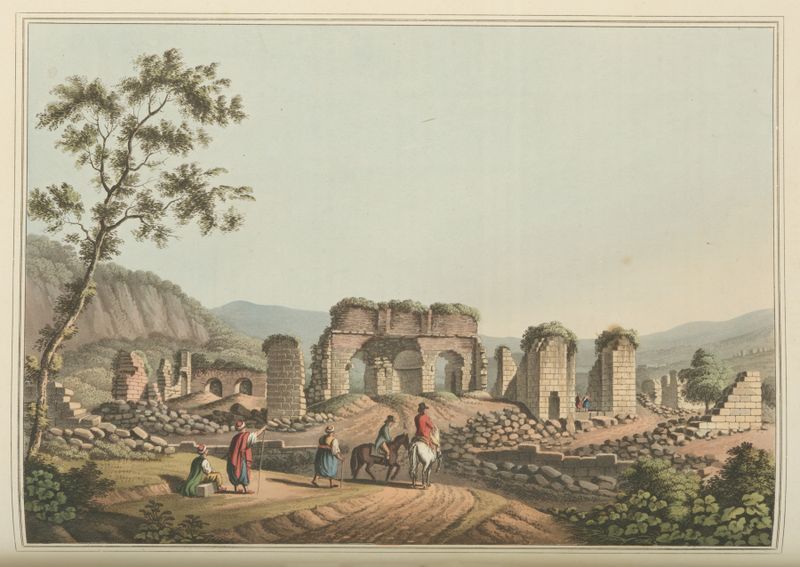
In the shadow of ancient columns, echoes of performances long past linger like whispers, infusing the air with a bittersweet sense of nostalgia. The viewer is not merely an observer but a participant in the melancholic dialogue between history and memory, where the weight of absence feels palpable. Look to the foreground where the weathered stone steps lead upward, drawing your gaze toward the amphitheater’s vast expanse. The meticulous detailing of each seat, carved by time and human hands, creates an almost tactile sensation, inviting contemplation.
Notice how the muted palette of earthy tones contrasts with the vibrant blue of the sky above, suggesting both the passage of time and the enduring beauty of this ancient site. The composition elegantly balances the grandeur of the structure with the intimacy of its emptiness, evoking a poignant sense of longing. In this artwork, the interplay of light and shadow becomes emblematic of the bittersweet nature of memory. The way the sunlight glimmers on the stones hints at the joy once experienced within these walls, while the lingering shadows reveal the sorrow of what has been lost.
Here, the absence of figures amplifies the emotional weight; the theater, once alive with laughter and drama, now stands as a monument to the silence that follows every performance. Each crack and crevice tells a story of lives once woven into the fabric of this place, inviting introspection. Luigi Mayer painted this scene in 1810 during his travels in the Ottoman Empire, capturing the splendor of ancient ruins. At this time, Europe was captivated by the allure of antiquity, and Mayer's work reflected a burgeoning Romantic sensibility that sought to connect with the past.
The artist, dedicated to documenting the beauty of the world around him, found inspiration in the remnants of civilizations, conveying a narrative that resonates through the ages.
More Artworks by Luigi Mayer
Browse all →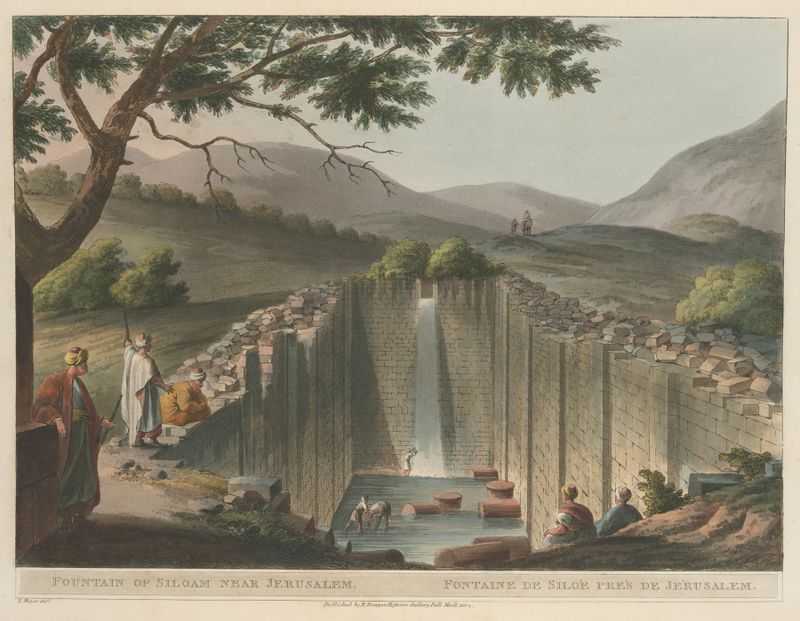
Fountain of Siloam Near Jerusalem
Luigi Mayer

View of the Dardanelles
Luigi Mayer
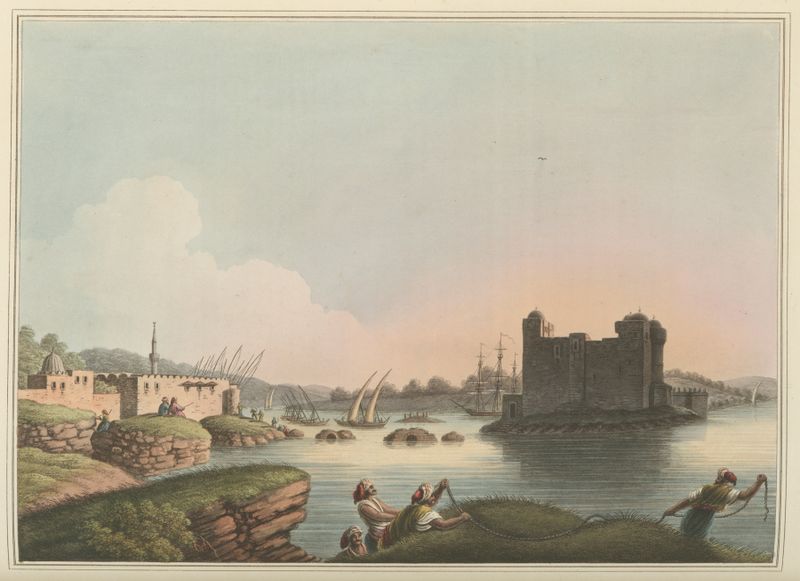
Port of Latachia
Luigi Mayer

Stadium at Ephesus
Luigi Mayer

Ancient Temples at Agrigentum
Luigi Mayer
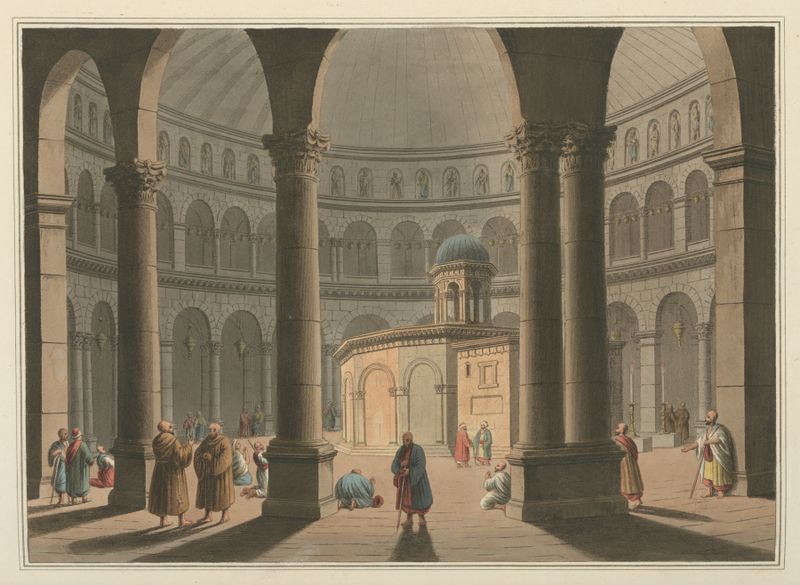
Church of the Holy Sepulchre
Luigi Mayer
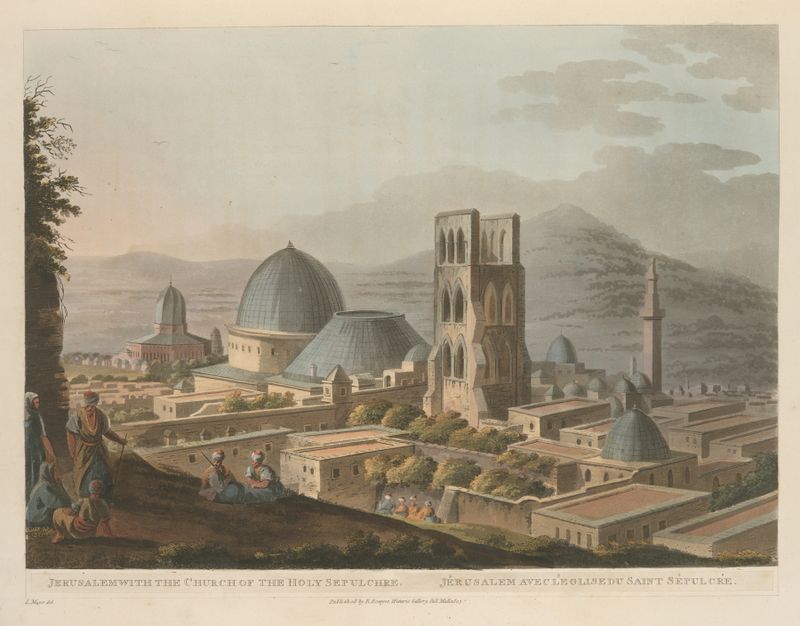
Jerusalem with the Church of the Holy Sepulchre
Luigi Mayer
Ruins of the Temple of Diana at Ephesus
Luigi Mayer

Crater in the Island of Volcano
Luigi Mayer

Ruins of an ancient Temple in Samos
Luigi Mayer
More Architecture Art
Browse all →
The statue of Liberty
Frédéric Auguste Bartholdi

View of Houses in Delft, Known as ‘The Little Street’
Johannes Vermeer

View of Houses in Delft, Known as ‘The Little Street’
Johannes Vermeer

The Cathedral in Rouen. The portal, Grey Weather
Claude Monet

The yellow house
Vincent van Gogh

The Church in Auvers-sur-Oise, View from the Chevet
Vincent van Gogh