
Stadium at Ephesus — History & Facts
Where does light end, and longing begin? In the expansive architecture of a once-great arena, the interplay of shadow and sun beckons us to contemplate the echoes of history and human experience. Look to the center, where the majestic seating rises in tiers, encapsulating a space that once pulsated with energy. The meticulous detail of the columns and the sunlit stones create a sense of timelessness, inviting viewers to trace the contours of an ancient civilization. Notice how the warm tones of ochre and soft beige contrast with the cooler hues of the distant sky, evoking a feeling of nostalgia and reverence. As you linger, deeper insights emerge; the remnants of grandeur juxtapose the silence of abandonment, revealing a poignant narrative of triumph and decay.
The way the light spills into the empty seats suggests a longing for the past, for the vibrant crowds and fervent cheers that once filled the air. Each shadow cast by the ruins whispers stories of countless lives that have come and gone, imbuing the scene with an emotional depth that transcends time. Luigi Mayer painted this work in 1810 while traveling in the Mediterranean, immersing himself in the classical ruins of the ancient world. At this time, Romanticism was burgeoning, with artists and thinkers captivated by nature, history, and the sublime.
The artist's keen interest in archaeology and architecture led him to capture not only the physical structure but also the spirit of Ephesus, a city rich with stories waiting to be rediscovered.
More Artworks by Luigi Mayer
Browse all →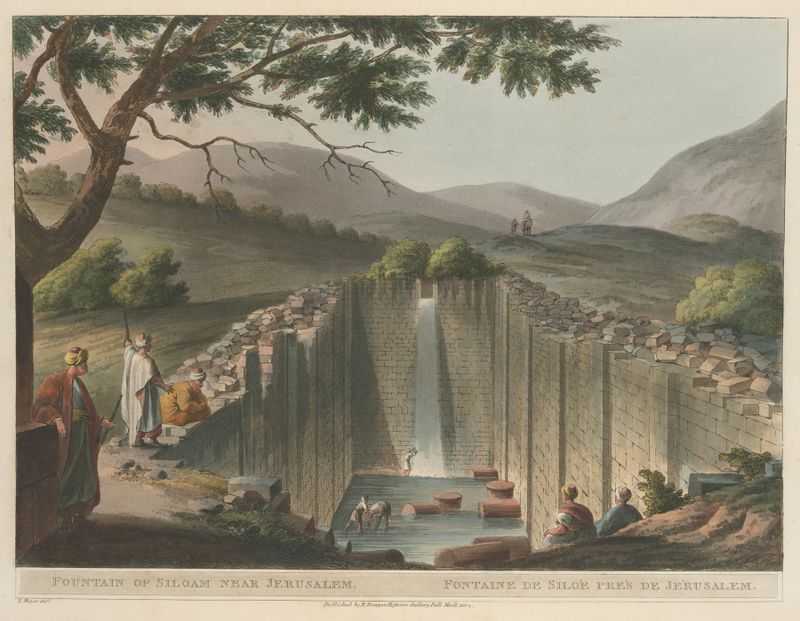
Fountain of Siloam Near Jerusalem
Luigi Mayer

View of the Dardanelles
Luigi Mayer
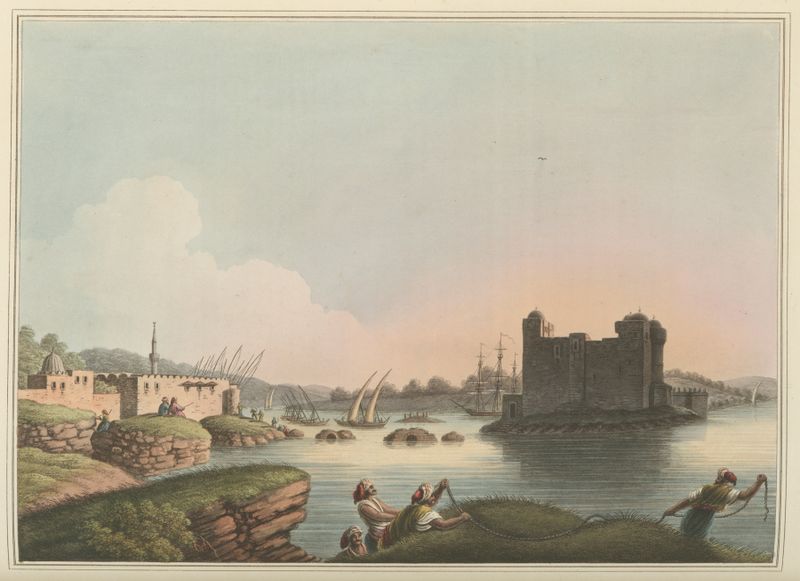
Port of Latachia
Luigi Mayer

Ancient Temples at Agrigentum
Luigi Mayer
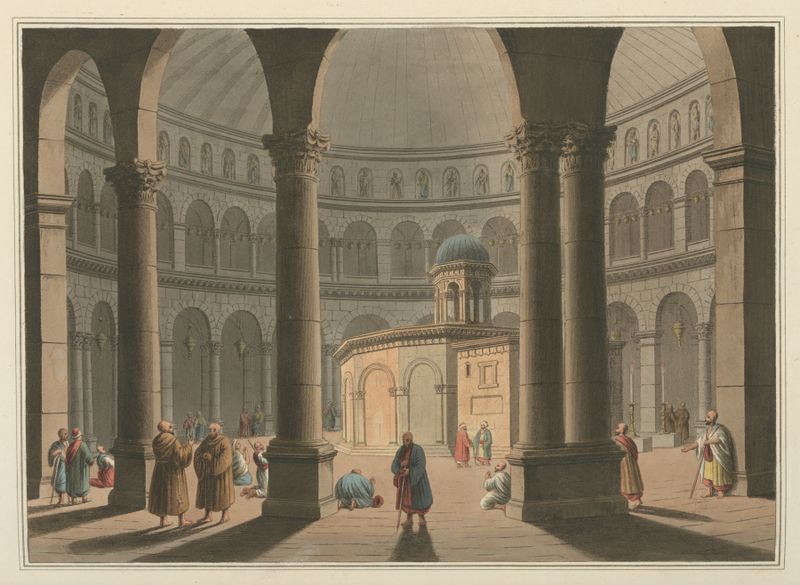
Church of the Holy Sepulchre
Luigi Mayer
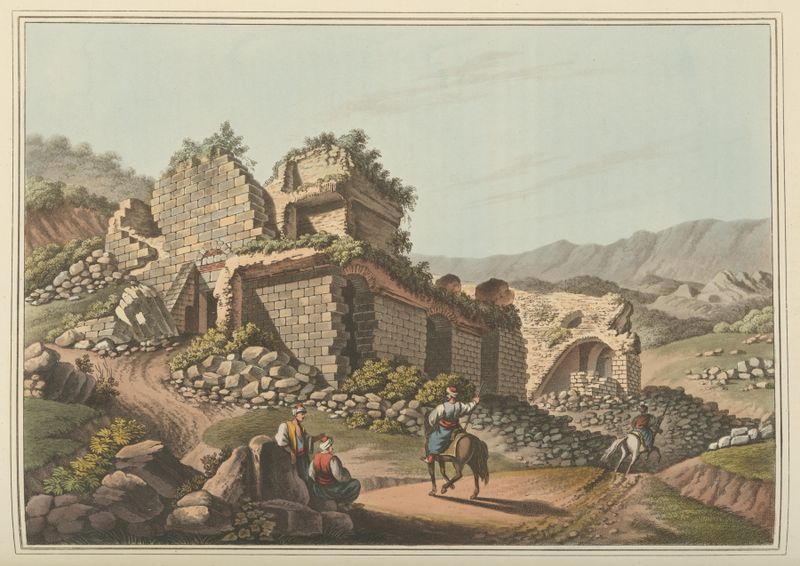
Theatre at Ephesus
Luigi Mayer
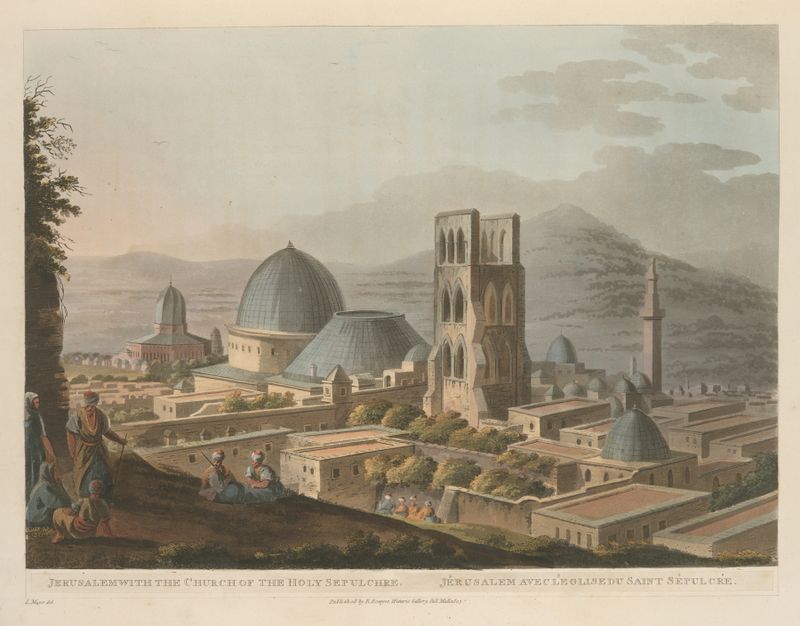
Jerusalem with the Church of the Holy Sepulchre
Luigi Mayer
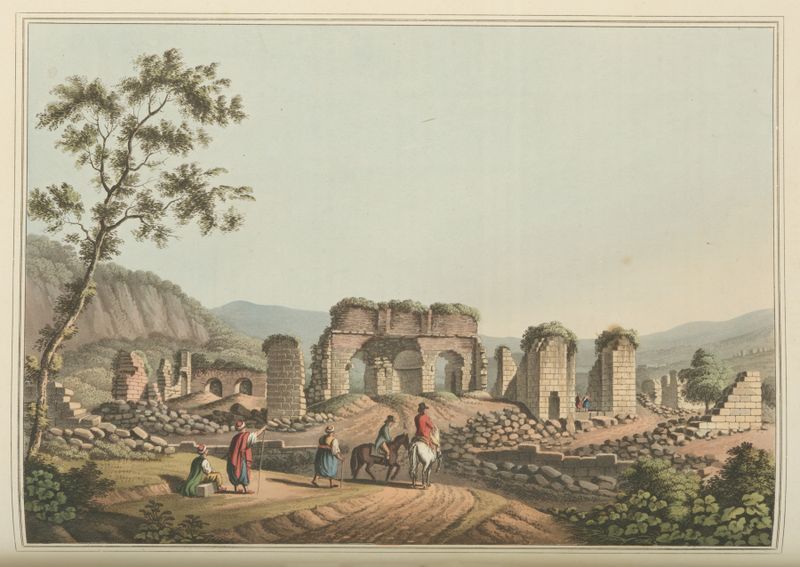
Ruins of the Temple of Diana at Ephesus
Luigi Mayer

Crater in the Island of Volcano
Luigi Mayer

Ruins of an ancient Temple in Samos
Luigi Mayer
More Architecture Art
Browse all →
The statue of Liberty
Frédéric Auguste Bartholdi

View of Houses in Delft, Known as ‘The Little Street’
Johannes Vermeer

View of Houses in Delft, Known as ‘The Little Street’
Johannes Vermeer

The Cathedral in Rouen. The portal, Grey Weather
Claude Monet

The yellow house
Vincent van Gogh

The Church in Auvers-sur-Oise, View from the Chevet
Vincent van Gogh