
Church in Osiek — History & Facts
Could a single brushstroke hold eternity? In Church in Osiek, Julian Falat masterfully captures the essence of a moment that transcends time, inviting the viewer to contemplate the delicate interplay between legacy and the passage of life. Look to the foreground where the weathered stones of the church's façade emerge with a rich, earthy palette, a testament to the artist's meticulous attention to detail. Notice how the vibrant greens of the surrounding landscape cradle the structure, creating a harmonious dialogue between nature and man-made spirituality. The gentle play of light casts soft shadows, infusing the scene with a warmth that suggests life continues to flourish around this hallowed space. In the distance, curling wisps of cloud evoke a sense of longing, connecting the earthly realm with the divine.
The church stands resolute, a symbol of hope and continuity amidst the transience of human existence. This juxtaposition of permanence and impermanence speaks to our collective desire to leave a mark on the world, to establish a legacy that echoes through generations. Falat painted Church in Osiek in 1906 while living in Poland, during a period marked by a resurgence in national identity and artistic exploration. As one of the key figures in the Polish art scene, he navigated a personal journey that intertwined with the broader cultural movements of the time, seeking inspiration from both his heritage and the natural landscapes that surrounded him.
This artwork is a reflection of his deep-rooted connection to place and the enduring narrative of faith and community.
More Artworks by Julian Falat
Browse all →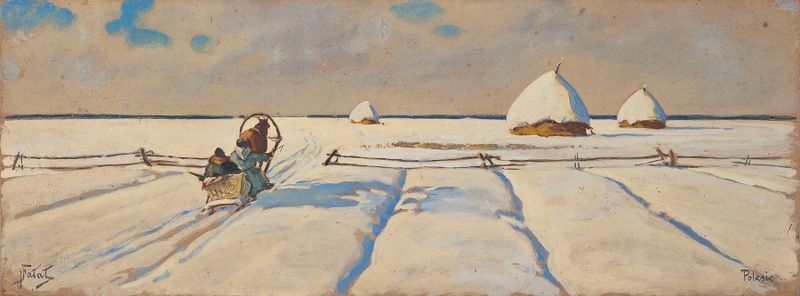
Sleigh in a snowy field – Polesia
Julian Falat
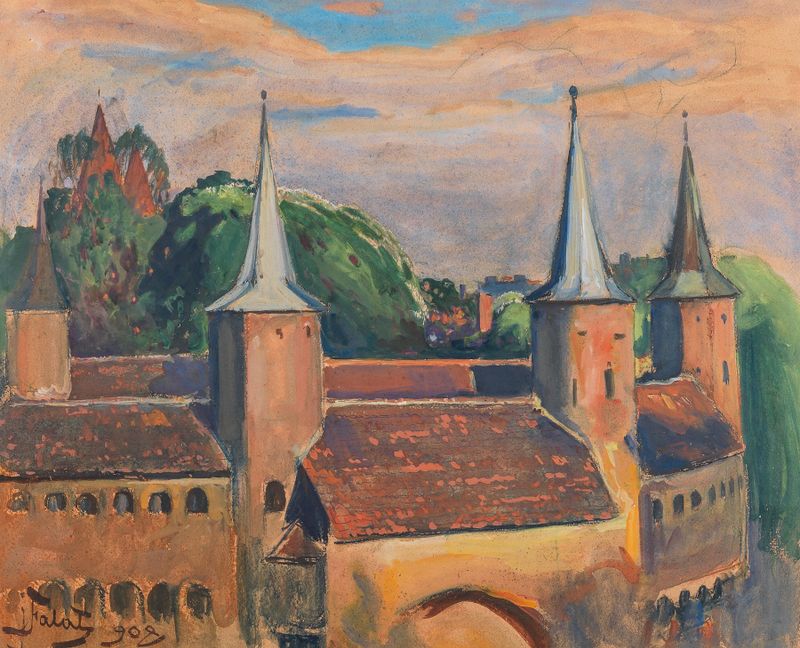
The Kraków Barbican
Julian Falat
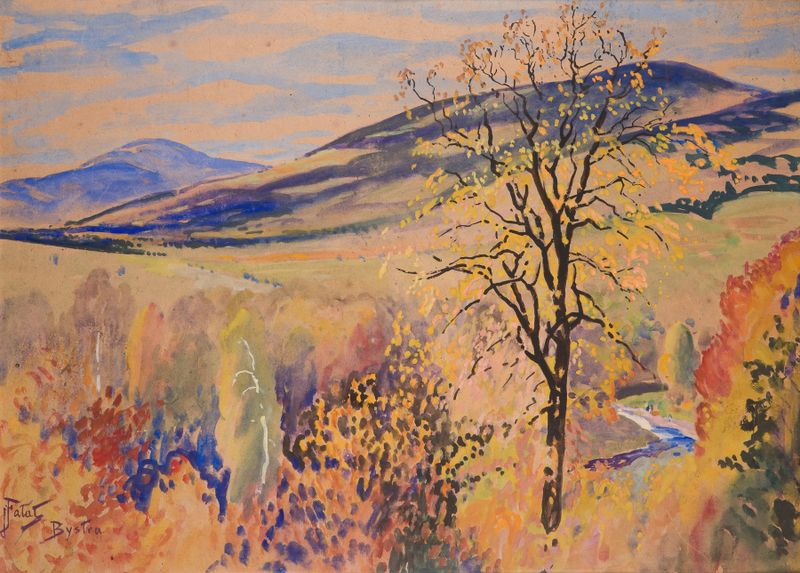
Pejzaż jesienny z Bystrej
Julian Falat
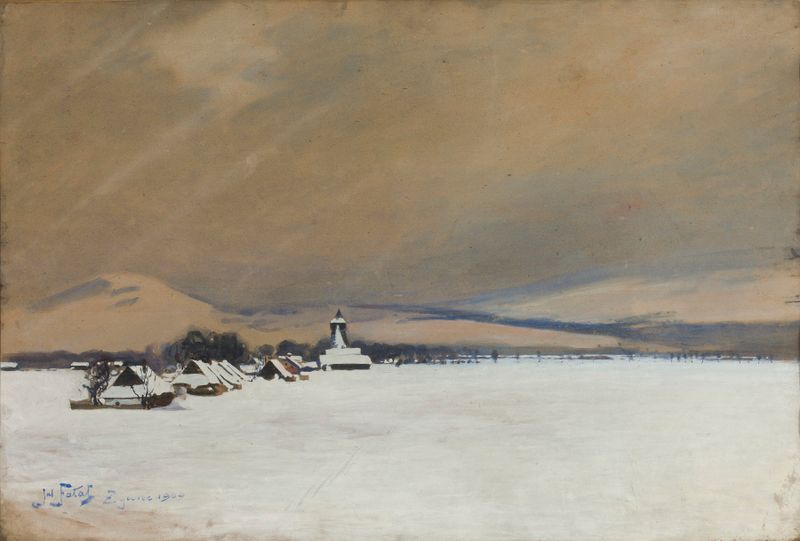
Winter landscape from Żywiec
Julian Falat
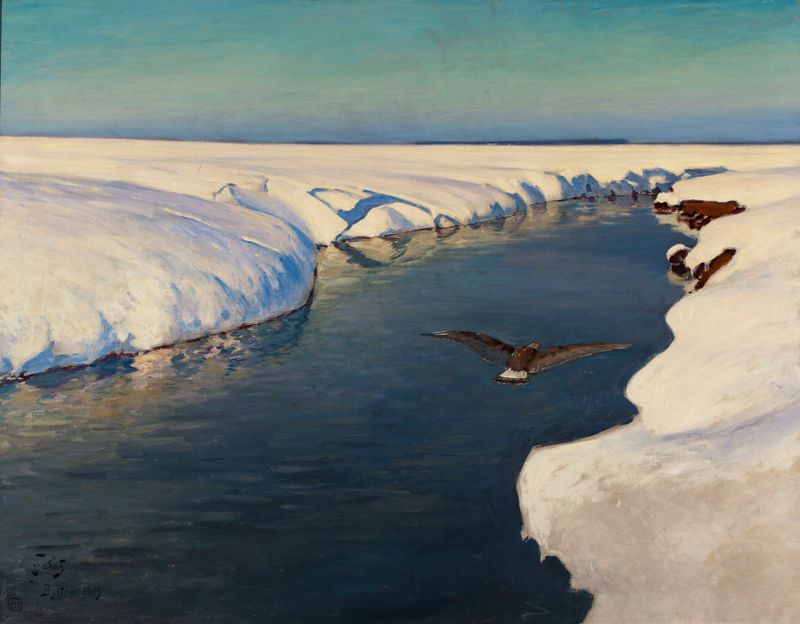
Winter landscape with a river and a bird
Julian Falat
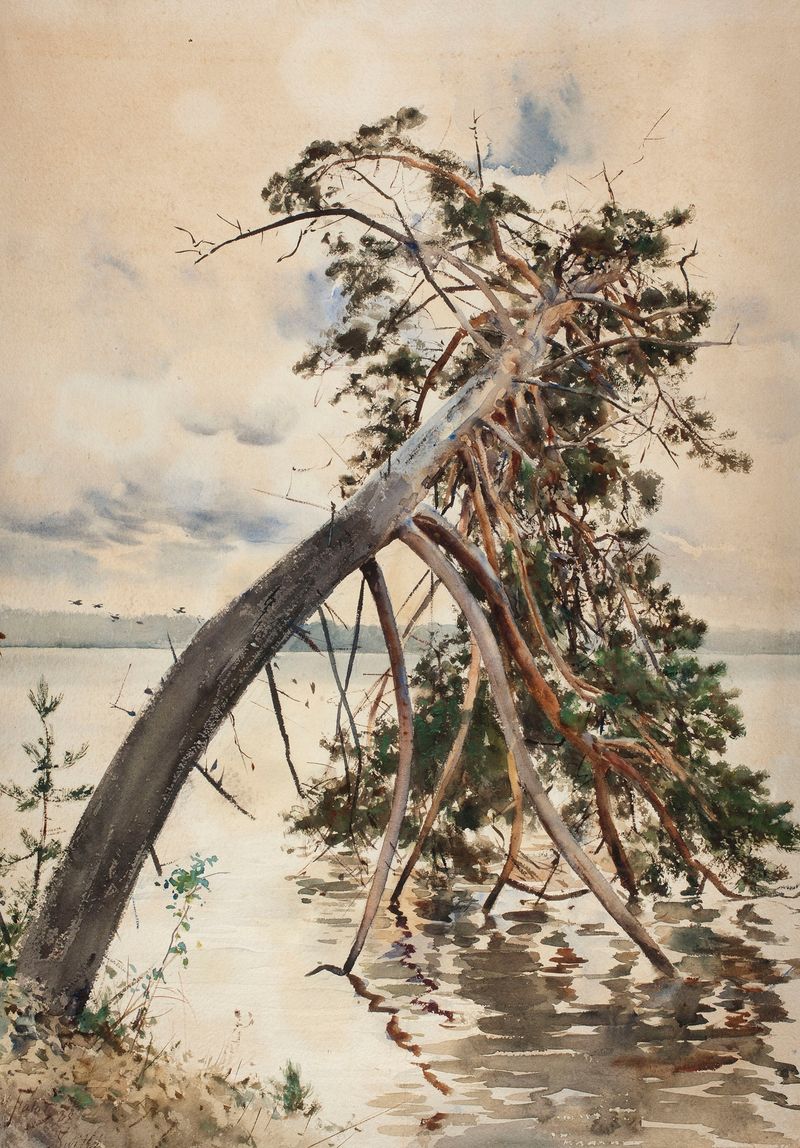
Świteź
Julian Falat
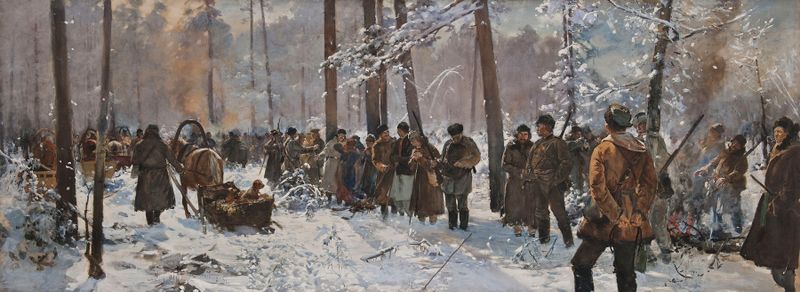
Battue at a hunt in Nieśwież
Julian Falat
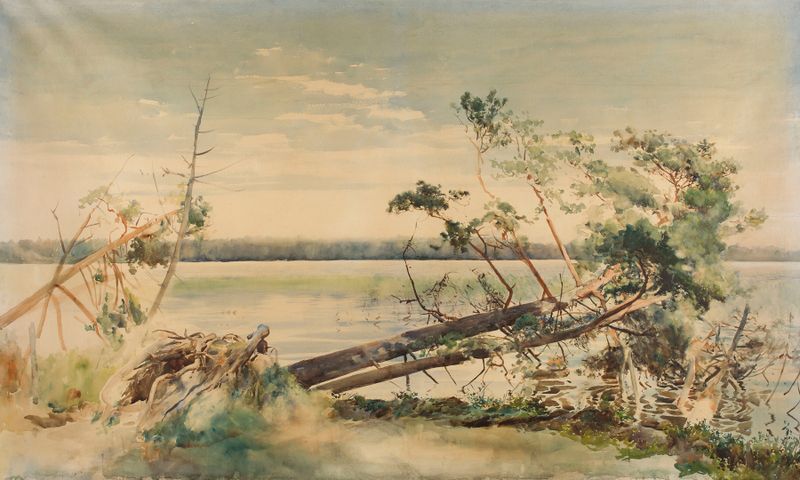
Świteź
Julian Falat
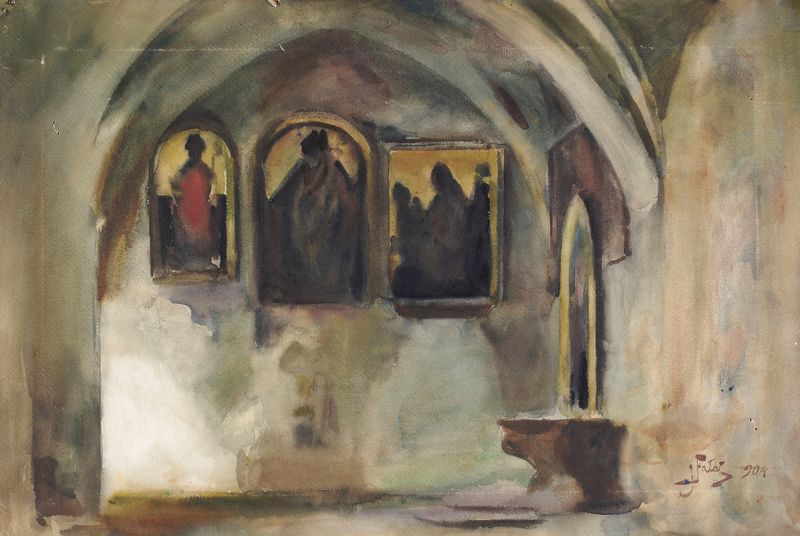
Cloister of the Franciscan Church in Krakow
Julian Falat
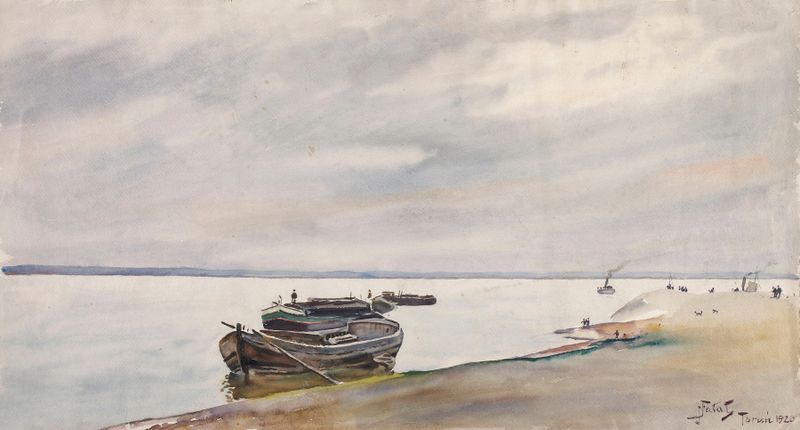
Boats and steamship on the Vistula near Toruń
Julian Falat
More Architecture Art
Browse all →
The statue of Liberty
Frédéric Auguste Bartholdi

View of Houses in Delft, Known as ‘The Little Street’
Johannes Vermeer

View of Houses in Delft, Known as ‘The Little Street’
Johannes Vermeer

The Cathedral in Rouen. The portal, Grey Weather
Claude Monet

The yellow house
Vincent van Gogh

The Church in Auvers-sur-Oise, View from the Chevet
Vincent van Gogh