
Świteź — History & Facts
Where does light end, and longing begin? In Świteź, the boundaries blur, echoing an eternal quest for renewal amidst the flickering shadows of existence. Look to the center, where the shimmering lake mirrors the sky’s soft pastels, drawing you towards its tranquil surface. Notice how the light dances across the water, creating an ethereal glow that hints at life just beneath. Surrounding the lake, lush greenery embraces the edges—a vibrant contrast to the cool serenity of the water.
Each element, from the gentle waves to the distant silhouettes of trees, speaks to a harmony that feels both ephemeral and everlasting. Yet, beneath this idyllic facade lies a profound emotional tension. The lake serves as a metaphor for rebirth, its stillness inviting contemplation, while the surrounding nature pulsates with vitality. The interplay of light and shadow creates an atmosphere that simultaneously suggests hope and melancholy, reflecting the cycle of life and the inevitable passage of time.
Themes of longing resonate, as if the landscape itself yearns for connection, for something beyond the present moment. In 1888, Julian Falat painted Świteź while immersed in the vibrant artistic movement of Poland, where he sought to capture the beauty of his homeland. This period marked a significant evolution in his style, blending realism with impressions of light and color that invigorated his landscapes. As he worked in his studio, the political landscape of Poland was shifting, and his art emerged as a silent yet passionate dialogue with the essence of nature and the human spirit.
More Artworks by Julian Falat
Browse all →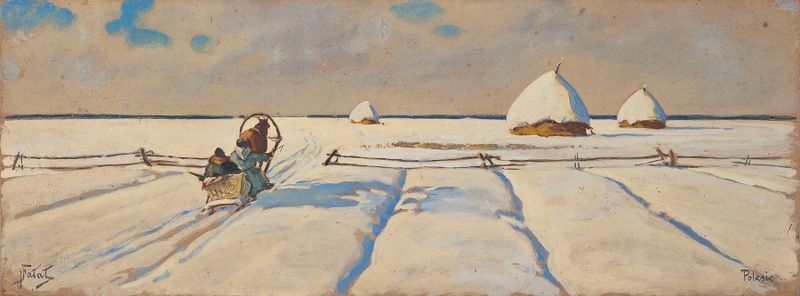
Sleigh in a snowy field – Polesia
Julian Falat
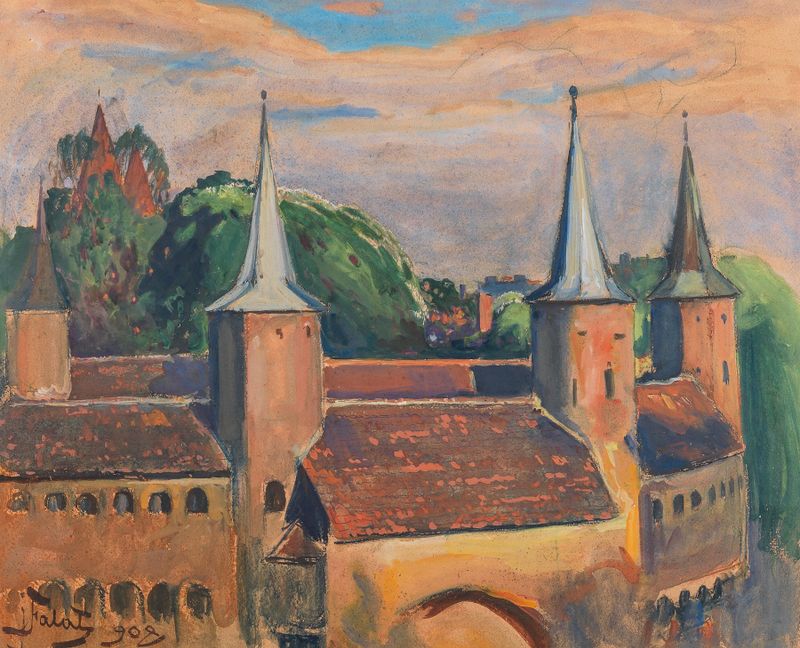
The Kraków Barbican
Julian Falat
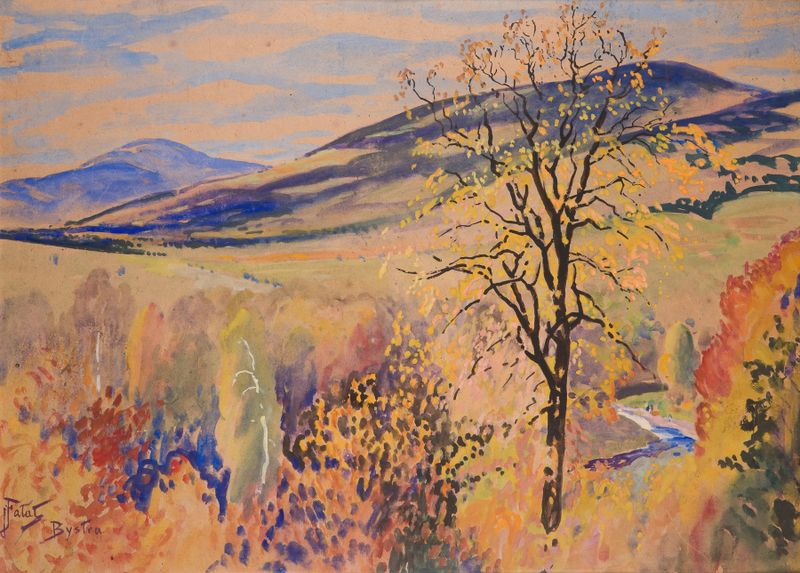
Pejzaż jesienny z Bystrej
Julian Falat
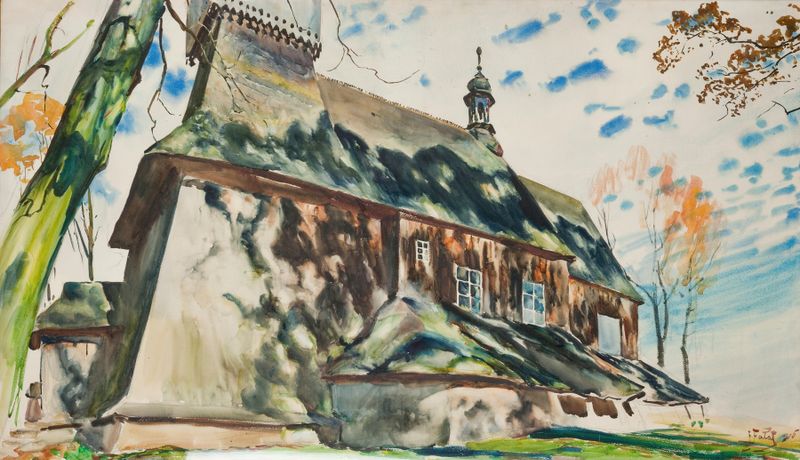
Church in Osiek
Julian Falat
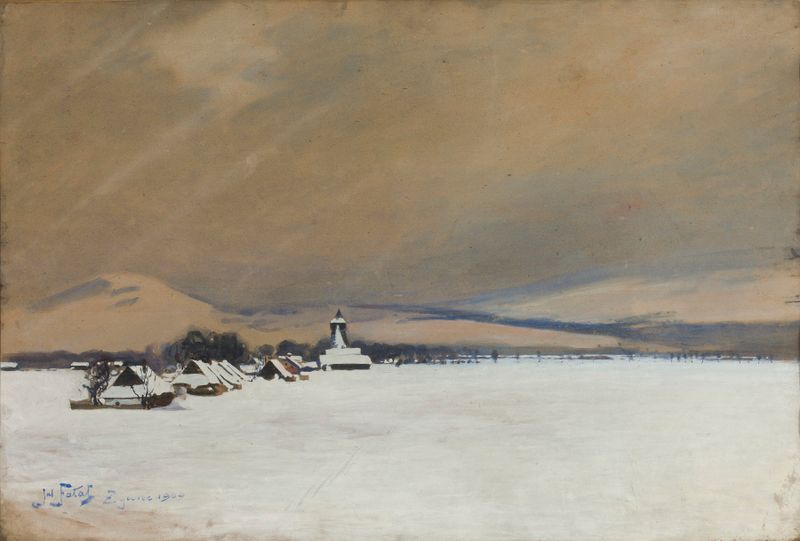
Winter landscape from Żywiec
Julian Falat
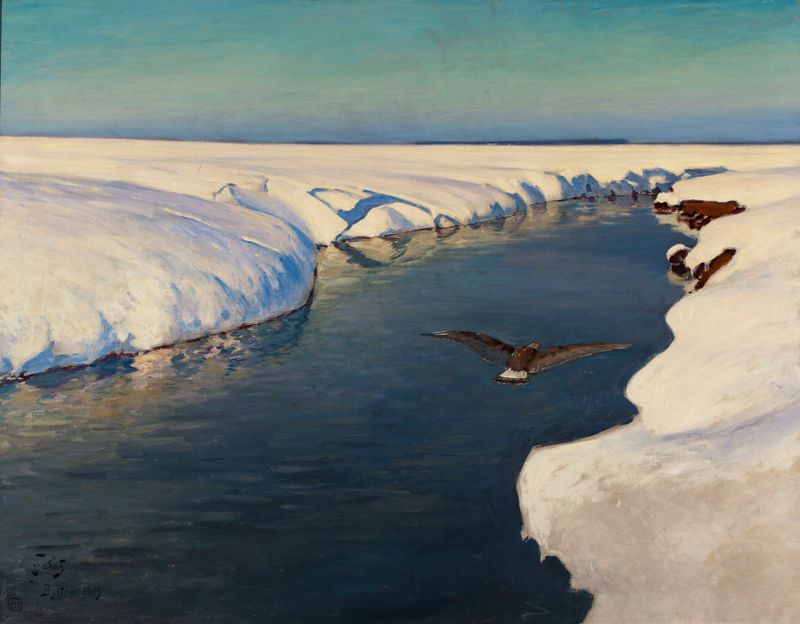
Winter landscape with a river and a bird
Julian Falat
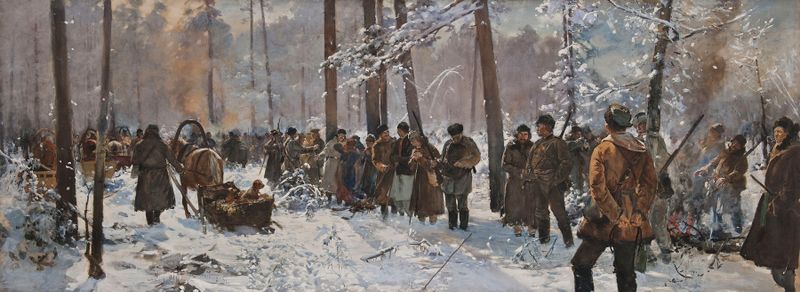
Battue at a hunt in Nieśwież
Julian Falat
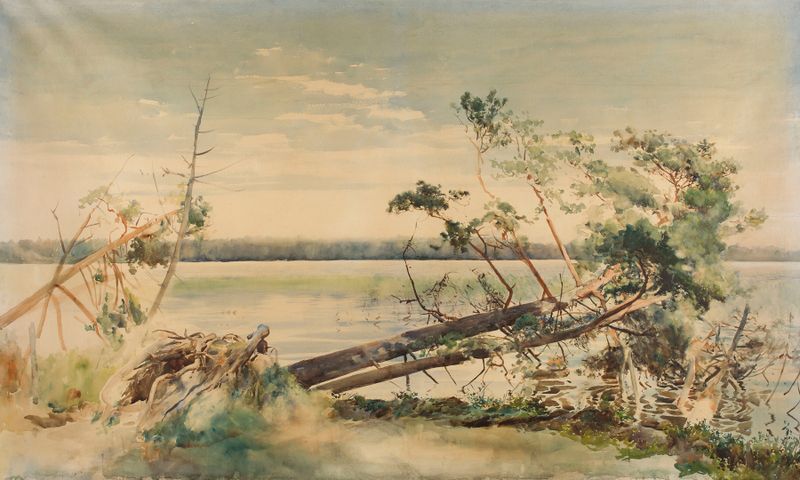
Świteź
Julian Falat
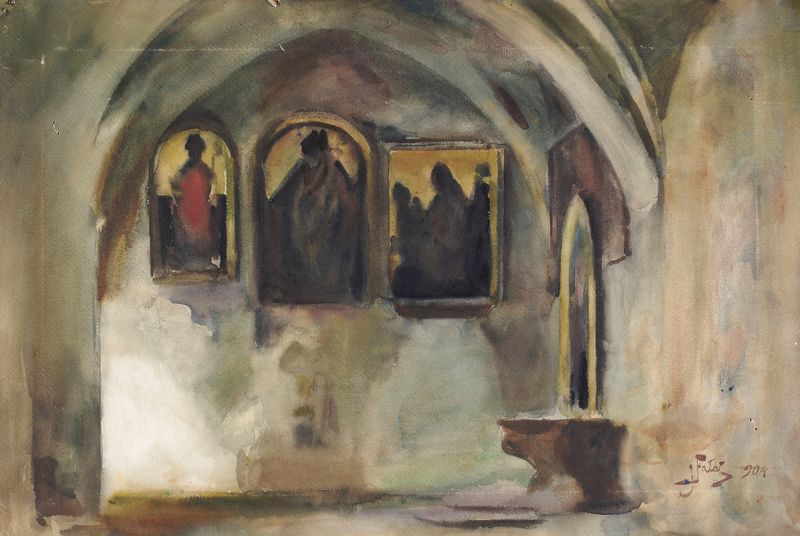
Cloister of the Franciscan Church in Krakow
Julian Falat
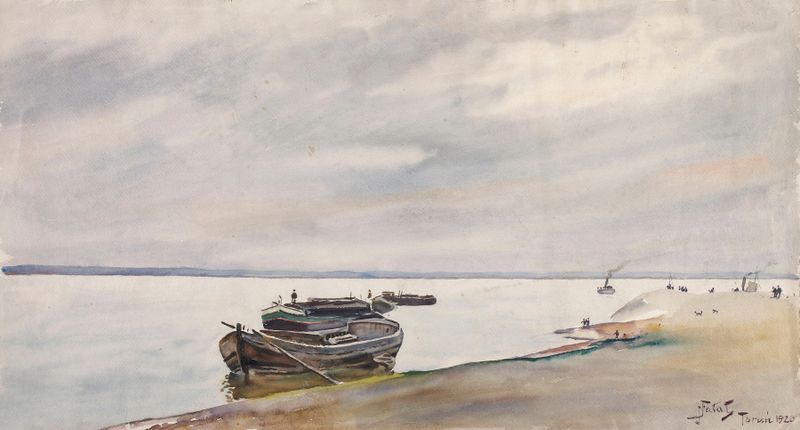
Boats and steamship on the Vistula near Toruń
Julian Falat





