
The Kraków Barbican — History & Facts
What secret hides in the quiet of the canvas? The weight of loss lingers, a whisper of history enveloping the viewer in a soft embrace of nostalgia and yearning. Look to the left at the weathered stones of the Kraków Barbican, each one a testament to time’s passage, crumbling yet defiant against the encroaching greenery. The artist employs a palette of earthy tones that evoke a sense of permanence, while dappled light filters through the trees, casting subtle shadows that animate the scene. The gentle brushwork invites the eye to wander, where the meticulous detailing of the fortifications contrasts with the serene atmosphere, creating a moment that feels both alive and eerily still. Upon closer inspection, the juxtaposition of nature reclaiming the ancient structure suggests a bittersweet dialogue between progress and preservation.
Fleeting sunlight hints at the transience of human endeavors, while the solid fortifications represent the weight of history bearing down on the present. Each element encapsulates a deeper emotional tension – the Barbican stands as a solemn witness to the passage of time and the inevitable loss it brings. In 1908, the artist captured this scene during a period rich in national pride and cultural revival in Poland, a time when the artistic expressions were profoundly influenced by the country's complex history. Falat, already recognized for his landscapes, painted The Kraków Barbican while exploring themes of heritage and memory, reflecting the shifting dynamics of a region grappling with its identity.
It was a moment where art and national consciousness intertwined, making this work not just a painting, but a resonant echo of a shared past.
More Artworks by Julian Falat
Browse all →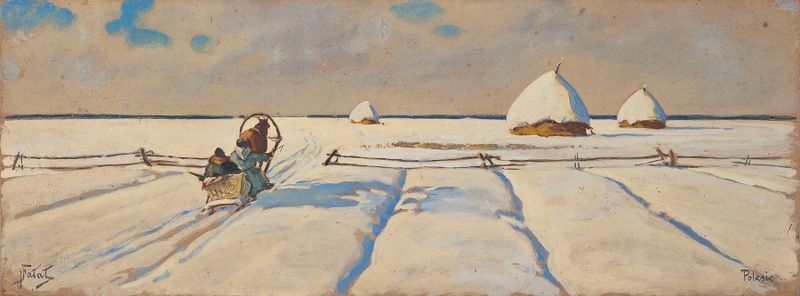
Sleigh in a snowy field – Polesia
Julian Falat
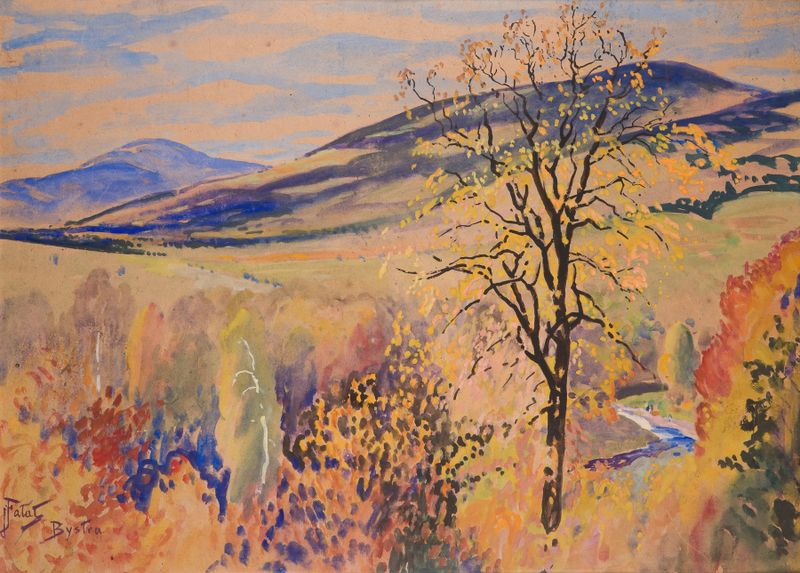
Pejzaż jesienny z Bystrej
Julian Falat
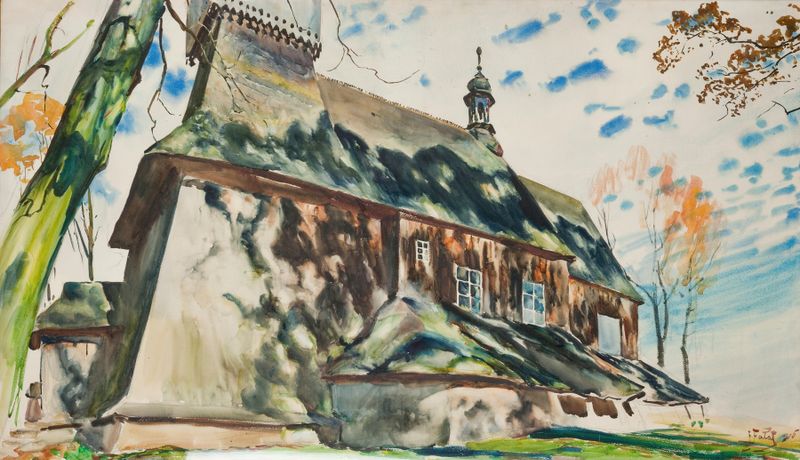
Church in Osiek
Julian Falat
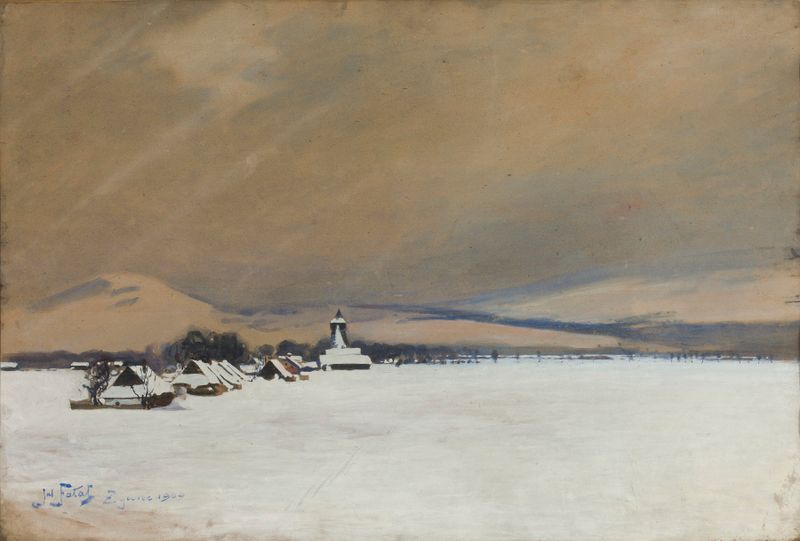
Winter landscape from Żywiec
Julian Falat
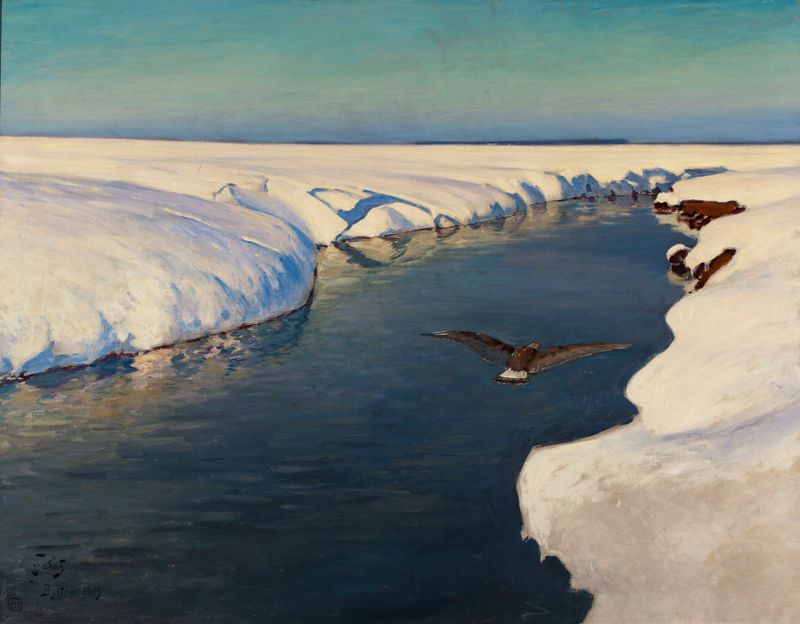
Winter landscape with a river and a bird
Julian Falat
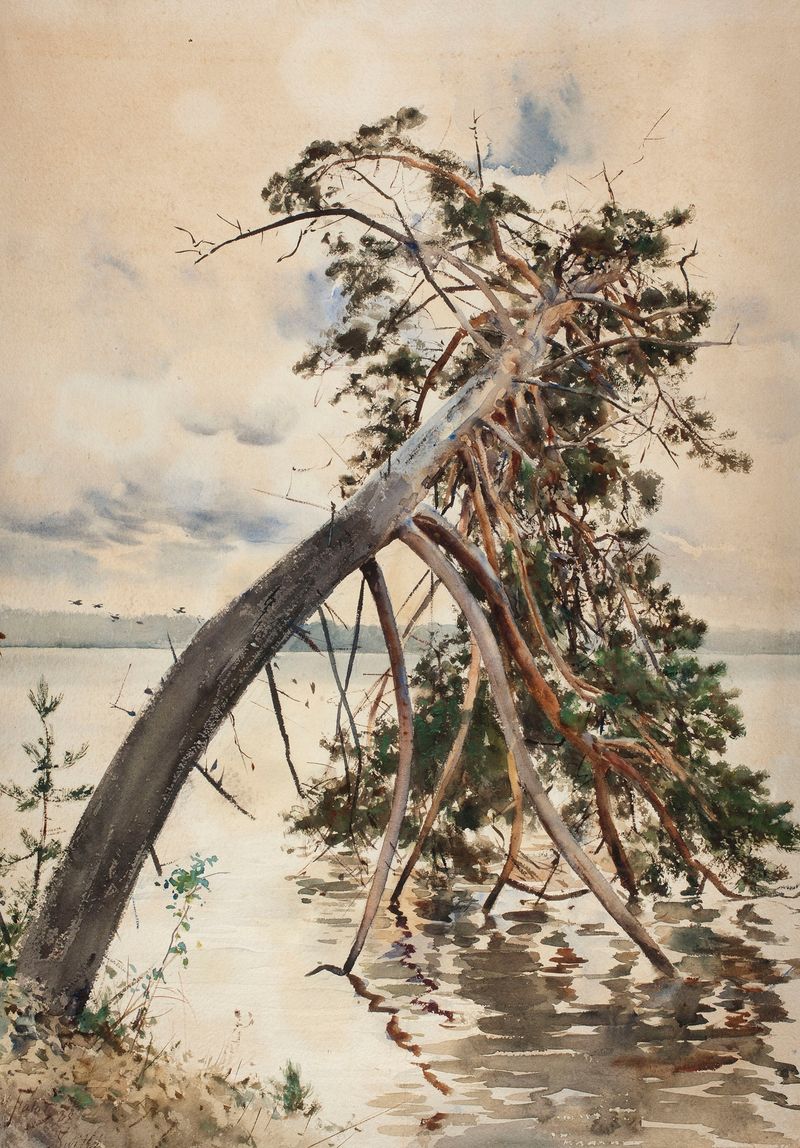
Świteź
Julian Falat
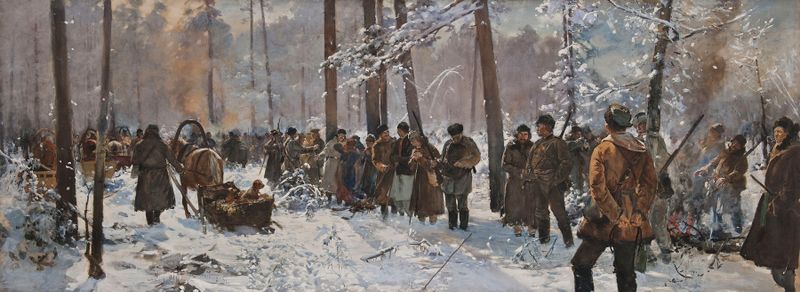
Battue at a hunt in Nieśwież
Julian Falat
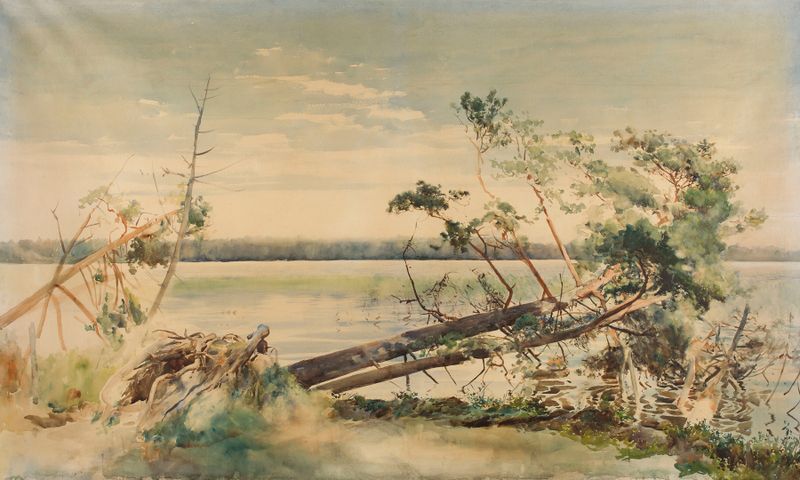
Świteź
Julian Falat
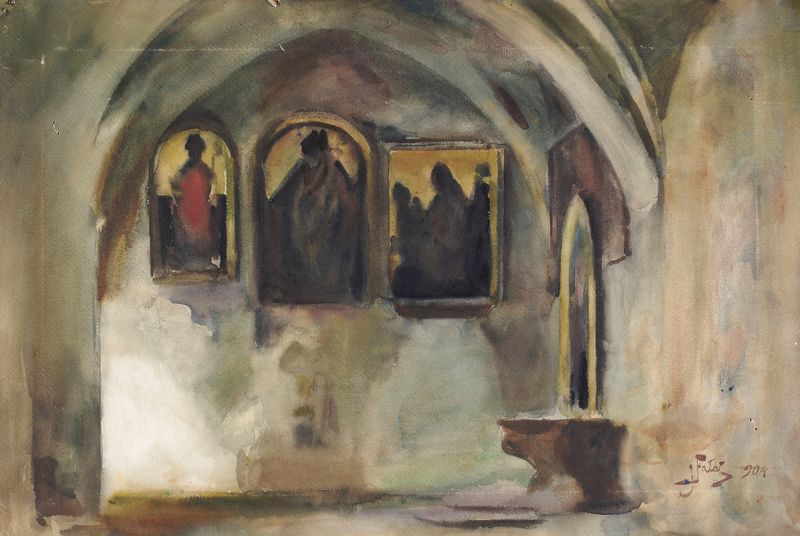
Cloister of the Franciscan Church in Krakow
Julian Falat
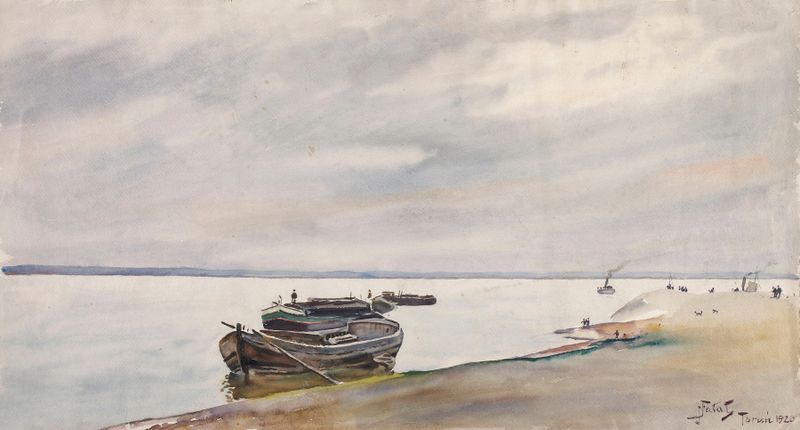
Boats and steamship on the Vistula near Toruń
Julian Falat
More Architecture Art
Browse all →
The statue of Liberty
Frédéric Auguste Bartholdi

View of Houses in Delft, Known as ‘The Little Street’
Johannes Vermeer

View of Houses in Delft, Known as ‘The Little Street’
Johannes Vermeer

The Cathedral in Rouen. The portal, Grey Weather
Claude Monet

The yellow house
Vincent van Gogh

The Church in Auvers-sur-Oise, View from the Chevet
Vincent van Gogh