
Pejzaż jesienny z Bystrej — History & Facts
In the embrace of autumn, the fleeting beauty of life reveals itself, a bittersweet reminder of our own transience. Look to the left at the golden trees, their leaves a riot of orange and crimson, capturing the essence of a season on the brink of decay. The soft, warm light envelops the landscape, casting long shadows that elongate in the crisp air, inviting the viewer's eye to wander deeper into the scene. Notice how the artist's brushstrokes dance across the canvas, blending hues with a masterful touch that evokes both warmth and melancholy. The juxtaposition of vibrant foliage against the cool blues of the sky and distant mountains speaks to the duality of existence—beauty intertwined with inevitable change.
In the foreground, a solitary path leads into the heart of the wilderness, suggesting a journey that invites contemplation on life’s fleeting moments. Each detail, from the textured grasses to the gentle undulations of the land, whispers secrets of nature's cycle and the passage of time. Julian Falat created Pejzaż jesienny z Bystrej in 1902 while residing in Poland, a period marked by his deep engagement with natural landscapes and a growing sense of nostalgia. This was a time when artists sought to capture the ephemeral essence of their surroundings, reflecting the shifting identities of their nation and themselves amidst the changing social landscapes of Europe.
In this artwork, Falat channels the melancholy of autumn, a season that encapsulates the cycle of life and its inevitable conclusion.
More Artworks by Julian Falat
Browse all →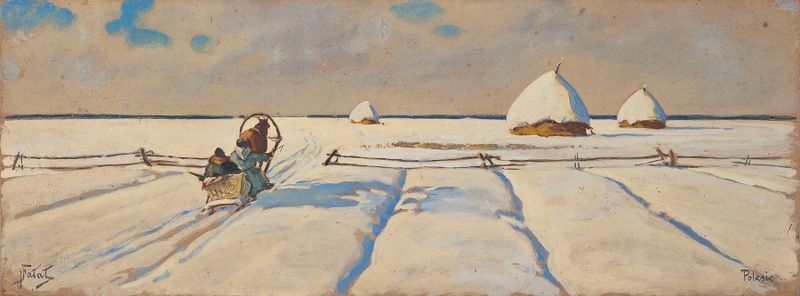
Sleigh in a snowy field – Polesia
Julian Falat
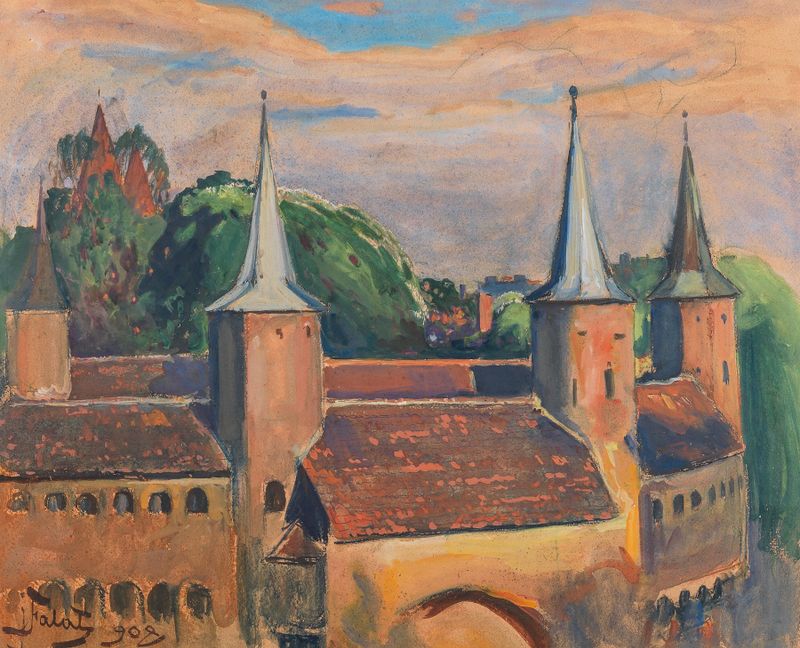
The Kraków Barbican
Julian Falat
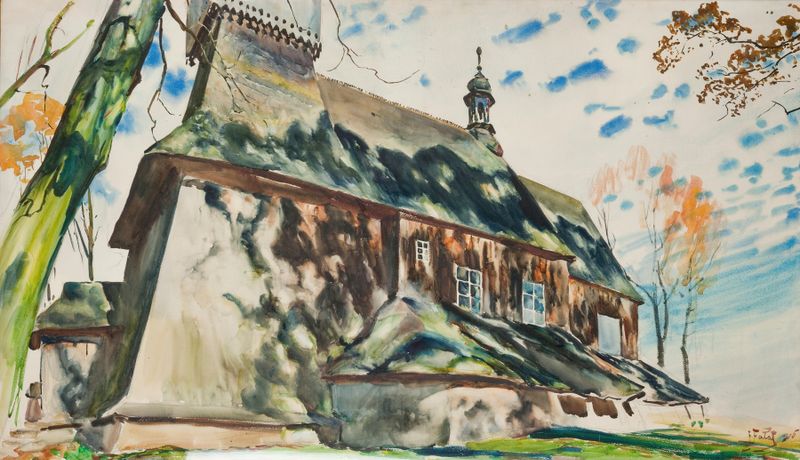
Church in Osiek
Julian Falat
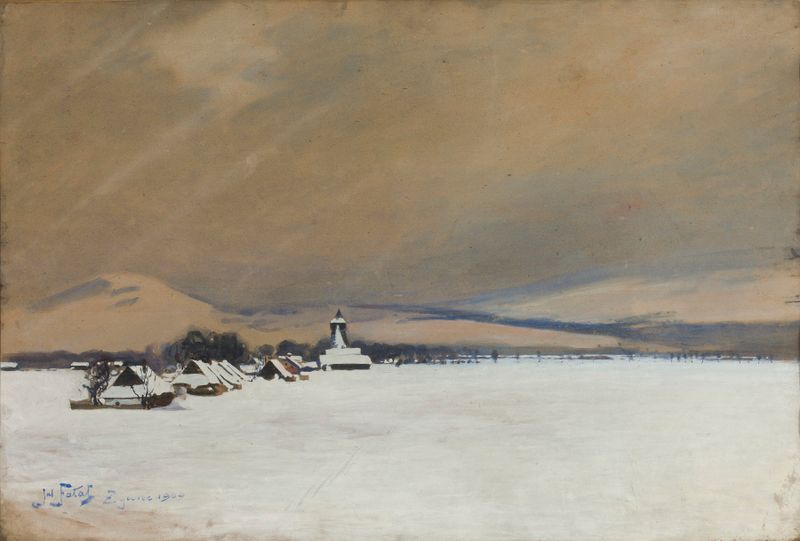
Winter landscape from Żywiec
Julian Falat
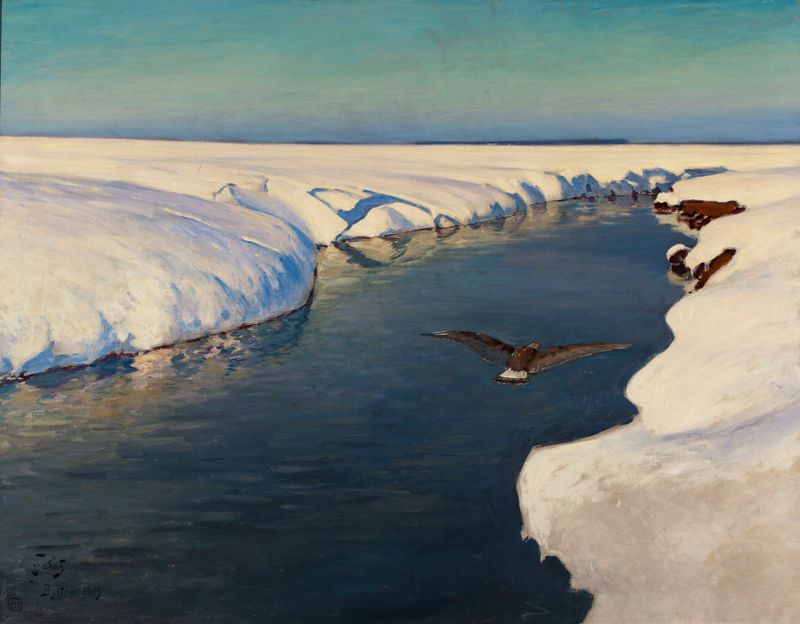
Winter landscape with a river and a bird
Julian Falat
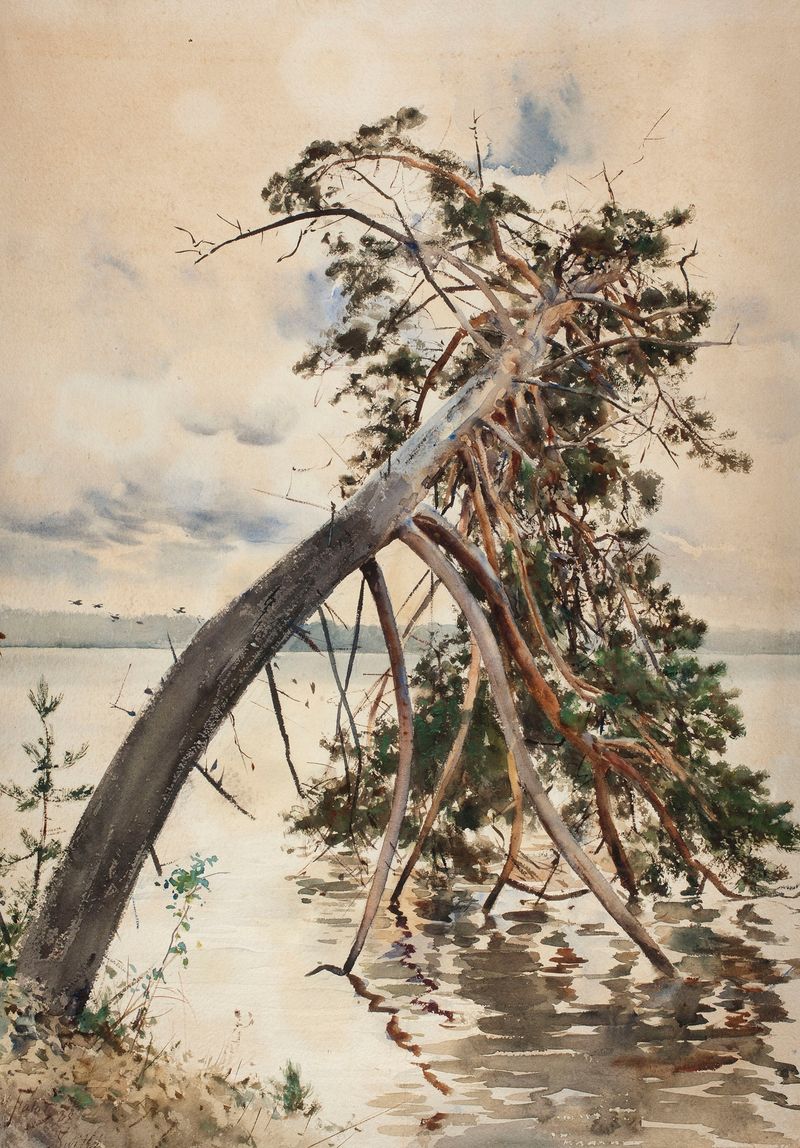
Świteź
Julian Falat
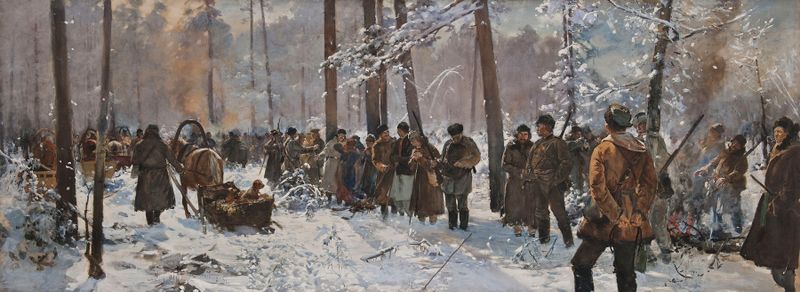
Battue at a hunt in Nieśwież
Julian Falat
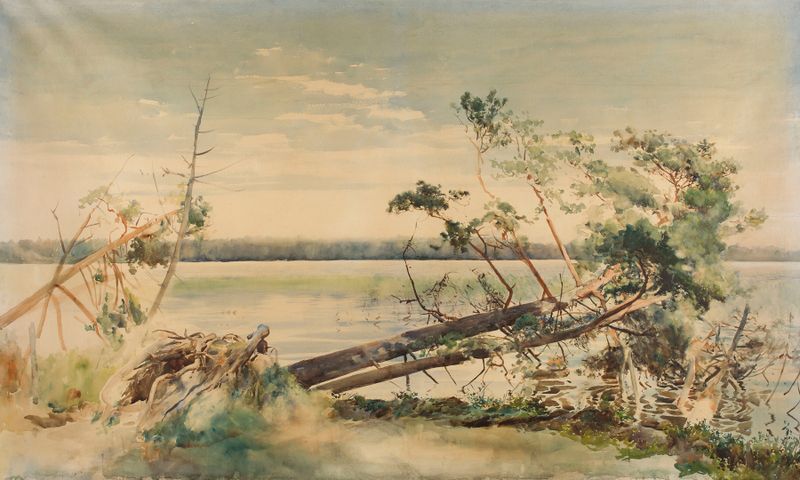
Świteź
Julian Falat
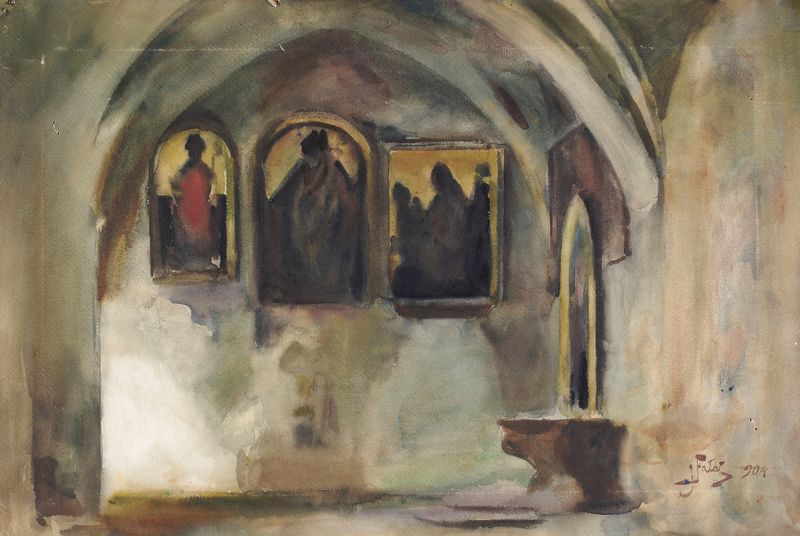
Cloister of the Franciscan Church in Krakow
Julian Falat
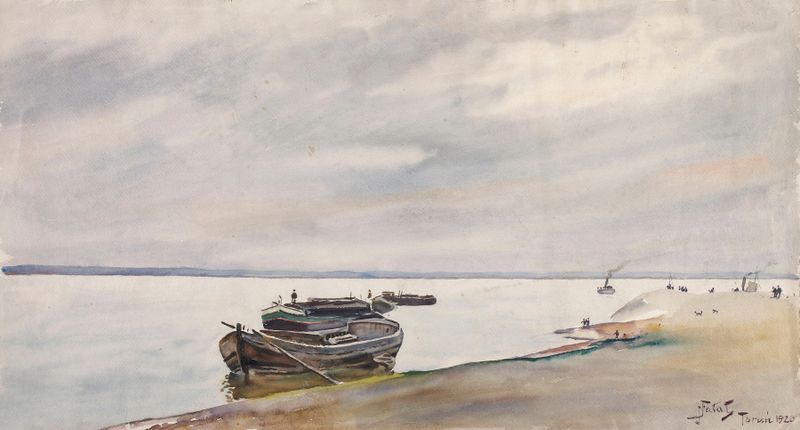
Boats and steamship on the Vistula near Toruń
Julian Falat





