
Church interior — History & Facts
What if beauty was never meant to be finished? In Church Interior, Feliks Jabłczyński captures the haunting essence of yearning within the sacred space of a church, where silence holds its breath in reverence. Look to the left, where the intricate details of the wooden pews beckon with a warm, rich hue, their patina reflecting years of devotion. A soft glow spills from the stained glass, illuminating the nave and casting ethereal patterns on the stone floor. Notice how the arches rise majestically, guiding your gaze upward, inviting contemplation as one’s eyes follow the delicate play of light and shadow across the sanctuary. Yet, amid this beauty lies a palpable tension.
The vacant pews whisper stories of absence, evoking a longing for the voices and prayers that once filled the space. The contrast between the vibrant colors of the glass and the muted tones of the interior speaks to the dichotomy of hope and despair, as if the church itself laments the loss of those it was built to serve. Each brushstroke resonates with a sense of paused time, where the walls seem poised to share their secrets but remain steadfastly silent. Jabłczyński painted Church Interior in 1910 during a period of significant change in his life and the art world.
Settled in Warsaw, he was influenced by the burgeoning modernist movement, which sought to break from tradition. At this time, artists were exploring new ways to express emotions and spirituality, reflecting the cultural shifts around them. This piece stands as a testament to that era, merging personal reflection with a broader artistic commentary.
More Artworks by Feliks Jabłczyński
Browse all →
Villa Borgia in Rome
Feliks Jabłczyński

Mariensztat Street in Warsaw
Feliks Jabłczyński
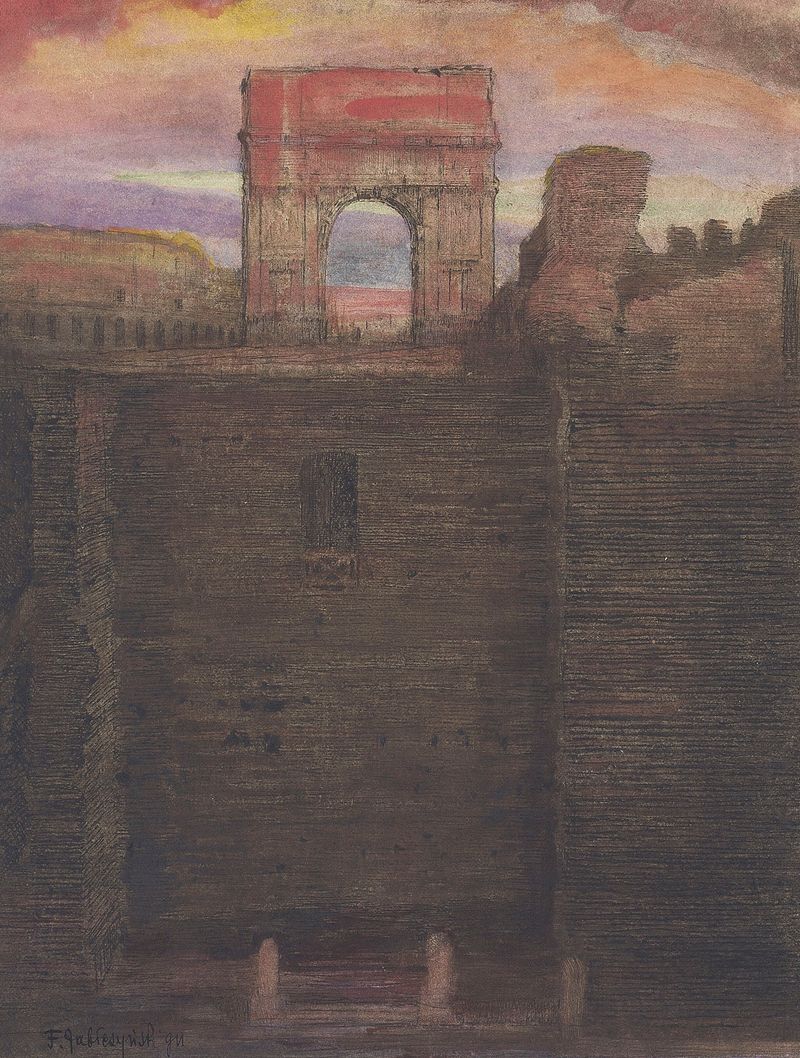
The House of Vestals and the Arch of Titus in the background
Feliks Jabłczyński
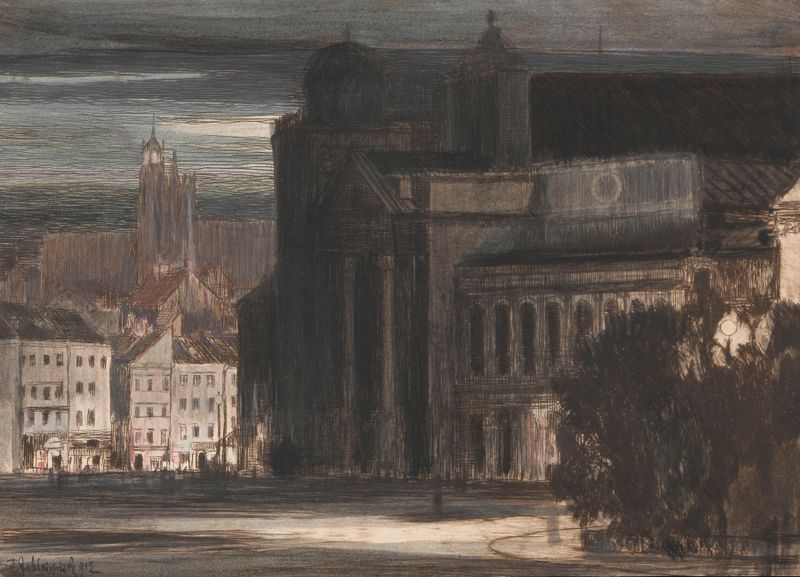
View of the Church of St. Anna and the Castle Square in Warsaw
Feliks Jabłczyński

Kaplica Boimów we Lwowie
Feliks Jabłczyński
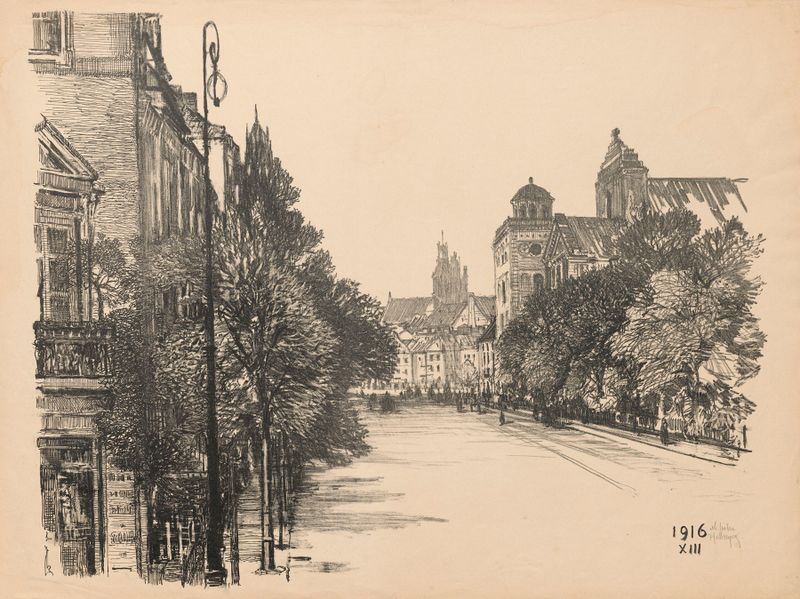
Krakowskie Przedmieście Street
Feliks Jabłczyński
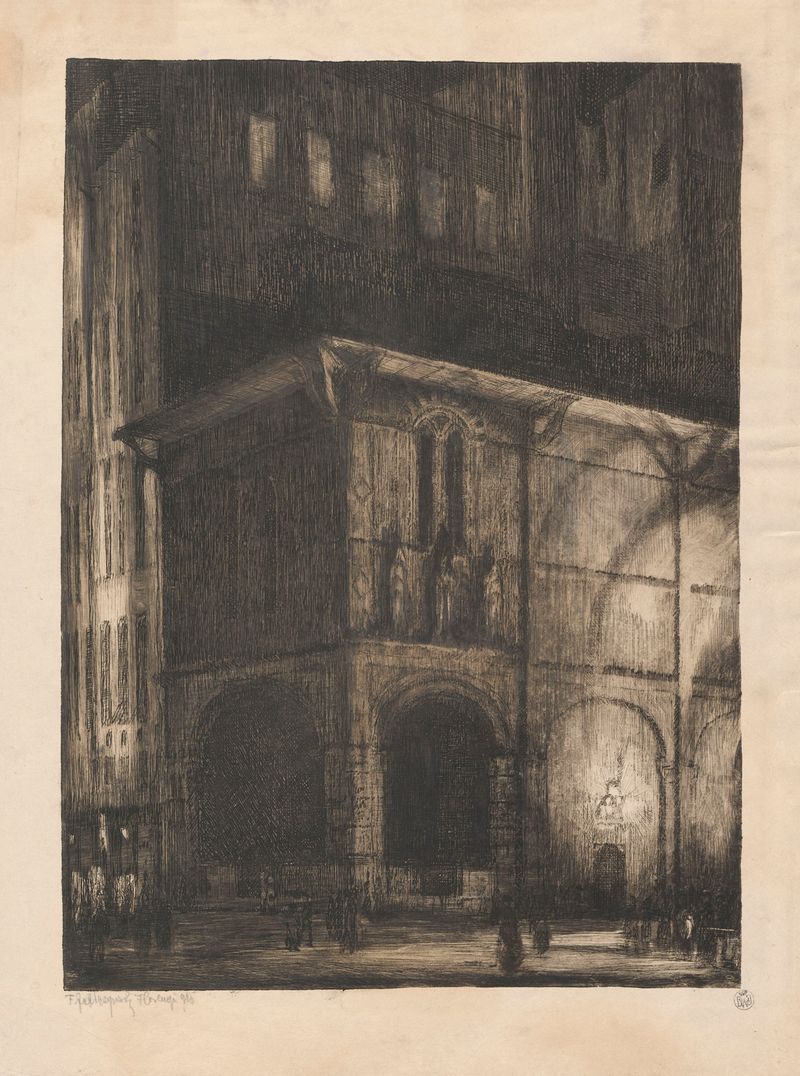
Florence
Feliks Jabłczyński
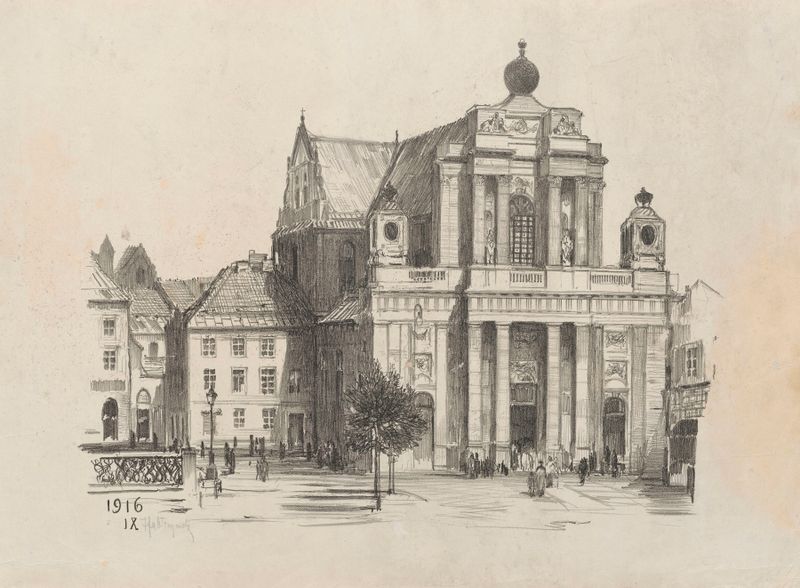
Carmelite Church.
Feliks Jabłczyński

The Visitation Sisters Church
Feliks Jabłczyński
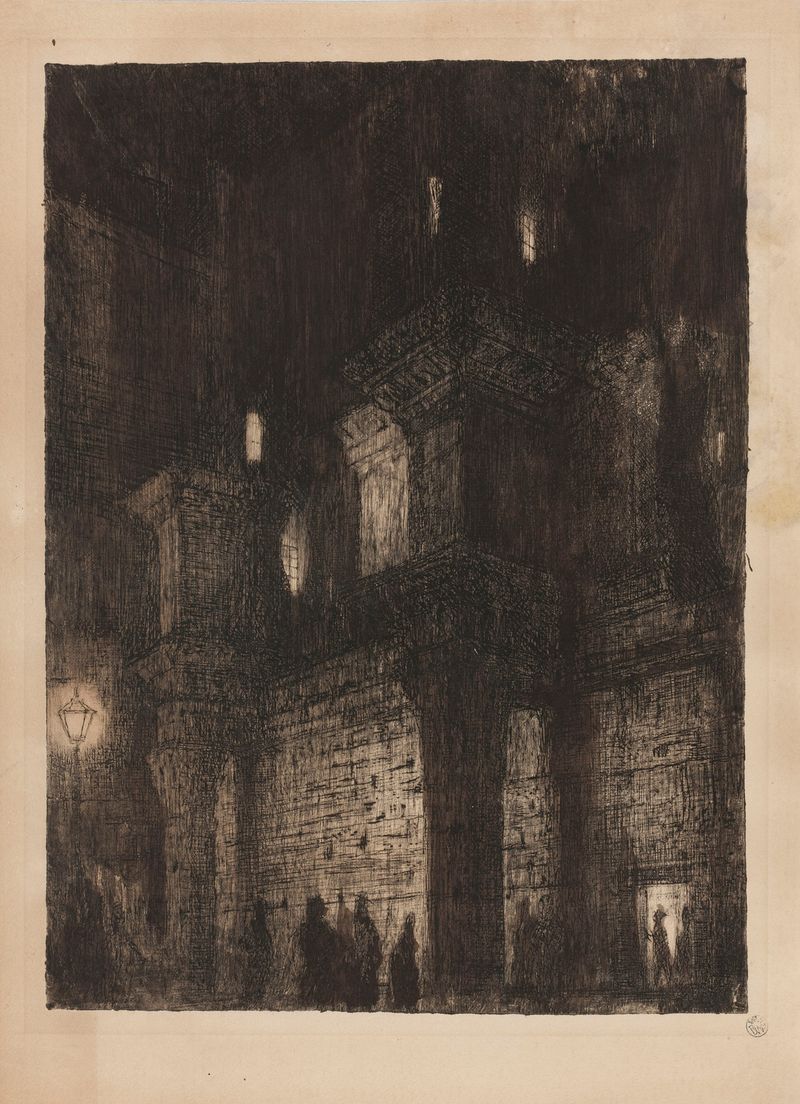
Forum Nervae
Feliks Jabłczyński





