Church interior — History & Facts
The intricate interplay of light and shadow invites a contemplation of creation, a paradox wrapped in grandeur. Look to the center of the composition, where a reverent light pours through the stained glass, illuminating the ornate altar. Notice the warm hues of gold and crimson that dance across the surfaces, a testament to both divine intention and human artistry. The symmetry of the arching columns draws the eye upward, creating a sense of elevation, while the subtle details in the stonework and woodwork speak of painstaking craftsmanship that echoes through the ages. The contrast between the ethereal light and the shadowed corners evokes a tension between the sacred and the somber.
Each beam of illumination reveals not just beauty, but a deeper narrative of devotion intertwined with sacrifice. The meticulous arrangement of the space reflects a spiritual serenity, yet the encroaching darkness hints at the struggles of faith that lie beneath the surface. Feliks Jabłczyński created this work in 1911, during a period of artistic exploration in Poland as the country wrestled with its identity. The early 20th century was marked by a blossoming of nationalistic themes in art, and this piece captures the burgeoning spirit of cultural pride amidst a backdrop of social upheaval.
Jabłczyński’s attention to architectural details and atmospheric effects reflects his dedication to elevating the mundane to the sacred, aligning his vision with the transformative power of creation.
More Artworks by Feliks Jabłczyński
Browse all →
Villa Borgia in Rome
Feliks Jabłczyński

Mariensztat Street in Warsaw
Feliks Jabłczyński
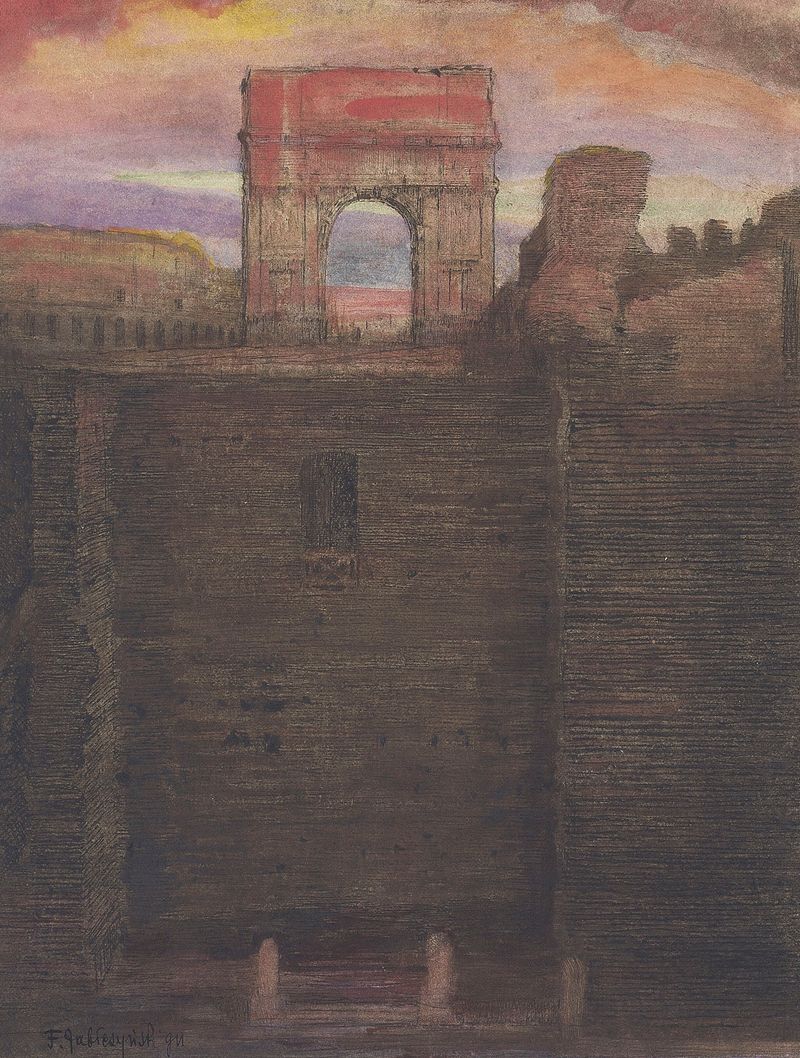
The House of Vestals and the Arch of Titus in the background
Feliks Jabłczyński
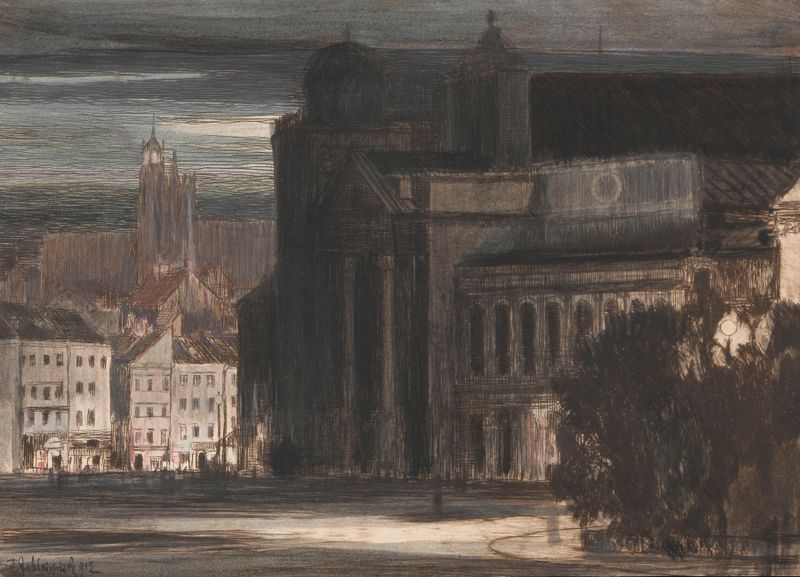
View of the Church of St. Anna and the Castle Square in Warsaw
Feliks Jabłczyński

Kaplica Boimów we Lwowie
Feliks Jabłczyński
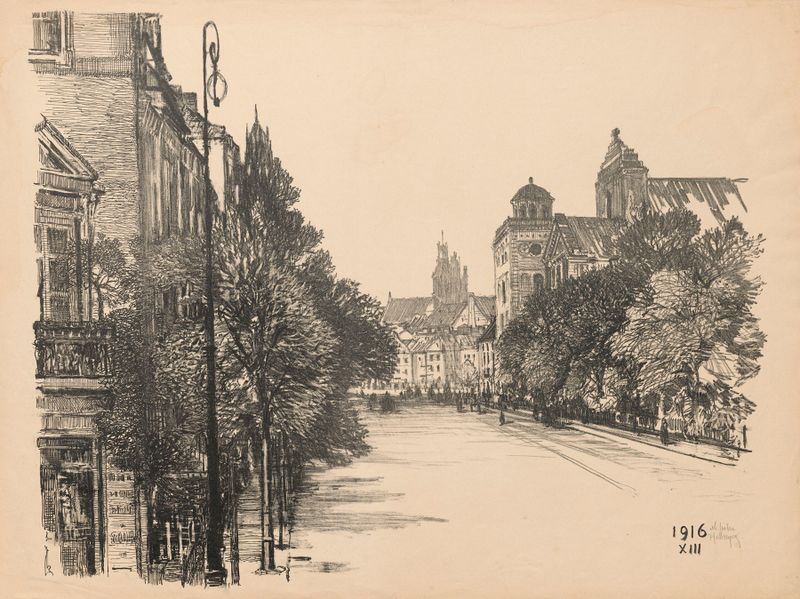
Krakowskie Przedmieście Street
Feliks Jabłczyński
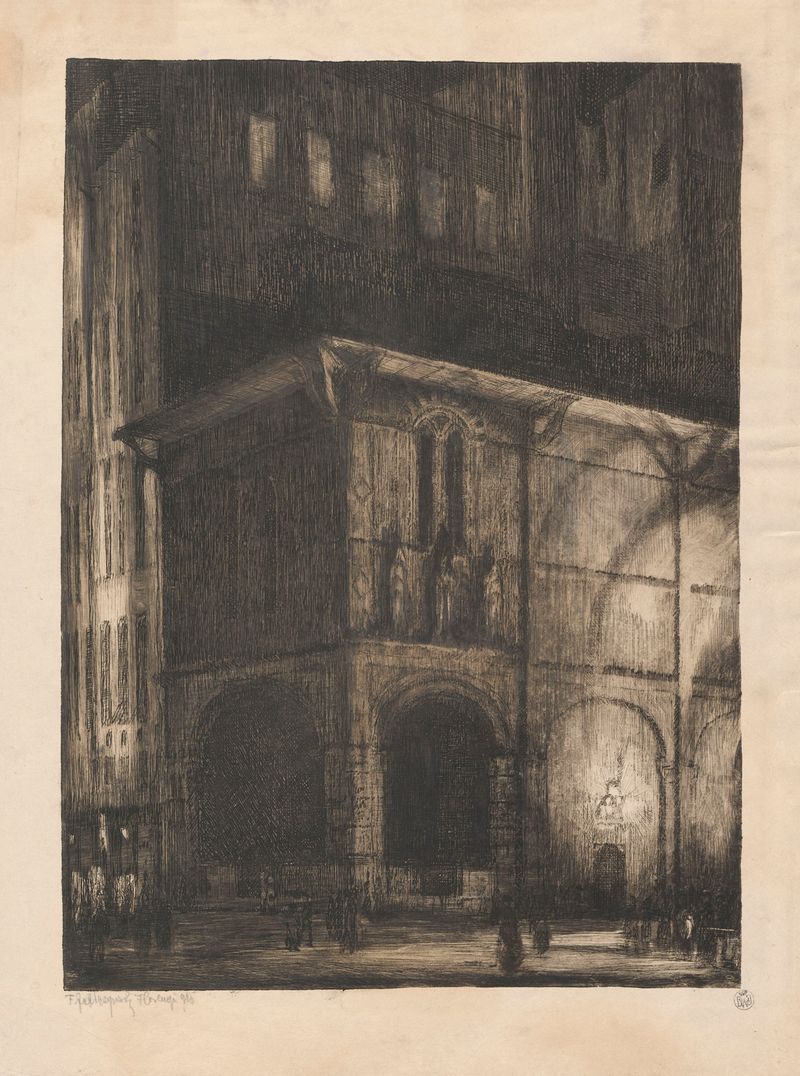
Florence
Feliks Jabłczyński
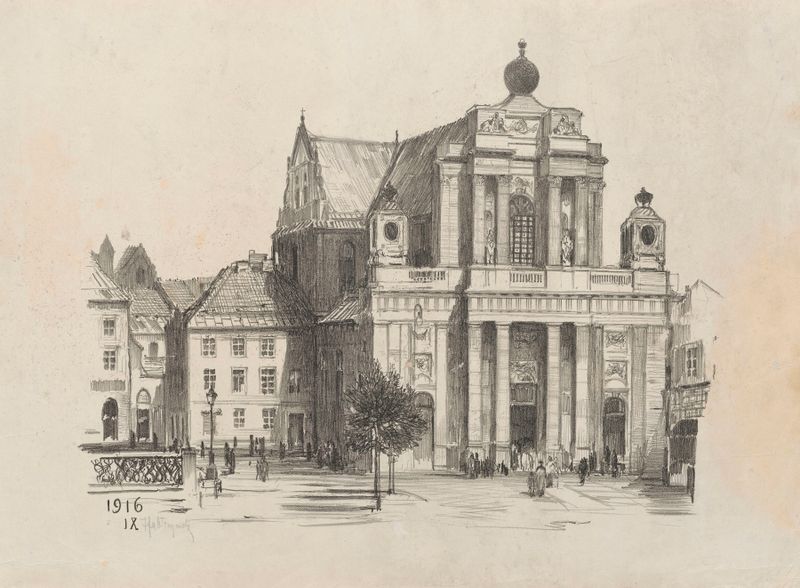
Carmelite Church.
Feliks Jabłczyński

The Visitation Sisters Church
Feliks Jabłczyński
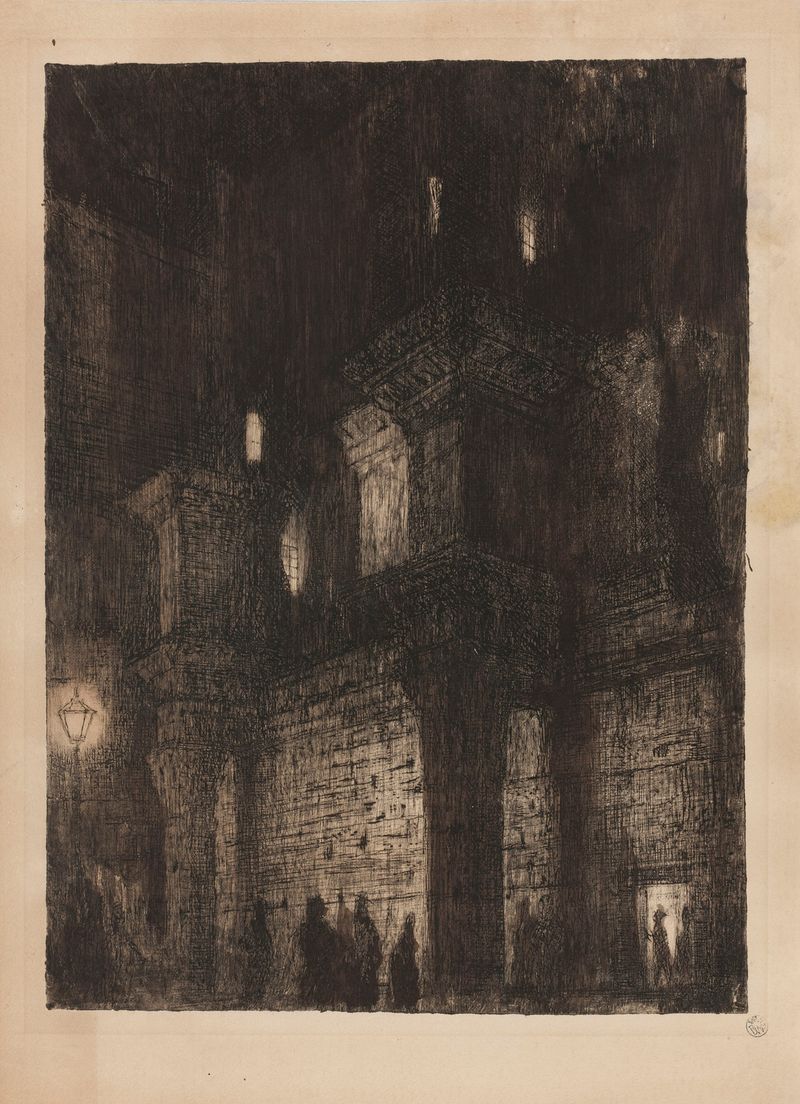
Forum Nervae
Feliks Jabłczyński