
Ciuis Londinensis Filia / Cittiznes daugter — History & Facts
In the intricate lines and subtle shadows of this 1643 artwork, fear takes on a tangible form, articulated through the figures captured in delicate detail. Focus first on the expressive faces of the subjects; they draw you in with their contemplative gazes, revealing a world rich in unspoken thoughts. The artist’s meticulous hatching creates layers of texture, allowing the viewer to feel the weight of each expression. Notice how the light dances across their features, illuminating some while casting others into shadow, evoking the complexities of their emotions—a juxtaposition of safety and trepidation. As you delve deeper, observe the contrasting elements within the composition.
The juxtaposition of the figures against a muted backdrop hints at an unseen turmoil, suggesting that what lies beneath their serene exteriors may be rooted in societal anxieties. Each character’s posture speaks volumes, a blend of defiance and vulnerability, as if they are caught between the confines of societal expectation and their own unvoiced fears. The details—the folds of their garments, the starkness of their surroundings—compose a narrative that echoes the personal struggles within a broader context of unrest. Wenceslaus Hollar created this piece during a tumultuous period in Europe.
Living in London after fleeing conflicts in his native Bohemia, he was immersed in a vibrant yet unstable artistic community. Amidst the backdrop of societal change and uncertainty, this work reflects the silent dread of a world in flux, encapsulating the essence of a moment where art became a mirror to the collective psyche.
More Artworks by Wenceslaus Hollar
Browse all →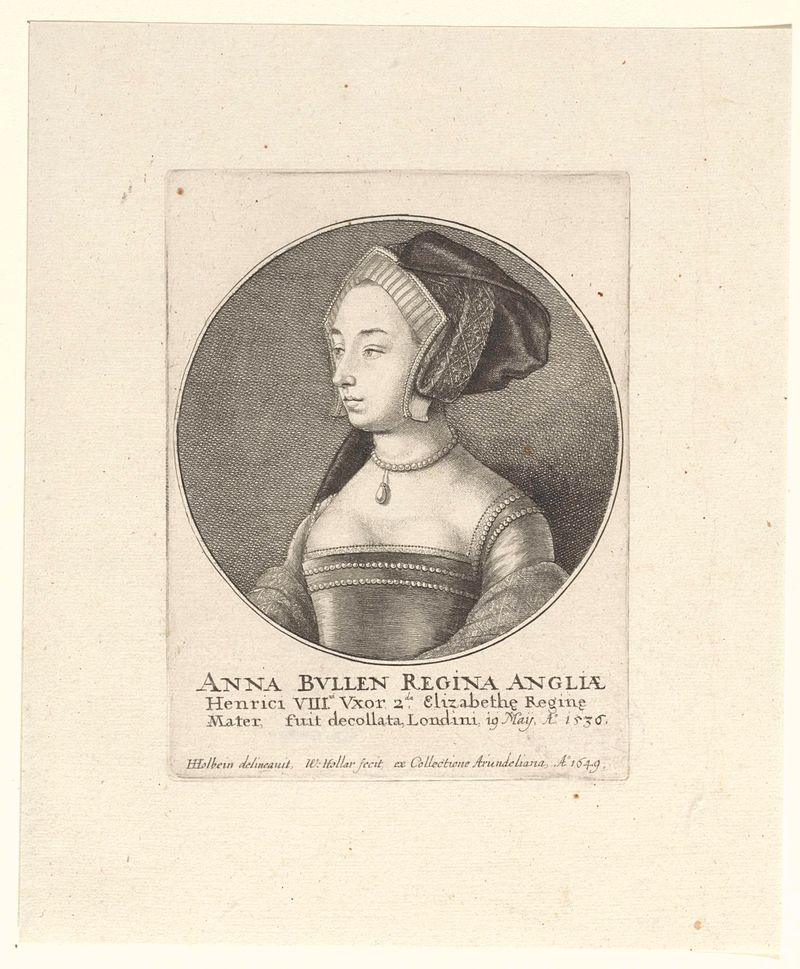
Portret van Anna Boleyn, koningin van Engeland
Wenceslaus Hollar
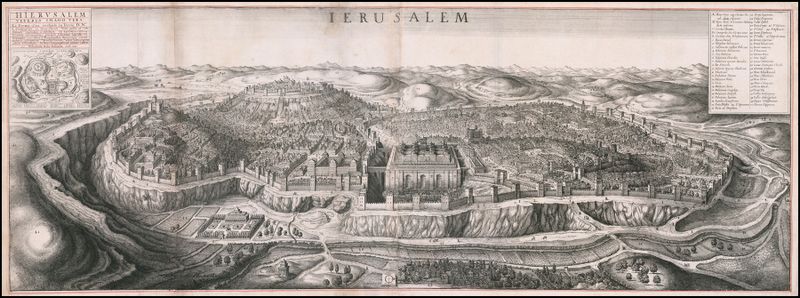
Bird’s eye view of Jerusalem
Wenceslaus Hollar
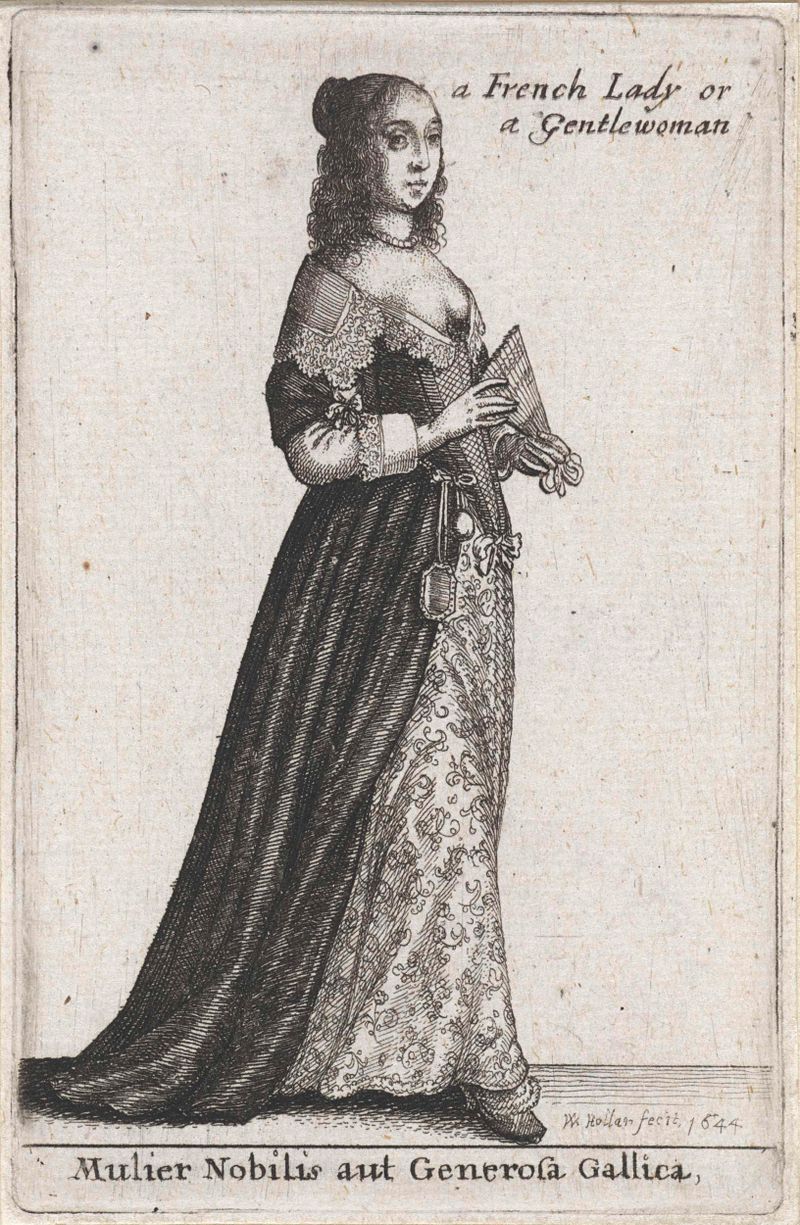
Mulier Nobilis aut Generosa Gallica / a French Lady or Gentlewoman
Wenceslaus Hollar
Titelprent voor: Ornatus Muliebris Anglicanus
Wenceslaus Hollar
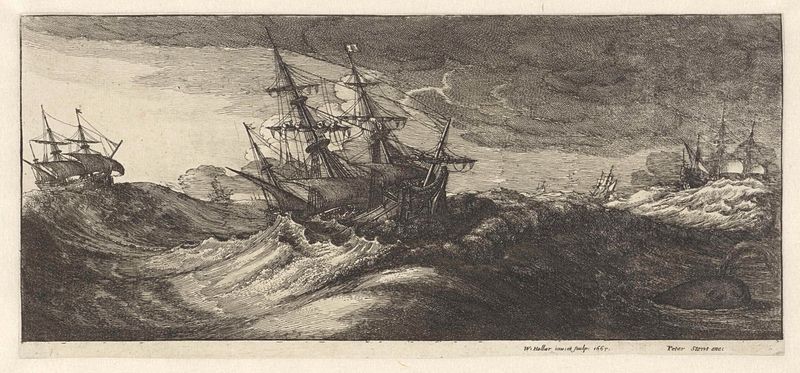
Oorlogsschepen en een walvis in een zeestorm
Wenceslaus Hollar
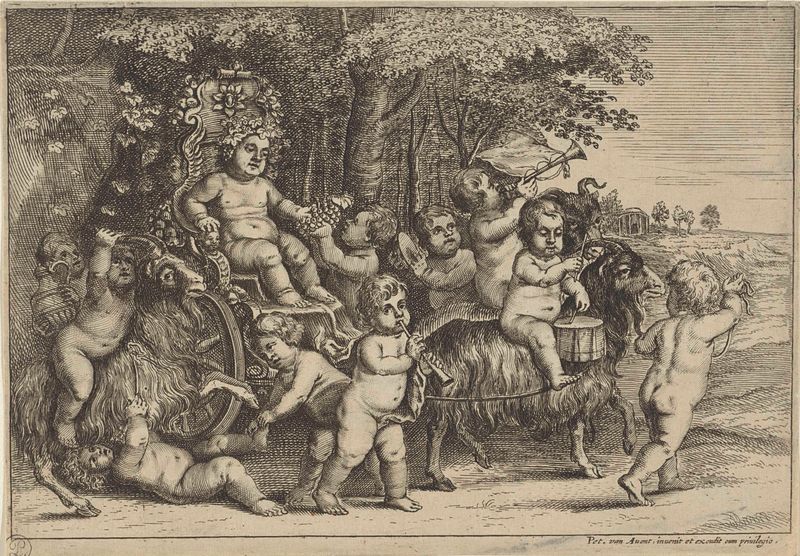
Optocht van bacchant en jongetjes op geiten
Wenceslaus Hollar
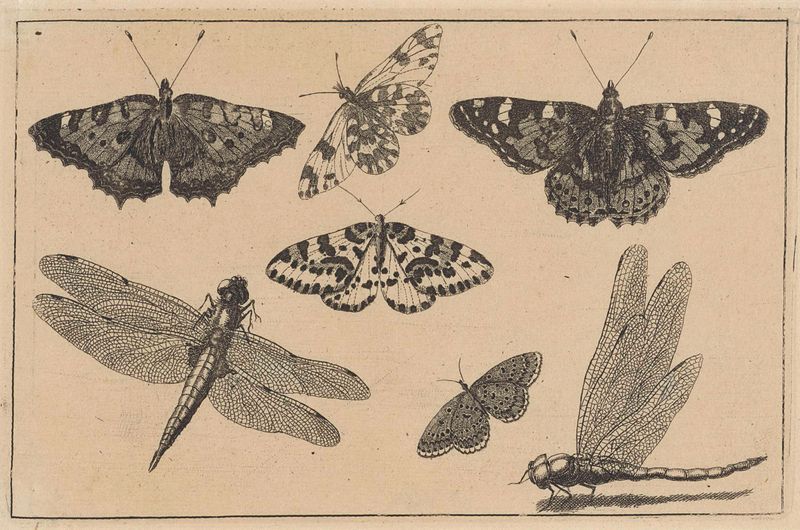
Twee libellen en vijf vlinders
Wenceslaus Hollar
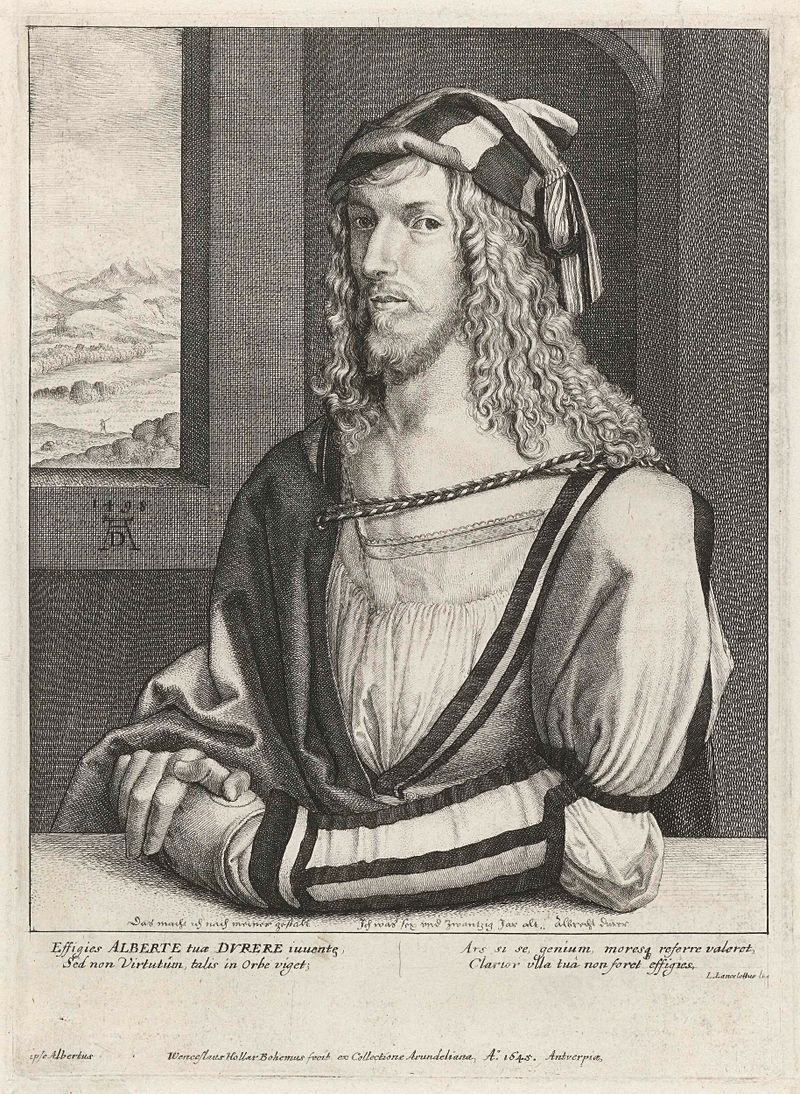
Portret van Albrecht Dürer
Wenceslaus Hollar
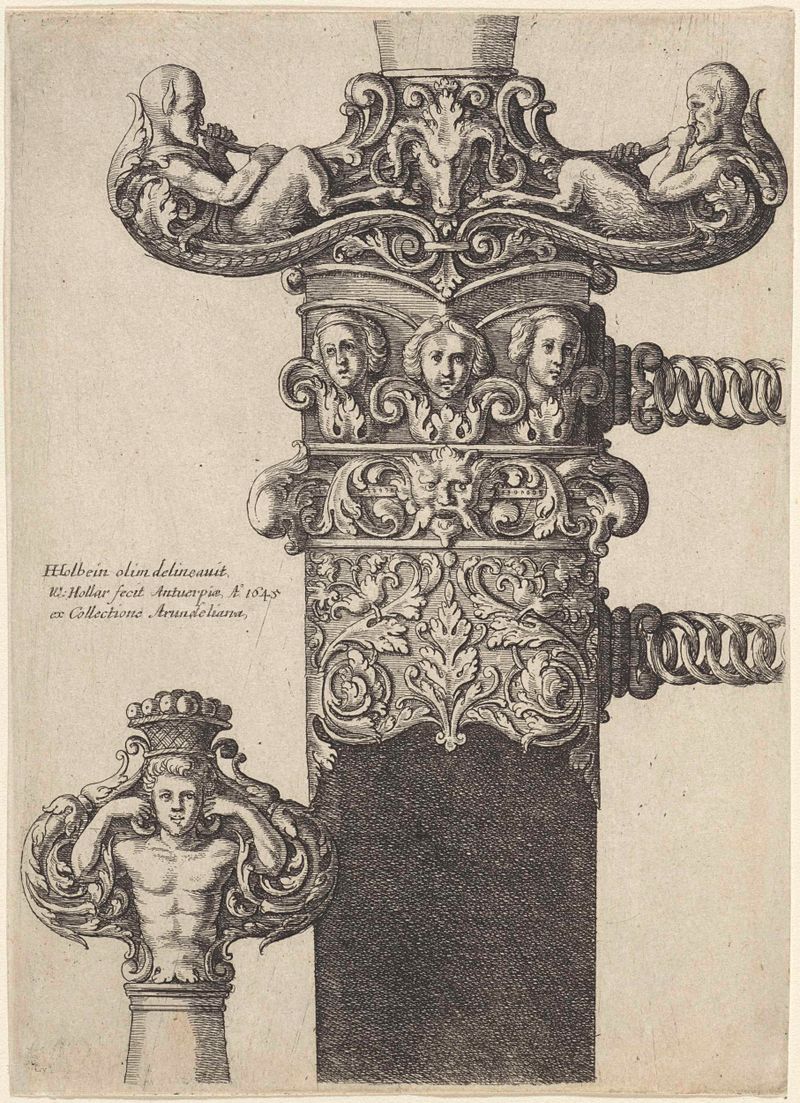
Ornamenteel ontwerp voor een dolk
Wenceslaus Hollar
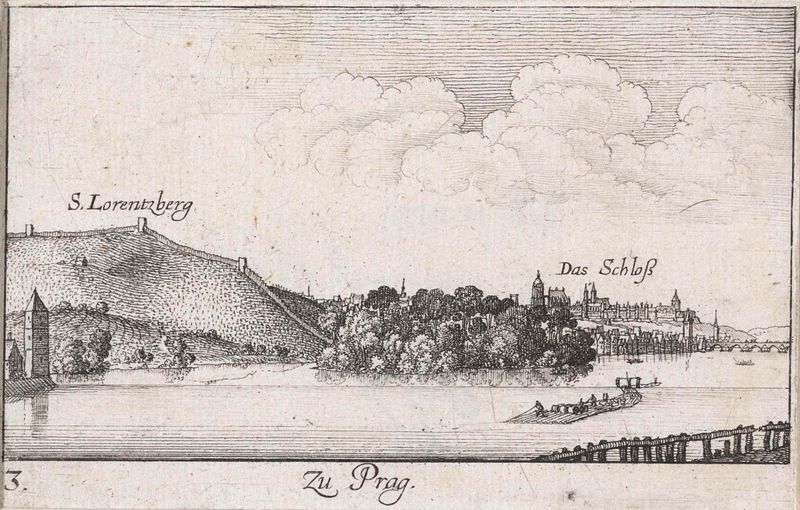
Gezicht op Praag vanaf de Moldau
Wenceslaus Hollar
More Portrait Art
Browse all →
Las meninas
Diego Velázquez

Self-portrait with a Bandaged Ear and Pipe
Unidentified artist

Girl with a Pearl Earring
Johannes Vermeer

The Sampling Officials of the Amsterdam Drapers’ Guild, Known as ‘The Syndics’
Rembrandt van Rijn

The Hundred Guilder Print: the man seen on the back in the lower left corner
Rembrandt van Rijn

Portrait of Dr Gachet
Vincent van Gogh