
Ciuis Londinensis melioris qualitatis Vxor / Marchants wife of London — History & Facts
Can beauty exist without sorrow? In Wenceslaus Hollar's Ciuis Londinensis melioris qualitatis Vxor, the delicate balance of life's intricacies is laid bare, inviting us to reflect on the intertwined dance of joy and despair that shapes our destinies. Look to the left at the elegantly adorned figure, standing poised in her fine gown, the intricate lacework catching the soft light. Her expression is serene yet contemplative, hinting at untold stories beneath the surface. The rich colors of her dress contrast with the muted tones of the background, drawing our eyes toward her, a focal point framed by a world that seems to fade away, emphasizing her significance and isolation. The small details reveal layers of meaning—notice the way her hands cradle an object that remains obscured, a symbol of both protection and yearning.
One can sense a disparity between her external beauty and the silent weight of expectation that shadows her gaze. The interplay of light and shadow not only highlights her features but also creates an aura of melancholy, suggesting that her appearance carries the burden of societal norms and personal aspirations. In 1643, Hollar painted this piece while navigating the upheaval of the English Civil War, a time when artists grappled with identity and purpose amidst chaos. Living in London, he captured the essence of his era's complex social fabric, using his keen observational skills to portray the nuances of human emotion, reflecting the turbulent world around him through the lens of individual experience.
More Artworks by Wenceslaus Hollar
Browse all →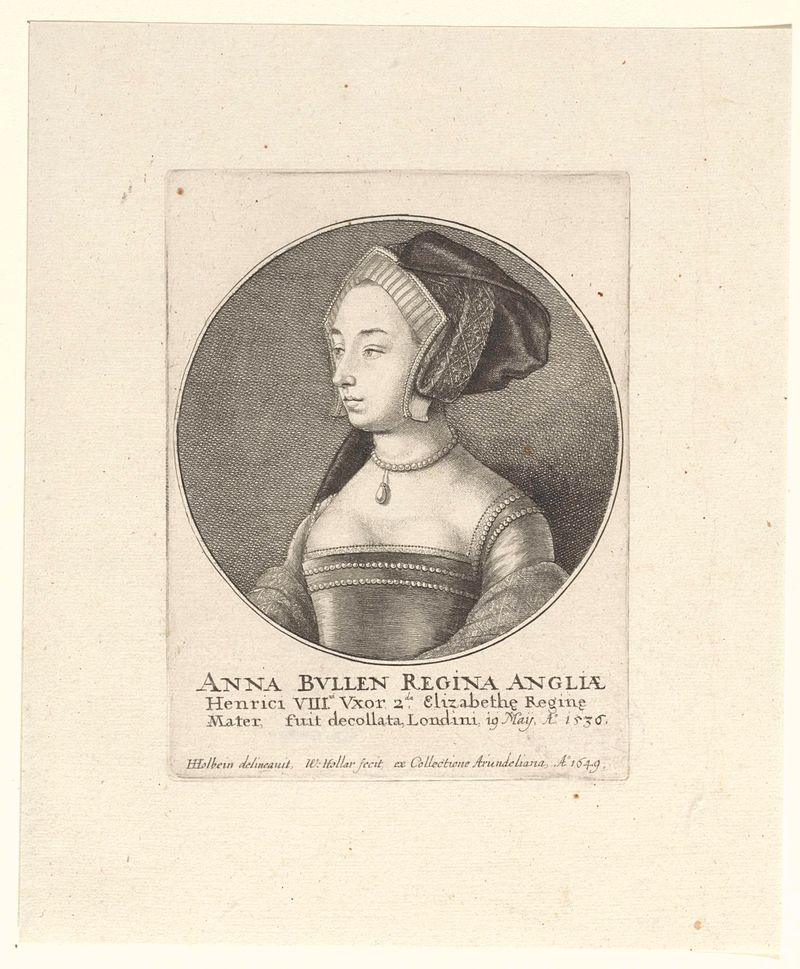
Portret van Anna Boleyn, koningin van Engeland
Wenceslaus Hollar
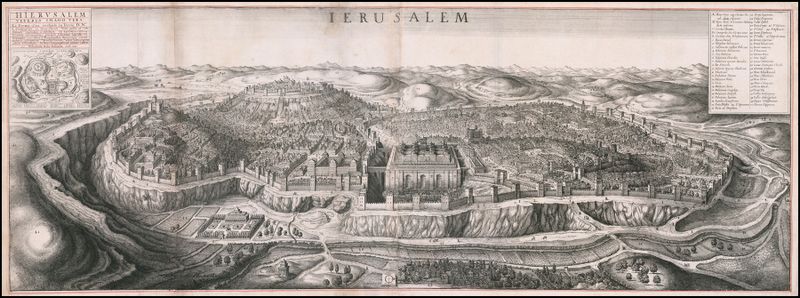
Bird’s eye view of Jerusalem
Wenceslaus Hollar
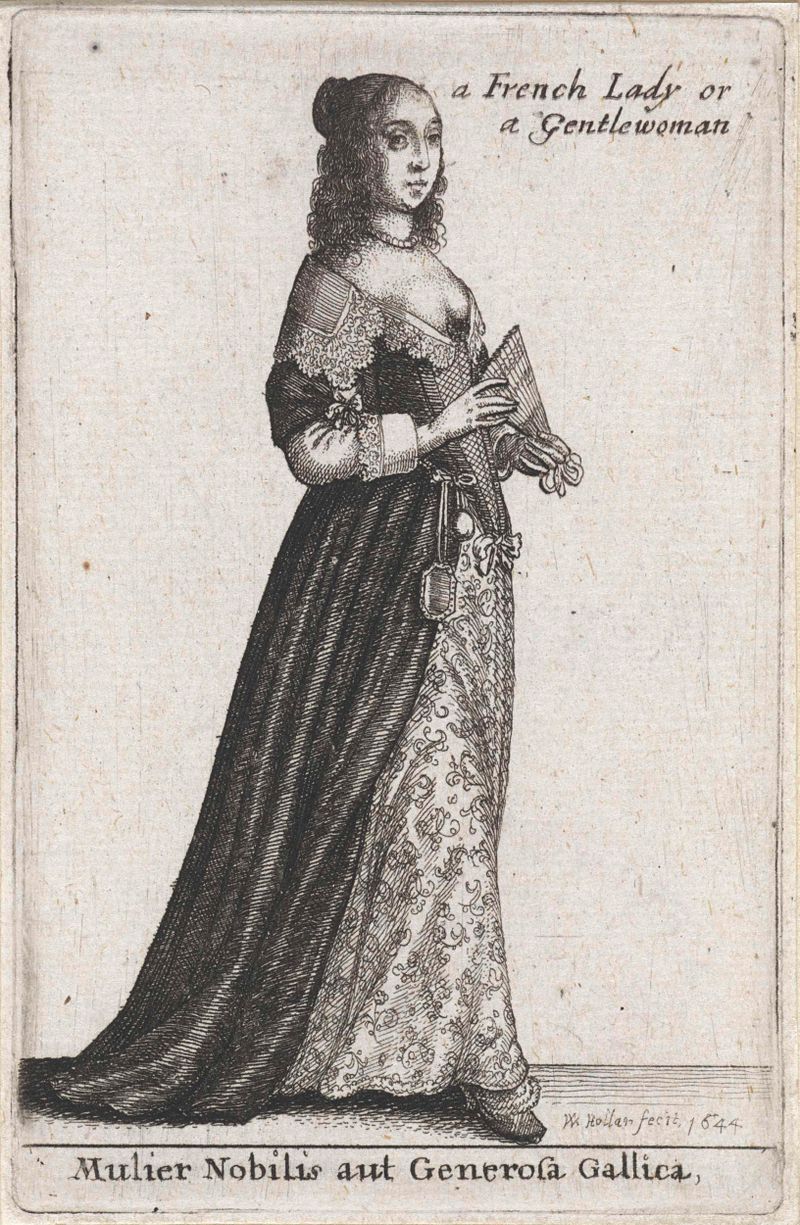
Mulier Nobilis aut Generosa Gallica / a French Lady or Gentlewoman
Wenceslaus Hollar
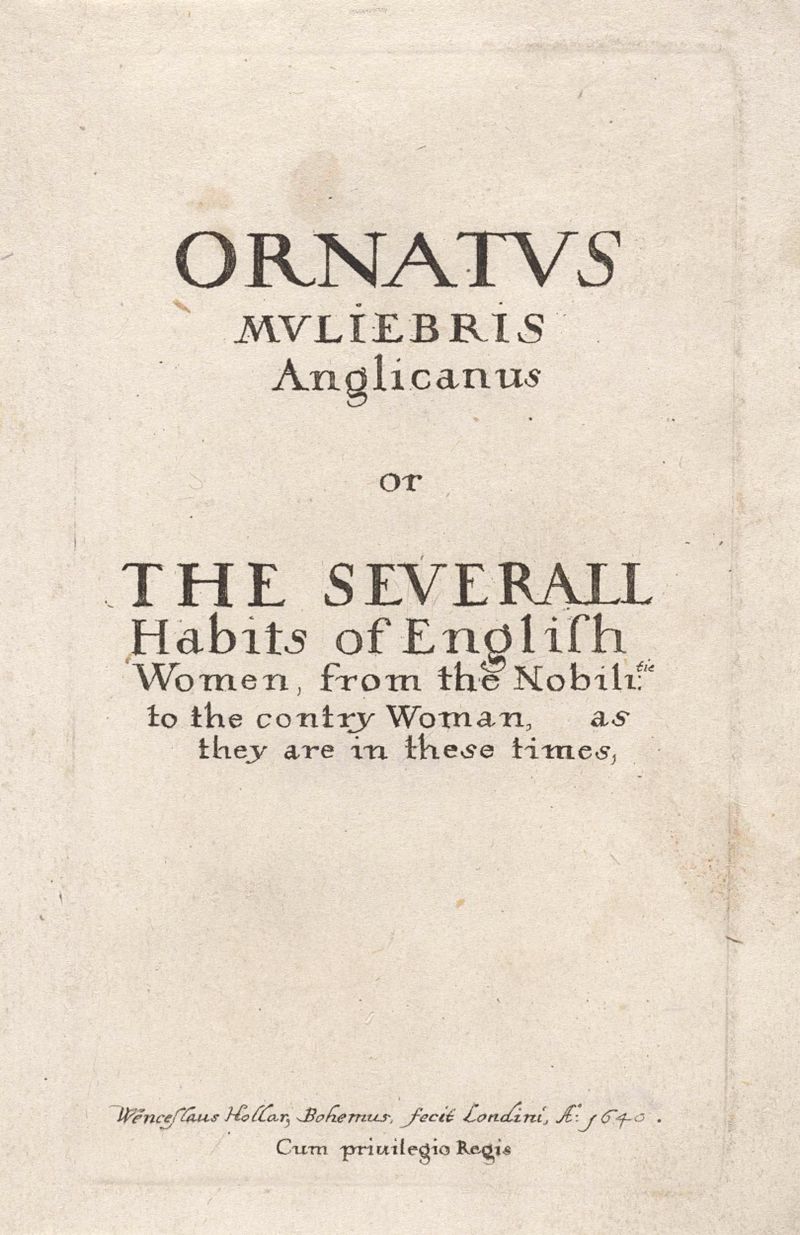
Titelprent voor: Ornatus Muliebris Anglicanus
Wenceslaus Hollar
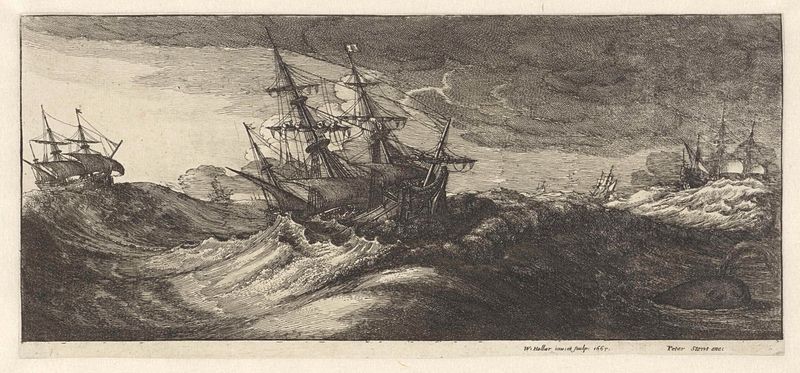
Oorlogsschepen en een walvis in een zeestorm
Wenceslaus Hollar
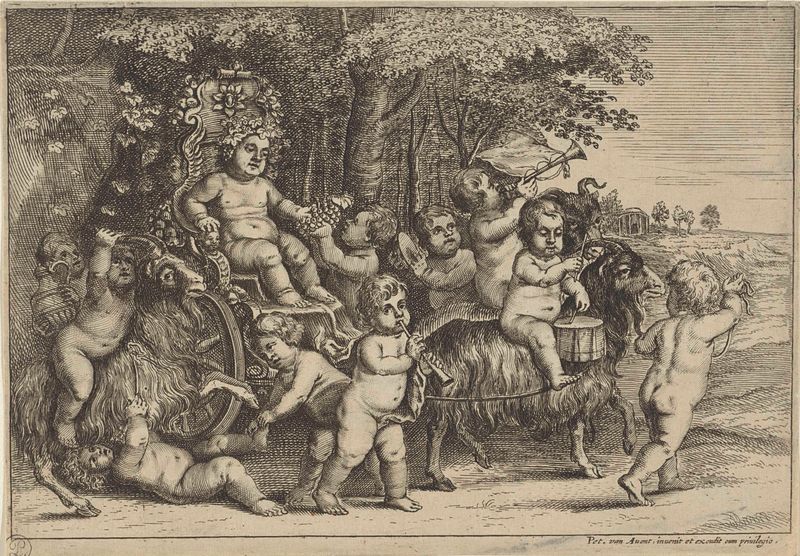
Optocht van bacchant en jongetjes op geiten
Wenceslaus Hollar
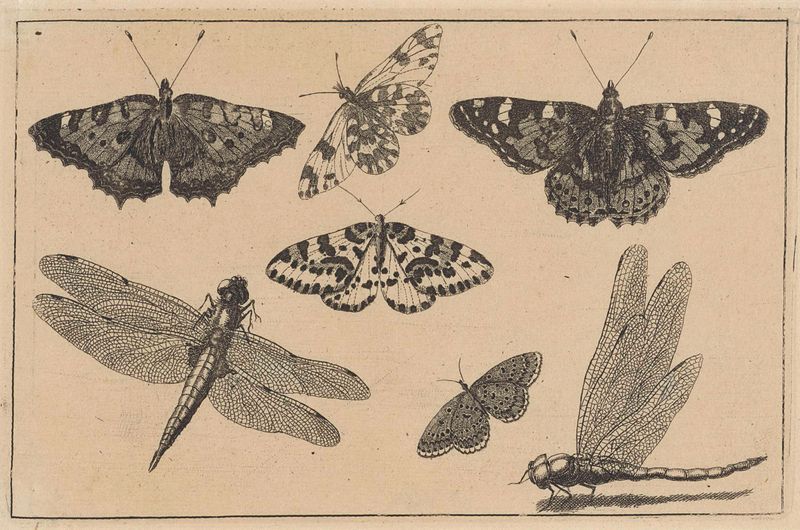
Twee libellen en vijf vlinders
Wenceslaus Hollar
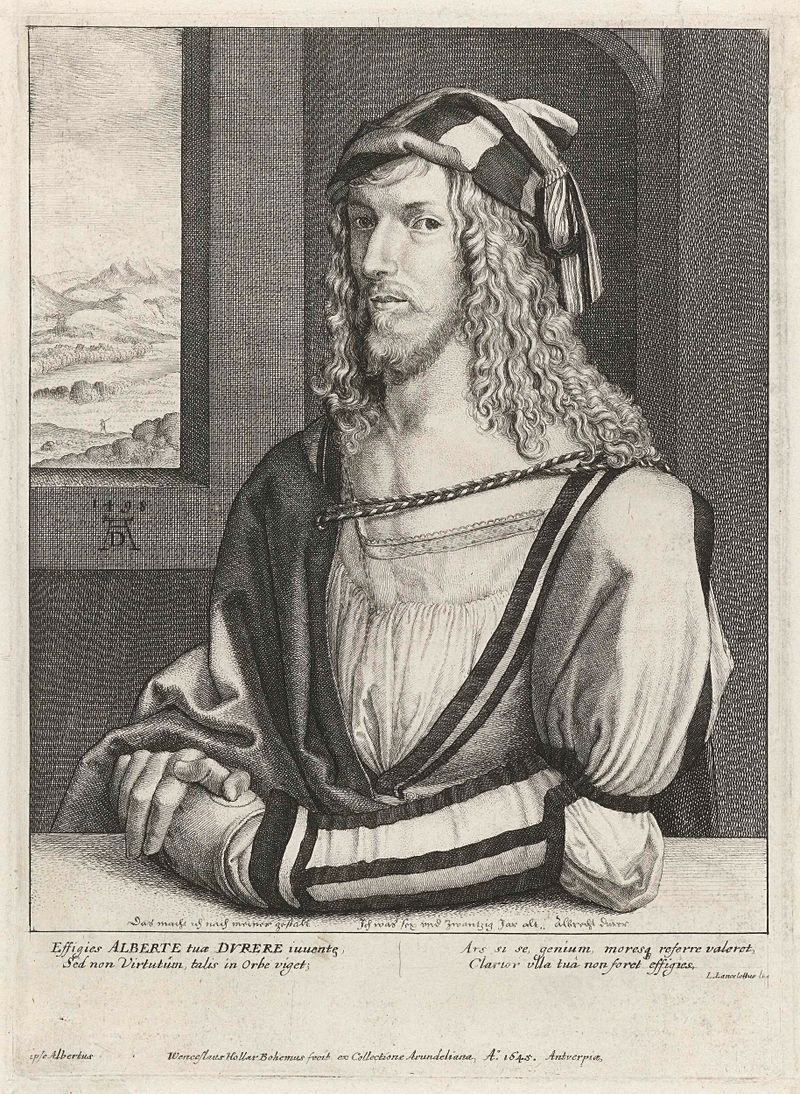
Portret van Albrecht Dürer
Wenceslaus Hollar
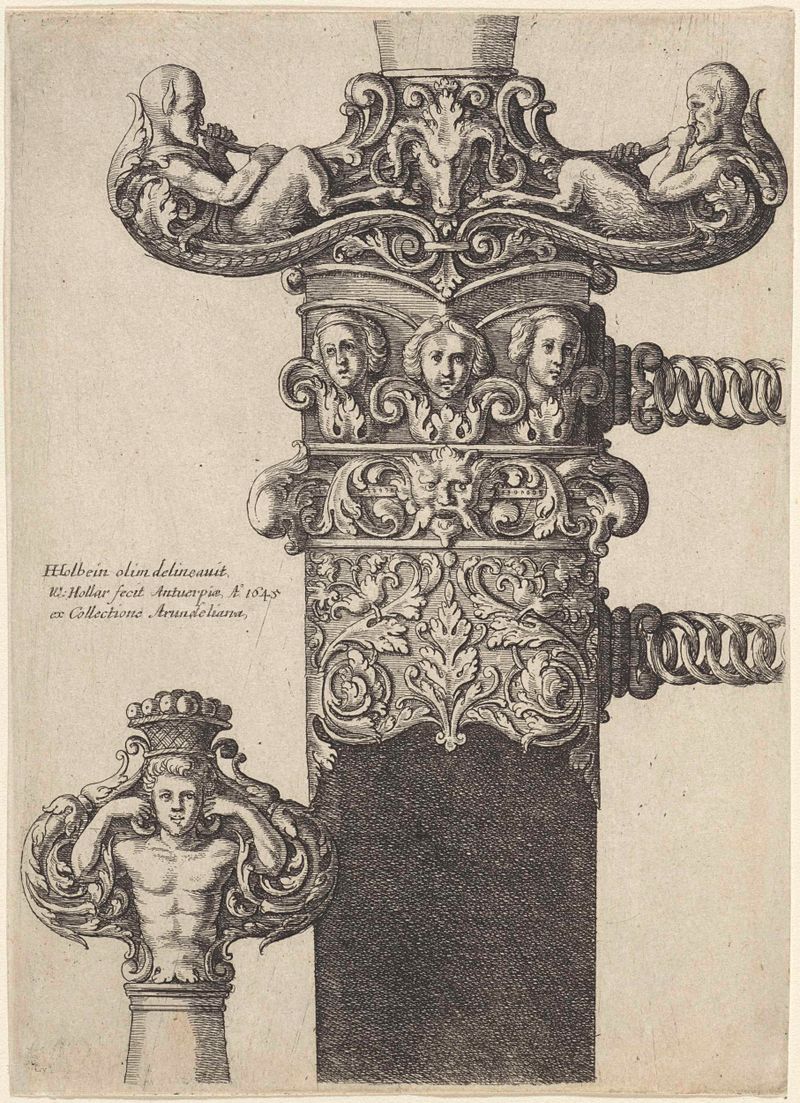
Ornamenteel ontwerp voor een dolk
Wenceslaus Hollar
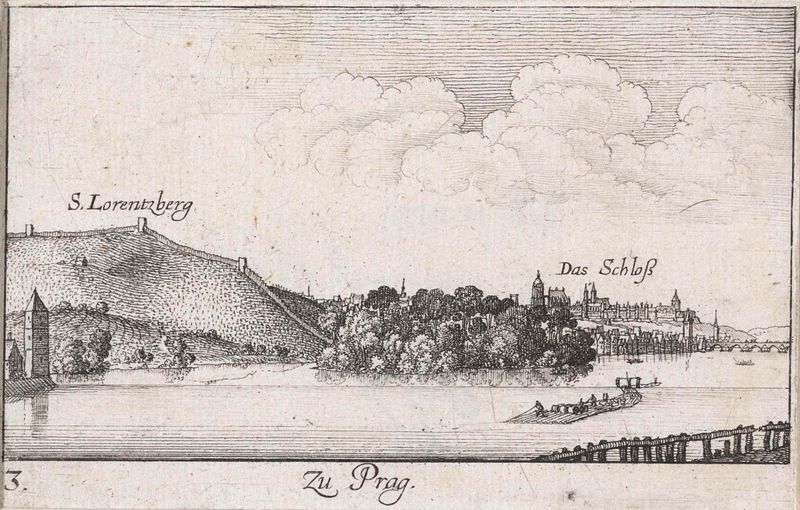
Gezicht op Praag vanaf de Moldau
Wenceslaus Hollar
More Portrait Art
Browse all →
Las meninas
Diego Velázquez

Self-portrait with a Bandaged Ear and Pipe
Unidentified artist

Girl with a Pearl Earring
Johannes Vermeer

The Sampling Officials of the Amsterdam Drapers’ Guild, Known as ‘The Syndics’
Rembrandt van Rijn

The Hundred Guilder Print: the man seen on the back in the lower left corner
Rembrandt van Rijn

Portrait of Dr Gachet
Vincent van Gogh