
Clearing Weather at Awazu — History & Facts
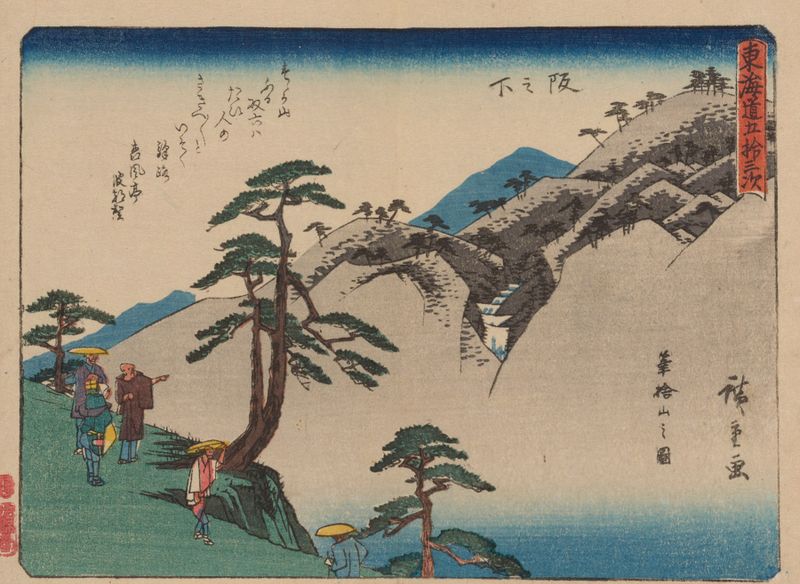
In the quiet spaces between the clouds, hope flickers like sunlight breaking through a storm. In Clearing Weather at Awazu, a serene landscape unfolds, inviting viewers to explore the delicate balance between nature’s fury and its tranquility. Look to the center of the canvas, where a sweeping vista of rolling hills meets a brightening sky. Notice how the subdued hues of gray shift to soft blues and whites, as if the heavens themselves exhale after a fierce tempest.
The composition elegantly draws the eye toward the horizon, where a distant city emerges, suggesting life and continuity amidst the stormy past. The detailed brushwork captures moments of atmospheric transition, evoking a sense of calm after chaos. Beneath this serene exterior lies the emotional tension of resilience and rebirth. The way the clouds part symbolizes the passage of turmoil into peace, reflecting an unwavering faith in nature's cycles.
The scattered figures in the foreground, dwarfed by the expansive landscape, embody humanity’s small yet significant place within this vastness, signifying both vulnerability and endurance against life’s uncertainties. In 1857, Hiroshige created this work during a time when Japan was experiencing significant social and political change. The artist was in his later years, reflecting on his rich career while navigating the evolving world of ukiyo-e prints. As he captured the essence of transient beauty in this landscape, he also echoed the sentiments of a nation on the brink of modernity, inviting viewers to reconsider their own faith in the stability of life.
More Artworks by Utagawa Hiroshige
Browse all →
Sudden Shower over Shin Ohashi Bridge and Atake (Ohashi Atake no yudachi), from the series "One Hundred Famous Views of Edo (Meisho Edo hyakkei)"
Utagawa Hiroshige
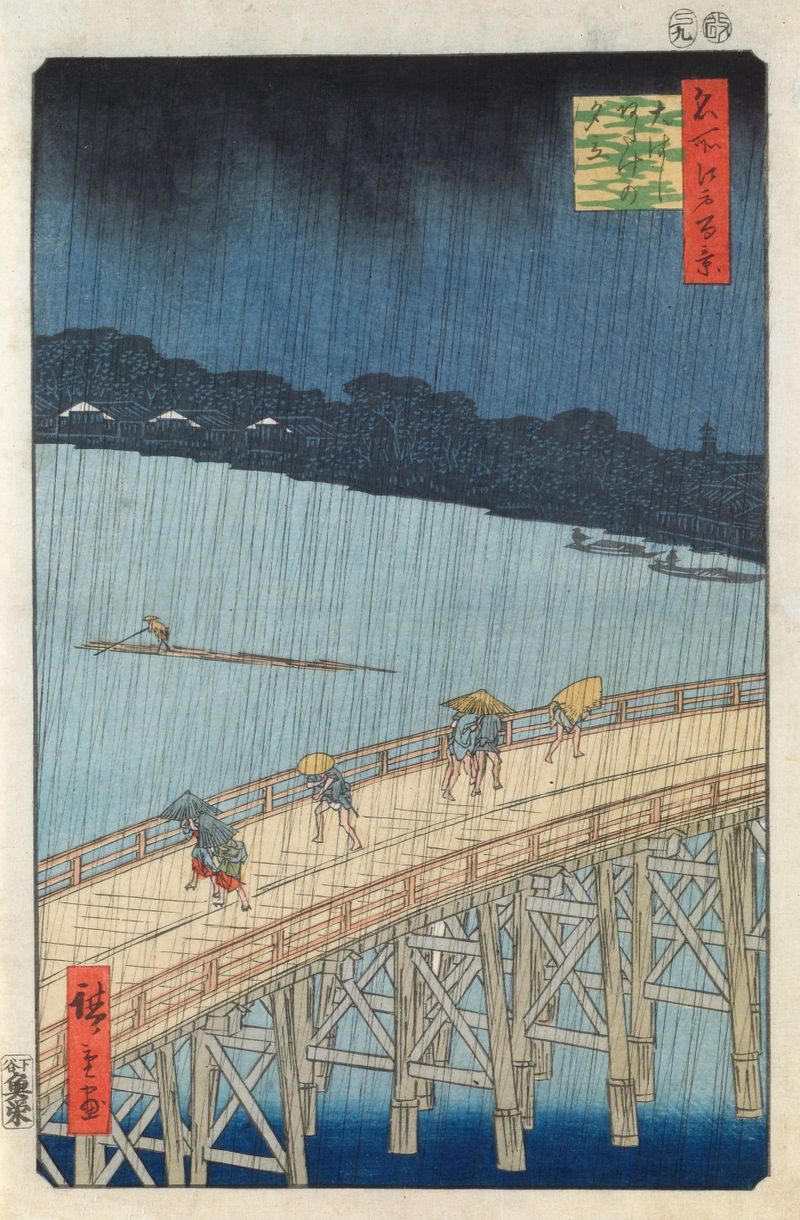
Sudden Shower Over Ohashi Bridge and Atake
Utagawa Hiroshige
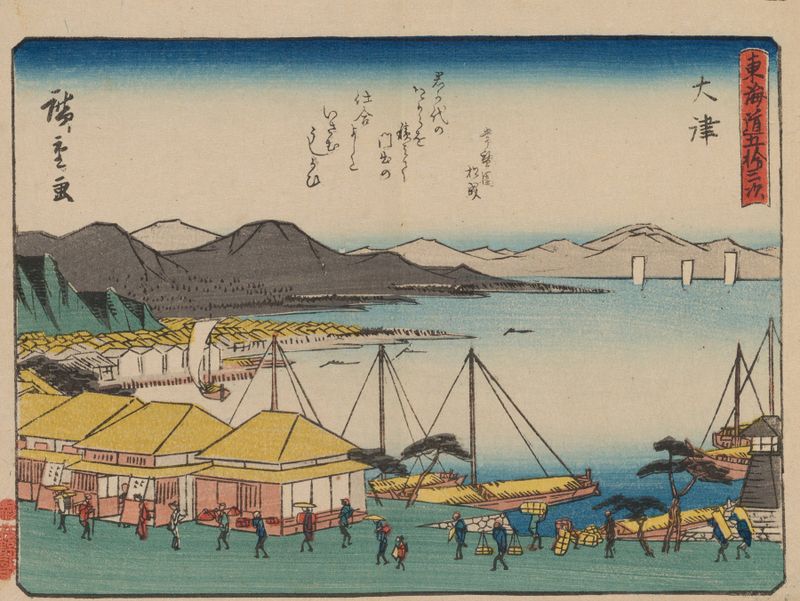
Tokaido gojusantsugi, Pl.54
Utagawa Hiroshige
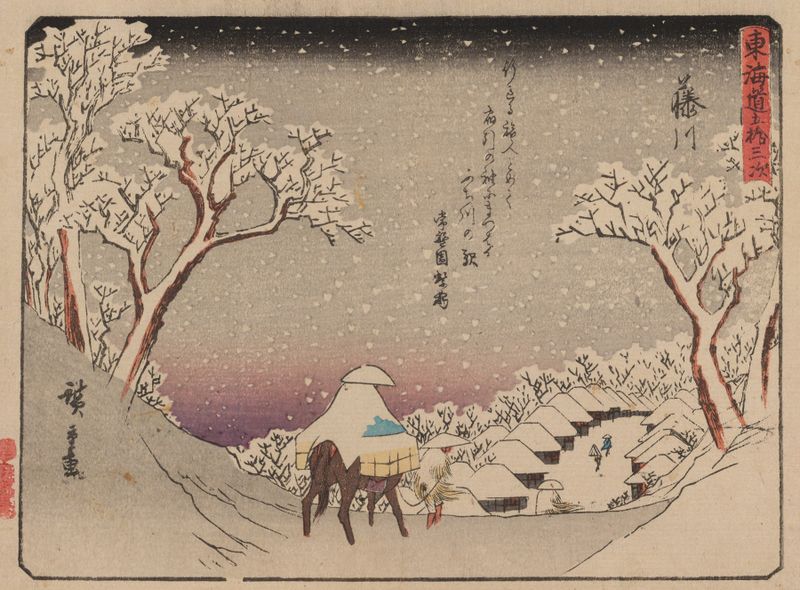
Tokaido gojusantsugi, Pl.38
Utagawa Hiroshige
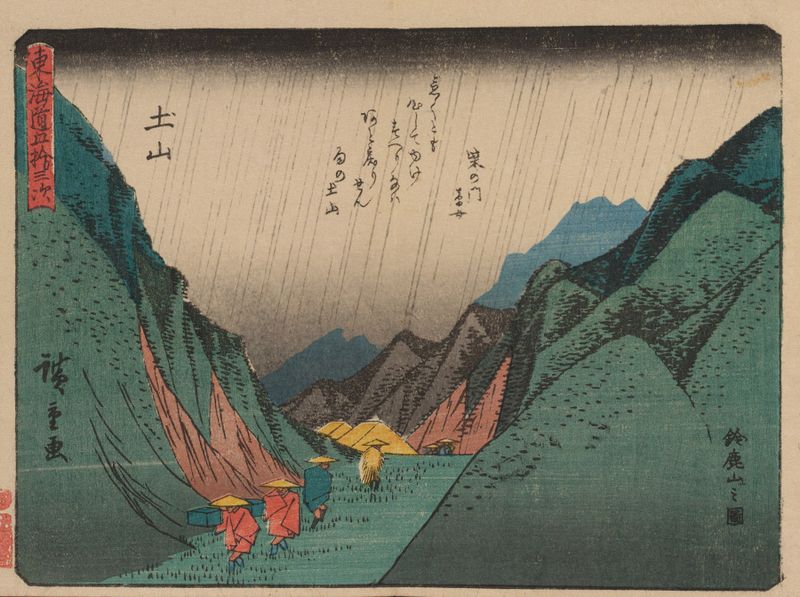
Tokaido gojusantsugi, Pl.50
Utagawa Hiroshige
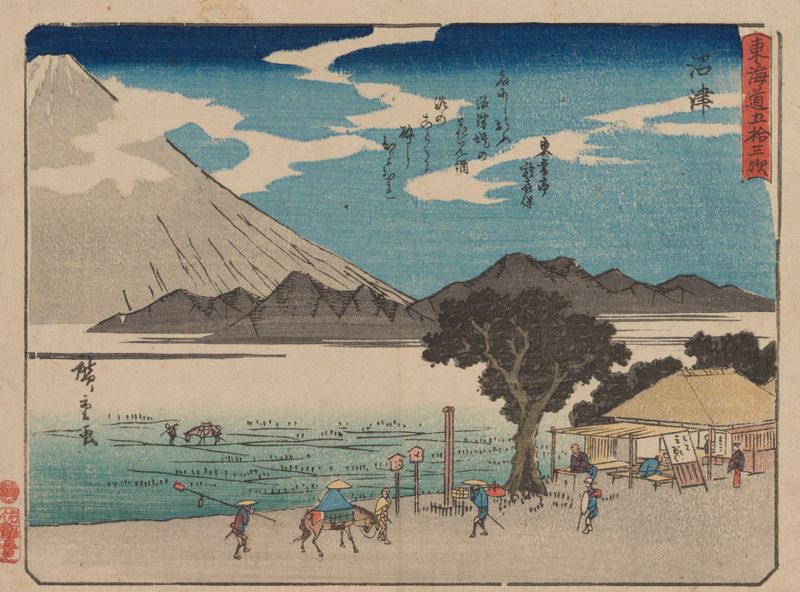
Tokaido gojusantsugi, Pl.13
Utagawa Hiroshige
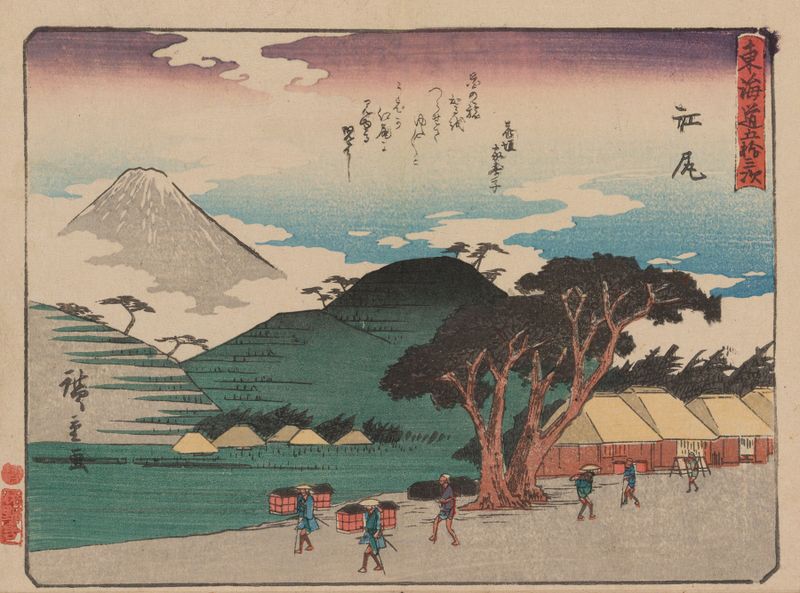
Tokaido gojusantsugi, Pl.19
Utagawa Hiroshige
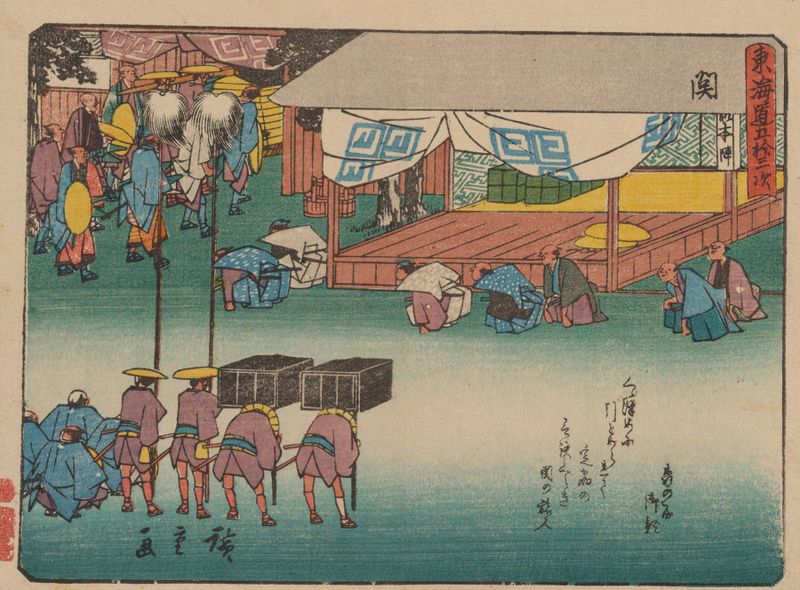
Tokaido gojusantsugi, Pl.48
Utagawa Hiroshige
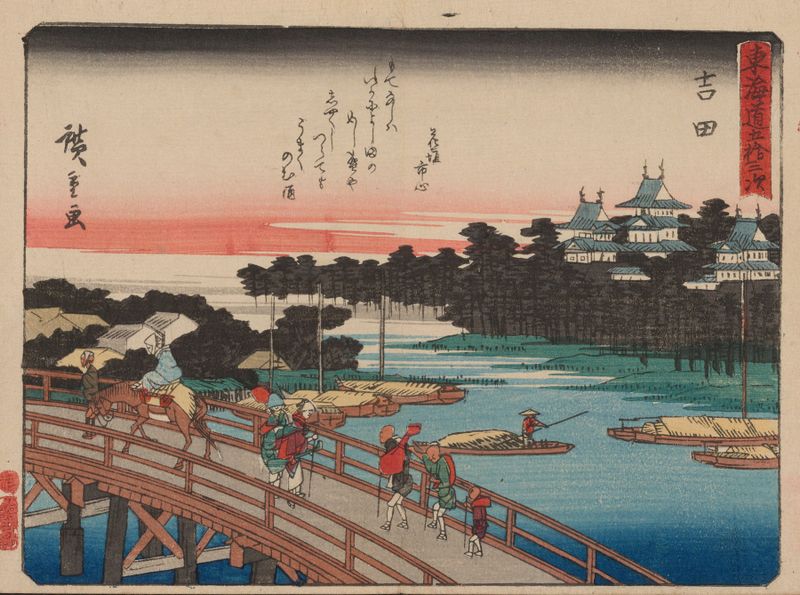
Tokaido gojusantsugi, Pl.35
Utagawa Hiroshige
Tokaido gojusantsugi, Pl.49
Utagawa Hiroshige





