Discover insights about this artwork
Cleft in a Formation of Rocks — History & Facts
This sentiment encapsulates the paradox of creation, where the void births beauty through the deft hand of the artist. In a world often overwhelmed by noise, there exists a deep, resonant silence that begs to be explored. Focus first on the central cleft that splits the rocky plane, drawing your gaze into its depth. The textured strokes evoke a sense of ruggedness, while subtle gradients of color transition from earthy browns to cool grays, suggesting a landscape both harsh and inviting.
Notice how the light dances across the surfaces, illuminating certain crevices and casting shadows that hint at the mysteries held within. There’s a deliberate balance here, an interplay of chaos and composure that invites contemplation. As you delve deeper into the painting, consider the emotional void it represents. The split in the rocks is a metaphor for isolation, yet it also symbolizes a path forward—a reminder that even within the harshest environments, there lies the potential for growth.
The juxtaposition of light and shadow speaks to the struggles we face and the hope that often exists alongside despair, inviting viewers to confront their own dualities in life. Samuel Davis painted this work during a time when the American art scene was evolving, embracing both realism and abstraction. The exact date of the creation remains uncertain, but it was likely during the early to mid-20th century, a period marked by significant societal shifts. Davis, influenced by the changing landscapes of modernity, sought to capture the fleeting moments of beauty found within the rugged contours of nature, reflecting both the tumult of his era and the enduring strength of the human spirit.
More Artworks by Samuel Davis
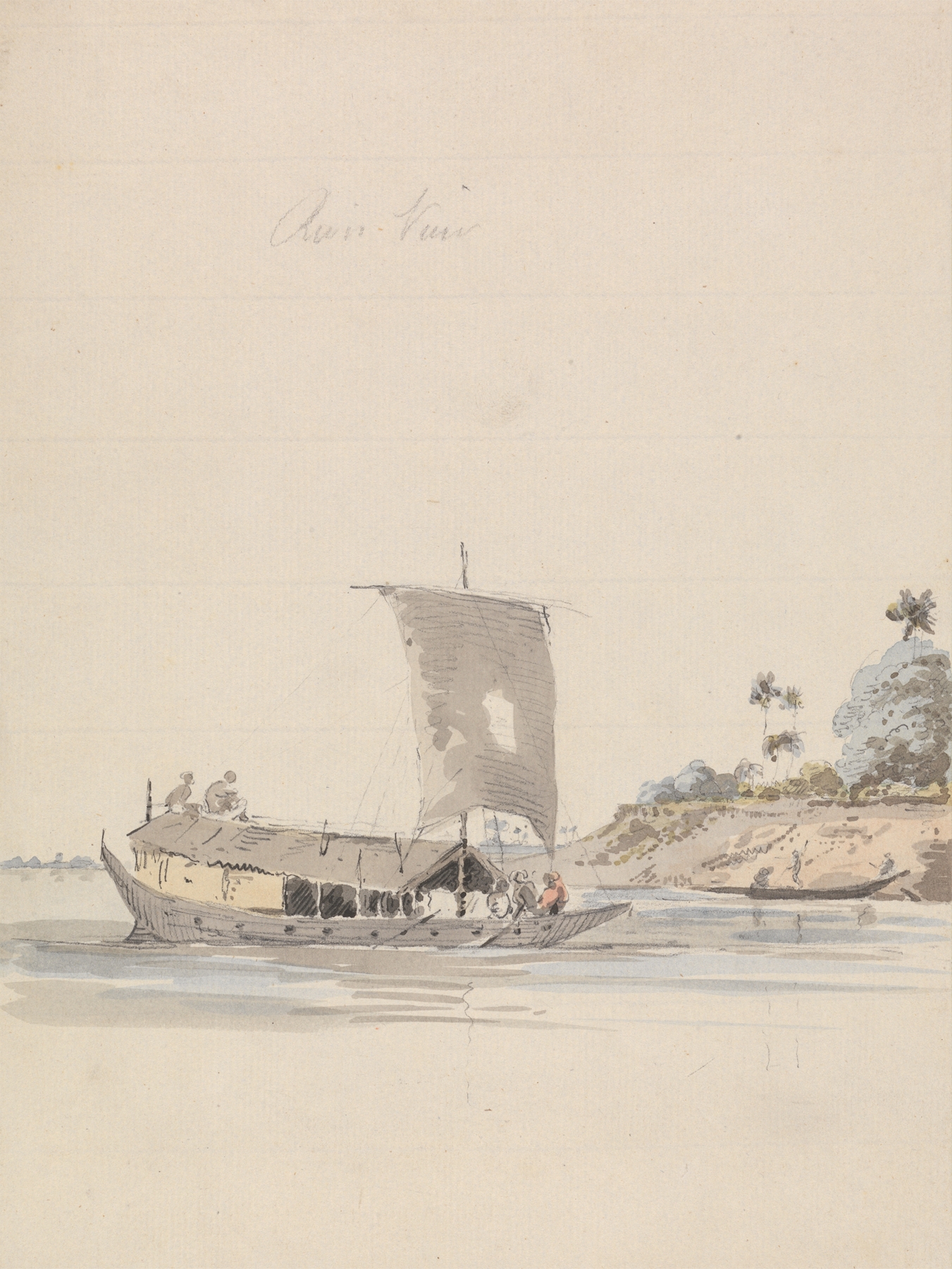
River View with a Junk (near Rajmahal)
Samuel Davis
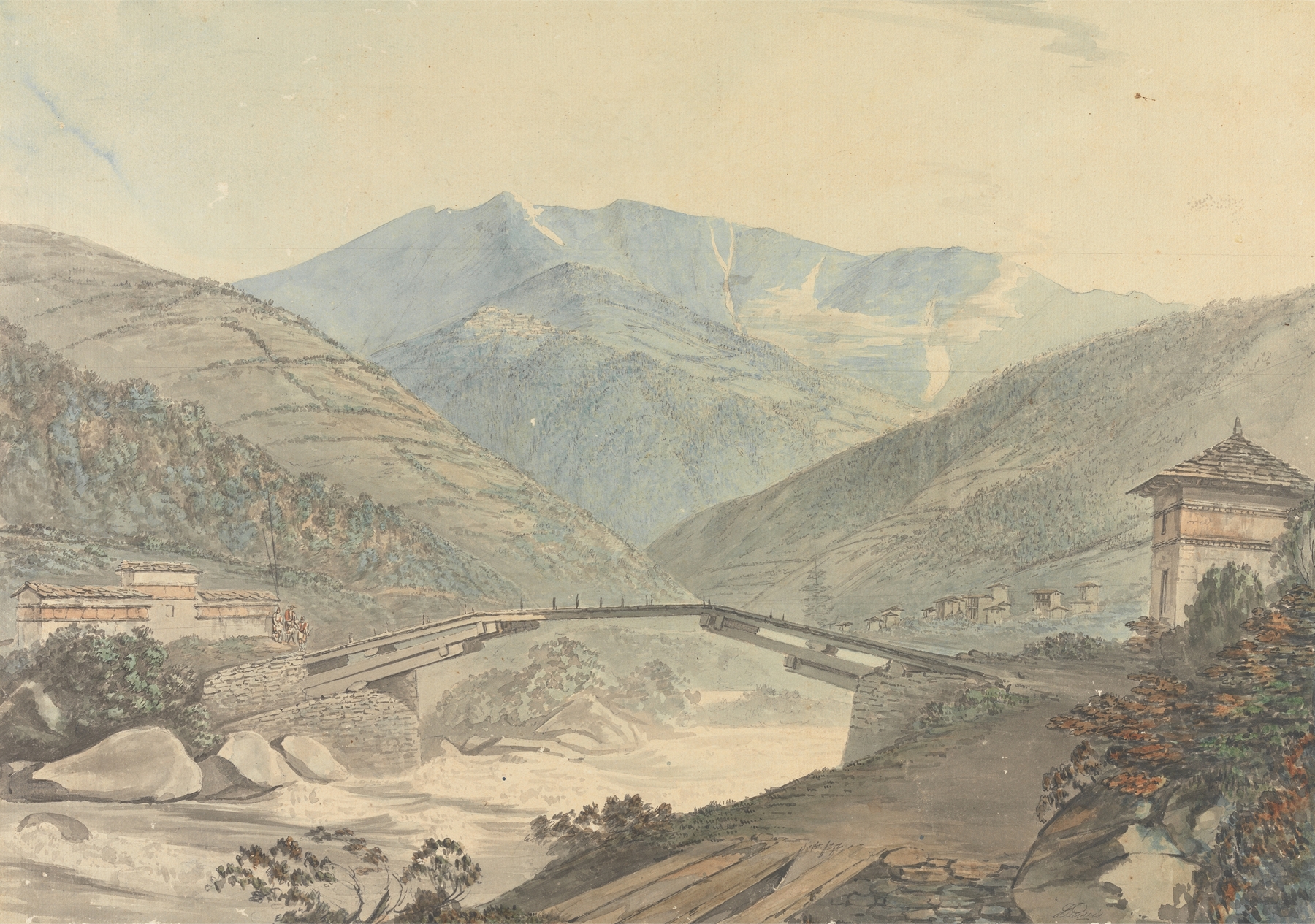
View near Tassisudon [Tashicho Dzong] in Bhutan
Samuel Davis
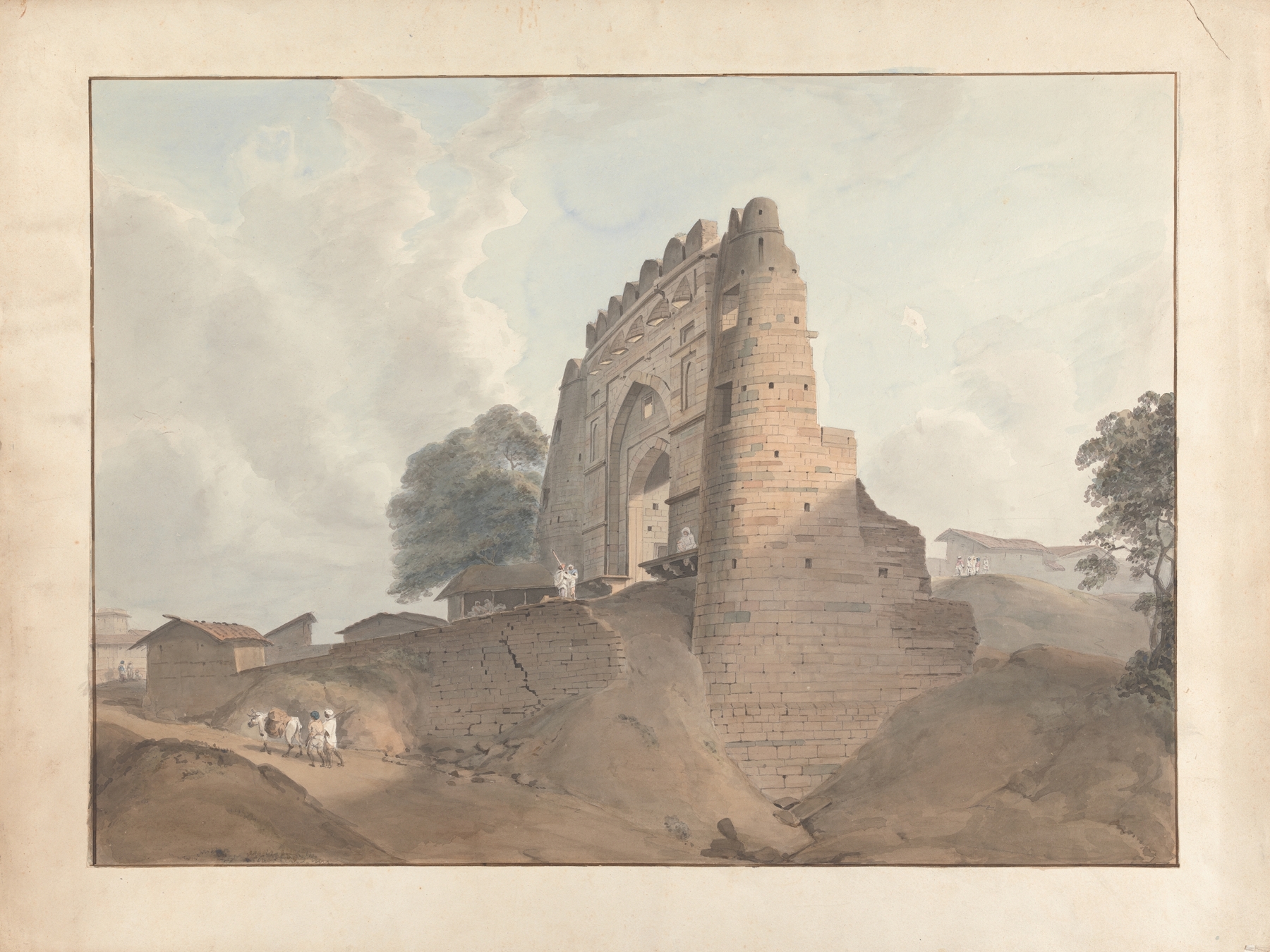
Gate of the Old Fort at Old Benares
Samuel Davis
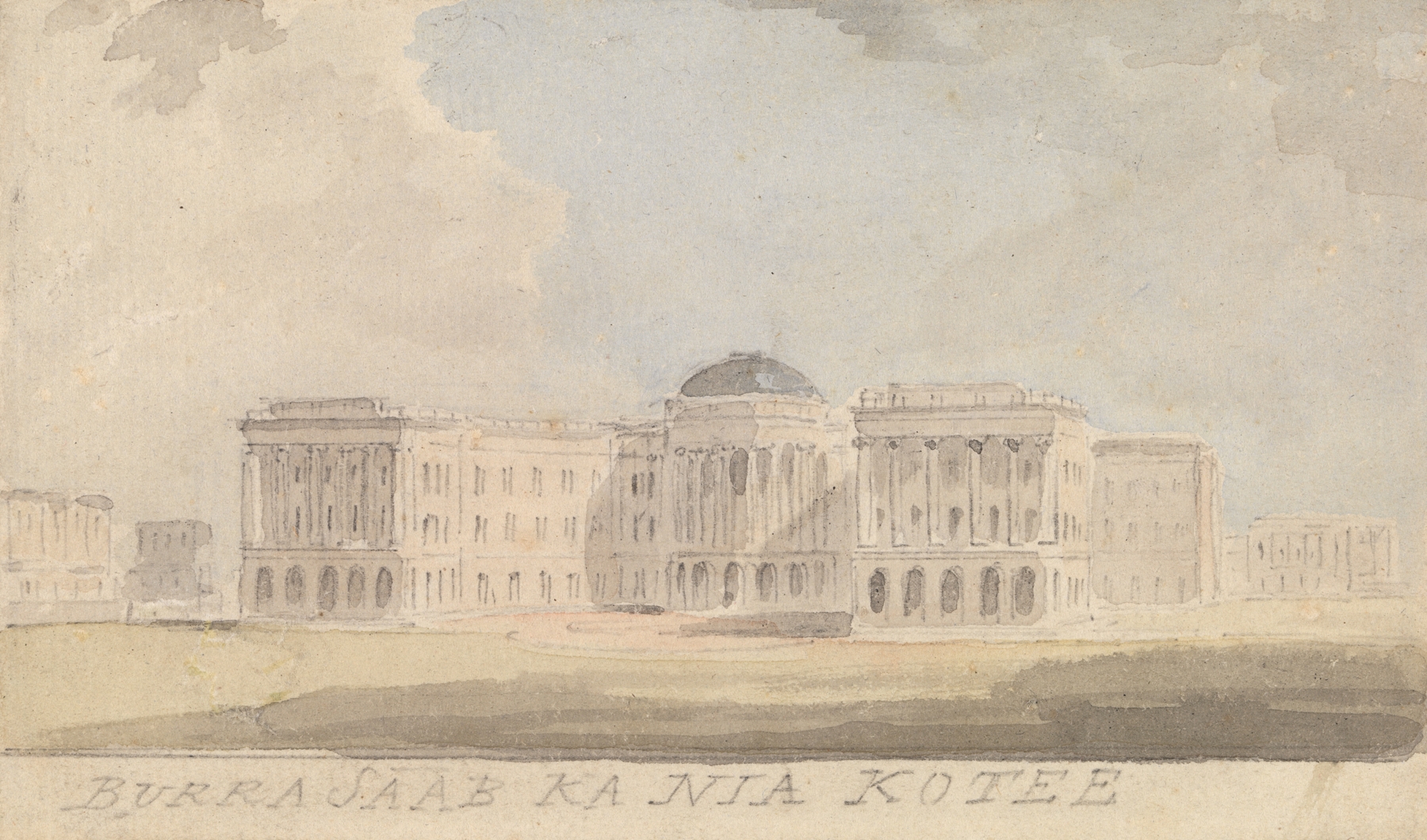
New Government House at Calcutta
Samuel Davis
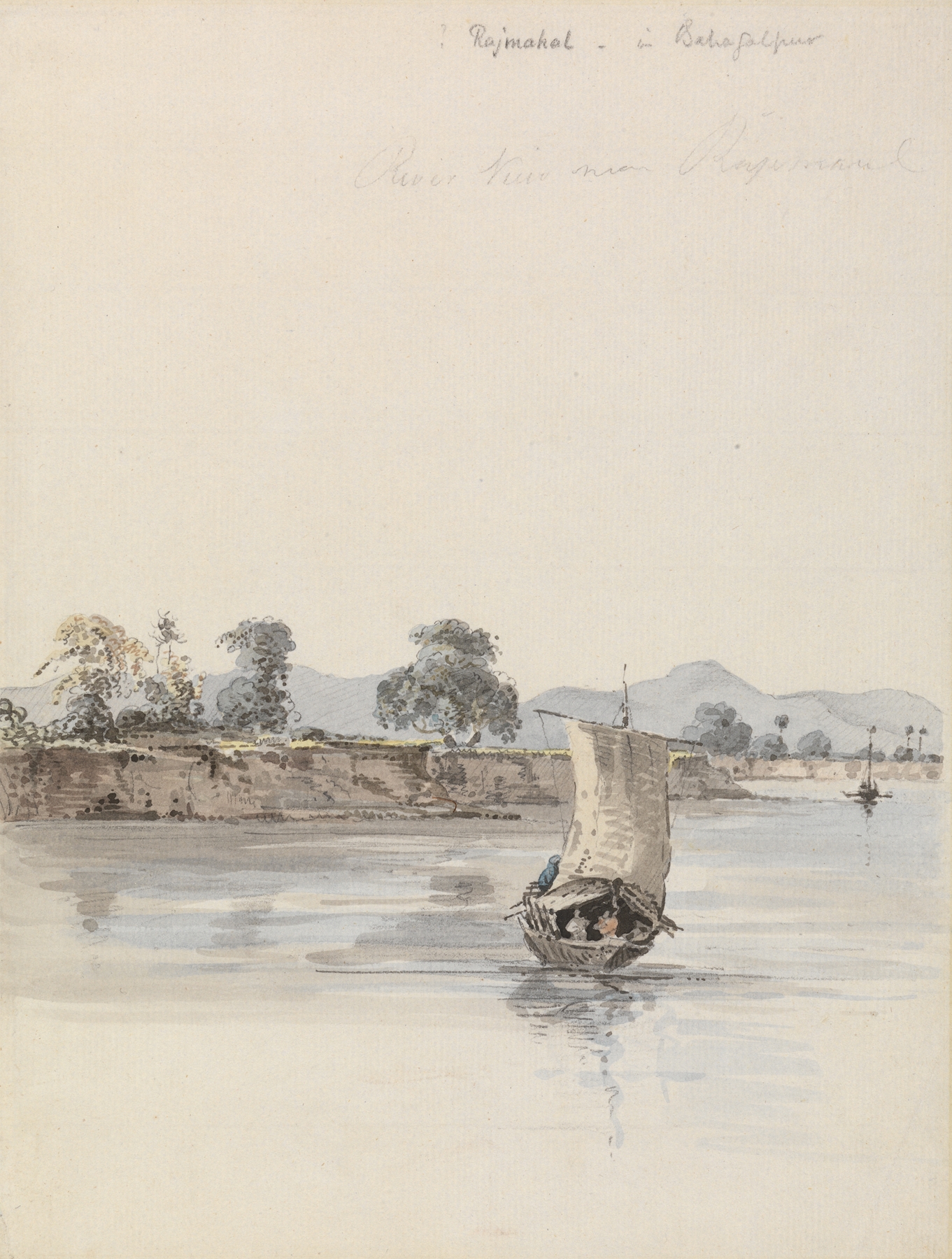
River View near Rajmahal
Samuel Davis
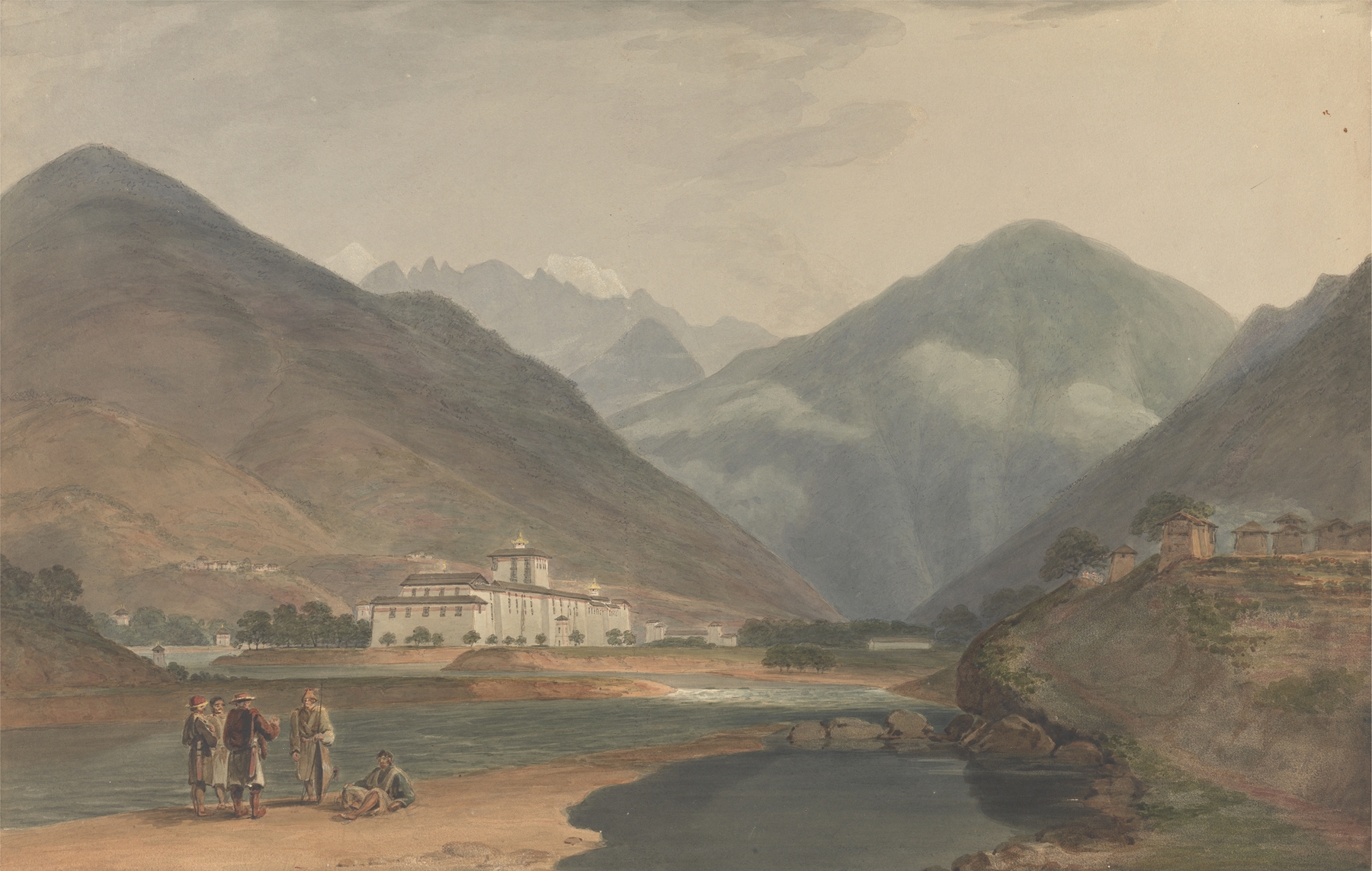
The Former Winter Capital of Bhutan at Punakha Dzong
Samuel Davis
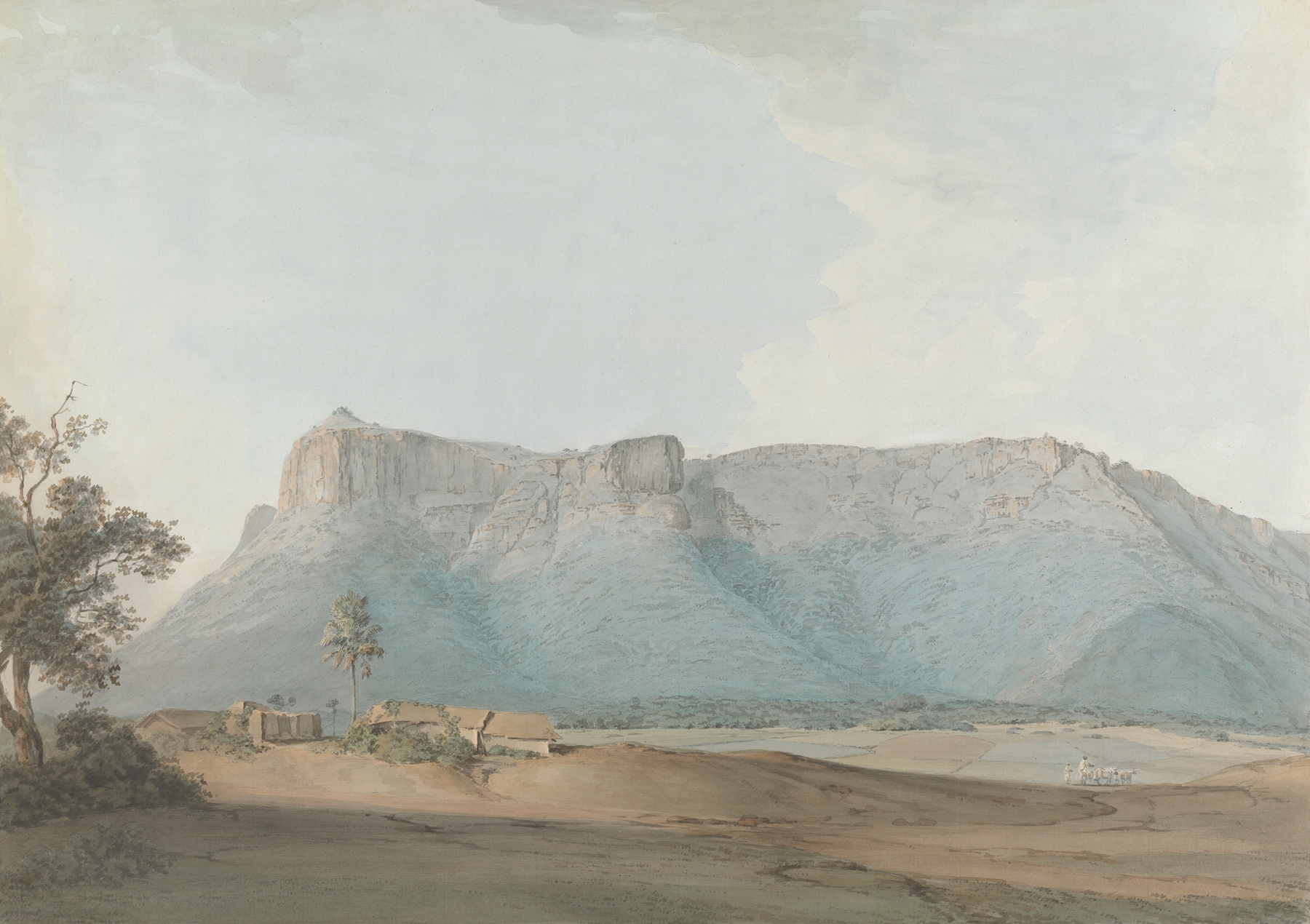
Rhotas from Akberpore
Samuel Davis
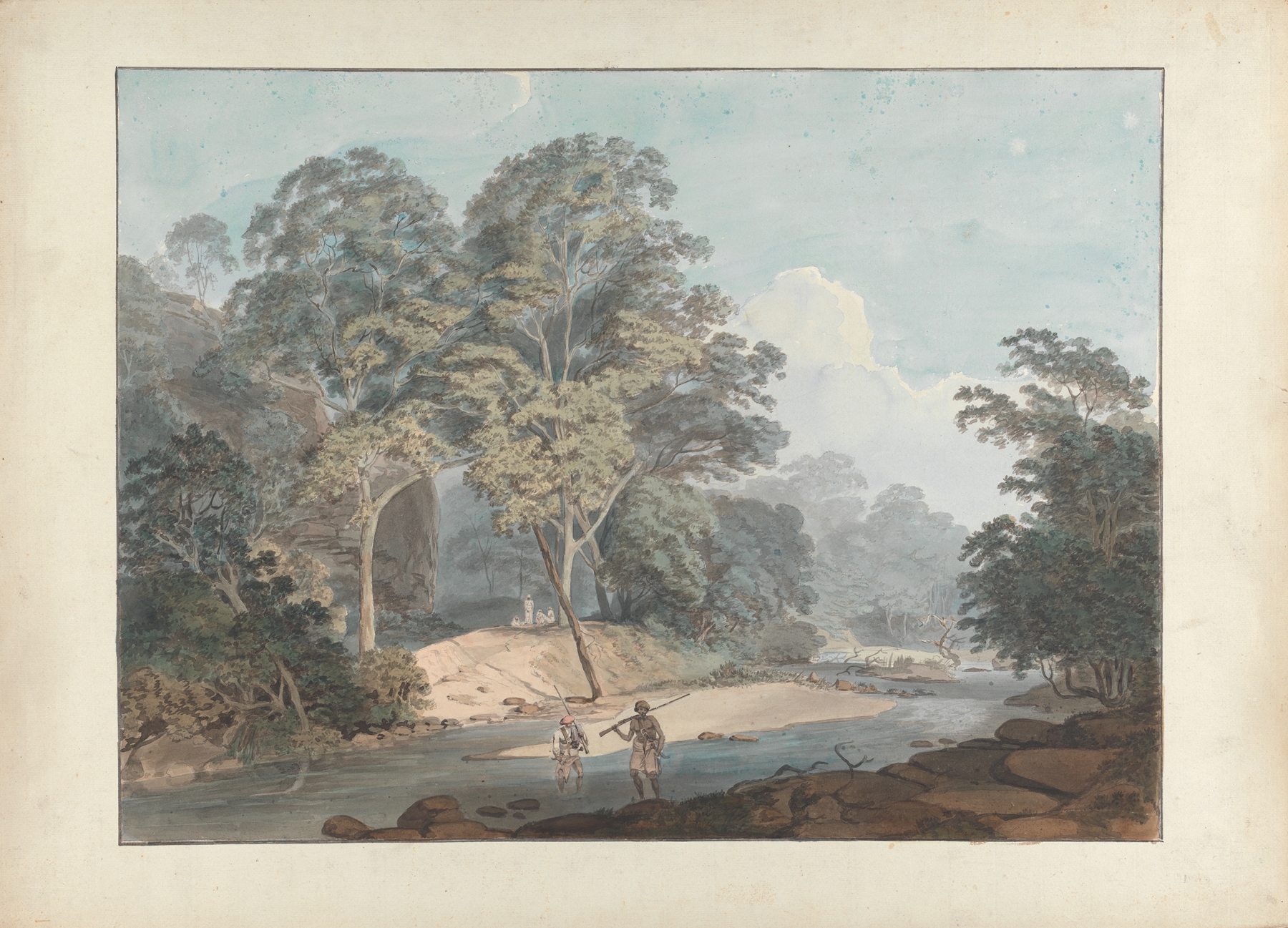
Rocky River Scene with Sepoys
Samuel Davis
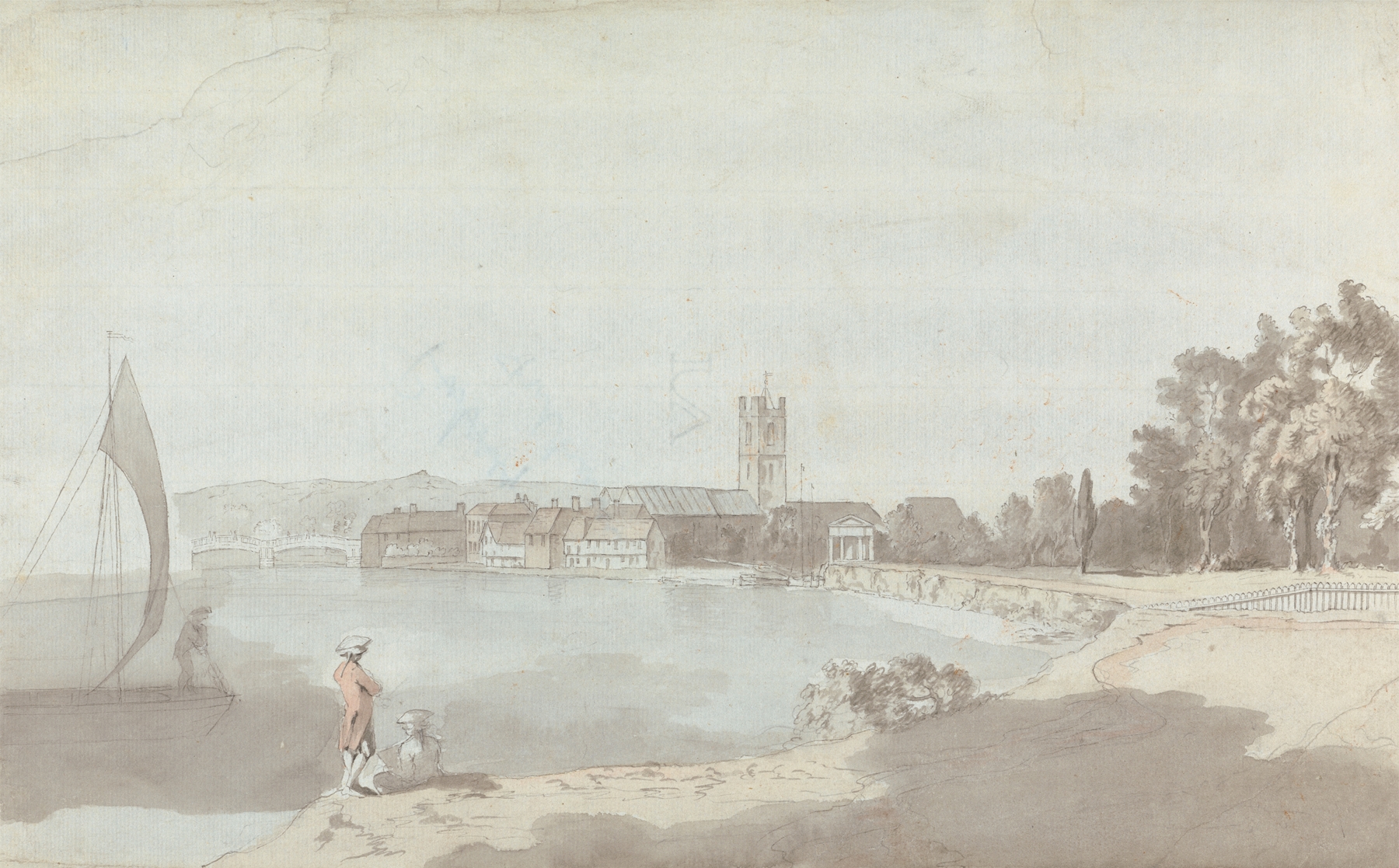
West Country Town by a River
Samuel Davis
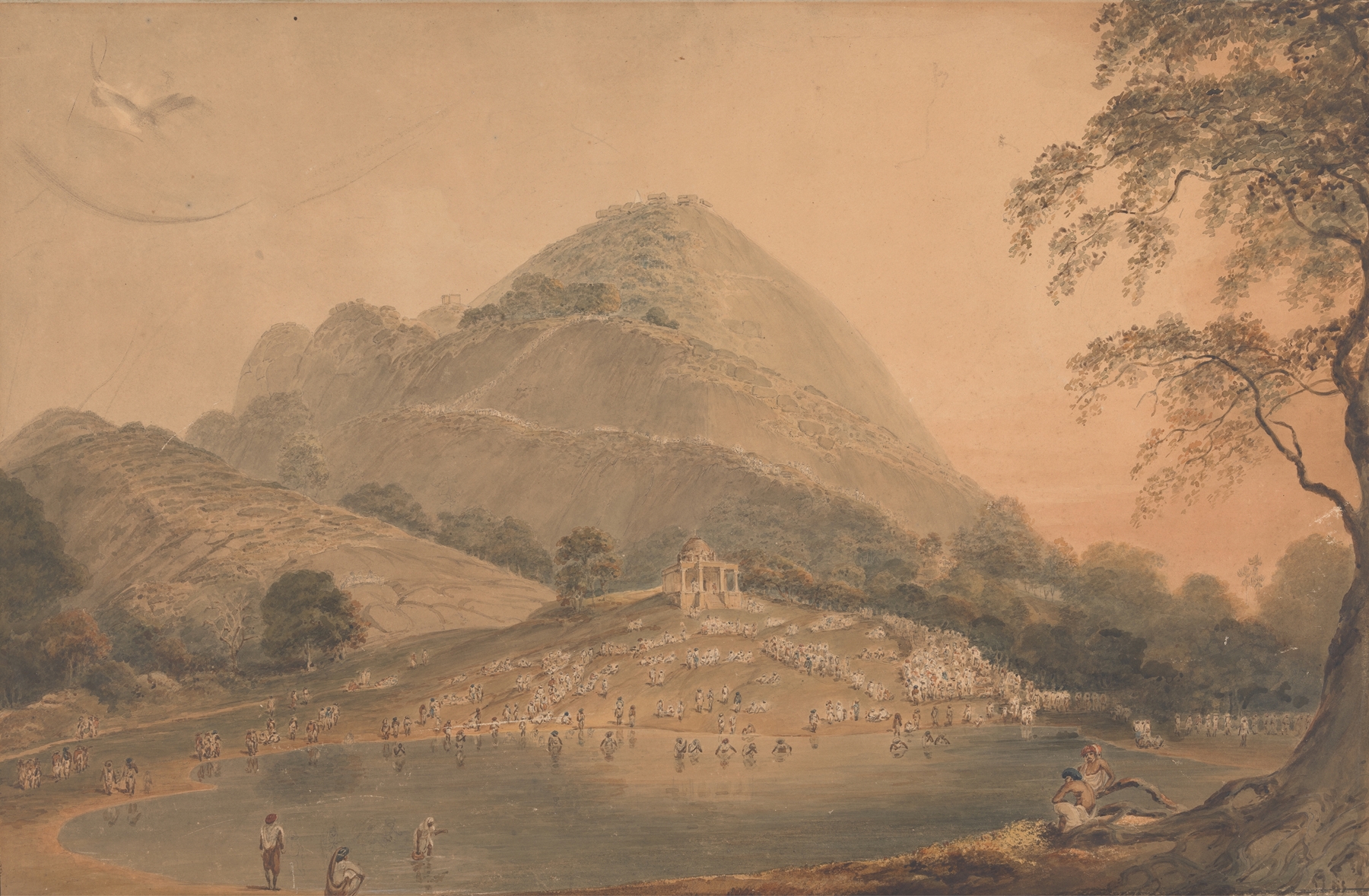
The Annual Resort of Hindoos to Mundar Hill near Bhagulpore [Bhagalpur]
Samuel Davis