
Cleveland, Woodland Avenue and Eagle Street — History & Facts
In the urban tapestry of the late 19th century, revolution brewed not just in the streets but in the hearts of its inhabitants. This moment captures both the vibrancy and struggle of a changing world. Look to the left, where the rhythmic patterns of the cobblestone streets guide your gaze into the heart of the bustling city. The interplay of light and shadow breathes life into the figures that move about, each one a whisper of stories untold.
The warm tones of ochre and burnt sienna reflect the warmth of a community, while the cool blues suggest an underlying chill — the tension between progress and the echoes of the past. As you delve deeper, notice the small, poignant details: the worn shoes of a passerby hinting at poverty, juxtaposed against the lively spirit of the crowd. The overall composition evokes a sense of urgency, a moment caught between the mundane and the momentous. Every brushstroke pulsates with the heartbeat of a city on the brink of transformation, highlighting the duality of hope and despair. Created in 1878, this piece emerged from the mind of an artist deeply engaged with the changing dynamics of society.
Living in New York City during a time of industrial expansion and social upheaval, Bacher was influenced by the shifting landscapes around him. This artwork reflects the tension of an era marked by both the promise of modernity and the stark realities faced by its citizens.
More Artworks by Otto Henry Bacher
Browse all →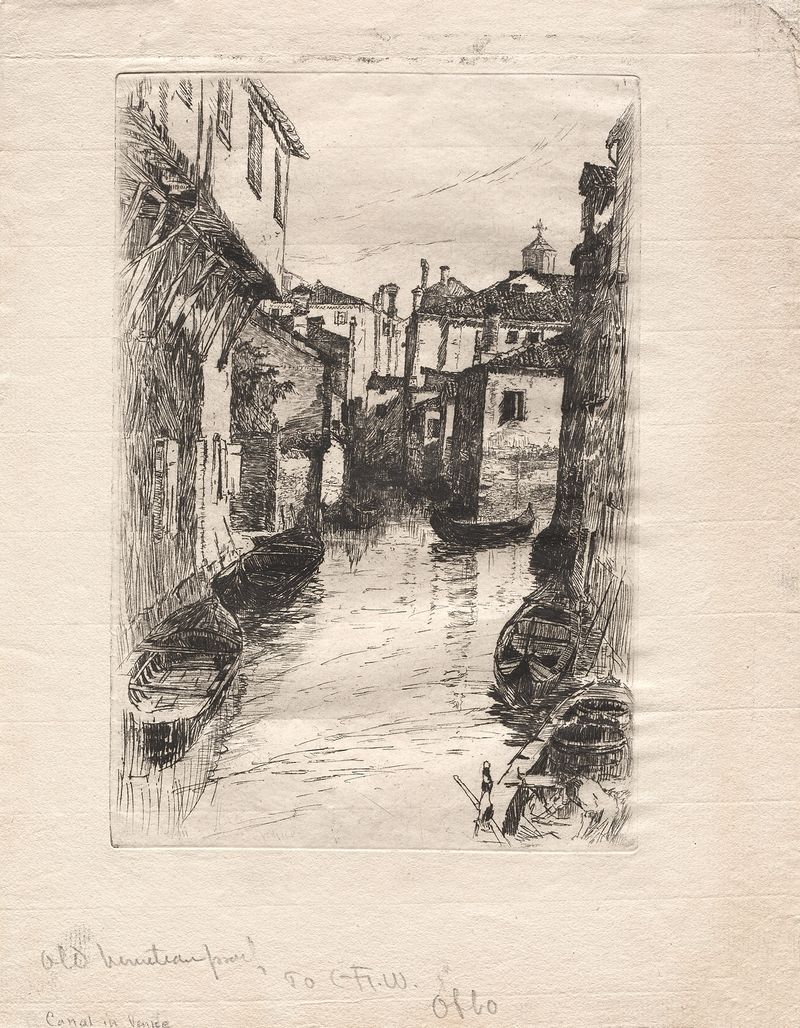
Canal in Venice
Otto Henry Bacher
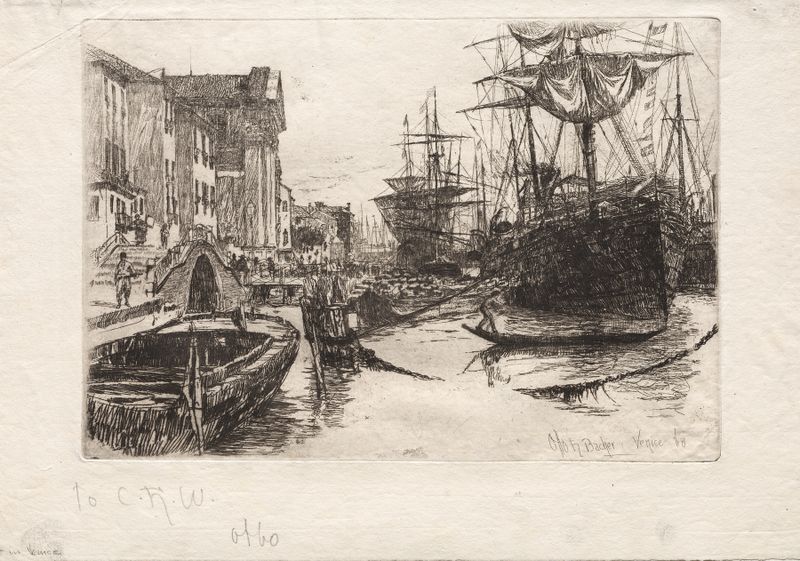
View in Venice
Otto Henry Bacher
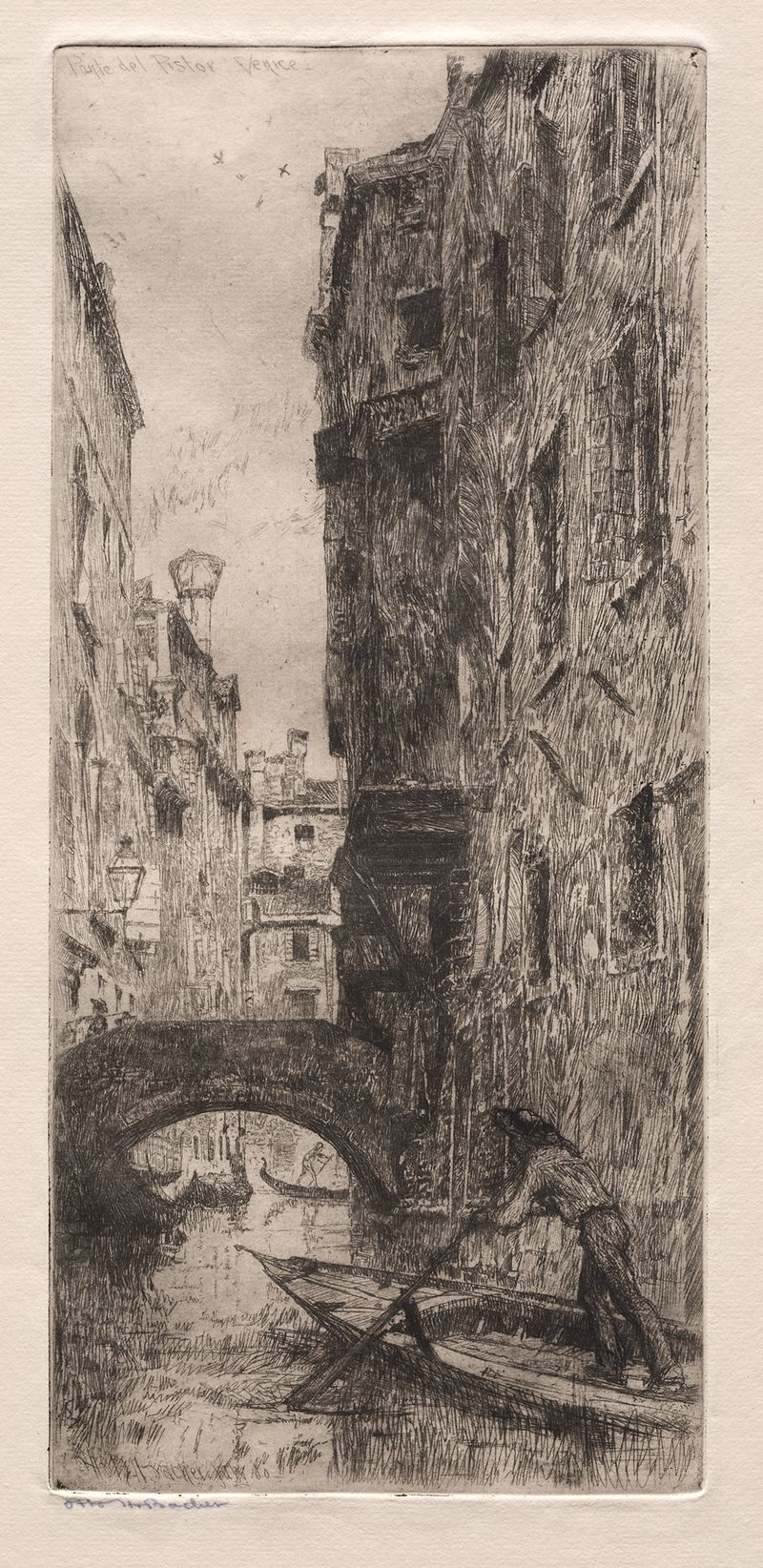
Ponte del Pistor, Venice
Otto Henry Bacher
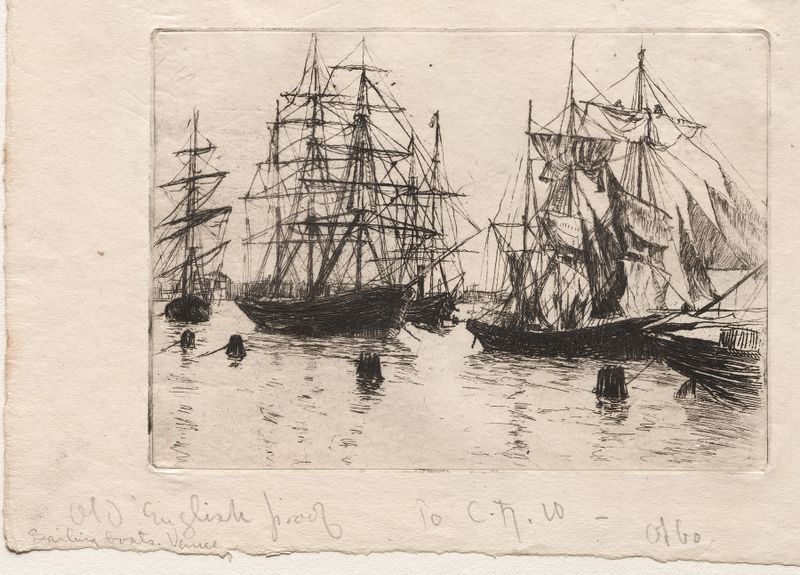
Sailing Boats, Venice
Otto Henry Bacher
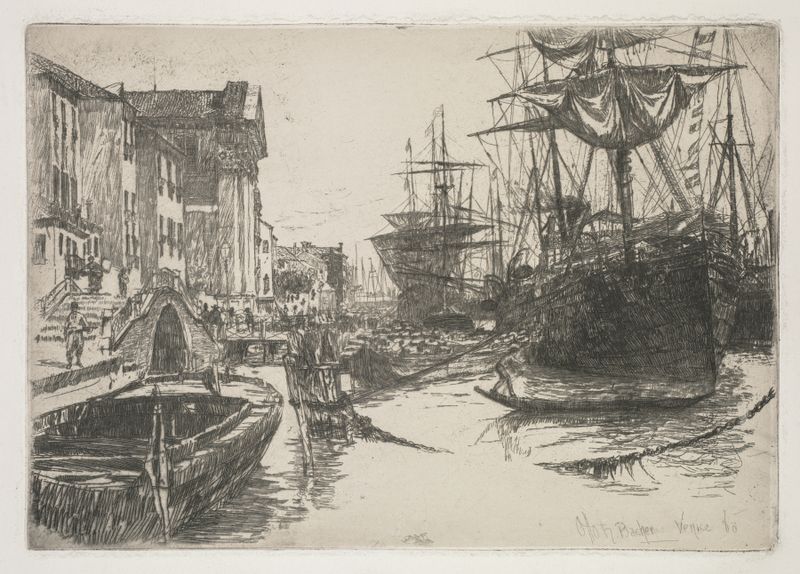
Fondamenta della Zattere
Otto Henry Bacher
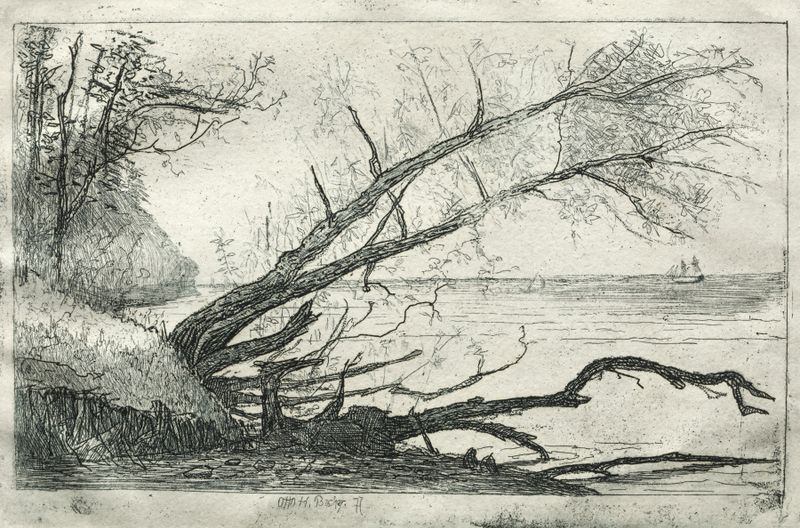
Old Sycamore
Otto Henry Bacher
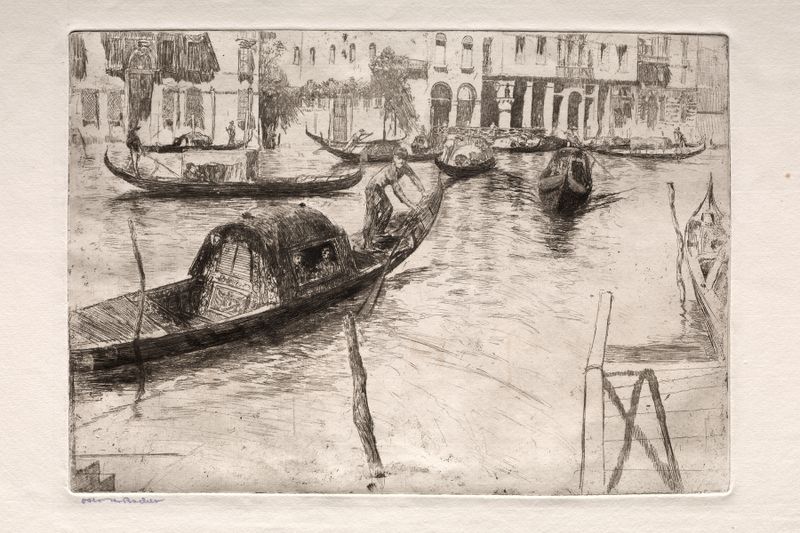
Traghetto San Felice
Otto Henry Bacher
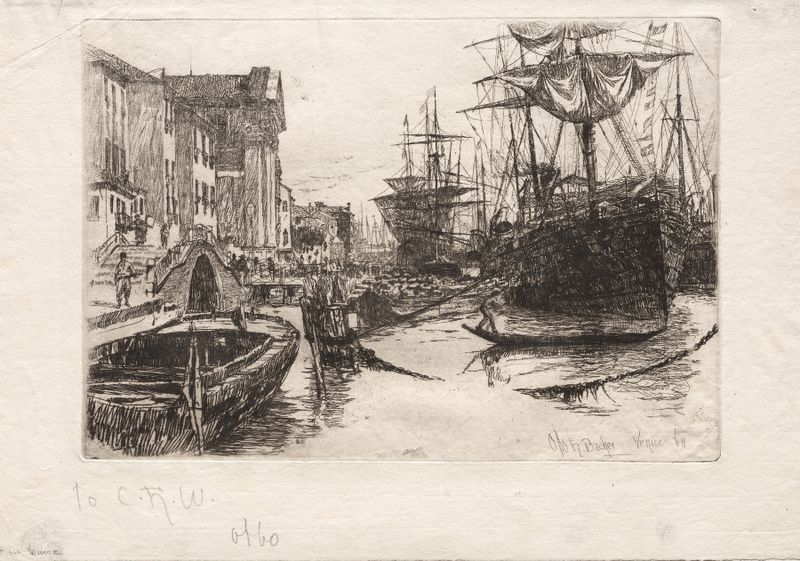
View in Venice
Otto Henry Bacher
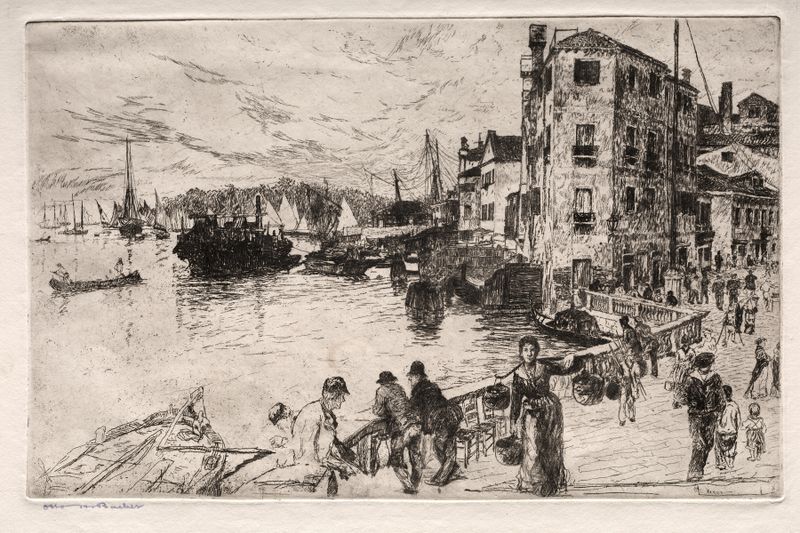
Castello Quarters, Riva
Otto Henry Bacher
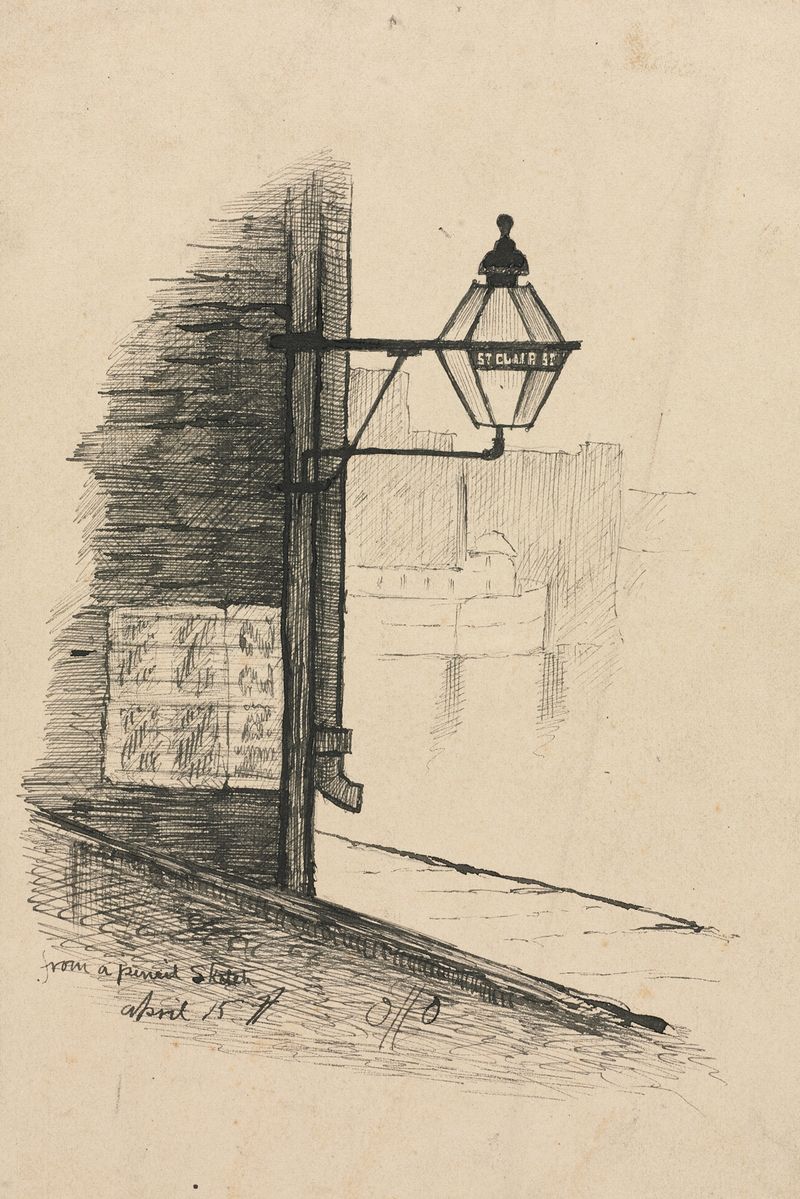
St. Clair Street, Cleveland
Otto Henry Bacher





