
Cliffs of Malbec at Mont-Dore, the Auvergne — History & Facts
Could beauty survive in a century of chaos? In a world where turmoil often overshadows peace, some landscapes endure as quiet witnesses of time's passage, embodying both obsession and tranquility. Look to the forefront of the canvas where the rugged cliffs rise majestically against a backdrop of swirling clouds. The earthy tones of russet and green meld seamlessly, drawing your eye to the interplay between the shadows and the dappled sunlight that gently caresses the jagged rocks. Notice how the brushstrokes convey the texture of the craggy surface, inviting an appreciation for nature’s raw beauty while hinting at the artist's deep emotional connection to this site. The contrast between the wild, unkempt cliffs and the soft, serene sky encapsulates a tension between nature's untamed power and the fleeting moments of calm it offers.
Each brushstroke reveals Rousseau's obsession with capturing the essence of the Auvergne landscape, suggesting that even amidst chaos, there exists a sanctuary—a place where one can find solace. The clusters of trees at the base seem to cling to the rocks, a testament to perseverance in the face of adversity, echoing the resilience of beauty itself. Rousseau painted this scene in 1830 while deeply immersed in the Romantic movement, a time when artists sought to express their emotions through dramatic landscapes. At this juncture, he was achieving recognition for his approach to painting that emphasized the raw beauty of nature, reflecting broader societal shifts and a burgeoning interest in the sublime.
This work stands as a poignant reminder of his commitment to portraying the emotional resonance found within the natural world.
More Artworks by Théodore Rousseau
Browse all →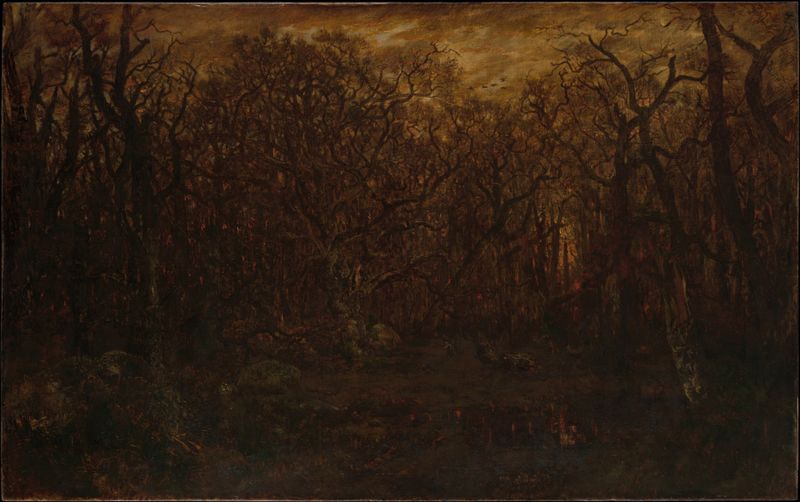
The Forest in Winter at Sunset
Théodore Rousseau
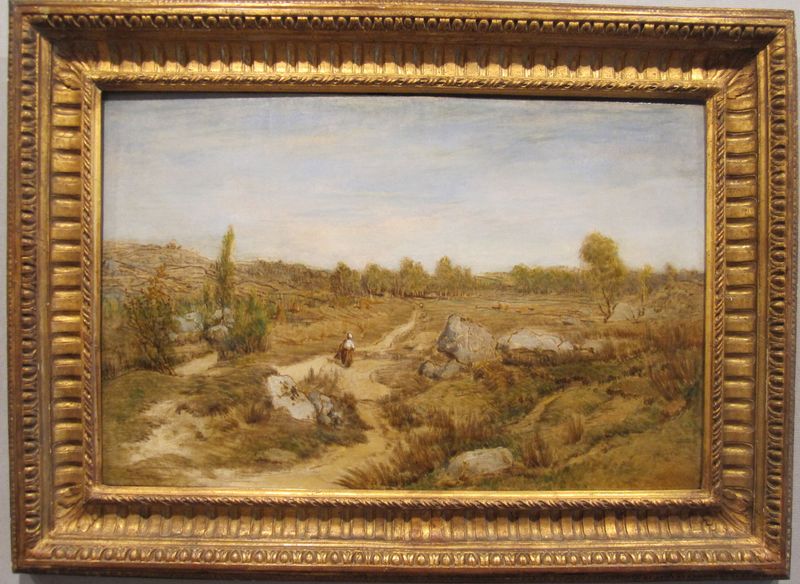
Valley of the Rouars in the Gorges d’Apremont
Théodore Rousseau
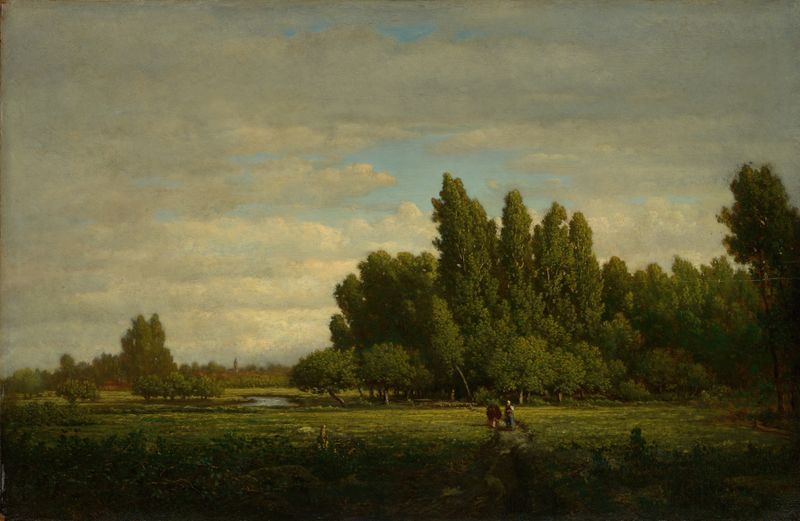
A Meadow Bordered by Trees
Théodore Rousseau
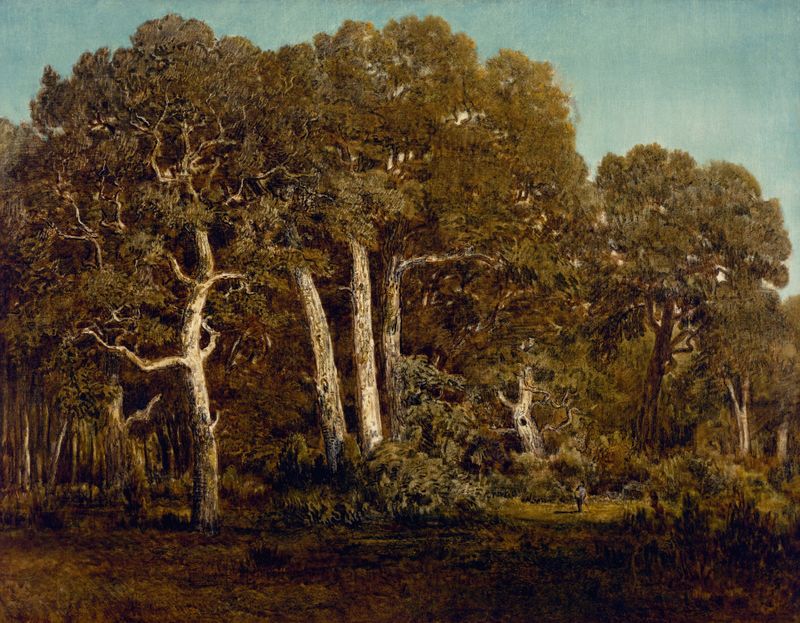
The Great Oaks of Old Bas-Bréau
Théodore Rousseau
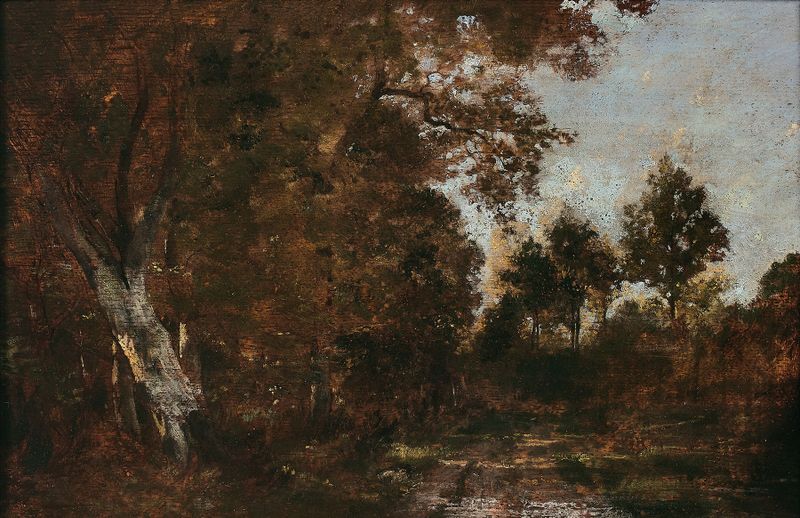
Paysage de sous-bois
Théodore Rousseau
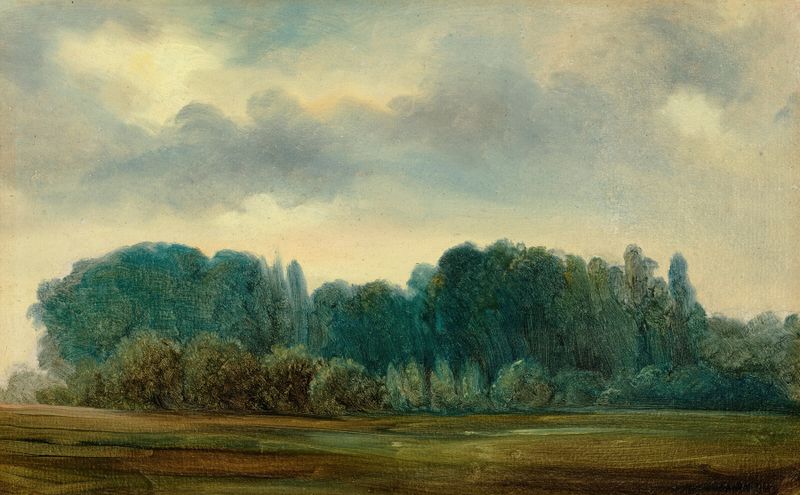
Paysage
Théodore Rousseau
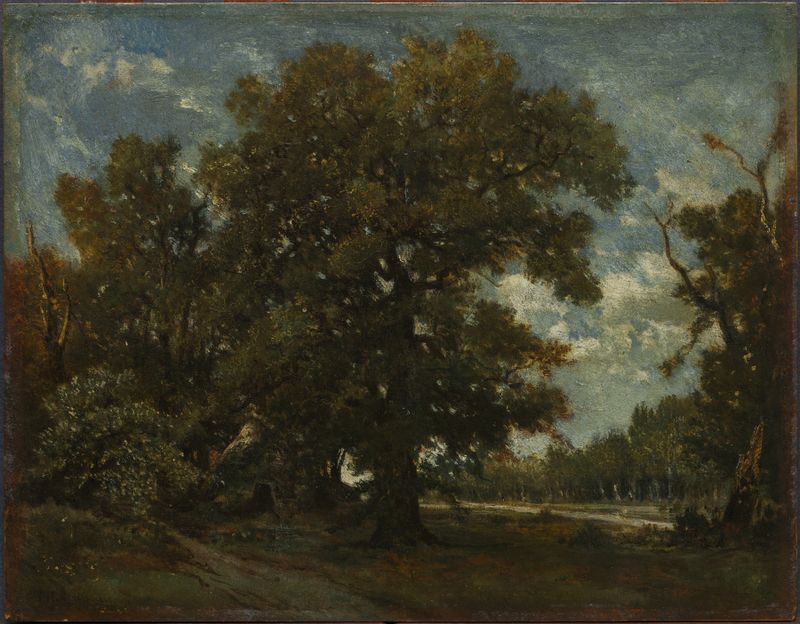
The Oak Tree
Théodore Rousseau
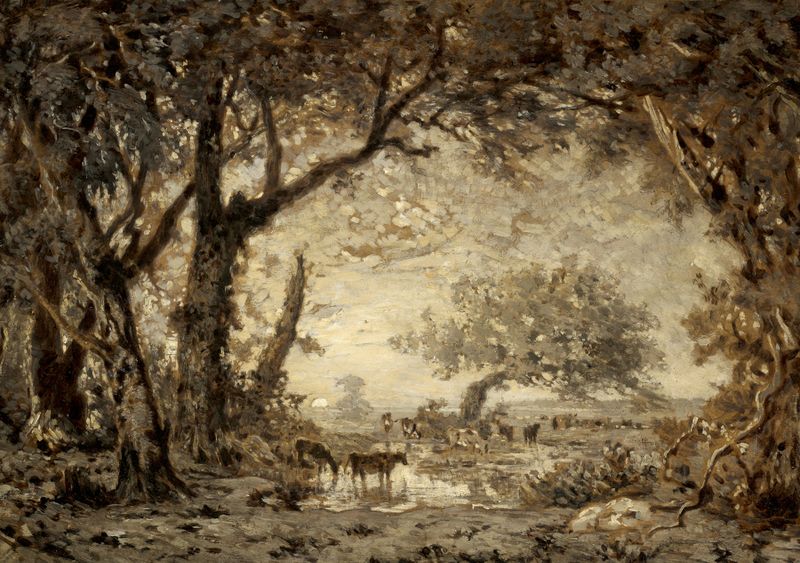
Sunset from the Forest of Fontainebleau
Théodore Rousseau
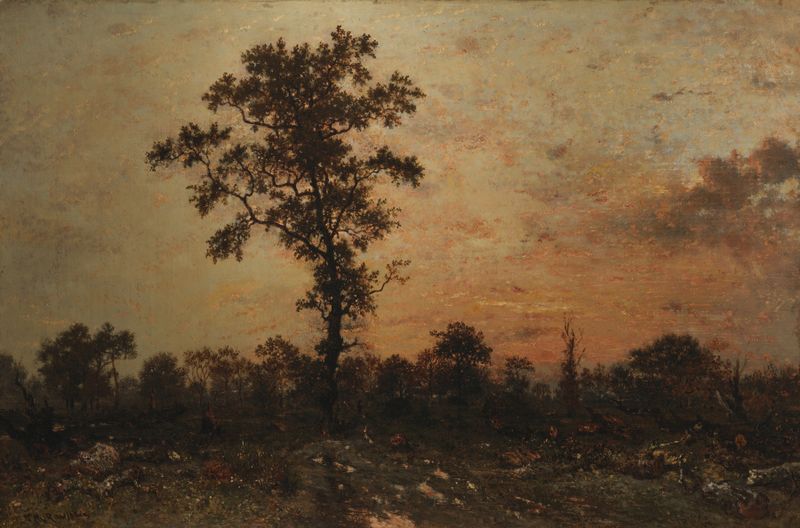
Edge of the Forest, Sun Setting
Théodore Rousseau
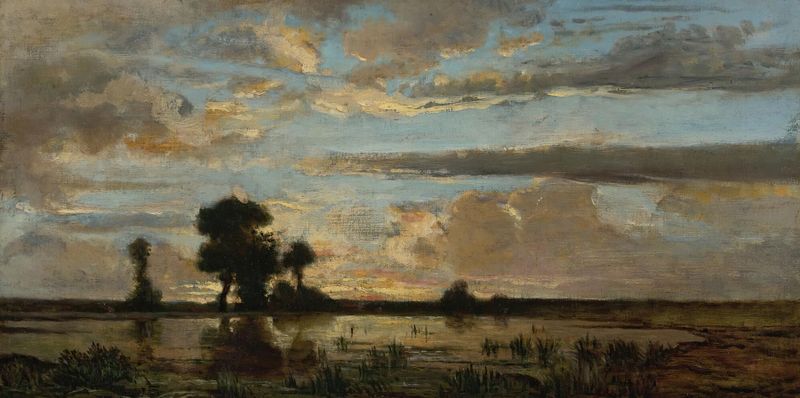
Soleil Couchant
Théodore Rousseau





