
Cloître des Billettes, 24 rue des archives — History & Facts
In the echo of forgotten moments, a legacy pulses beneath the stillness, entwining the past with the present. The weight of history lingers in the air, urging contemplation of what has been lost and what endures. Look to the center of the canvas, where the architectural lines converge, forming a luminous gateway. The intricate details of the cloister—its arches and stonework—invite you to trace the delicate interplay between light and shadow.
Soft hues of gray and muted earth tones evoke an atmosphere steeped in reverence, while the gentle play of sunlight creates an inviting warmth, drawing the eye deeper into the scene. Notice how the light filters through, illuminating the textures of the stone, creating a dialogue between the permanence of the structure and the ephemerality of human experience. Within this serene setting, contrasts abound: the solidity of the cloister versus the ethereal nature of the light, the silence against the whispers of history. Each archway not only frames the view but also symbolizes the passage of time, inviting viewers to reflect on their own connections to the past.
Elements like absent figures or faded inscriptions hint at stories waiting to be told, embodying a yearning for legacy and memory, both personal and collective. In 1926, Boberg was shaping his distinctive style while grappling with the transitions of a post-war Europe. This period saw him delve into the intersection of architecture and painting, exploring themes of continuity and change. As he stood before this cloister in Paris, the echoes of previous generations not only informed his brushstrokes but also underscored the weight of history that his works would carry into the future.
More Artworks by Ferdinand Boberg
Browse all →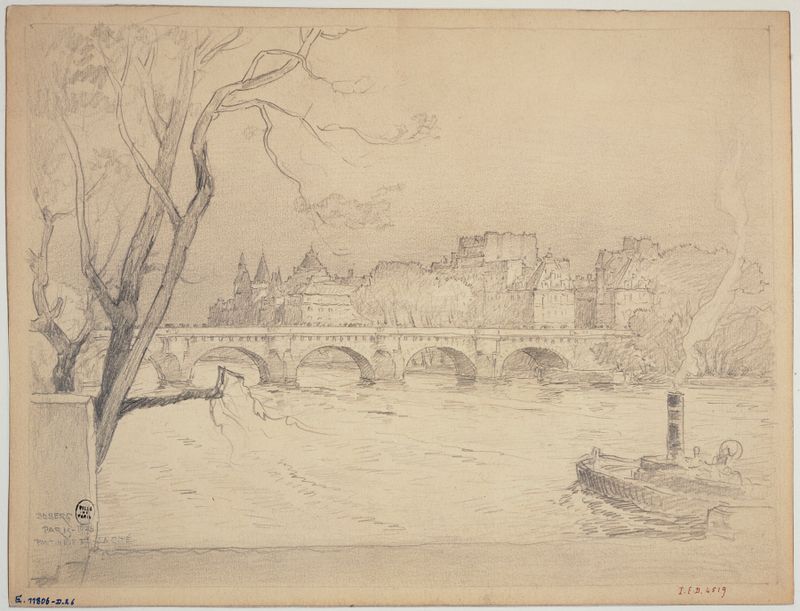
Le Pont-Neuf et la Cité
Ferdinand Boberg
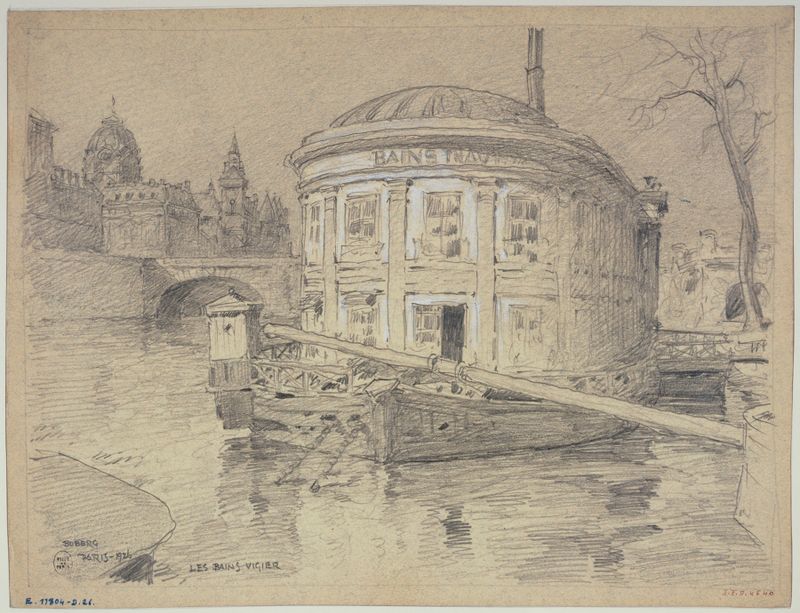
Les bains Vigier au Pont-Neuf
Ferdinand Boberg
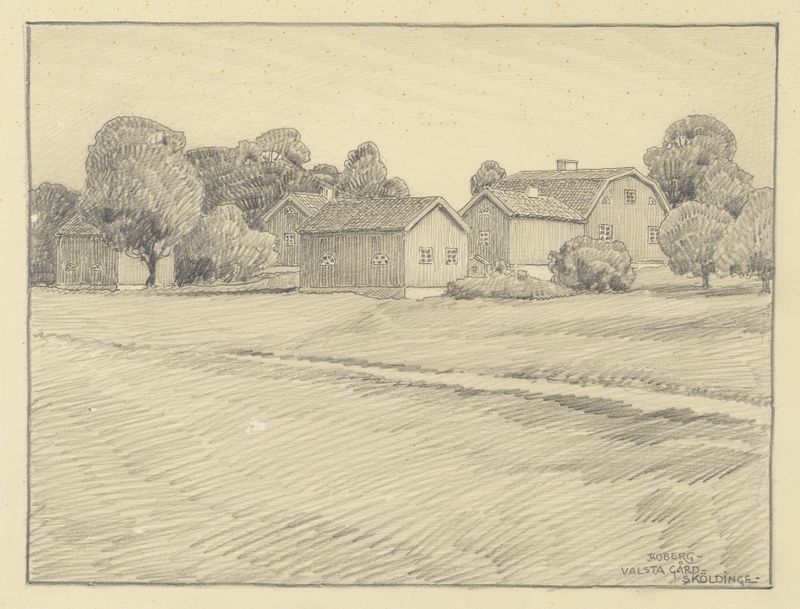
Valsta Gård
Ferdinand Boberg
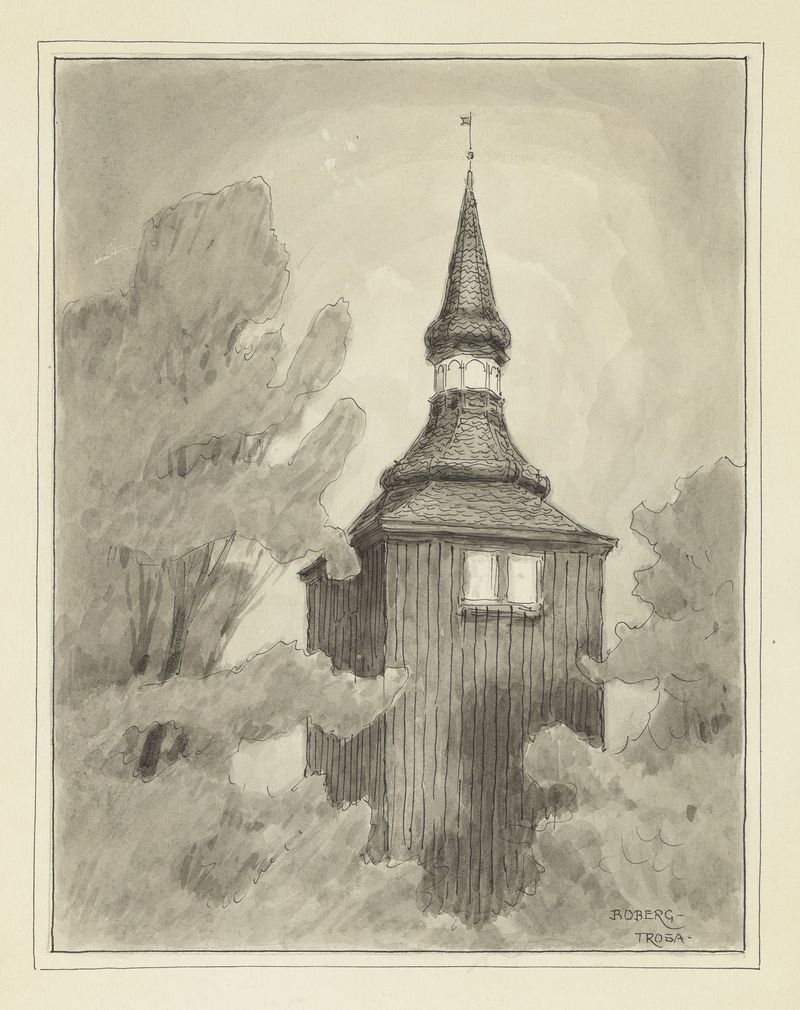
Trosa
Ferdinand Boberg
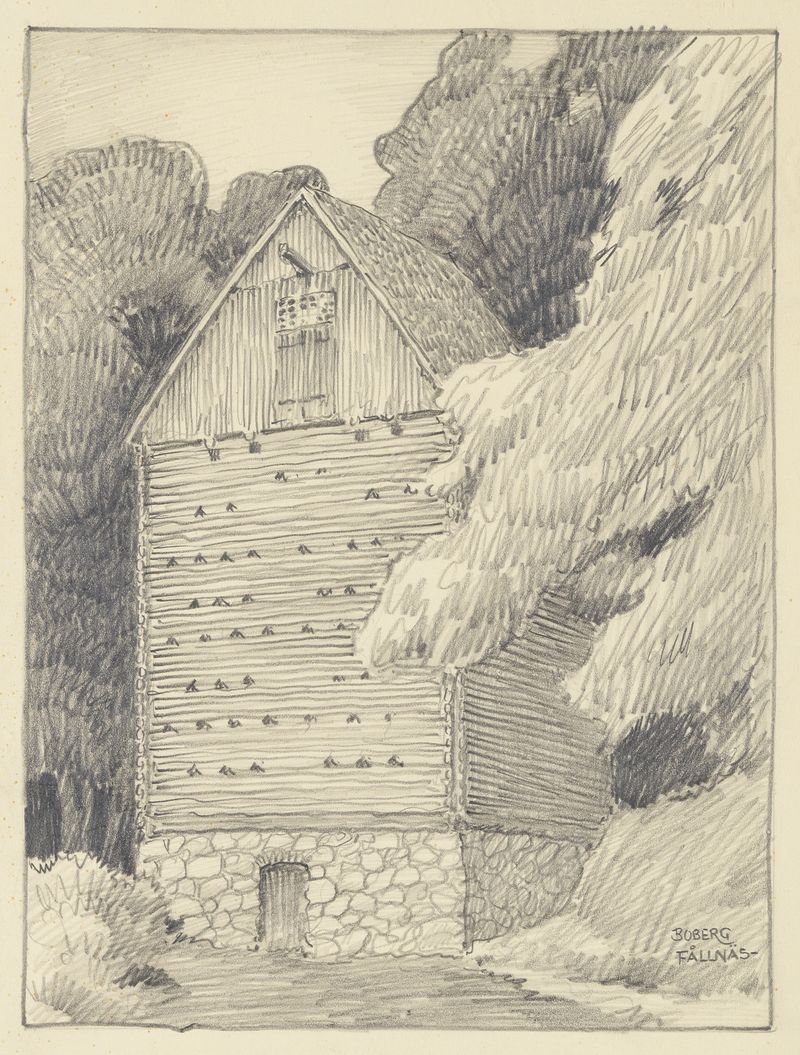
Fållnäs
Ferdinand Boberg
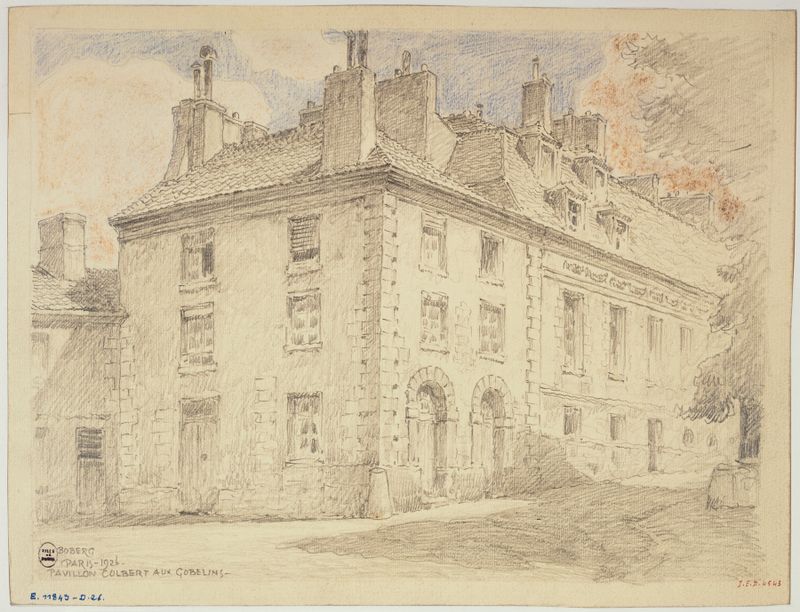
Le pavillon Colbert aux Gobelins
Ferdinand Boberg
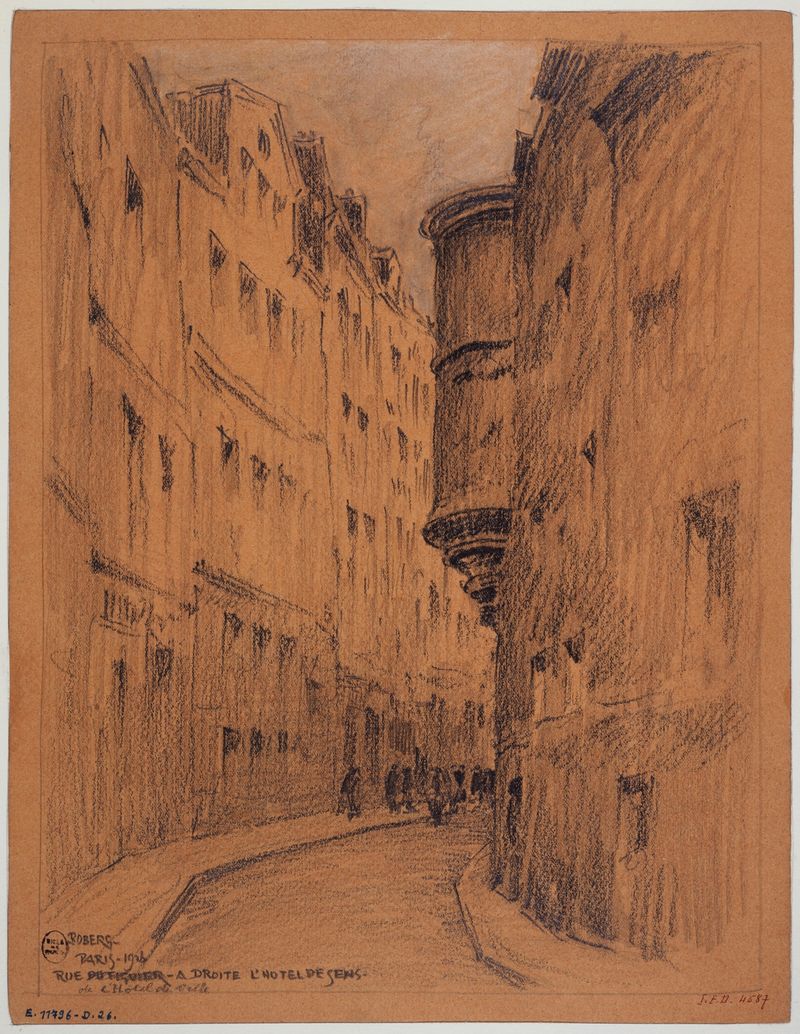
Rue de l’Hôtel de Ville; l’hôtel de Sens
Ferdinand Boberg
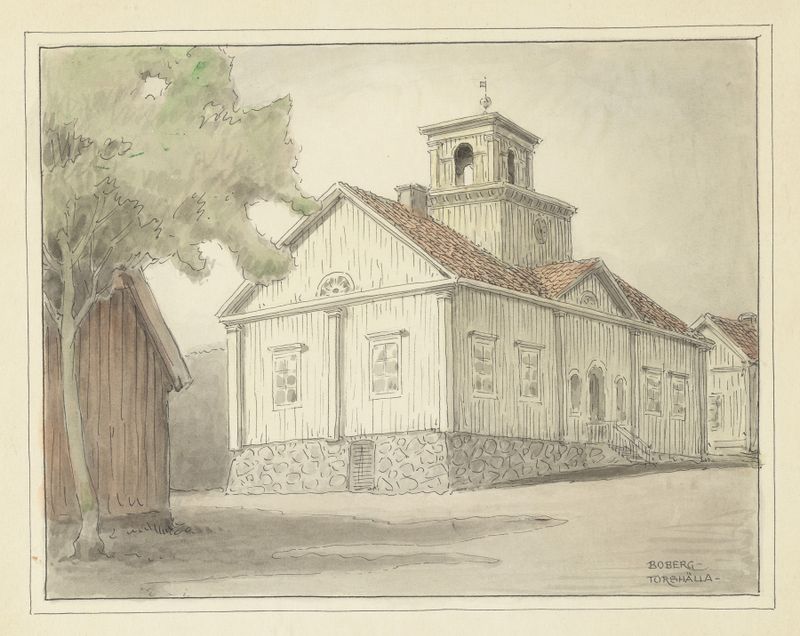
Torshälla
Ferdinand Boberg
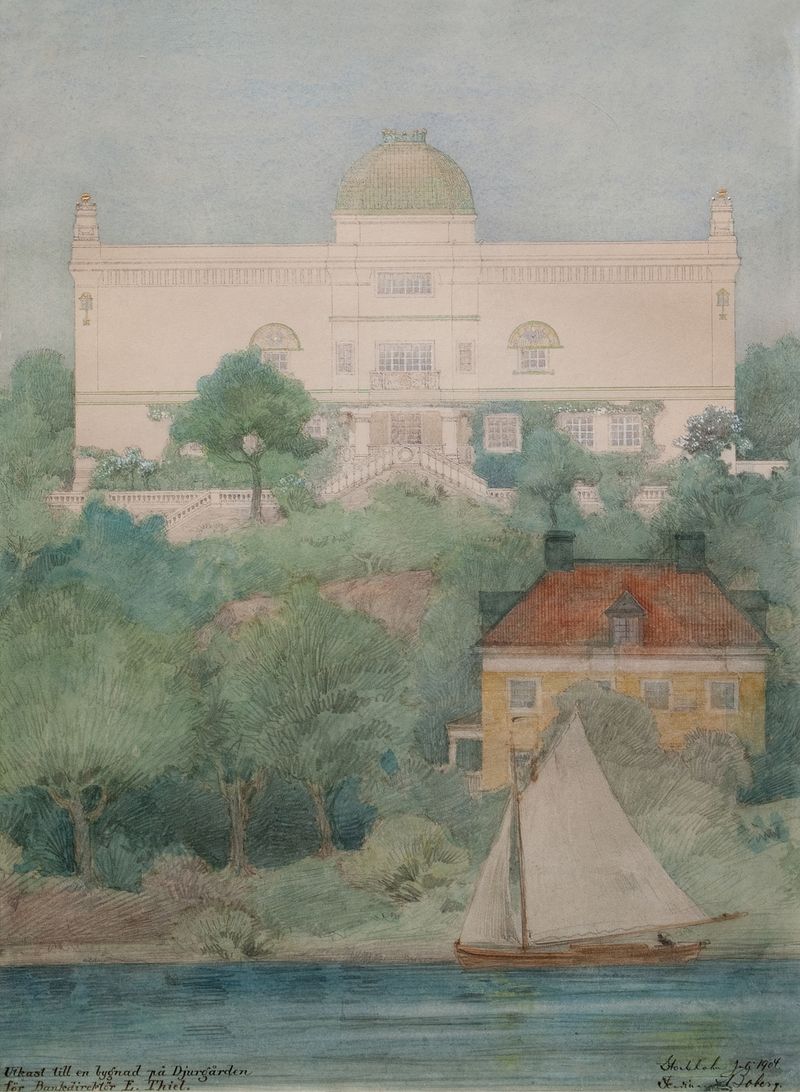
Sketch for a building for Thiel’s Gallery
Ferdinand Boberg
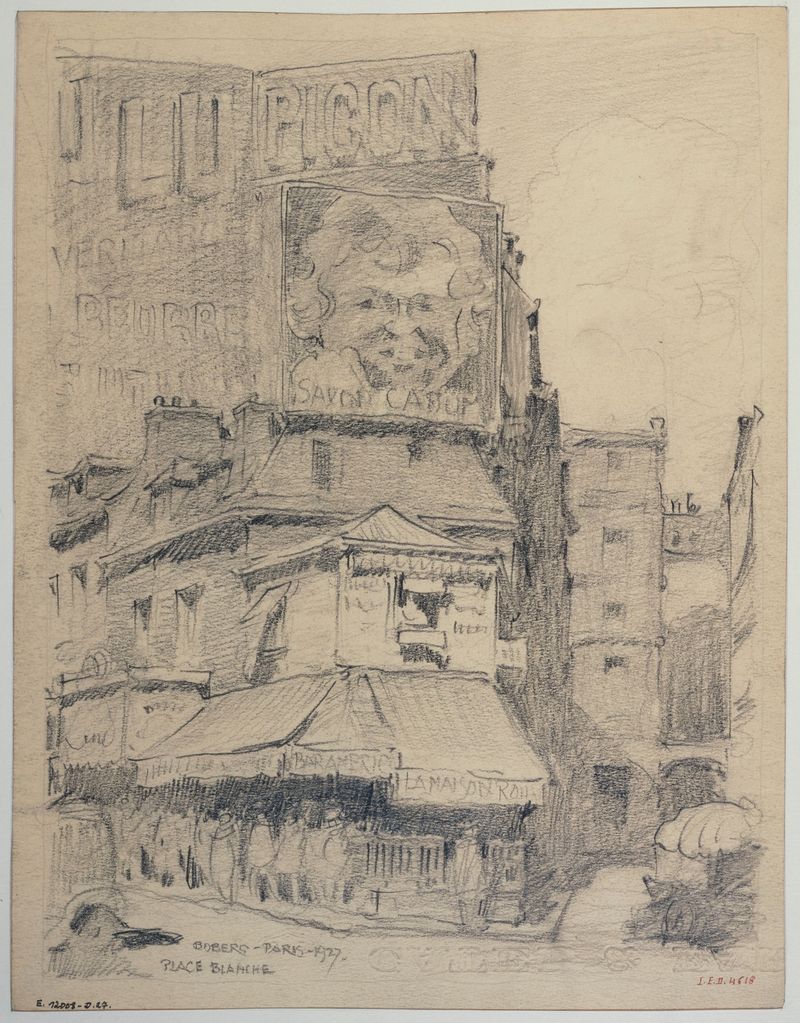
La place Blanche
Ferdinand Boberg
More Architecture Art
Browse all →
The statue of Liberty
Frédéric Auguste Bartholdi

View of Houses in Delft, Known as ‘The Little Street’
Johannes Vermeer

View of Houses in Delft, Known as ‘The Little Street’
Johannes Vermeer

The Cathedral in Rouen. The portal, Grey Weather
Claude Monet

The yellow house
Vincent van Gogh

The Church in Auvers-sur-Oise, View from the Chevet
Vincent van Gogh