Clères — History & Facts
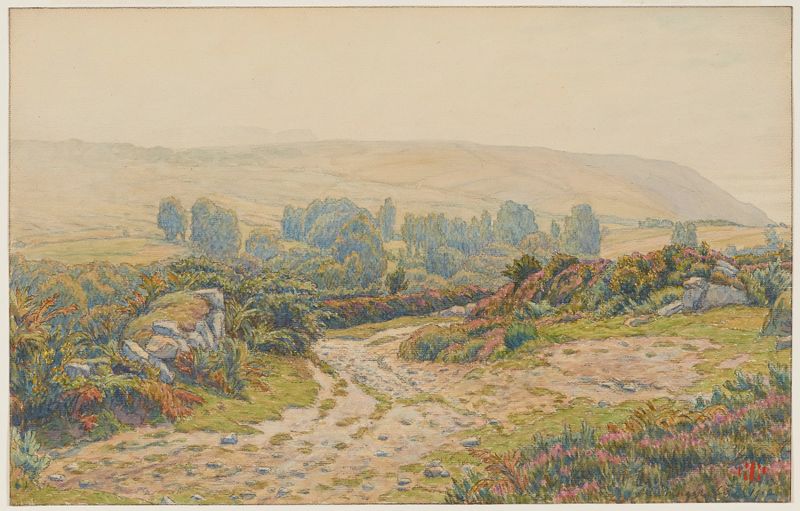
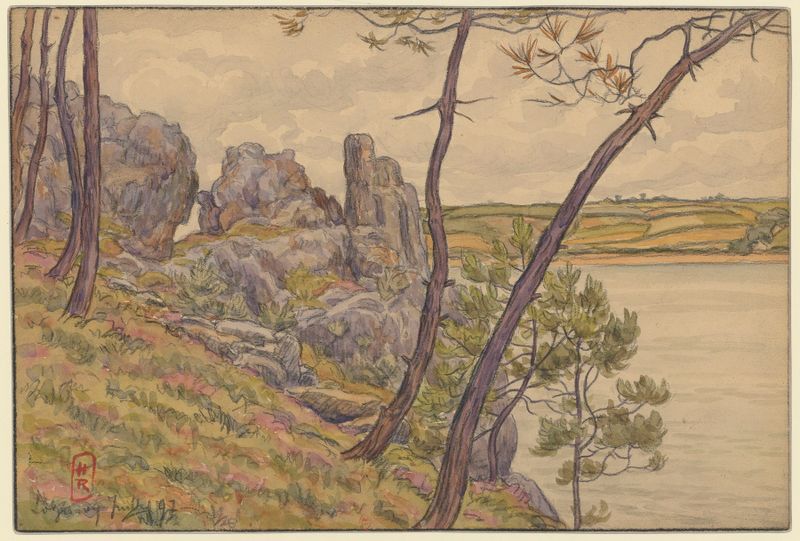
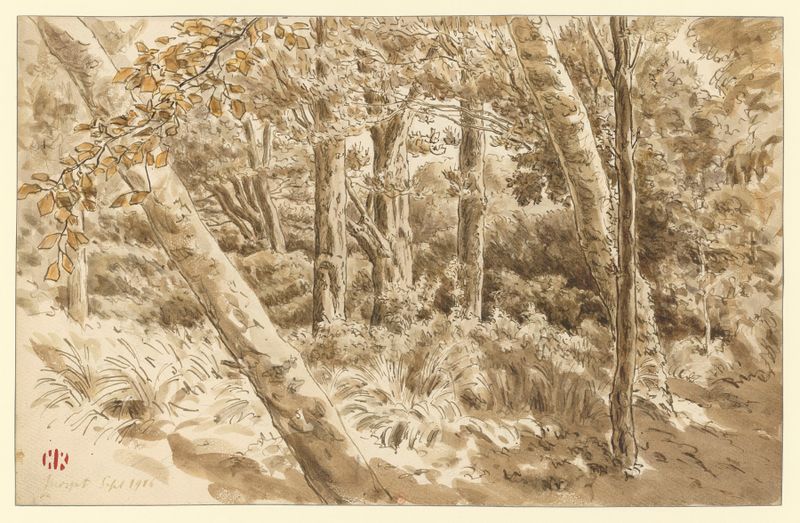
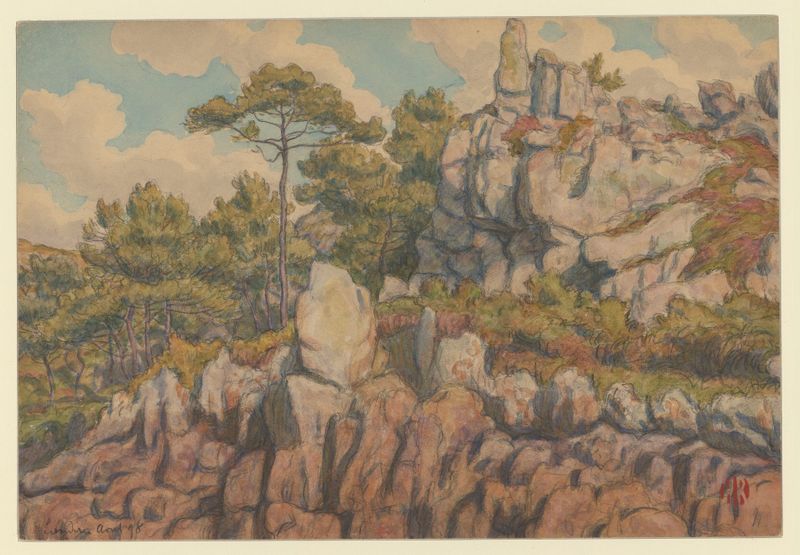
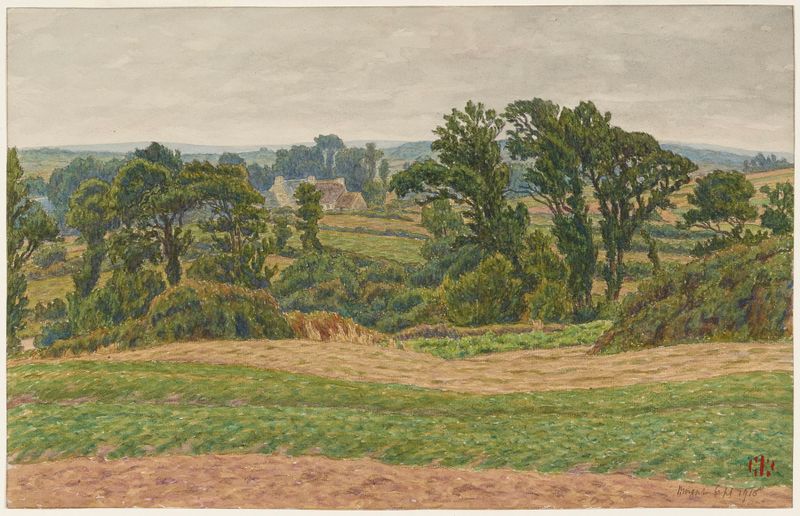
In a fleeting moment of solitude, destiny unfolds its quiet narrative, inviting us to pause and reflect on the unseen connections that weave through our lives. Look to the right at the intricate interplay of light and shadow in Clères. The delicate hues blend seamlessly, creating a soft, almost ethereal atmosphere that permeates the canvas. The brushstrokes are light and fluid, capturing a fleeting glimpse of nature's spirit, where each color choice resonates with a gentle optimism.
Notice how the gentle curves of the landscape guide your gaze through the scene, emphasizing the harmony between the earthly elements and the sky above. Beneath the surface, the painting hints at deeper emotions—longing, nostalgia, and the quiet acceptance of fate. The juxtaposition of vibrant greens against the somber blues suggests a dynamic tension, revealing life’s inherent dichotomy. Each element interacts, portraying the invisible threads of destiny that bind us to our surroundings, urging us to confront the transitions we often overlook. In 1922, Henri Rivière was immersed in the post-war art world, exploring themes of nature and emotion as a response to the upheaval of the early 20th century.
Creating Clères during this period, he sought to capture the fleeting beauty of existence, reflecting both personal introspection and a broader cultural desire for renewal. The work stands as a testament to his mastery of color and light, a mirror of the profound transformations taking place in art and society alike.