
Coastal landscape — History & Facts
Did the painter know this moment would outlive them? The desire to capture the ephemeral beauty of nature hums through the colors and strokes of this coastal landscape. Look to the horizon where the sky kisses the sea; it's an expanse of turquoise and soft grays that seem to dance in harmony. Notice how the light filters through the clouds, illuminating the gentle waves that lap against the shore. To the left, rugged cliffs stand stoic, their earthy tones contrasting with the vibrant water.
Each brushstroke invites the viewer to explore the texture of the rocks, while the delicate interplay of light further enhances the sense of depth and movement. Within this serene vista lies a poignant tension between tranquility and longing. The sweeping waves, ever-forward but never arriving, echo the desire to possess fleeting beauty. The clouds, heavy yet ethereal, suggest a transient moment that may soon fade; they conjure a sense of both wonder and melancholy.
Each detail—the curvature of the cliffs, the glint on the water—serves as a reminder of nature’s impermanence and the eternal pull of longing for what lies beyond reach. During the late 19th century, when this piece was likely created, Edward Theodore Compton found himself immersed in a burgeoning movement of landscape painting. Living in England, he was part of a community that sought to celebrate the natural world, reflecting both personal and societal shifts toward appreciation of the sublime in nature. This period was marked by rapid industrialization, evoking a collective yearning for the simplicity and beauty of untouched landscapes.
More Artworks by Edward Theodore Compton
Browse all →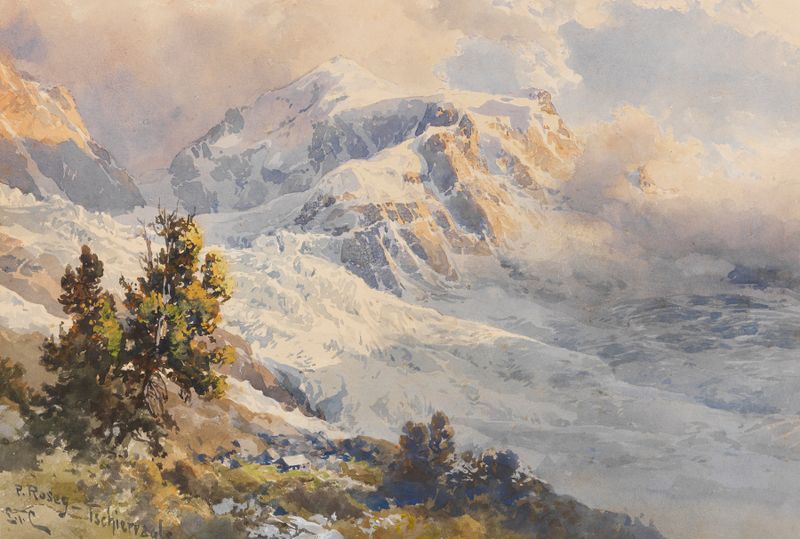
Piz Roseg – Tschiervagletscher
Edward Theodore Compton
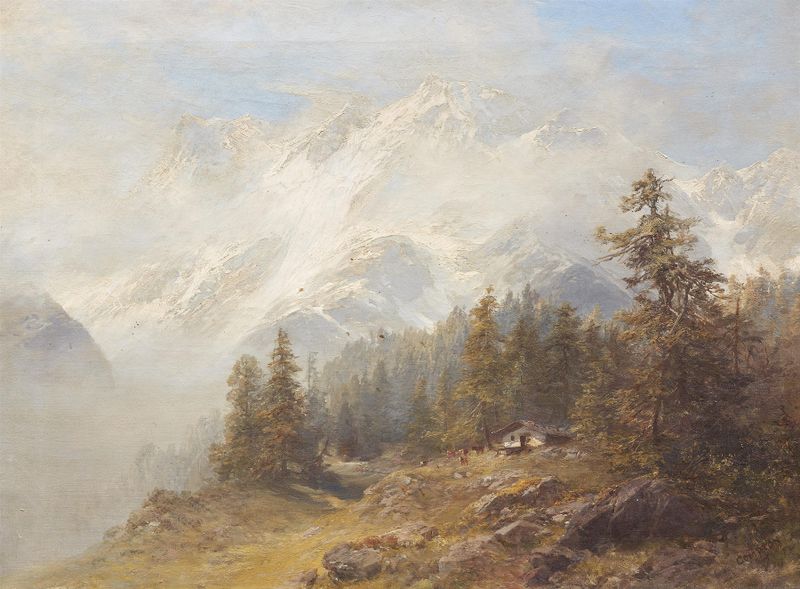
Alpenlandschaft vor schneebedecktem Massiv
Edward Theodore Compton
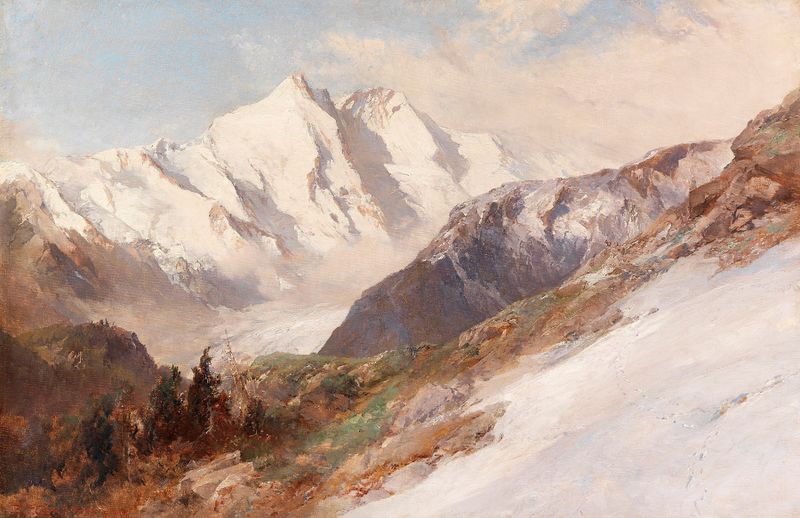
Blick auf die Nordseite des Großglockners
Edward Theodore Compton
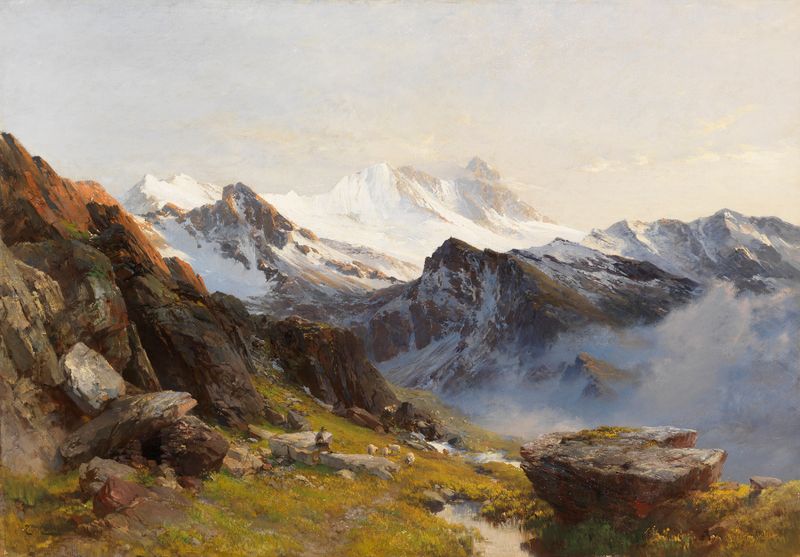
Großglockner von der Prager Hütte aus, früh
Edward Theodore Compton
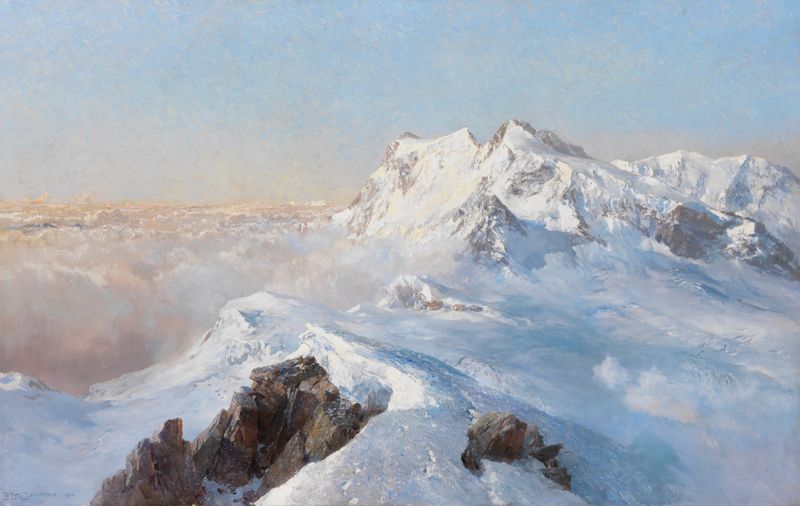
Über dem Nebelmeer (Monte Rosa vom Rimpfischhorn)
Edward Theodore Compton
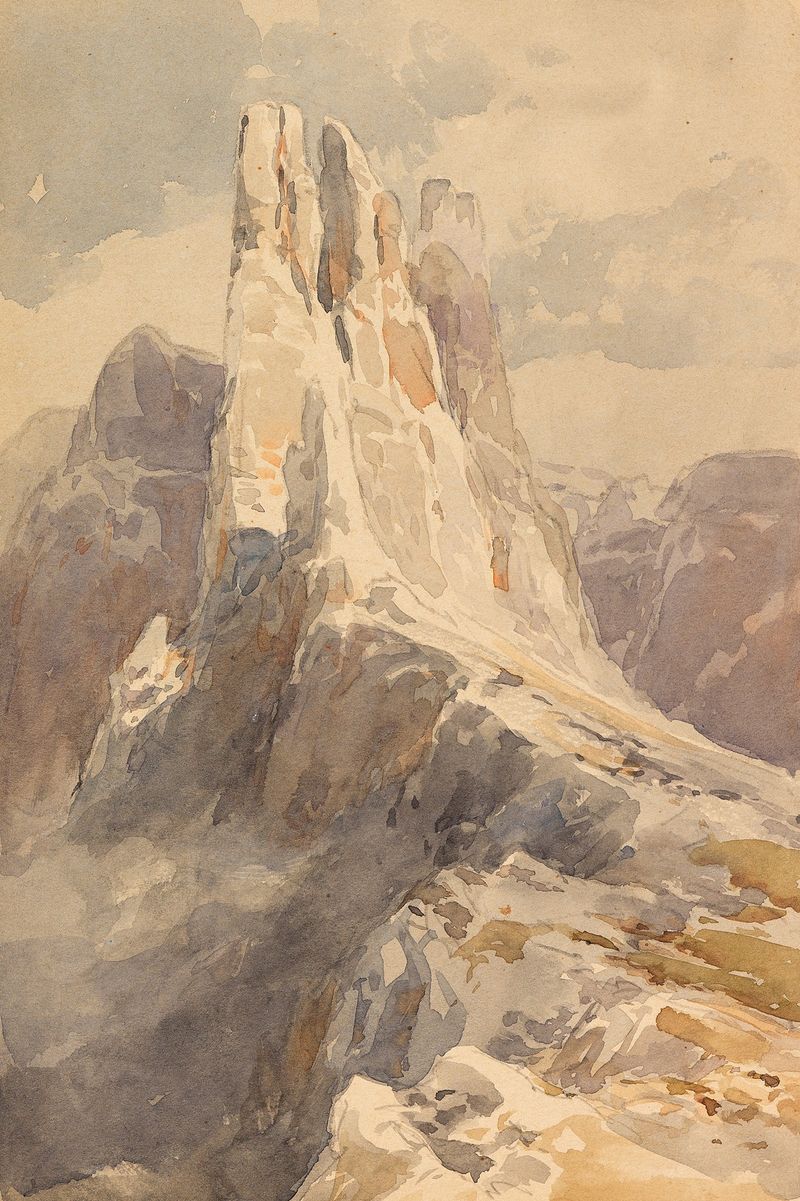
Blick auf die Vajolet-Türme in den Dolomiten
Edward Theodore Compton
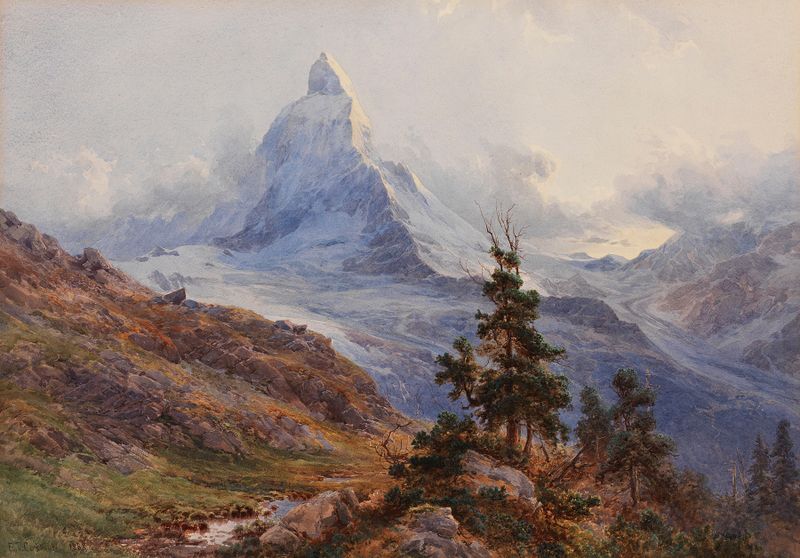
View of the Matterhorn
Edward Theodore Compton
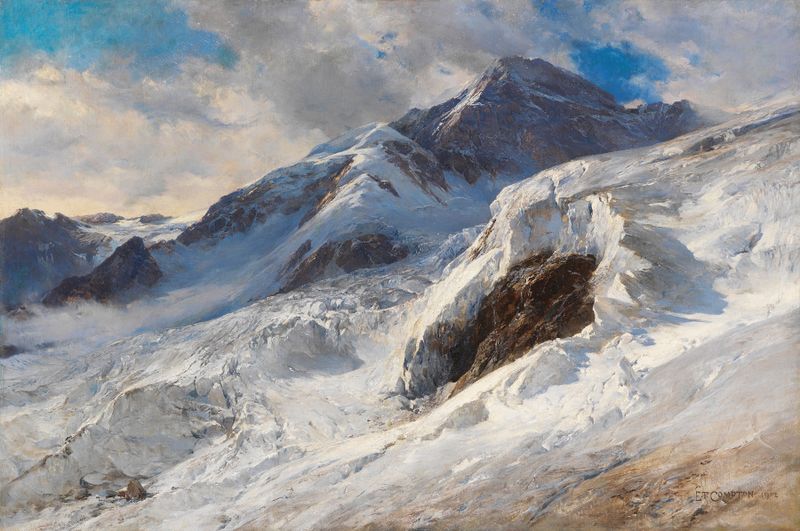
Lyskamm (Monte-Rosa)
Edward Theodore Compton
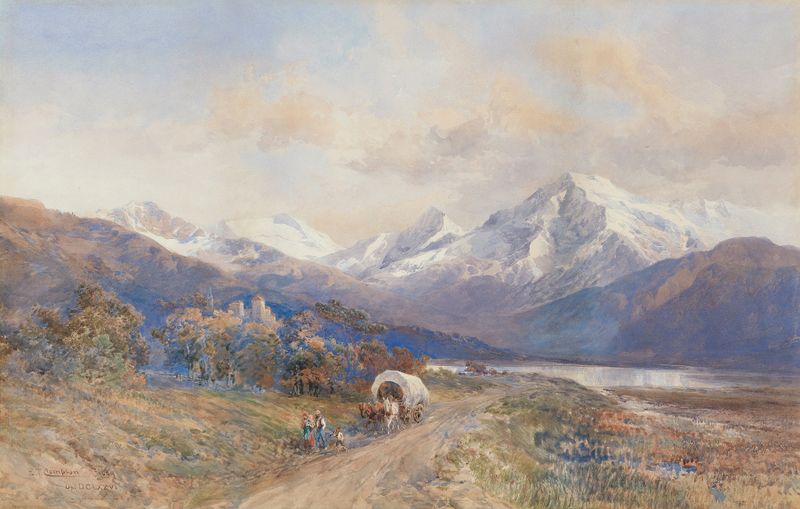
Blick auf den Ortler von St. Valentin
Edward Theodore Compton
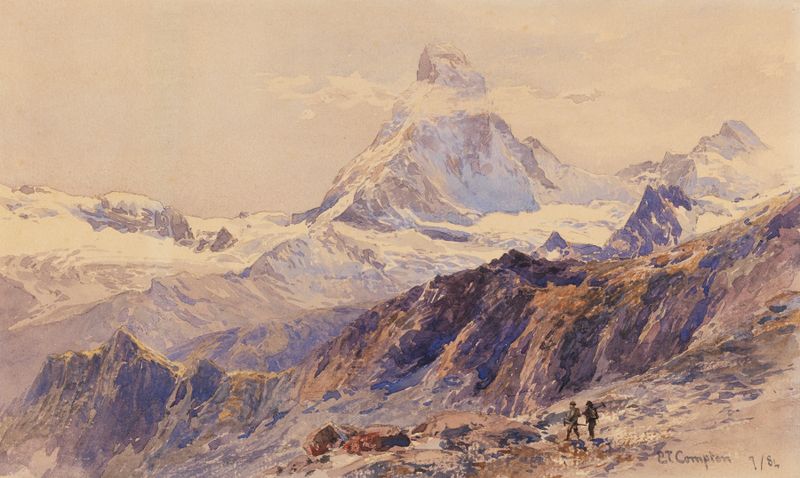
Das Matterhorn von der Triftkumme
Edward Theodore Compton





