
Collégiale de Saints-Pierre-et-Guidon à Anderlecht (avant transformation de la tour (en 1898) — History & Facts
Can beauty exist without sorrow? This question lingers like a haunting echo in the art world, inviting contemplation on the delicate interplay of despair and renewal. Look closely at the intricate details of the Collégiale de Saints-Pierre-et-Guidon à Anderlecht. Your eyes are immediately drawn to the church’s majestic facade, where soft, muted hues of ochre and beige capture the gentle embrace of sunlight filtering through the clouds. The meticulous brushwork brings texture to the stone, allowing each crevice to whisper tales of time.
Notice how the surrounding greenery juxtaposes the solidity of the architecture, hinting at nature’s quiet resilience alongside human endeavor. Delve deeper into the composition, and you’ll find a narrative woven between the sacred and the mundane. The church stands as a symbol of hope, its spires reaching toward the heavens, while the surrounding landscape suggests a world in flux. The shadows cast by the trees offer a profound contrast to the light illuminating the structure, encapsulating the tension between permanence and the passage of time.
Each element harmonizes, evoking a sense of rebirth amidst the inevitable decay that accompanies existence. In 1886, Jean-François Taelemans painted this work during a period of artistic transition in Belgium. The country was grappling with modernity, and artists were exploring new techniques and subjects. Taelemans, navigating the echoes of Romanticism, sought to capture the essence of his homeland while embracing the complexities of change, a reflection of his own life as he dedicated himself to landscape and architectural scenes.
More Artworks by Jean-François Taelemans
Browse all →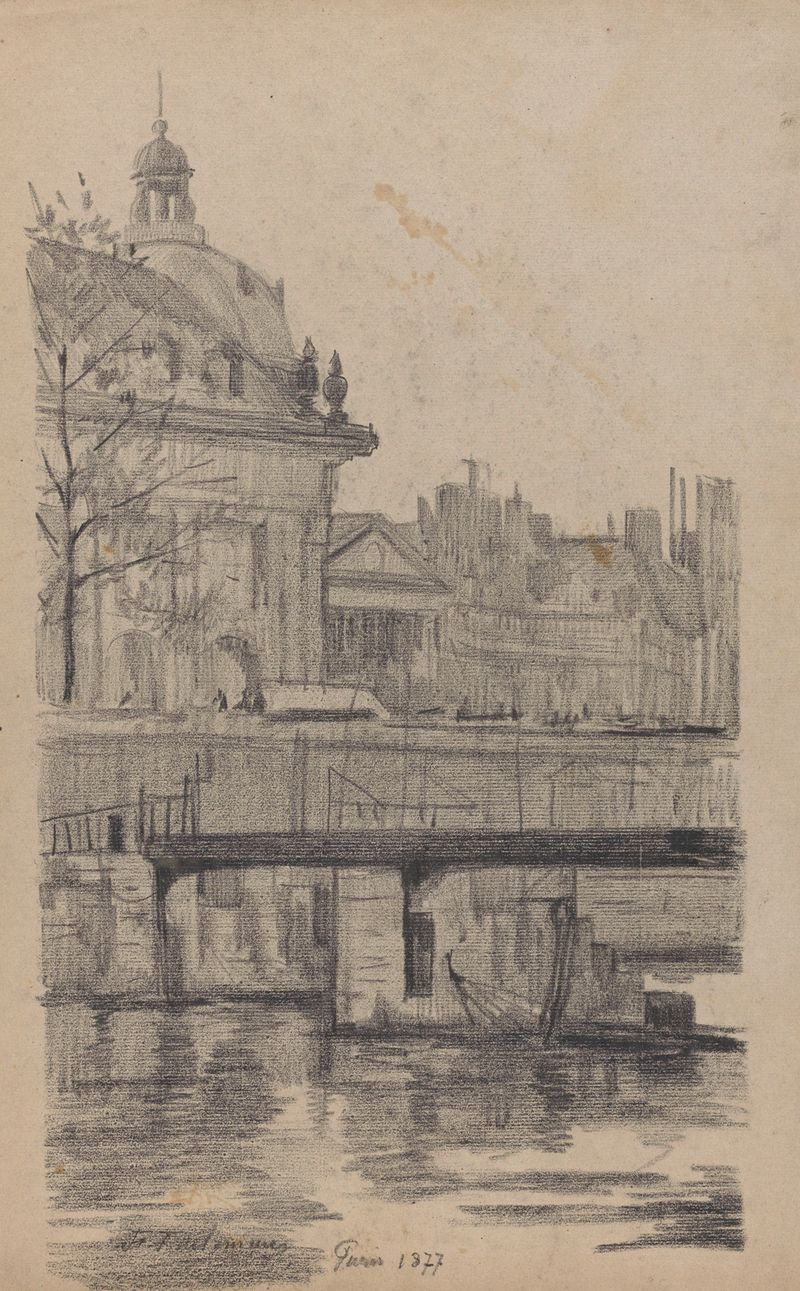
Paris (vue de la Seine et du Collège des Quatre Nations (actuellement siège de l’Institut de France)
Jean-François Taelemans
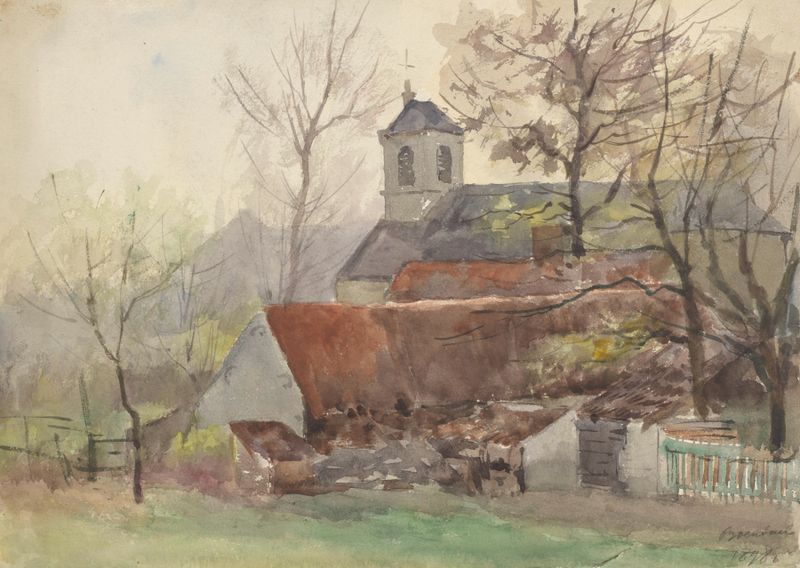
Boendael (église)
Jean-François Taelemans
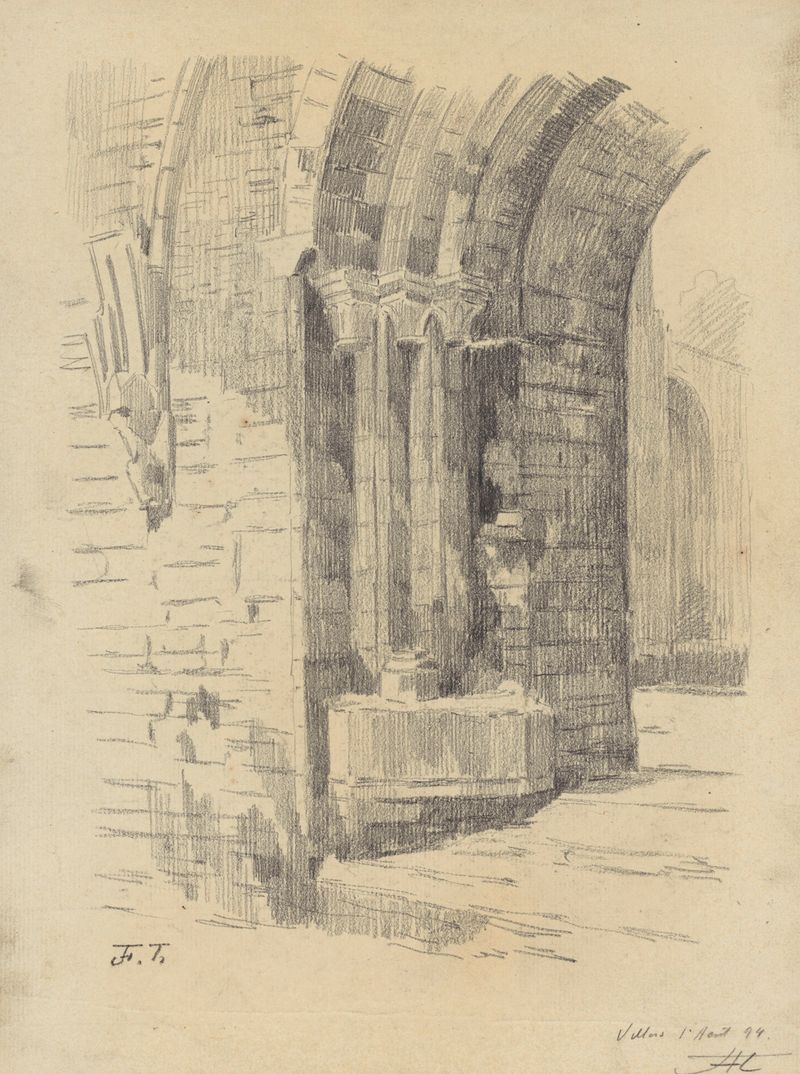
Ruines de l’abbaye de Villers-la-Ville – porche entre le cloître et l’église abbatiale (côté droit)
Jean-François Taelemans
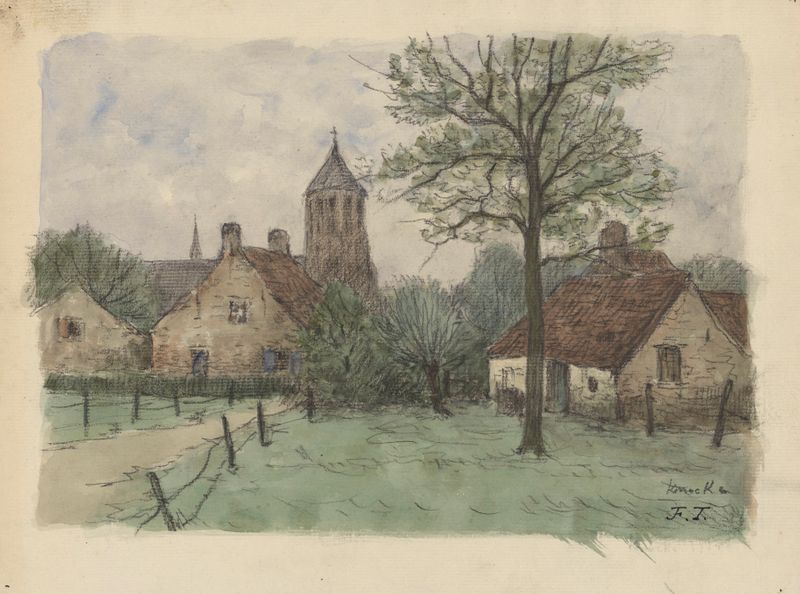
Village et église Sint Margaretha à Knocke
Jean-François Taelemans
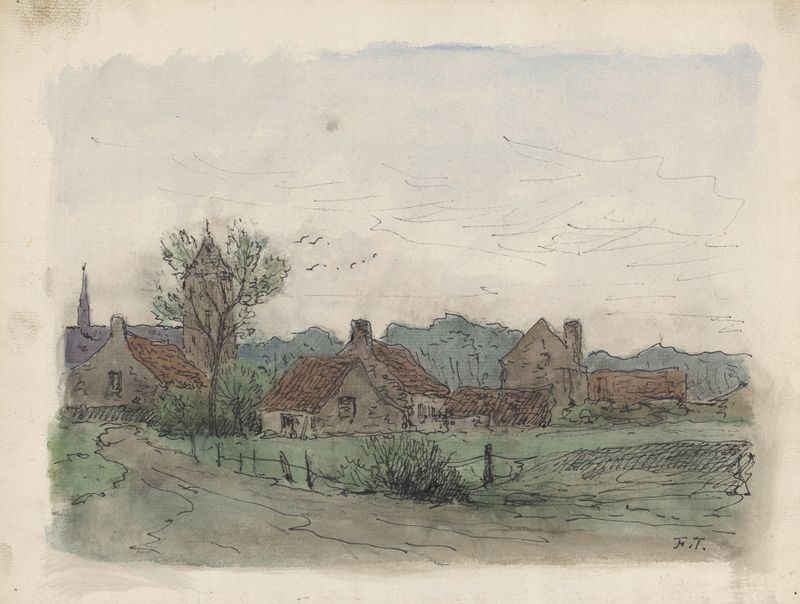
Village
Jean-François Taelemans
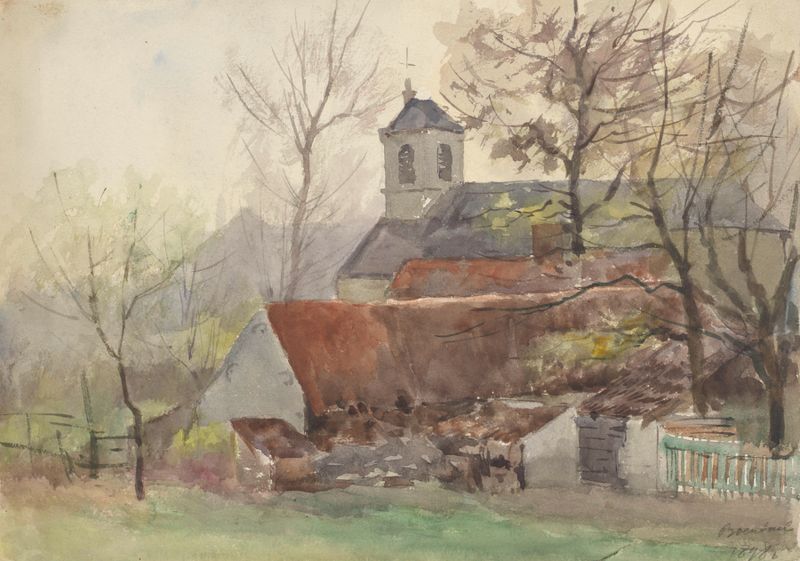
Boendael (église)
Jean-François Taelemans
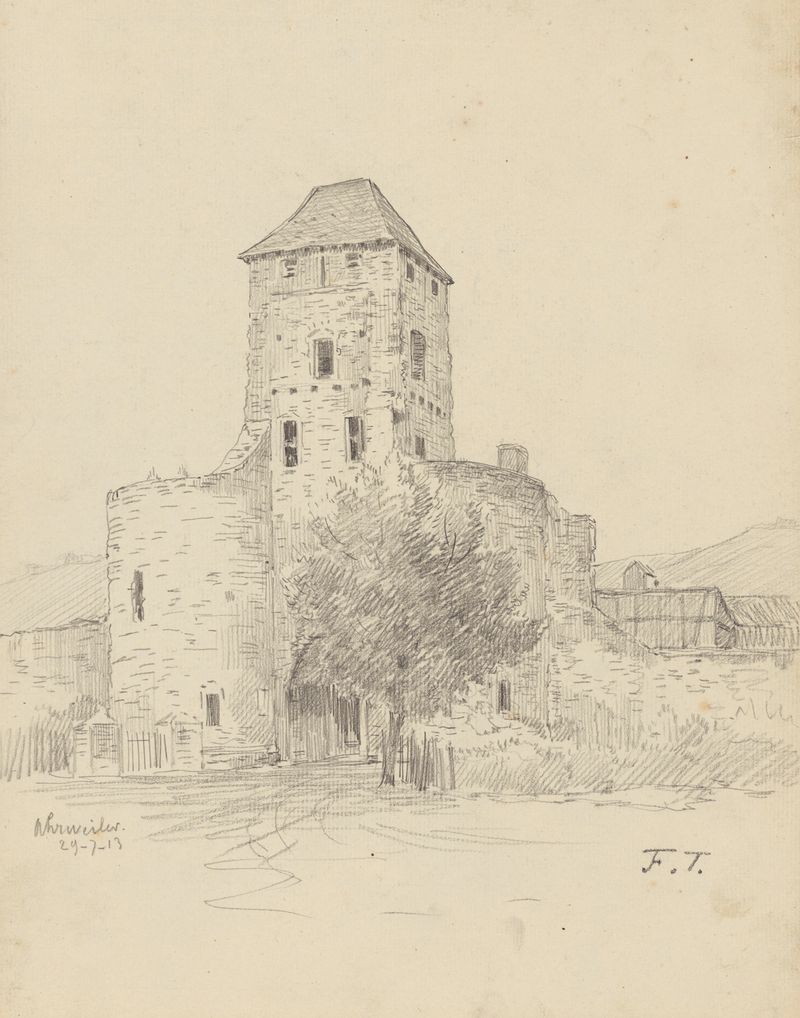
Vieille tour (porte) à Ahrweiler (Allemagne)
Jean-François Taelemans
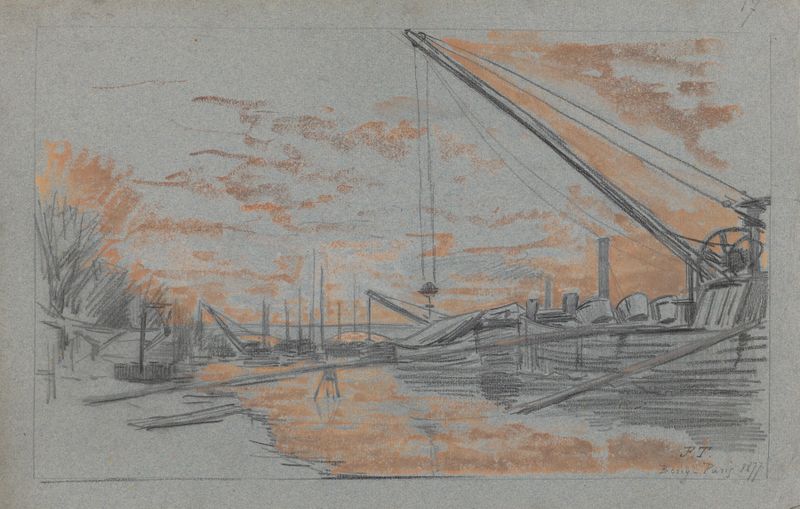
Bercy – Paris (bord de Seine avec chalands à l’ancre en cours de chargement, soleil couchant)
Jean-François Taelemans
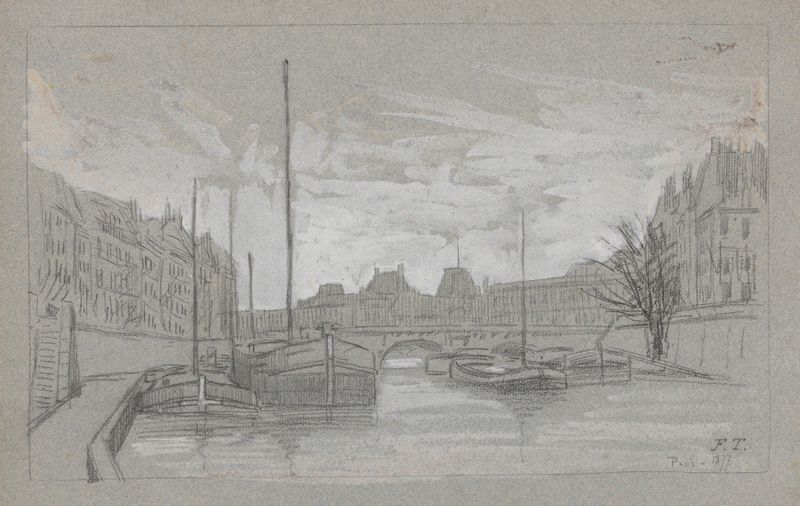
Paris (bateaux sur la Seine près d’un pont)
Jean-François Taelemans
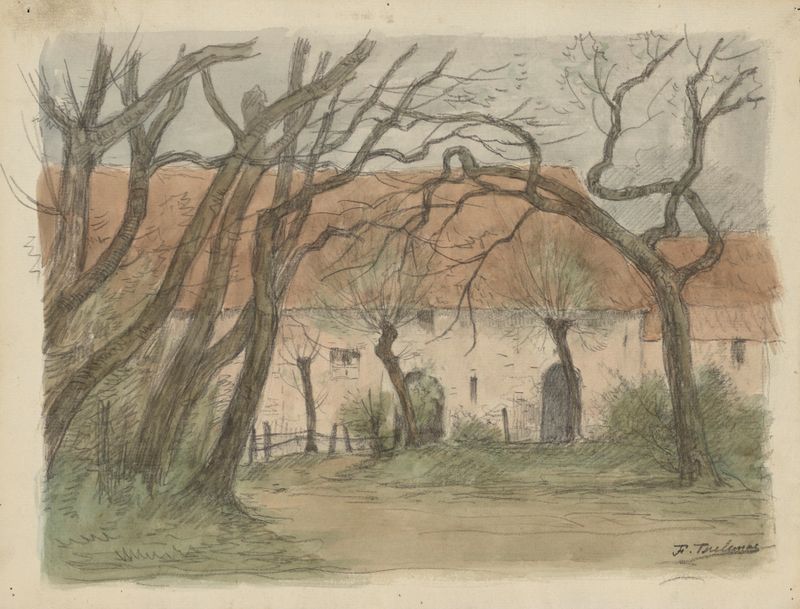
Grande maison campagnarde derrière un bouquet d’arbres
Jean-François Taelemans
More Architecture Art
Browse all →
The statue of Liberty
Frédéric Auguste Bartholdi

View of Houses in Delft, Known as ‘The Little Street’
Johannes Vermeer

View of Houses in Delft, Known as ‘The Little Street’
Johannes Vermeer

The Cathedral in Rouen. The portal, Grey Weather
Claude Monet

The yellow house
Vincent van Gogh

The Church in Auvers-sur-Oise, View from the Chevet
Vincent van Gogh