
Companions — History & Facts
It’s a thought that lingers as one gazes upon the elegant interplay of light and shadow in this artwork. The stillness of the scene belies an undercurrent of emotion, suggesting a deeper narrative of loyalty and resilience amidst the tumult of change. Look to the left at the two figures who, draped in flowing garments, seem to hold an unspoken bond. Their gazes, directed outward, draw you in, inviting reflection on their shared experience.
Notice how the delicate brushwork and warm palette evoke a sense of intimacy, while the contrasting shadows hint at the complexities lurking just beyond the frame. Every detail, from the gentle curve of their hands to the intricate patterns in their attire, reflects careful artistry that enriches the visual storytelling. The juxtaposition of light illuminating their faces against the darker backdrop serves as a metaphor for hope amidst hardship—a nod to the social upheaval of the early 20th century. Their connection crystallizes the tension between individual longing and collective struggle, inviting us to consider the implications of companionship in times of transformation.
This duality resonates, revealing layers of meaning that speak to the broader human experience. Created in 1920, this piece emerged during a time of profound societal change, as the world grappled with the consequences of war and the dawn of modernity. Ernest Haskell, working in an era marked by artistic experimentation and cultural revolution, sought to capture the essence of human connection in his work. This painting stands as a testament to both personal and collective resilience, capturing fleeting moments that echo through time.
More Artworks by Ernest Haskell
Browse all →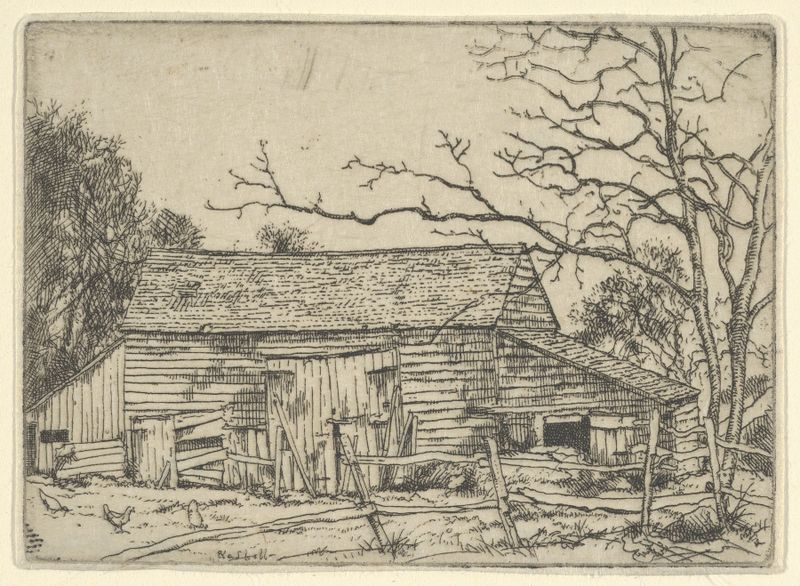
The Barn–Staten Island, N.Y.
Ernest Haskell

Four Live Oaks
Ernest Haskell
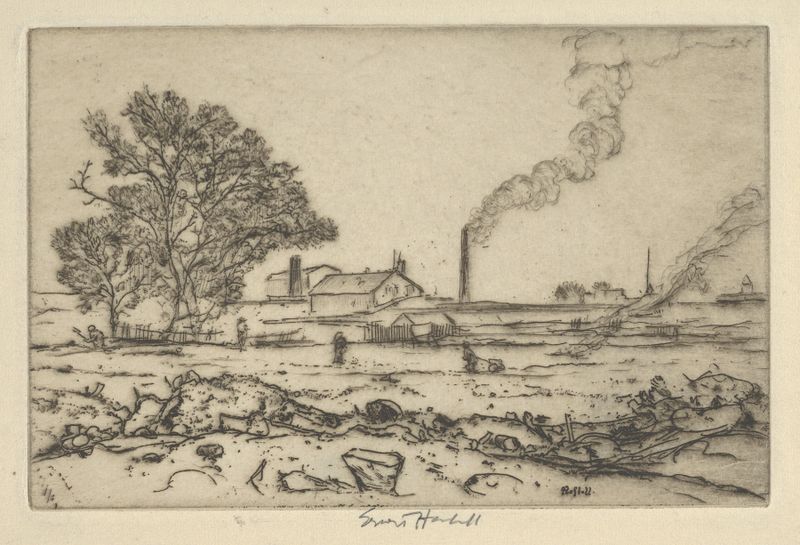
Outskirts of Boston
Ernest Haskell
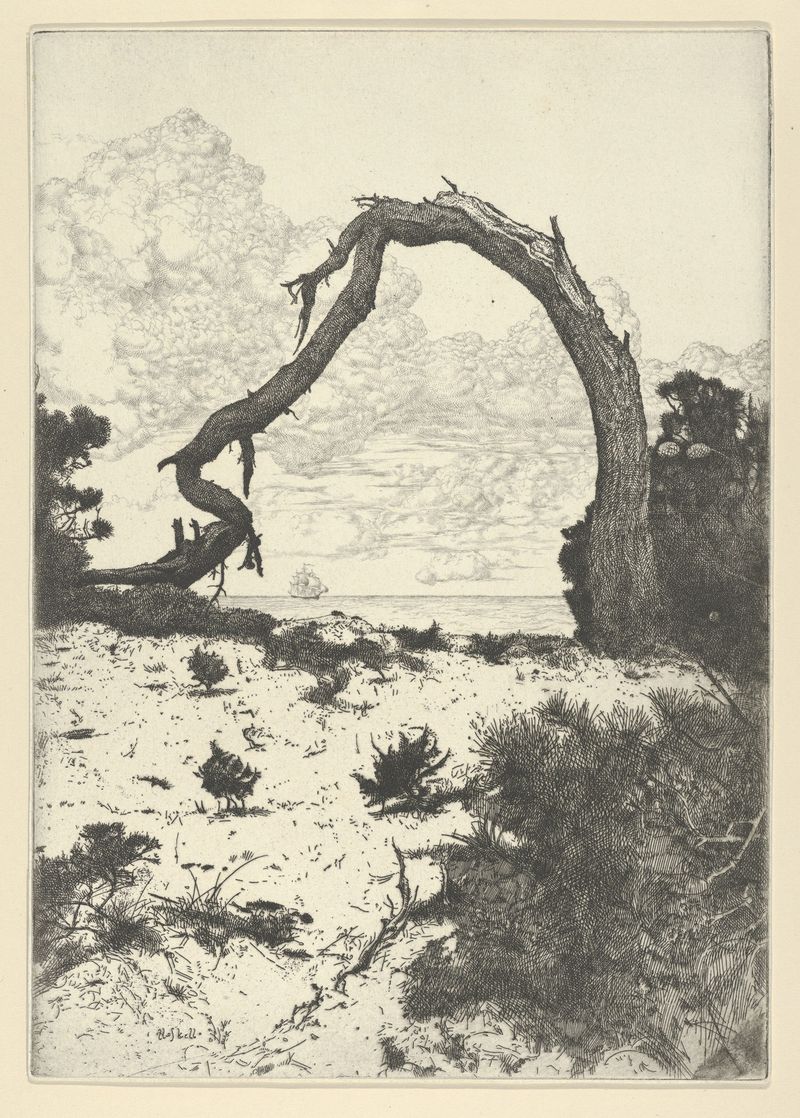
Pine Arch
Ernest Haskell

General Sherman
Ernest Haskell
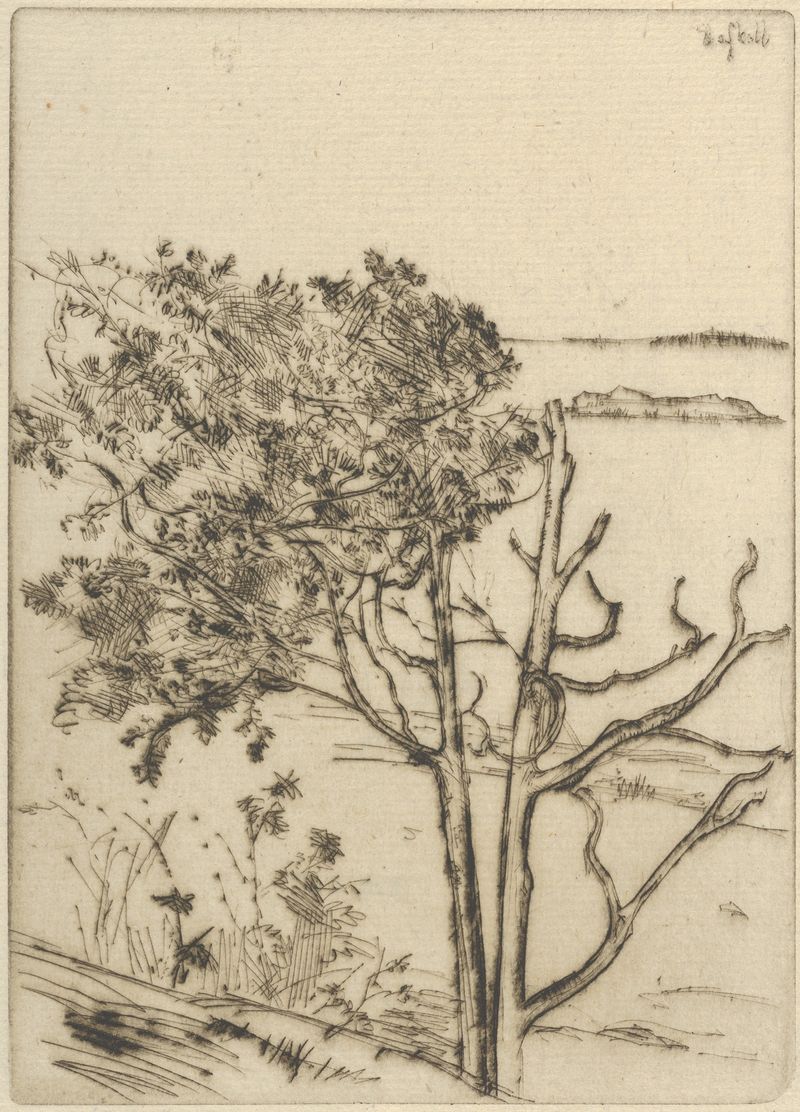
Ragged Tree – Maine
Ernest Haskell

Tide Mill
Ernest Haskell

Ship Building
Ernest Haskell
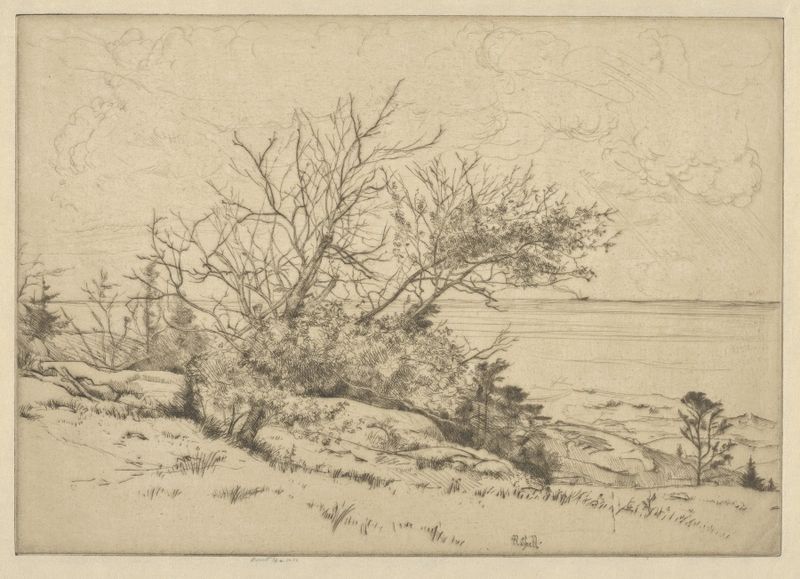
To the Southward – Ragged Island, Me.
Ernest Haskell
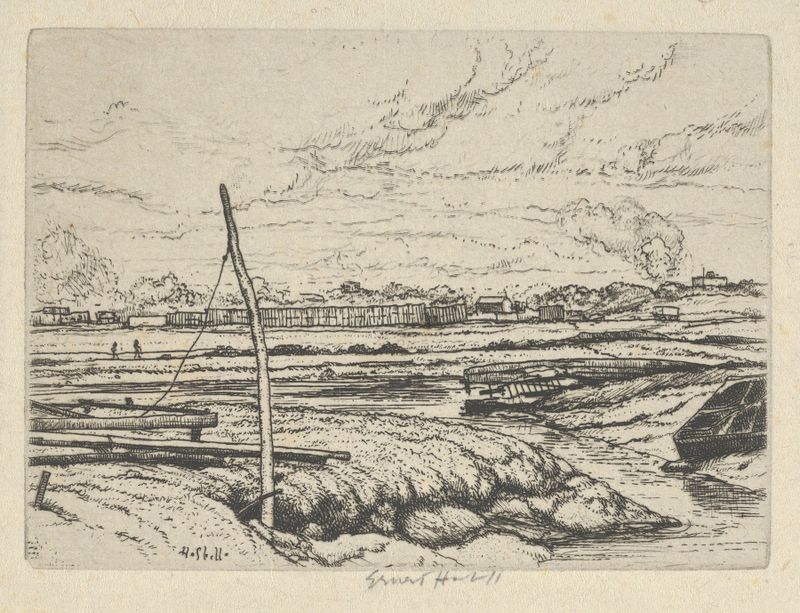
Long Island Marshes
Ernest Haskell





