
Companions — History & Facts
In the delicate interplay of light and shadow, Companions evokes a silent fear, a haunting reminder of the fragility that resides within relationships. Look to the center of the canvas, where two figures lean into each other, their forms entwined yet distant, emphasizing the paradox of closeness and isolation. The muted palette of ochres and grays suggests a world caught between warmth and chill, while the intricate lines of their bodies convey a vulnerability that invites both comfort and discomfort. The soft glow surrounding them creates an ethereal quality, drawing your gaze into the tension of their connection. As you explore further, notice the subtle details — the clenched fingers, the downcast eyes — that reveal an emotional turbulence beneath the surface.
The contrasting textures of their garments symbolize the barriers built in hopes of protection, yet they also expose the truth of their vulnerabilities. This duality speaks to the fear of intimacy, how it can both shelter and suffocate, leaving us haunted by the uncertainties of love. In 1920, Ernest Haskell was navigating a rapidly changing world, marked by the aftermath of World War I and the shifting dynamics of modernity. Living in an era where traditional values clashed with the new, his work reflected a deep engagement with the complexities of human relationships.
This painting encapsulates that struggle, as it merges a personal narrative with the broader societal anxieties of his time, echoing the sentiment of fear woven into the fabric of connection.
More Artworks by Ernest Haskell
Browse all →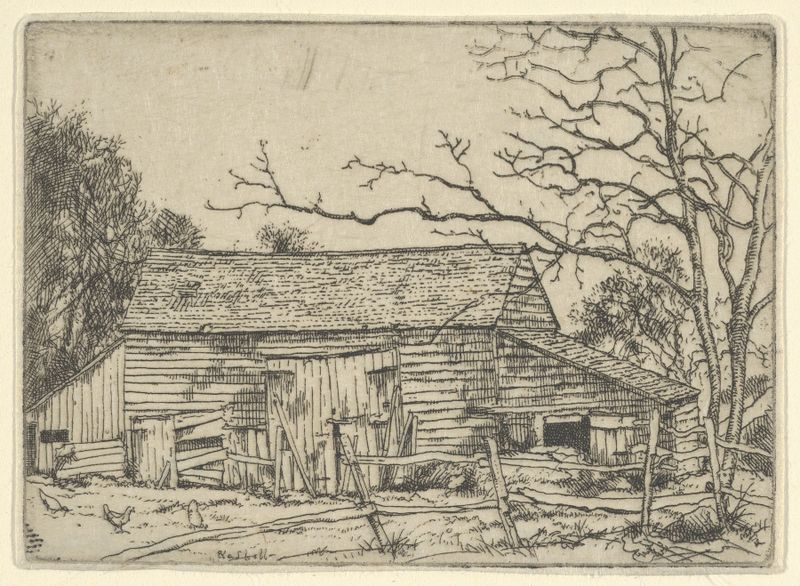
The Barn–Staten Island, N.Y.
Ernest Haskell

Four Live Oaks
Ernest Haskell
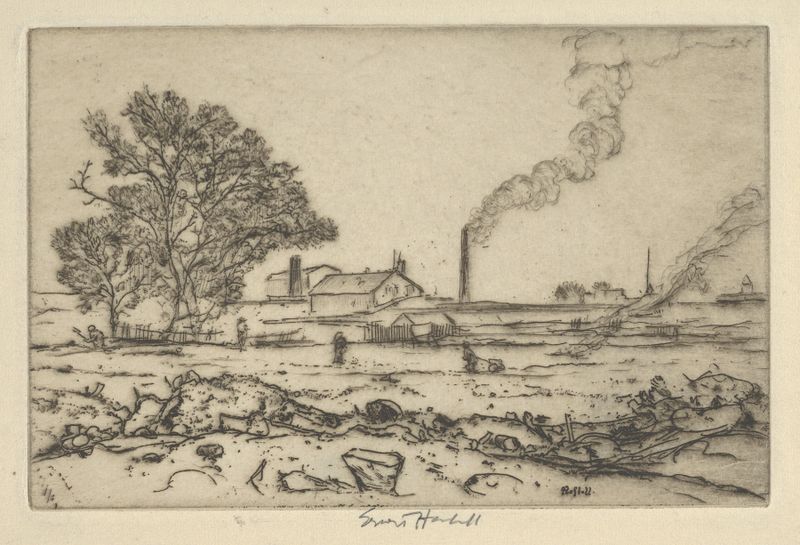
Outskirts of Boston
Ernest Haskell
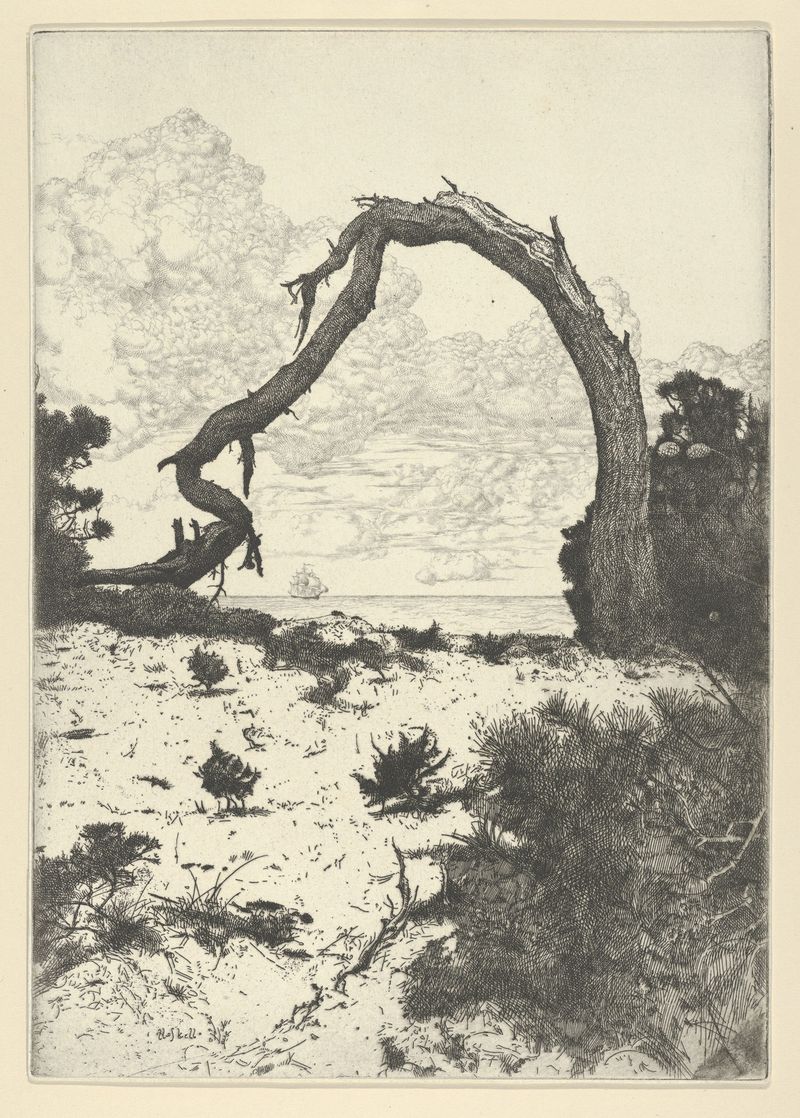
Pine Arch
Ernest Haskell

General Sherman
Ernest Haskell
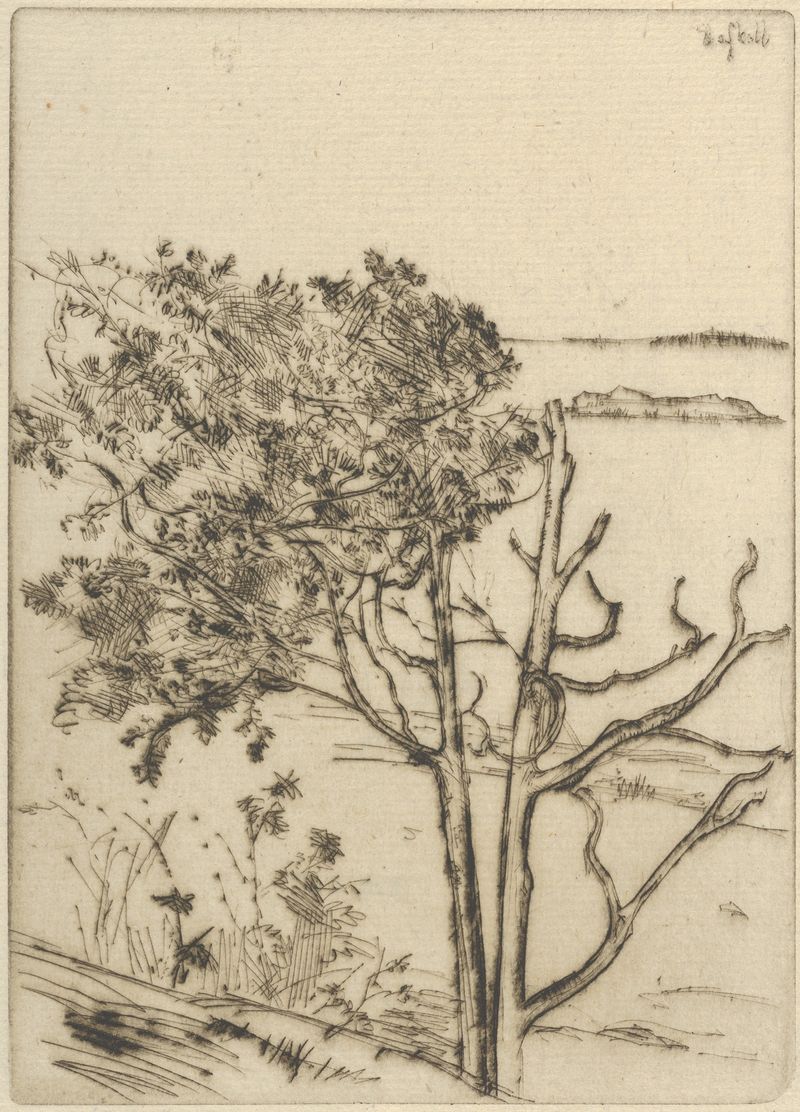
Ragged Tree – Maine
Ernest Haskell

Tide Mill
Ernest Haskell

Ship Building
Ernest Haskell
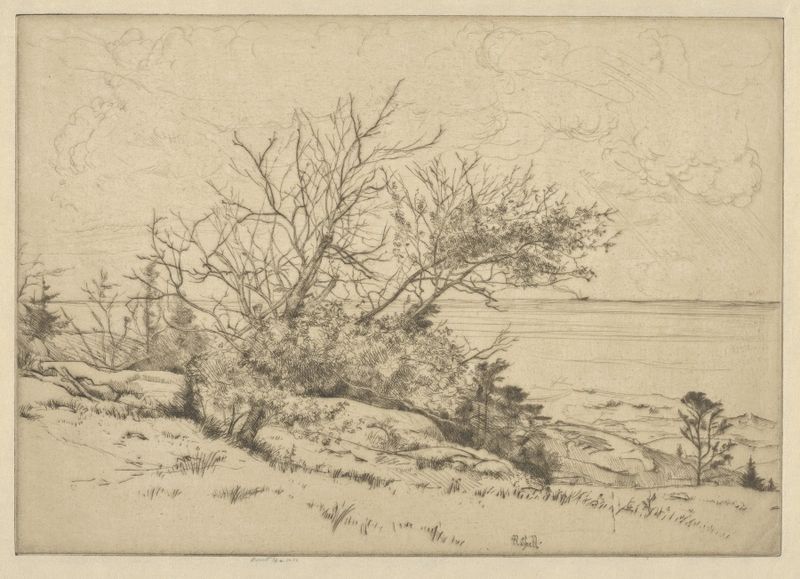
To the Southward – Ragged Island, Me.
Ernest Haskell
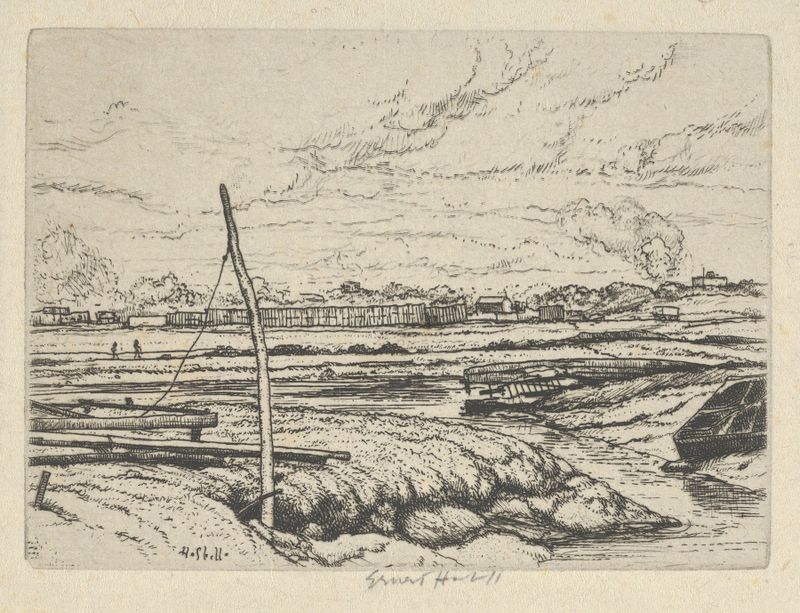
Long Island Marshes
Ernest Haskell





