Conflans — History & Facts
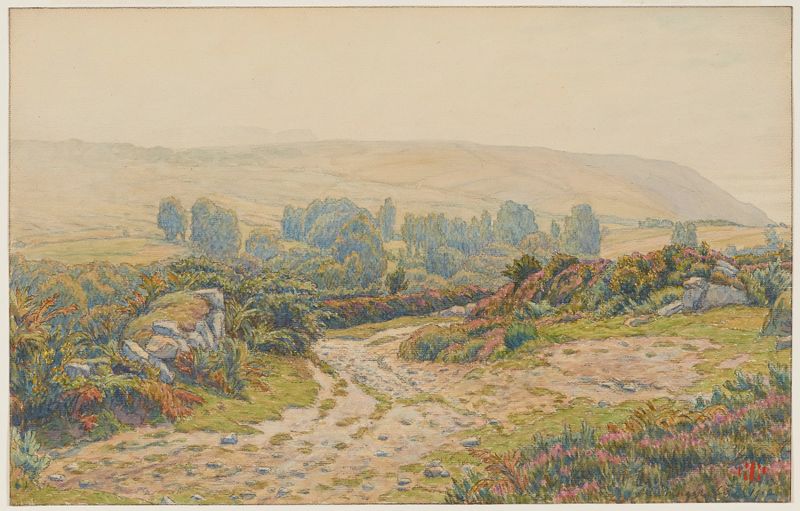
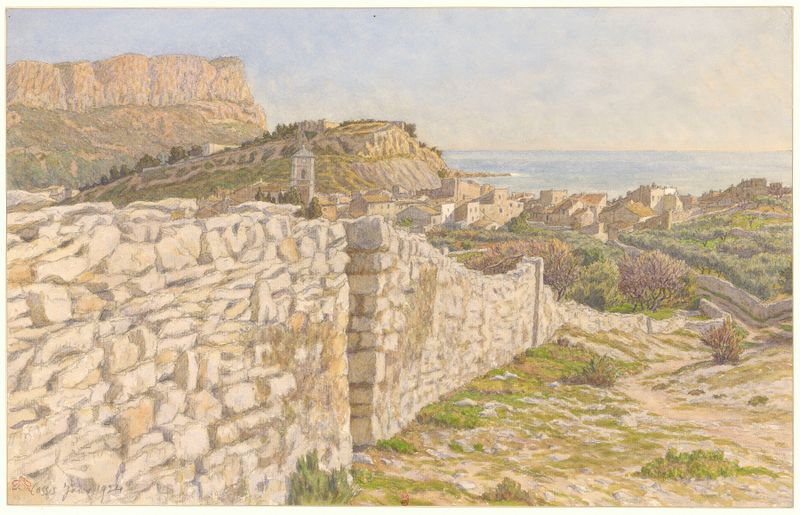
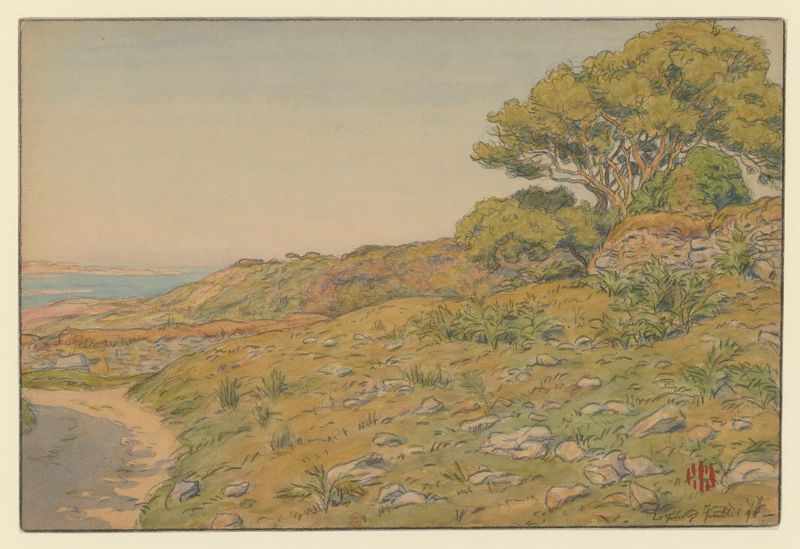
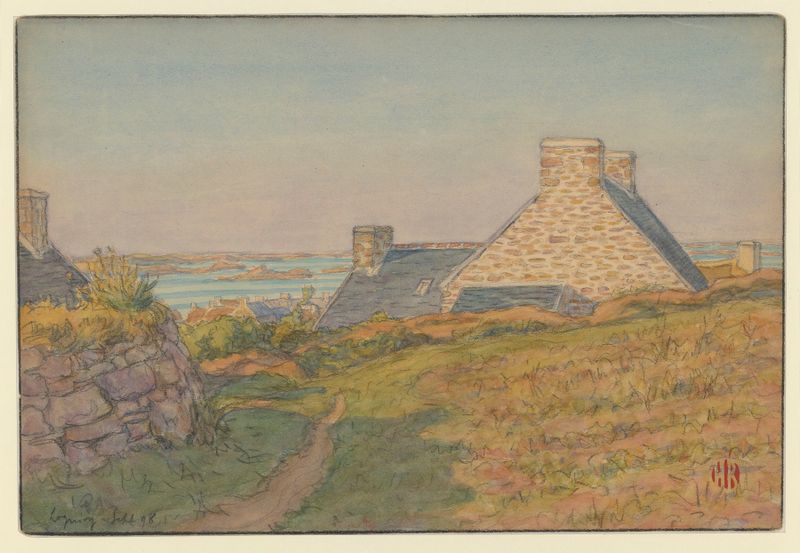
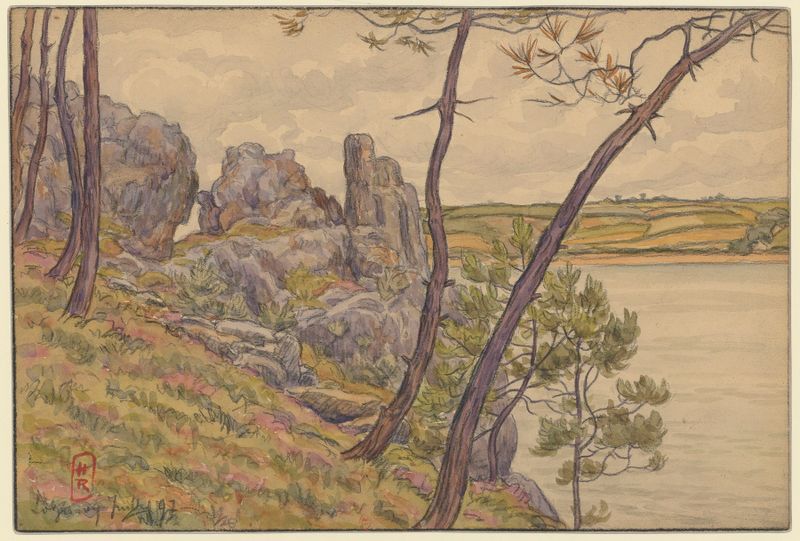
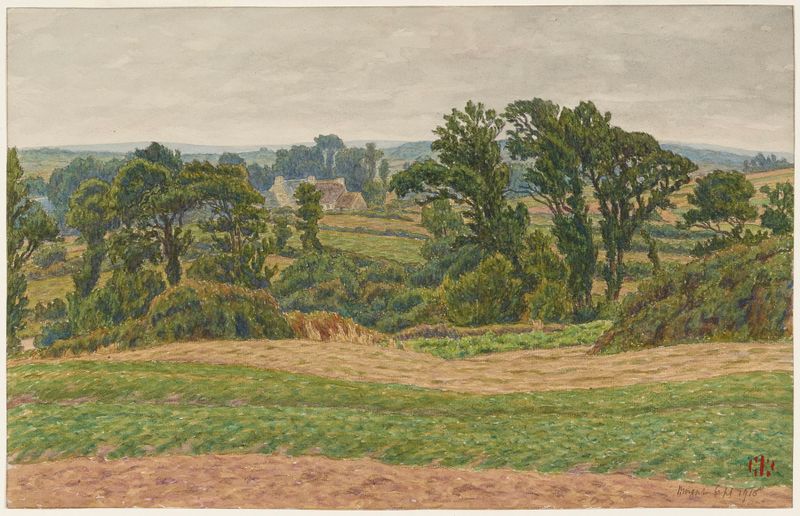
What secret hides in the quiet of the canvas? The stillness of Conflans invites the viewer to explore a world where nature and human presence coexist, whispering truths just beyond the grasp of understanding. Look to the foreground where a soft, meandering river reflects the muted tones of a dusky sky. The gentle curves of the water lead the eye toward a horizon marked by silhouettes of trees and distant hills. Notice how the brushstrokes—delicate and almost ethereal—create a palpable sense of calm, while muted shades of blue and green evoke a serene yet contemplative atmosphere.
The delicate interplay of light and shadow dances across the surface, suggesting movement in a moment that feels frozen in time. Beneath this tranquil exterior lies a rich tapestry of emotional contrasts. The juxtaposition of the flowing river against the stillness of the landscape speaks to the tension between the ever-changing nature of life and the permanence of the earth. Each stroke conveys not only the physicality of the scene but also a deeper yearning for transcendence—a longing to connect with something greater beyond the visible world.
The quietude becomes a portal, inviting reflection on one’s place within the vastness of existence. In 1918, Henri Rivière painted this work in France, a nation emerging from the shadows of World War I. Amidst the devastation, artists sought solace in nature, turning their focus inward, exploring themes of peace and renewal. This piece is a testament to that desire for harmony, capturing a moment of introspection at a time when the world was yearning for healing.