Conflans — History & Facts
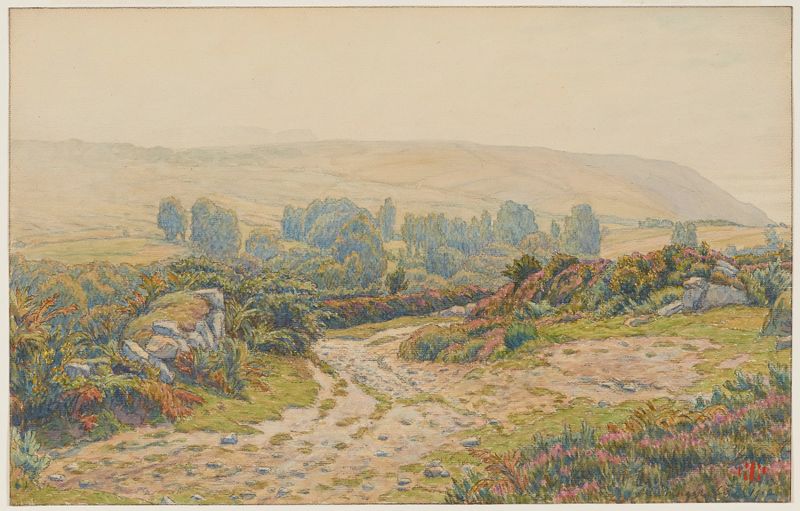
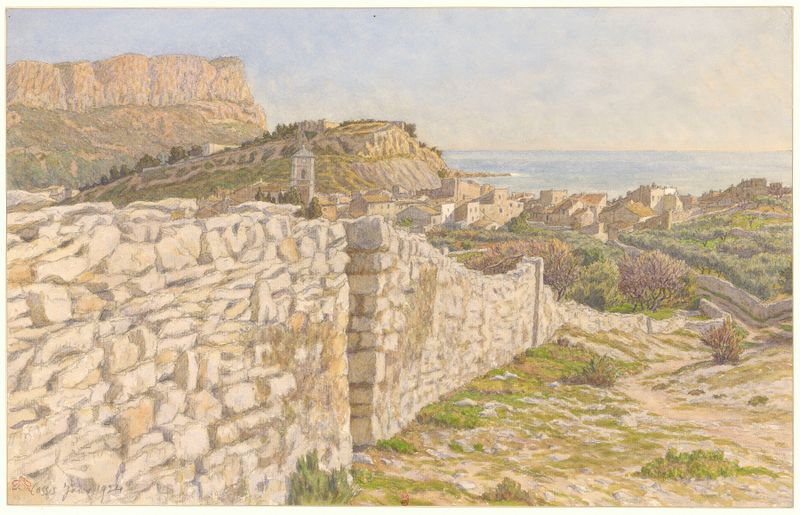
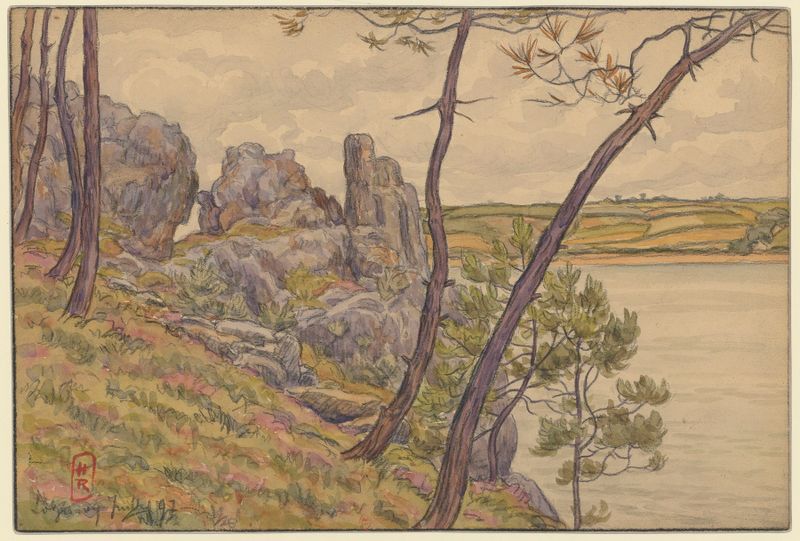
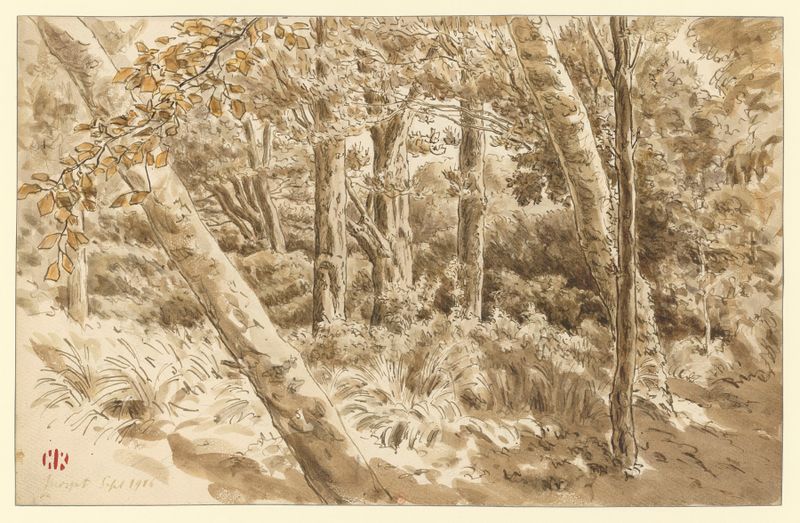
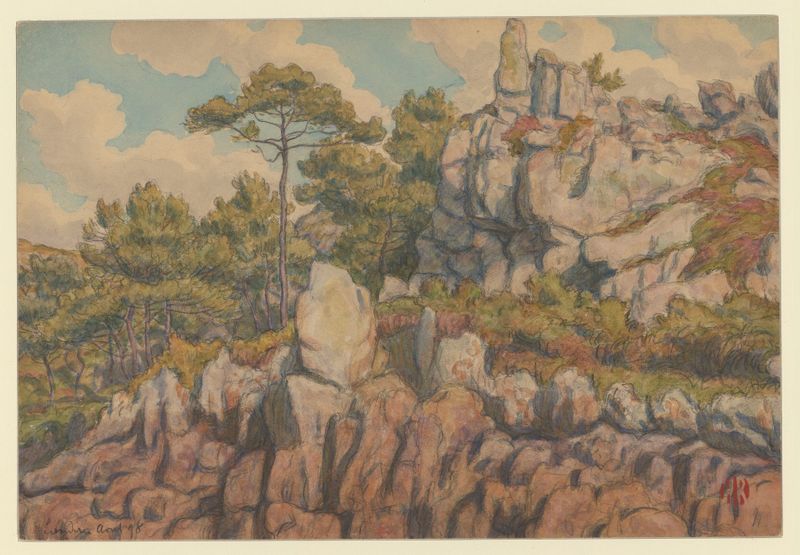
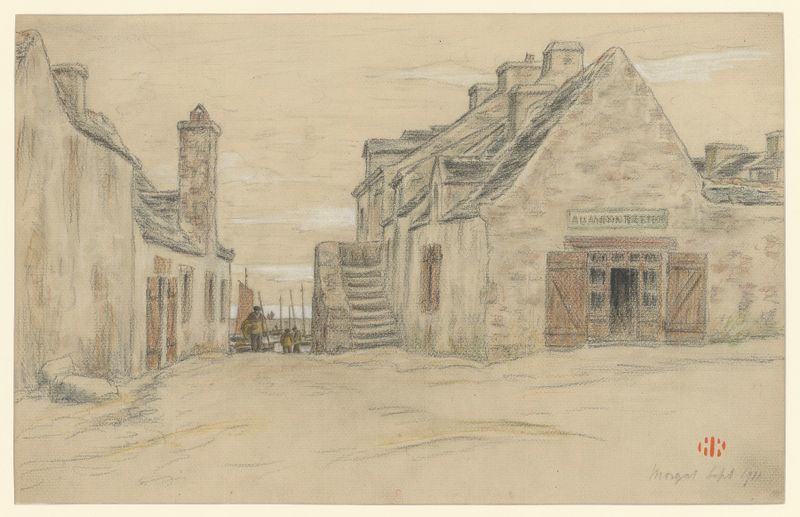
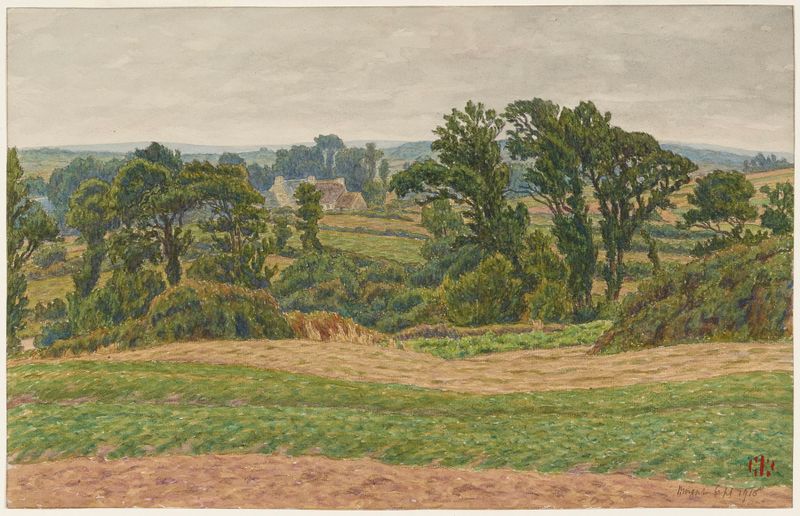
In Conflans, the act of transformation is captured in a gentle embrace between the past and the present, a narrative woven through atmospheric strokes and colors. Look to the center, where the river cuts through the landscape like a silken ribbon, its surface reflecting the delicate hues of a fading sunset. The soft brushwork blends blues and ochres, creating an ethereal quality that invites the viewer into this tranquil realm. Notice how the trees on the banks whisper their secrets, their elongated shadows stretching over water that glimmers as if holding memories of days gone by. Beneath the serene surface lies the tension of change.
The winding river, a symbol of time's relentless passage, flows through the composition, suggesting both continuity and the inevitability of transformation. The juxtaposition of the stillness of nature with the hint of movement in the water speaks to the duality of existence—each moment fleeting, yet forever captured on canvas. The subtle interplay of light and shadow enhances this narrative, revealing the artist’s contemplation of memory and the transience of life. Created in 1918, this piece reflects Henri Rivière’s exploration of landscape during a period marked by turmoil and change.
Living in France amidst the aftermath of World War I, he sought solace in nature, capturing its beauty while also echoing the transformations within society. The artist was deeply influenced by the Symbolist movement, which encouraged the representation of deep emotional and philosophical themes, resonating profoundly through his work.