
Constantijn en de H. Helena — History & Facts
When did color learn to lie? In a world where hues speak truth without disguise, one finds themselves questioning the very nature of representation—where each shade dances between reality and imagination, evoking transcendence. Look to the center of the piece, where figures emerge from a celestial backdrop, embodying both humanity and divinity. The saintly Helena, adorned in flowing robes that capture the light like whispers of grace, extends her hand toward Constantijn, who stands poised yet contemplative. Notice how Hollar employs delicate linework and soft, muted colors, coaxing the viewer’s eye to wander along the contours of their expressions, revealing the intimate moment shared in their gazes.
The subtle play of light creates an ethereal ambiance, inviting the viewer to pause, reflect, and participate in this sacred dialogue. As you delve deeper, consider the contrasts embedded within the composition. The juxtaposition of earthly and heavenly elements suggests a tension between material existence and spiritual aspiration. The intricate drapery of Helena’s garments embodies the clouded reality of human experience, while Constantijn’s poised stature signifies aspiration towards higher ideals.
Each detail, from the halo gently framing Helena’s head to the tender gesture of her hand, draws us closer to the ephemeral connection between the divine and the mortal realm. Wenceslaus Hollar created this evocative work between 1644 and 1661, during a period marked by the Baroque's intricate interplay of form and content. Living in Prague and later in London, Hollar was deeply influenced by the religious and political upheavals of his time. His art reflects a moment of artistic exploration, where the boundary between material and spiritual truths began to blur, inviting viewers to search for meaning beyond the surface.
More Artworks by Wenceslaus Hollar
Browse all →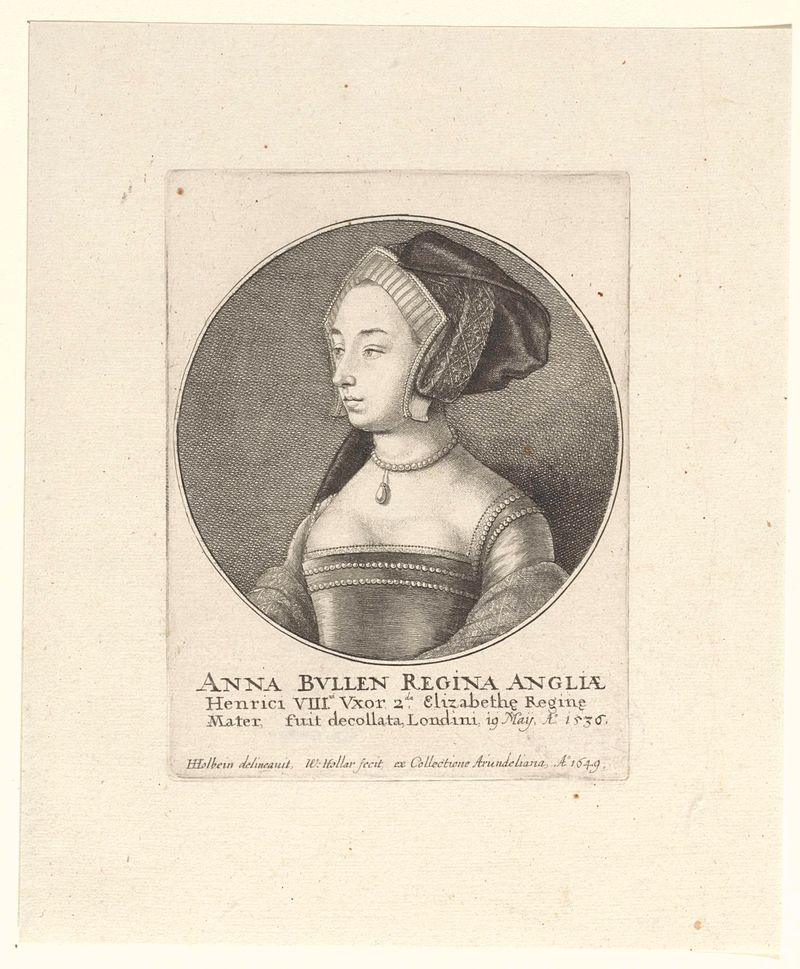
Portret van Anna Boleyn, koningin van Engeland
Wenceslaus Hollar
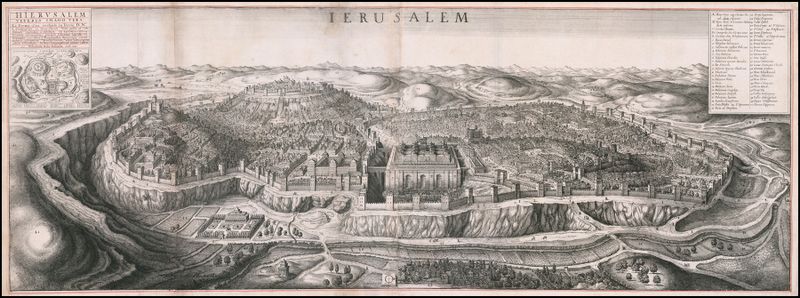
Bird’s eye view of Jerusalem
Wenceslaus Hollar
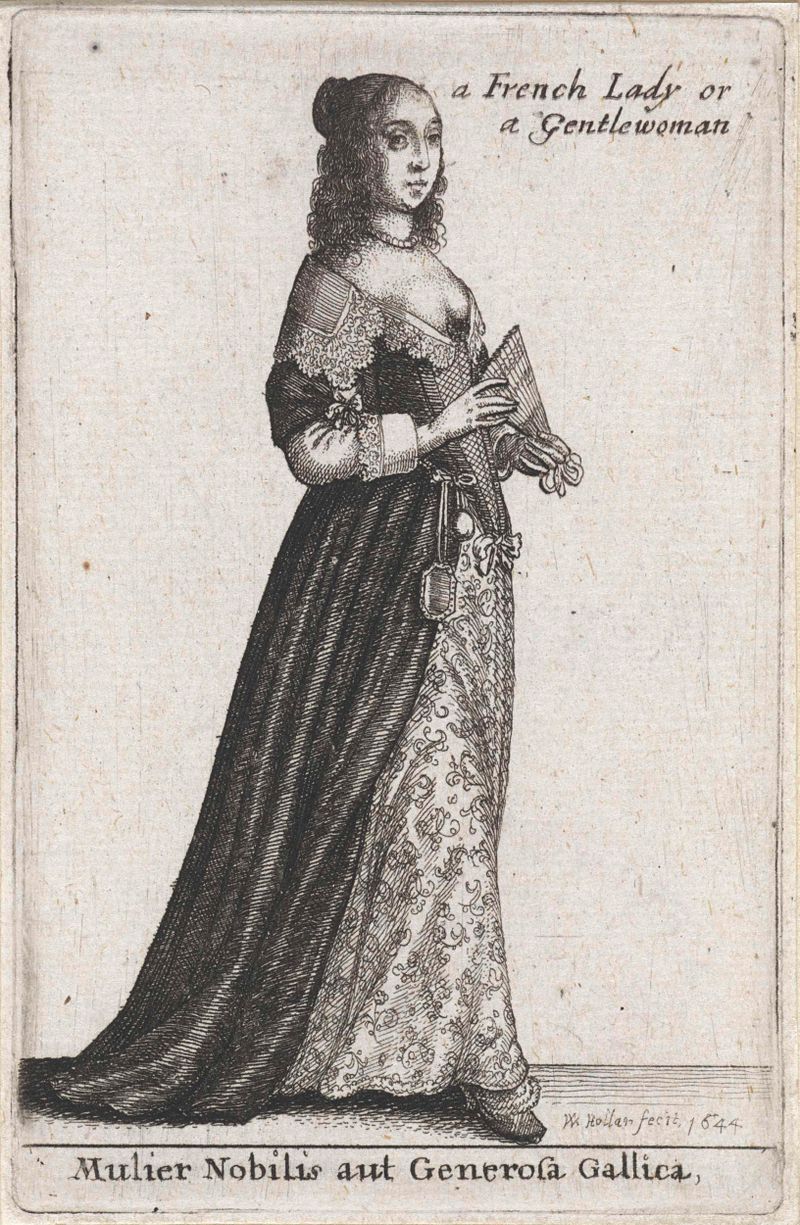
Mulier Nobilis aut Generosa Gallica / a French Lady or Gentlewoman
Wenceslaus Hollar
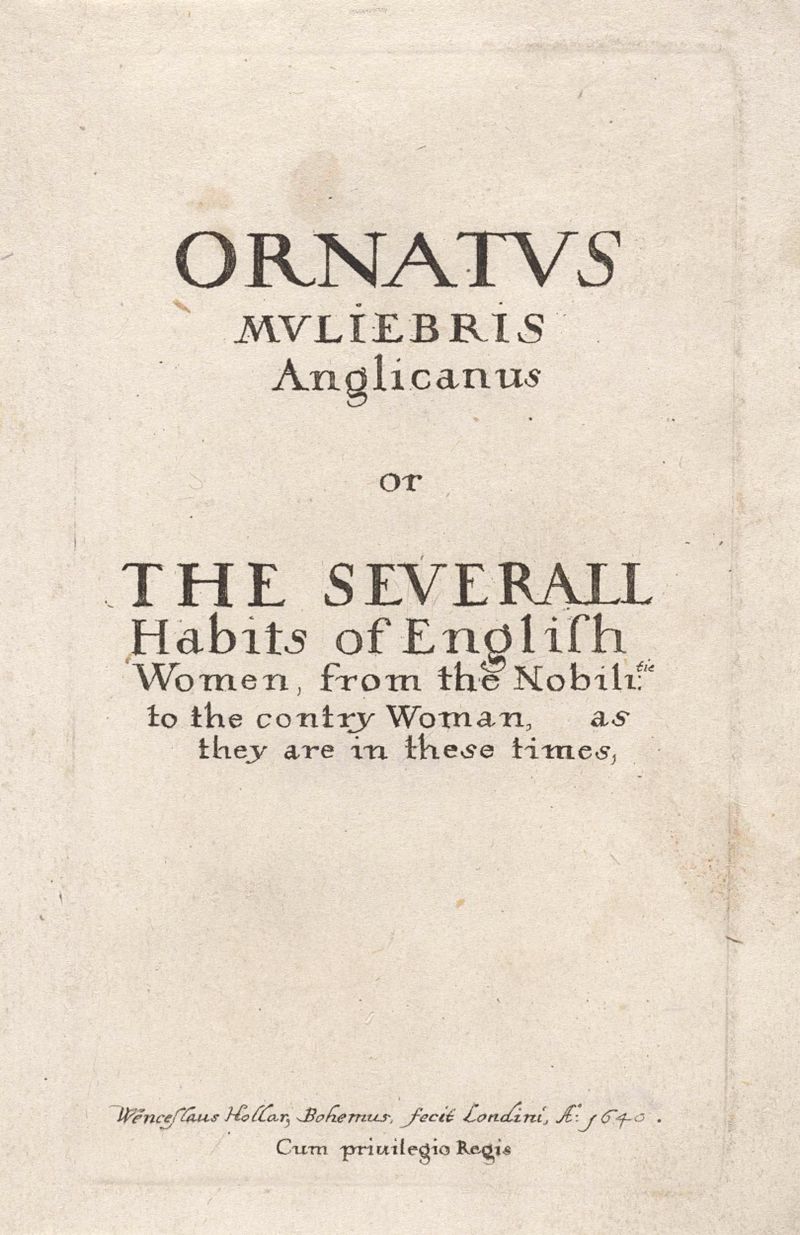
Titelprent voor: Ornatus Muliebris Anglicanus
Wenceslaus Hollar
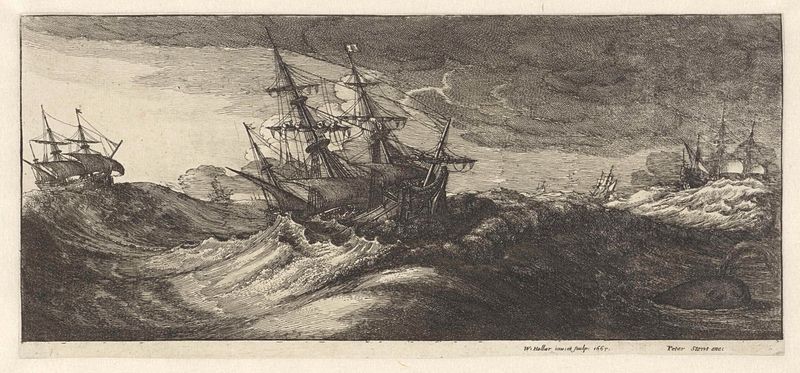
Oorlogsschepen en een walvis in een zeestorm
Wenceslaus Hollar
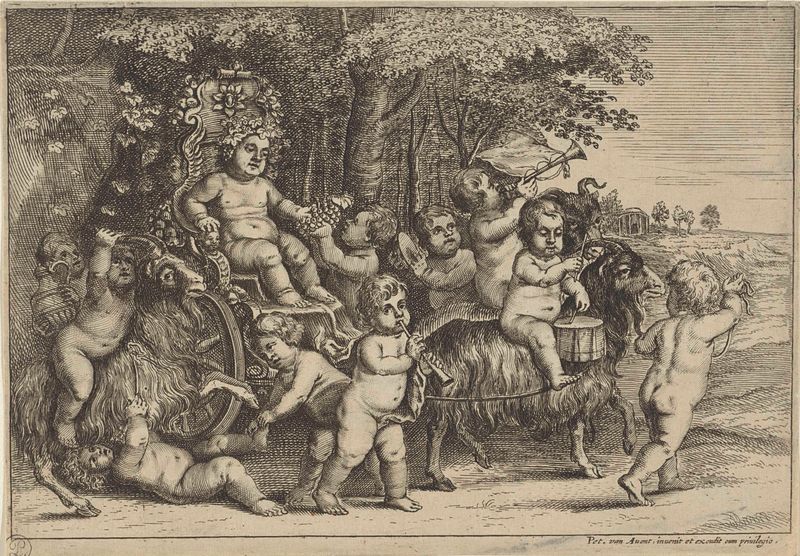
Optocht van bacchant en jongetjes op geiten
Wenceslaus Hollar
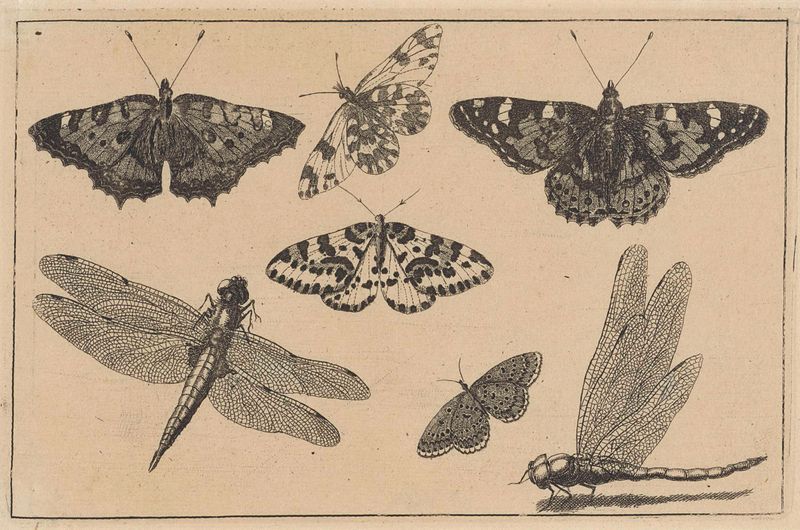
Twee libellen en vijf vlinders
Wenceslaus Hollar
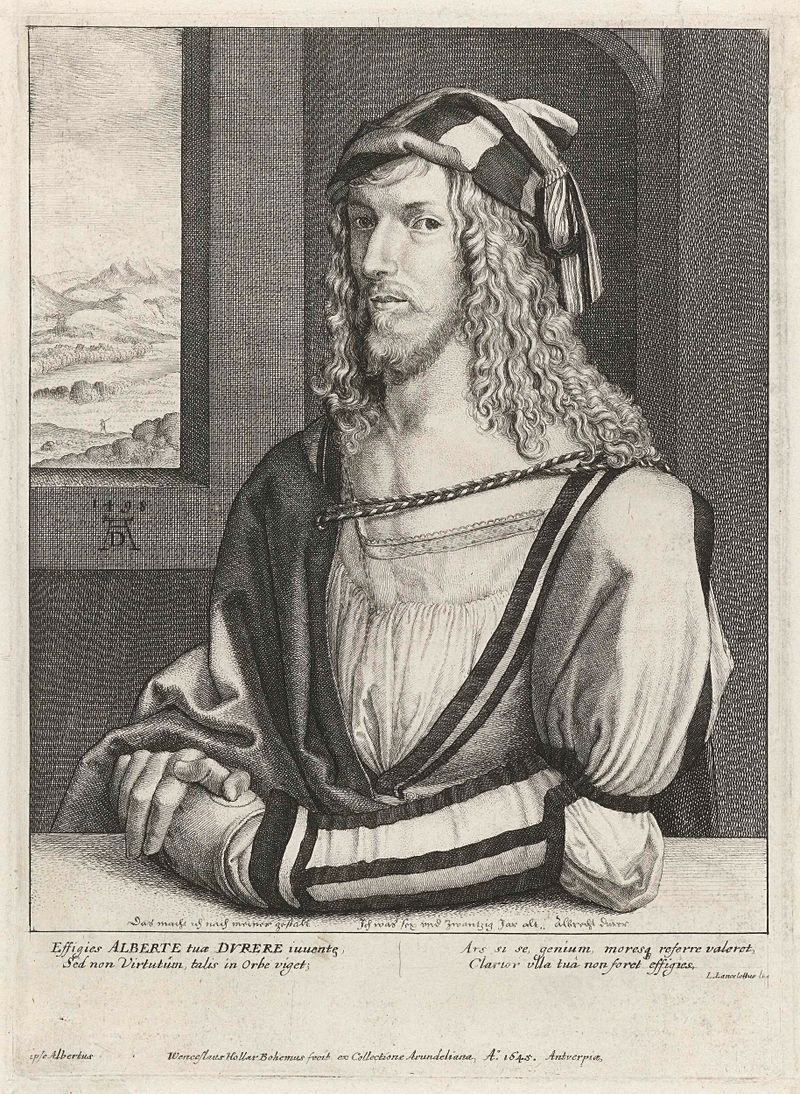
Portret van Albrecht Dürer
Wenceslaus Hollar
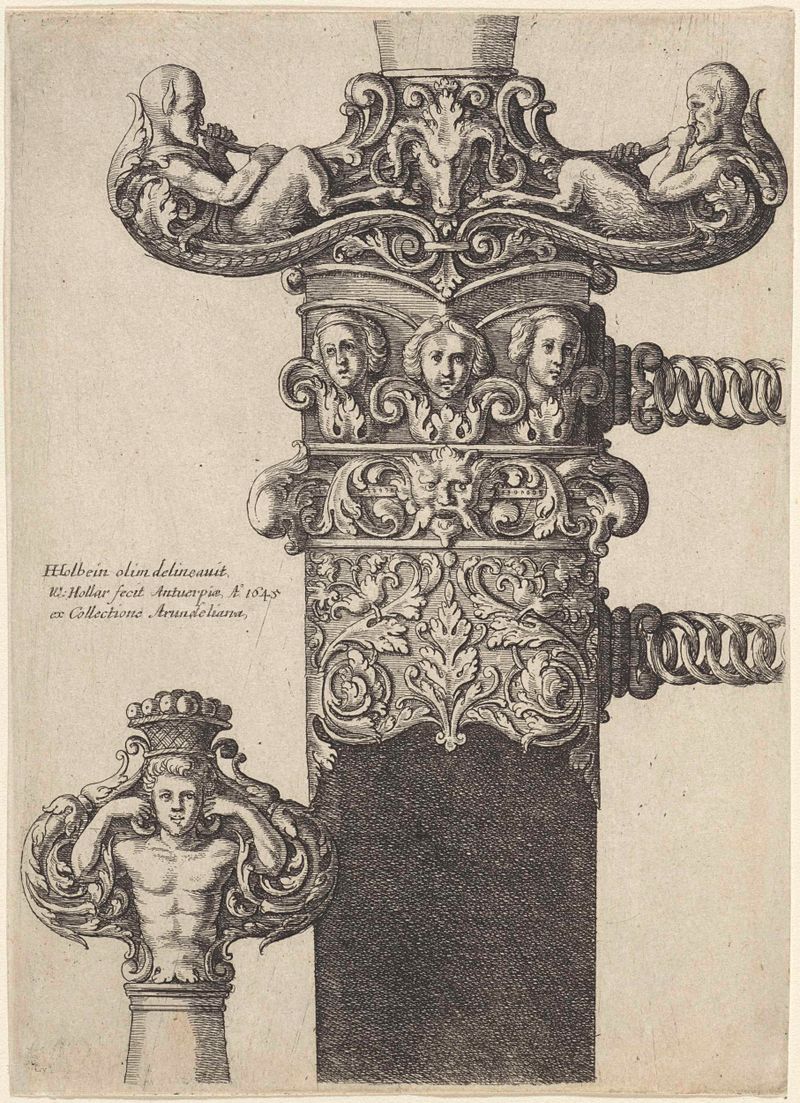
Ornamenteel ontwerp voor een dolk
Wenceslaus Hollar
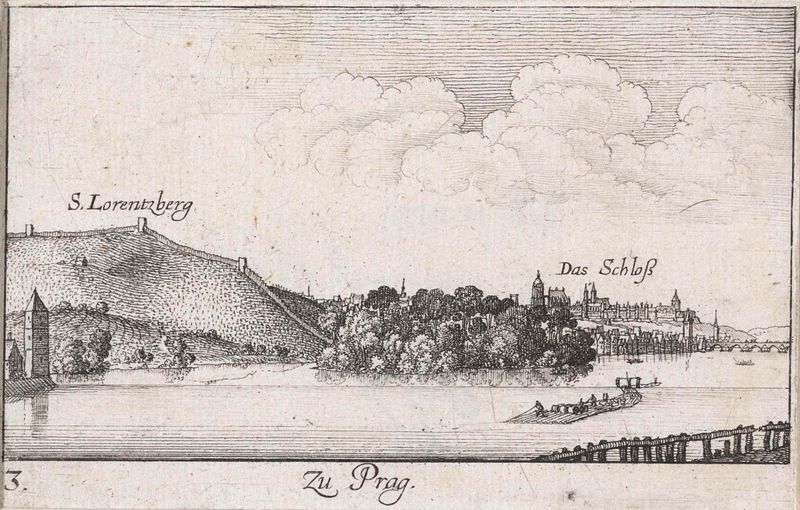
Gezicht op Praag vanaf de Moldau
Wenceslaus Hollar
More Religious Art
Browse all →
The Return of the Prodigal Son
Rembrandt van Rijn

The Garden of Earthly Delights
El Bosco

Count Orgaz’ funeral
El Greco

The Hundred Guilder Print: the central piece with Christ preaching, the plate arched
Rembrandt van Rijn

The Descent from the Cross
Rogier van der Weyden

The return of the prodigal son
Rembrandt van Rijn