
Conway Castle, Wales — History & Facts
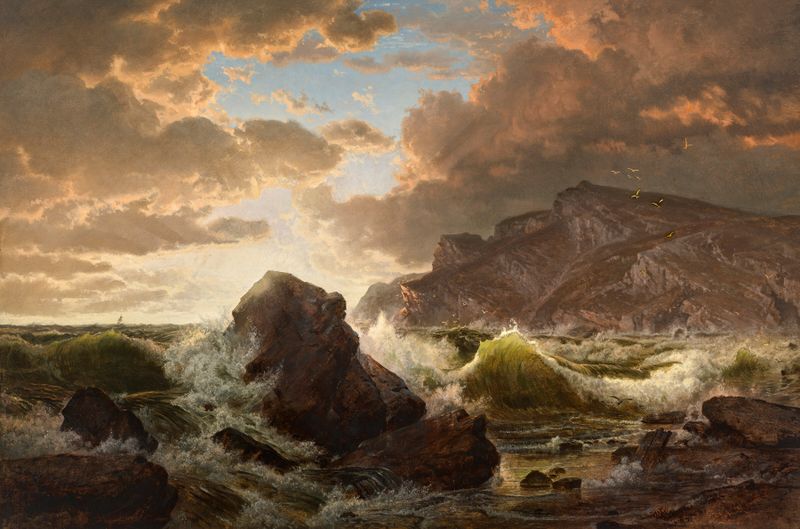
Is this a mirror — or a memory? The undulating waters reflect not just the landscape but the essence of time itself, capturing the fleeting nature of existence. Focus on the center of the canvas where the shimmering lake takes hold of your attention, its gentle ripples pulling you deeper into the scene. Notice how the artist plays with light, illuminating the crags of Conway Castle while casting soft shadows on the water’s surface. The vibrant greens of the surrounding foliage contrast beautifully with the cooler tones of the stone fortress, creating a dynamic interplay between nature and architecture. Yet, within this serene landscape lies a deeper tension.
The juxtaposition of the sturdy, imposing castle against the fluidity of the water evokes a sense of permanence versus transience. The distant mountains, shrouded in mist, hint at the passage of time, reminding us that while structures may stand resolute, memories are ever-changing. This delicate balance between solidity and movement is palpable, inviting contemplation of what endures and what fades. In 1880, while painting this work, the artist was immersed in the American landscape tradition but sought to redefine its boundaries.
Living in the aftermath of the Civil War, he was increasingly influenced by a desire to connect deeply with nature and embody its spirit in his art. This period marked a pivotal moment in the evolution of landscape painting, as artists began to explore their emotional responses to the environment, a theme that Richards captures so poignantly in this piece.
More Artworks by William Trost Richards
Browse all →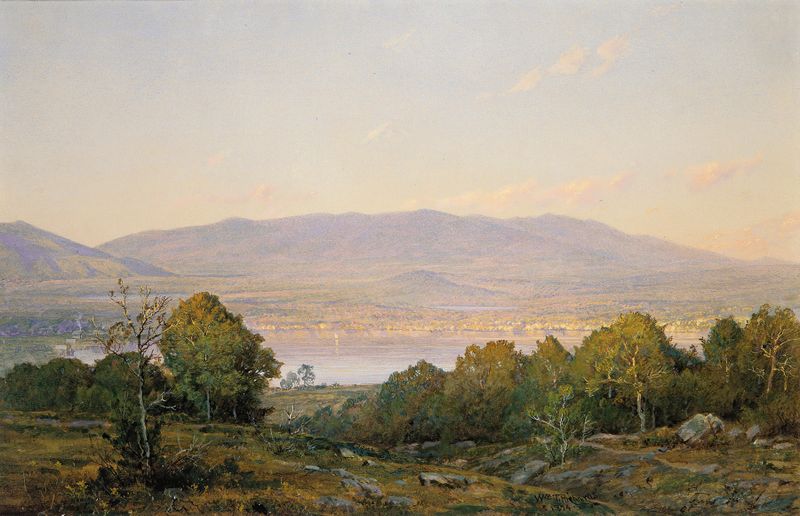
Sundown at Centre Harbor, New Hampshire
William Trost Richards
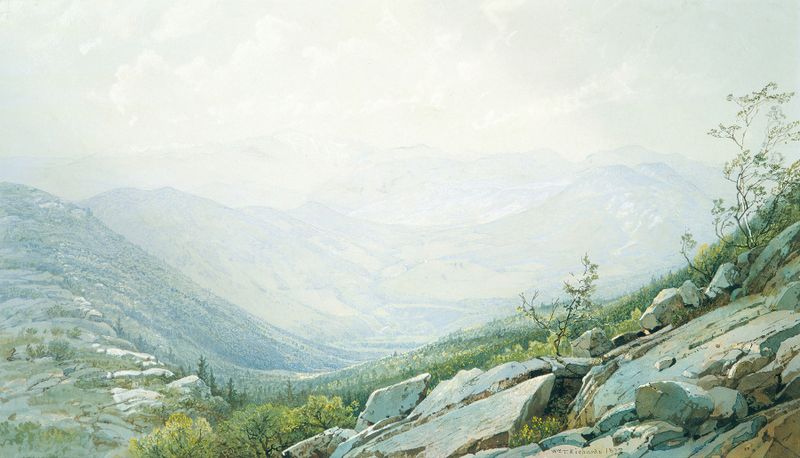
The Mount Washington Range, from Mount Kearsarge
William Trost Richards
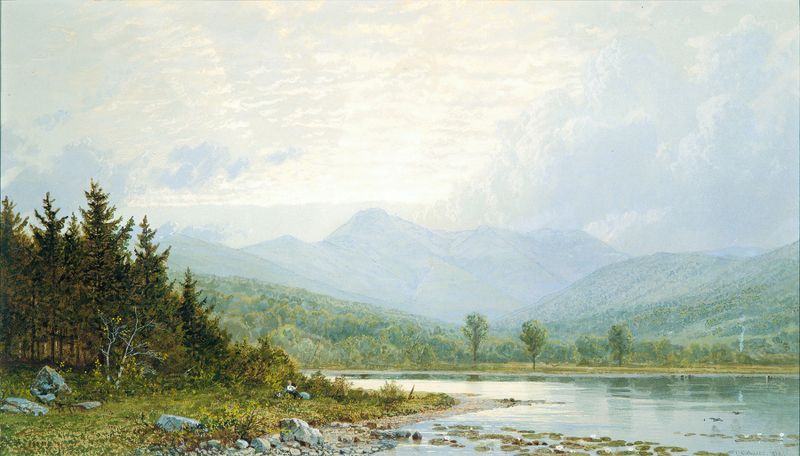
Sunset on Mount Chocorua, New Hampshire
William Trost Richards
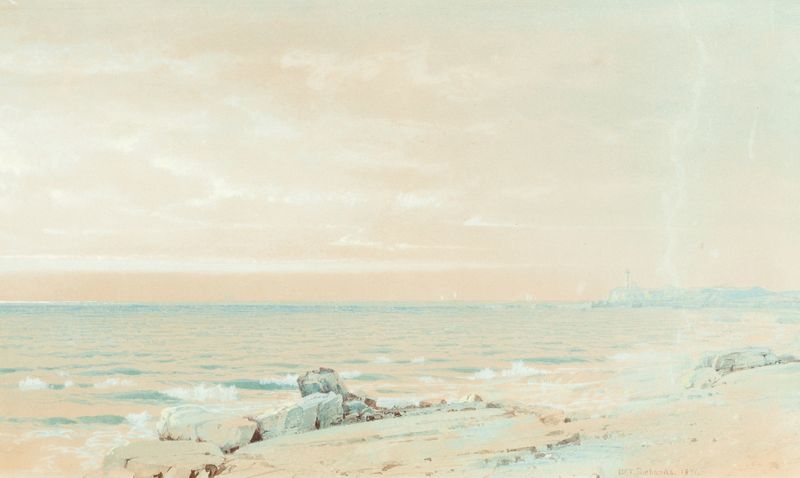
Point Judith
William Trost Richards

Moonlight on Mount Lafayette, New Hampshire
William Trost Richards

Point Judith
William Trost Richards

Dunes Near Atlantic City
William Trost Richards

Near Lands End, Cornwall
William Trost Richards
Coastal Scene
William Trost Richards

Crashing Waves
William Trost Richards





