
Cornfield — History & Facts
In the realm of color, the canvas breathes life into the golden hues of a cornfield, inviting the viewer to pause and reflect. Look to the center of the piece, where vibrant, sunlit stalks rise in majestic waves, rippling under an invisible breeziness. The artist's deft hand captures the interplay of light and shadow, as earthy ochres and deep greens collide in a dance of harmony. The horizon unfolds gently, guiding your gaze across a vast, open sky brushed with soft blues, where clouds linger like whispers of forgotten dreams. Beneath the surface, tension simmers between the serenity of the landscape and the looming shadows that suggest an unseen threat.
The juxtaposition of the lush, ripening corn against the expansive sky evokes a sense of abundance and vulnerability. Each stroke conveys the duality of nature—its beauty and its potential for change, hinting at the transient nature of life itself. In the 1660s, while creating this poignant work, the artist found himself amid the Dutch Golden Age, a period flourishing with advancements in art and science. Van Ruisdael, known for his landscapes, aimed to elevate the ordinary into the extraordinary, capturing the essence of the natural world.
His meticulous attention to detail and mastery of light reflected both personal introspection and the broader cultural shifts of his time, as he navigated the complexities of a rapidly transforming society.
More Artworks by Jacob van Ruisdael
Browse all →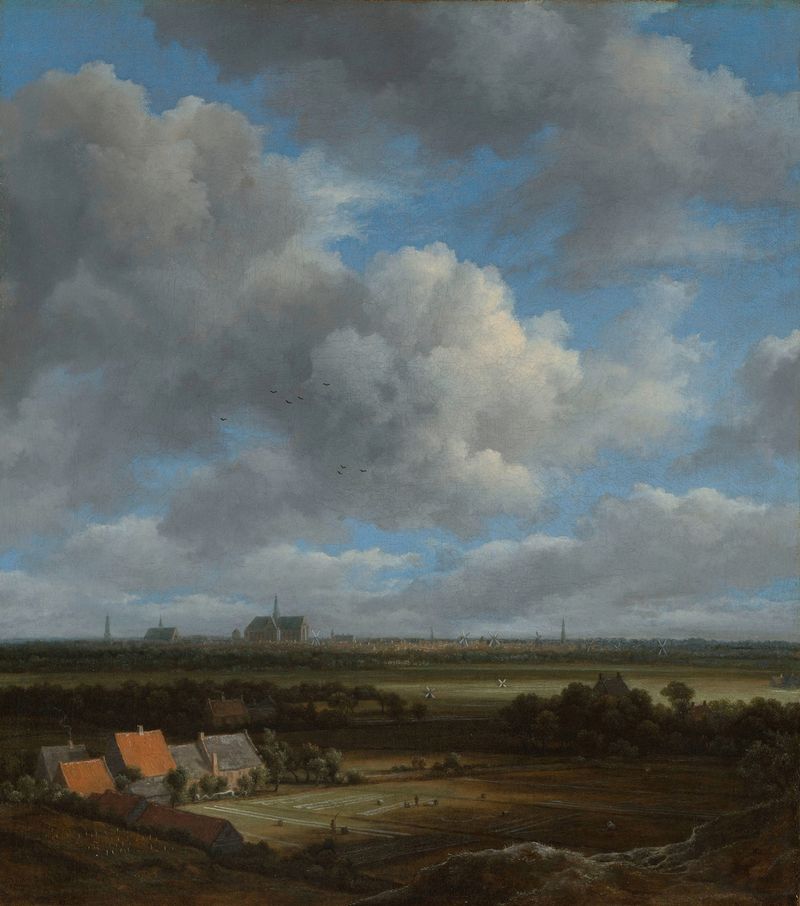
View of Haarlem from the Northwest, with the Bleaching Fields in the Foreground
Jacob van Ruisdael
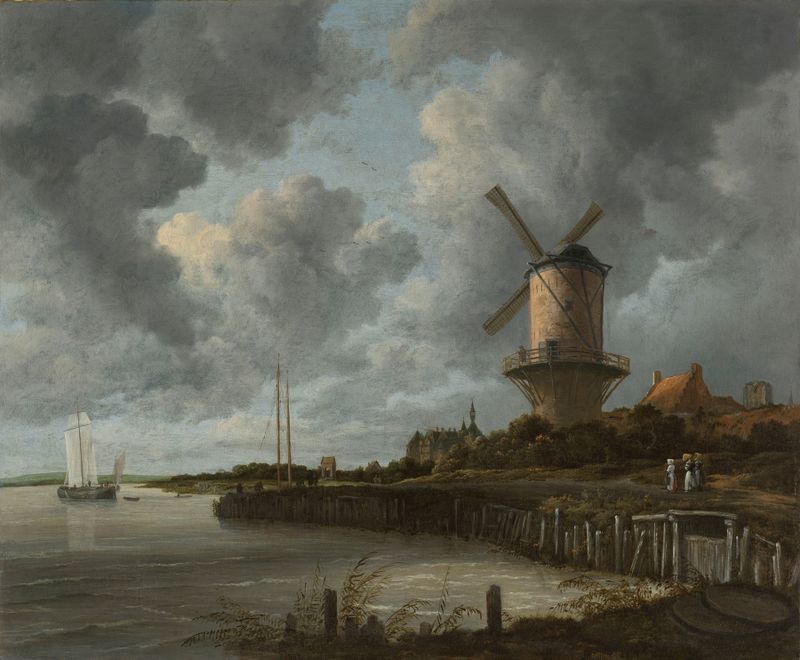
The Windmill at Wijk bij Duurstede
Jacob van Ruisdael
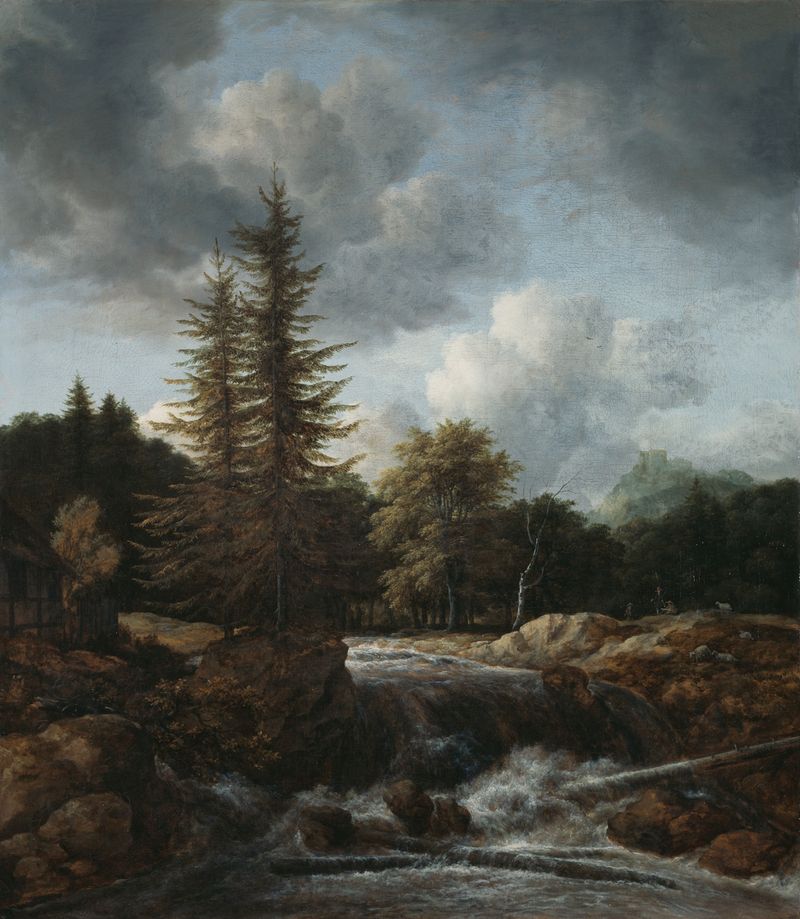
Landscape with Waterfall
Jacob van Ruisdael
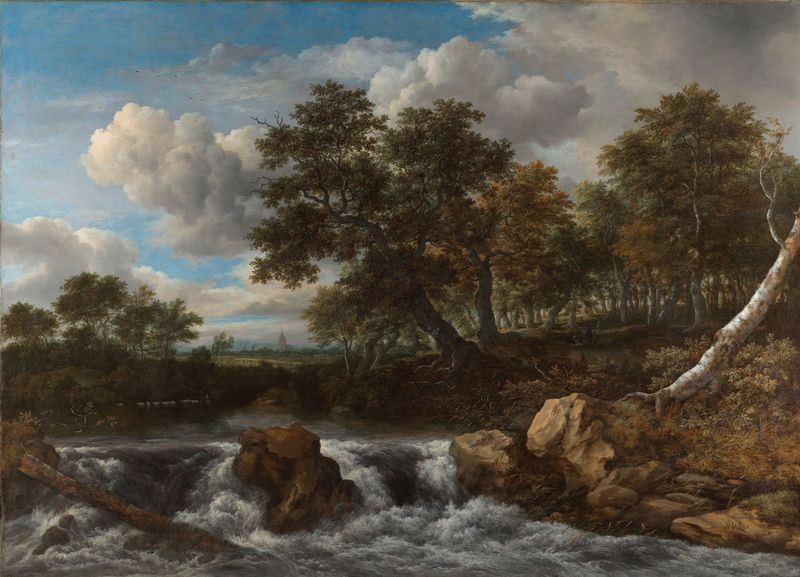
Landscape with Waterfall
Jacob van Ruisdael
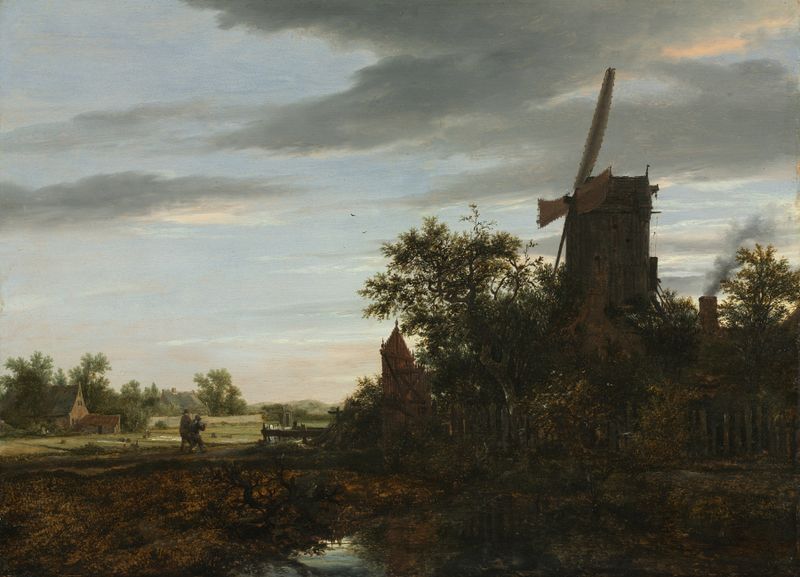
Landscape with a Windmill
Jacob van Ruisdael

Wooded hillside with a view of Bentheim Castle
Jacob van Ruisdael
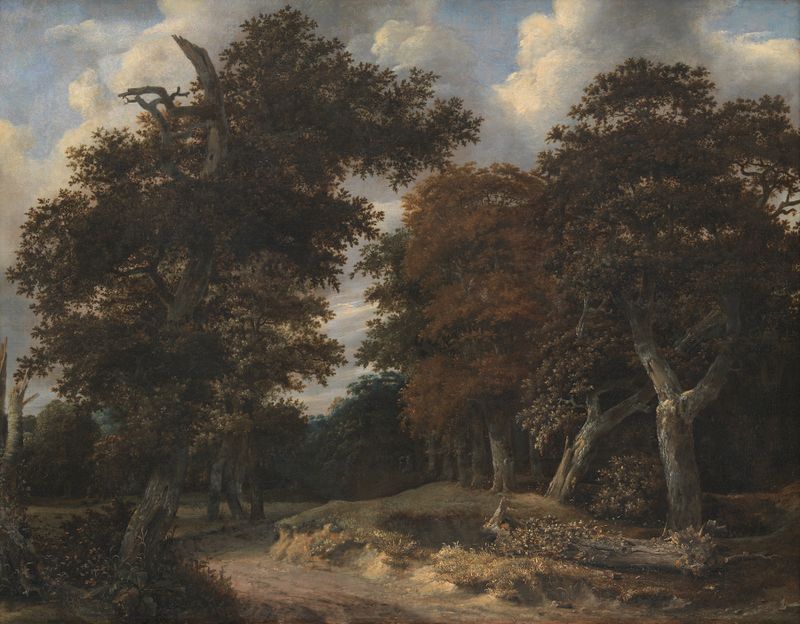
Road through an Oak Forest
Jacob van Ruisdael

Landscape with a Church
Jacob van Ruisdael

The Forest Stream
Jacob van Ruisdael

The Jewish Cemetery
Jacob van Ruisdael





