
Corpus Christi Church in Krakow — History & Facts
Beneath the surface of serene architecture lies a deeper struggle, a madness that dances in the shadows of grandeur. Look closely at the intricate details of the church façade. Notice how the ornate carvings play with light and shadow, where brilliant gold highlights mingle with deep, foreboding crevices. The cool blues and warm ochres create a tension, drawing the eye towards the soaring spires while hinting at the chaos of emotions that may linger within the stone.
The composition is meticulously balanced, yet there’s an unsettling energy beneath its beauty, inviting contemplation. As you immerse yourself in the scene, observe the solitary figures at the base of the church, almost engulfed by its looming presence. They are dwarfed by the structure, symbolizing the overwhelming weight of faith, tradition, and perhaps despair. The juxtaposition of their smallness against the vastness of the church evokes a sense of both reverence and alienation, a reflection on the psychological burdens that accompany belief and belonging. Leon Wyczółkowski painted Corpus Christi Church in Krakow in 1903, a period during which he was deeply engaged with Poland’s cultural heritage and the revival of national identity in art.
Living in Krakow, he sought to capture the spirit and beauty of the city amidst the changing tides of European art movements. This work emerged at a time when artists were exploring the intersection of personal emotion and historical significance, a theme that resonated deeply within his oeuvre as he navigated the complexities of modernity.
More Artworks by Leon Wyczółkowski
Browse all →
Las zimą
Leon Wyczółkowski
Saint Stanislaus
Leon Wyczółkowski
Amfiteatr w Łazienkach pod śniegiem (strona prawa)
Leon Wyczółkowski
Sea at Połąga IV
Leon Wyczółkowski
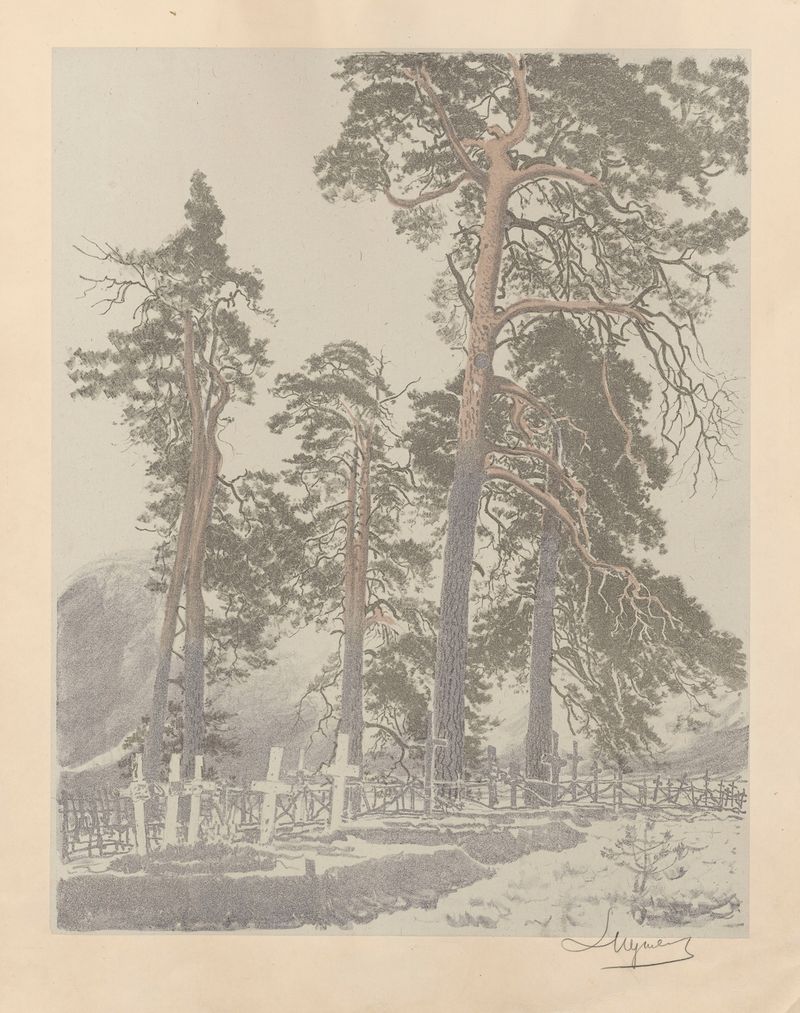
Cemetery in Vowchick
Leon Wyczółkowski
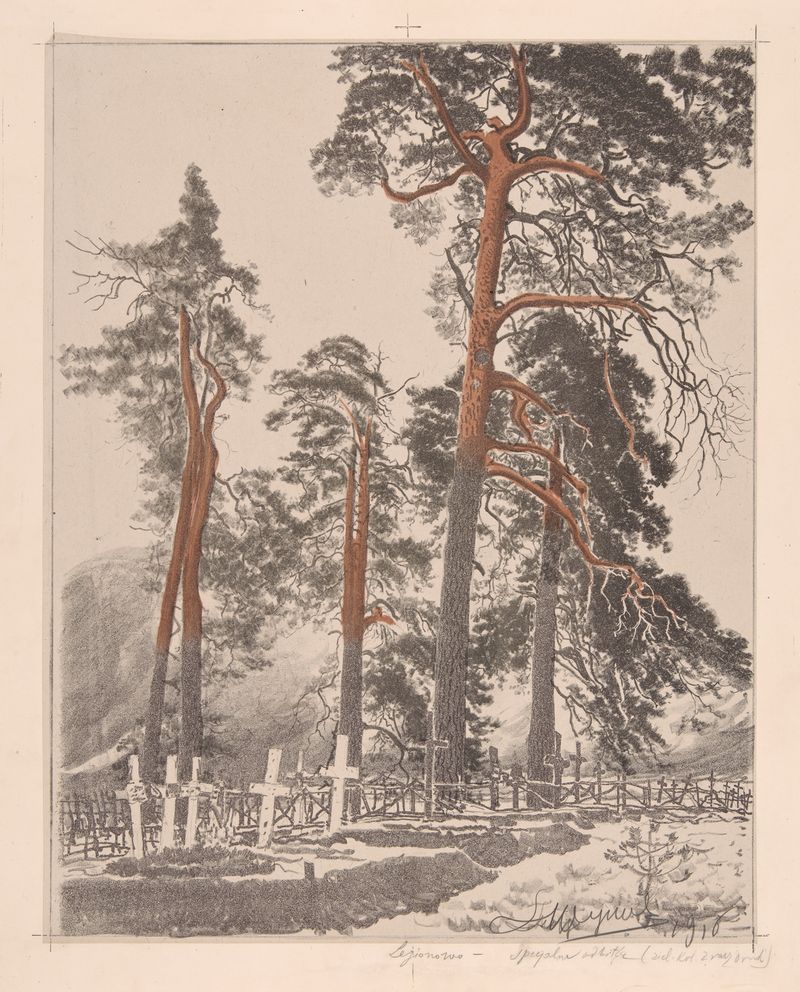
The Wołczecko cemetery
Leon Wyczółkowski
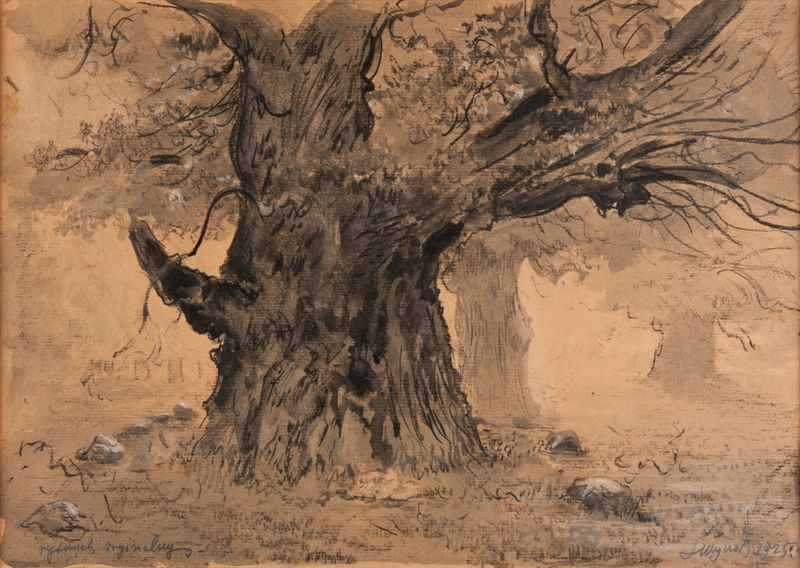
Rogalin Oaks
Leon Wyczółkowski
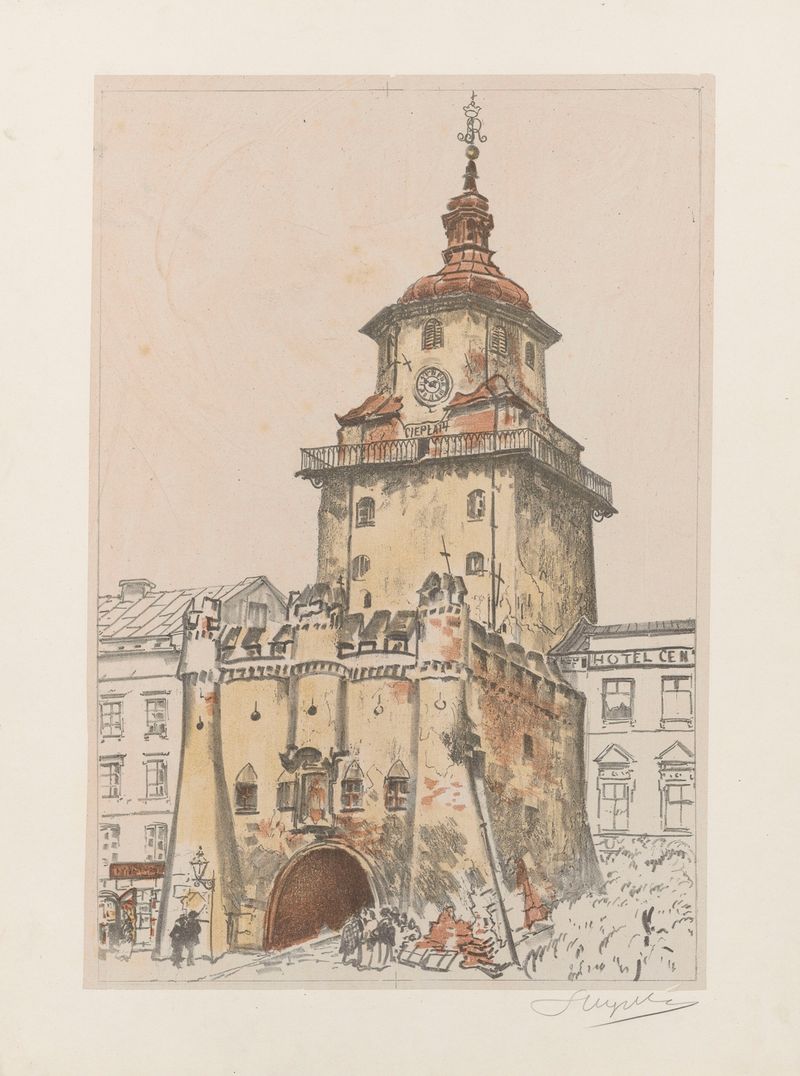
The Krakow Gate in Lublin, in summer
Leon Wyczółkowski
U Wrót Chałubińskiego
Leon Wyczółkowski
Castle and the Jewish quarter
Leon Wyczółkowski
More Architecture Art
Browse all →
The statue of Liberty
Frédéric Auguste Bartholdi

View of Houses in Delft, Known as ‘The Little Street’
Johannes Vermeer

View of Houses in Delft, Known as ‘The Little Street’
Johannes Vermeer

The Cathedral in Rouen. The portal, Grey Weather
Claude Monet

The yellow house
Vincent van Gogh

The Church in Auvers-sur-Oise, View from the Chevet
Vincent van Gogh