
Corsica — History & Facts
Could a single brushstroke hold eternity? In Corsica, the essence of obsession dances across the canvas, revealing the depths of both nature and human spirit. Look to the left where shades of deep blue and vibrant cerulean converge seamlessly, drawing the viewer's gaze toward the sea. The tumultuous waves rise and fall, painted with dynamic strokes that evoke a sense of movement and restlessness. Notice how the light plays upon the water, shimmering with golden flecks, contrasting against the rugged, dark cliffs that command attention on the right side of the composition.
The interplay of color and texture captures a moment suspended in time, inviting contemplation of both beauty and turmoil. Delve deeper into this work, and you’ll discern the tension between chaos and serenity. The tempestuous sky swirls with billowing clouds, hinting at the unpredictable nature of the landscape, while the solid, imposing cliffs symbolize permanence and strength. This juxtaposition may echo the artist’s own struggles with the sublime—an obsession with capturing both the fleeting and the eternal.
Each brushstroke reveals layers of emotion, suggesting an intrinsic connection between the artist’s psyche and the untamed majesty of the island. During the years between 1830 and 1835, Turner found himself captivated by the landscapes of Europe, particularly the dramatic vistas of the Mediterranean. Amidst a personal struggle with his artistic identity and growing fame, he painted Corsica during a period when Romanticism was challenging the conventions of art. It was a time of exploration and self-discovery for him, as he sought to immortalize the raw beauty of nature through passionate, vivid color and expressive form.
More Artworks by Joseph Mallord William Turner
Browse all →
Dort or Dordrecht- The Dort Packet-Boat from Rotterdam Becalmed
Joseph Mallord William Turner
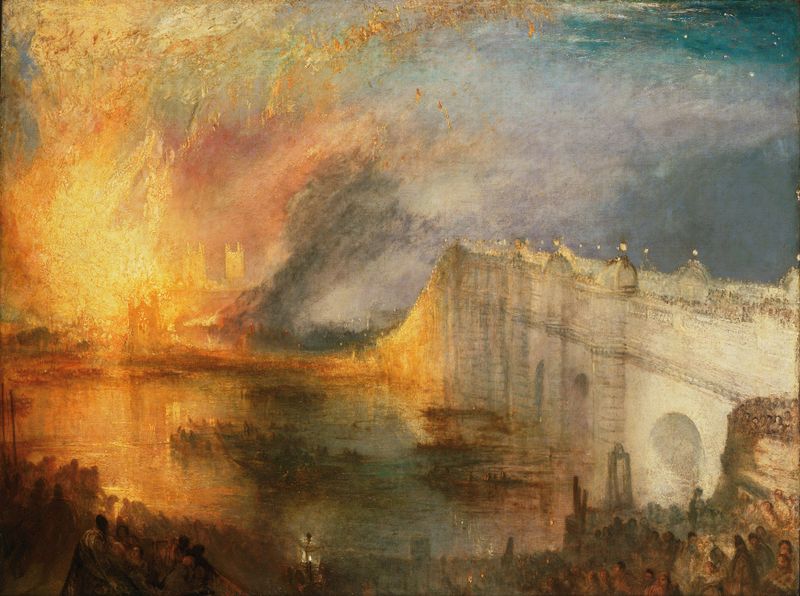
The Burning of the Houses of Lords and Commons, October 16, 1834
Joseph Mallord William Turner
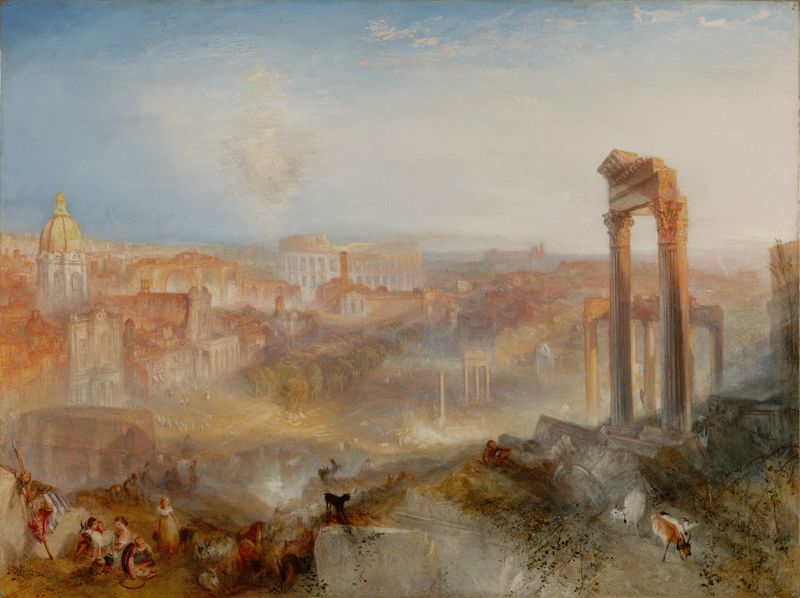
Modern Rome – Campo Vaccino
Joseph Mallord William Turner
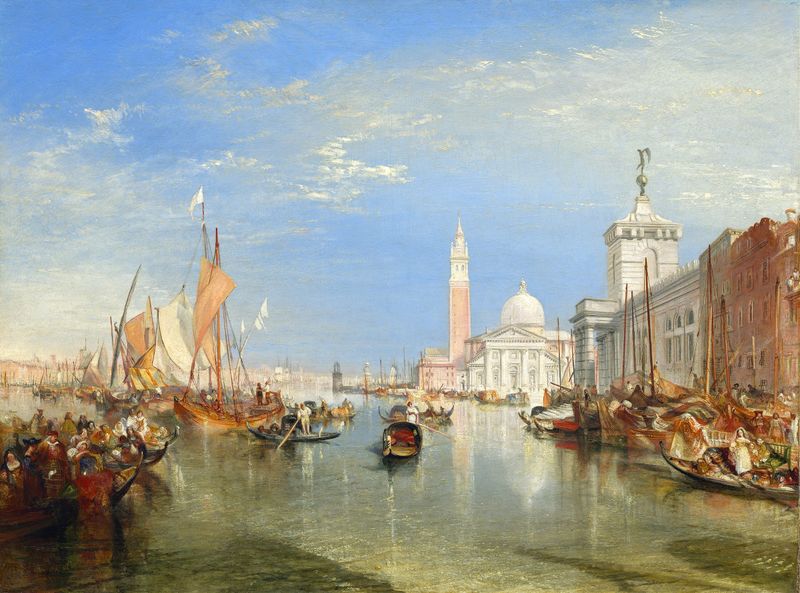
Venice – The Dogana and San Giorgio Maggiore
Joseph Mallord William Turner

The Burning of the Houses of Lords and Commons, 16 October 1834
Joseph Mallord William Turner
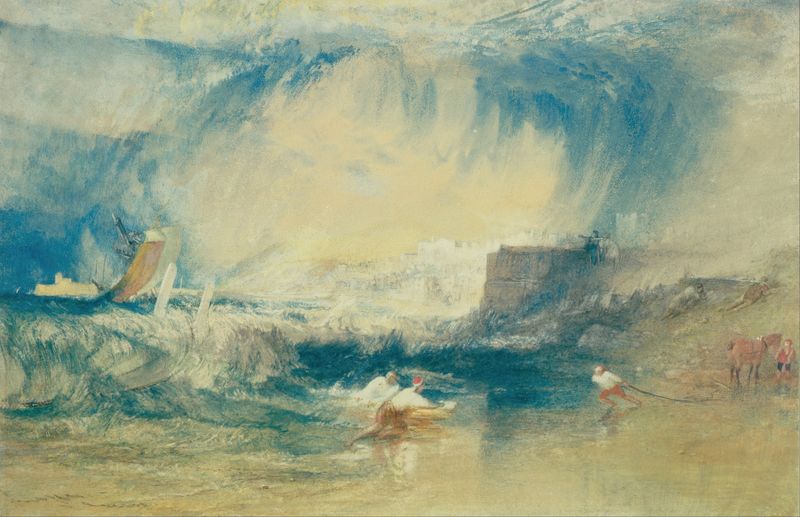
Lyme Regis, Dorsetshire, England
Joseph Mallord William Turner
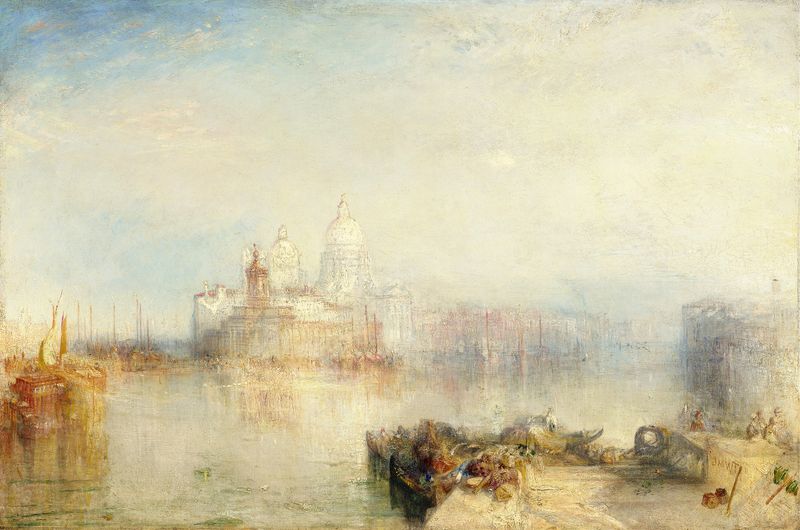
The Dogana and Santa Maria della Salute, Venice
Joseph Mallord William Turner
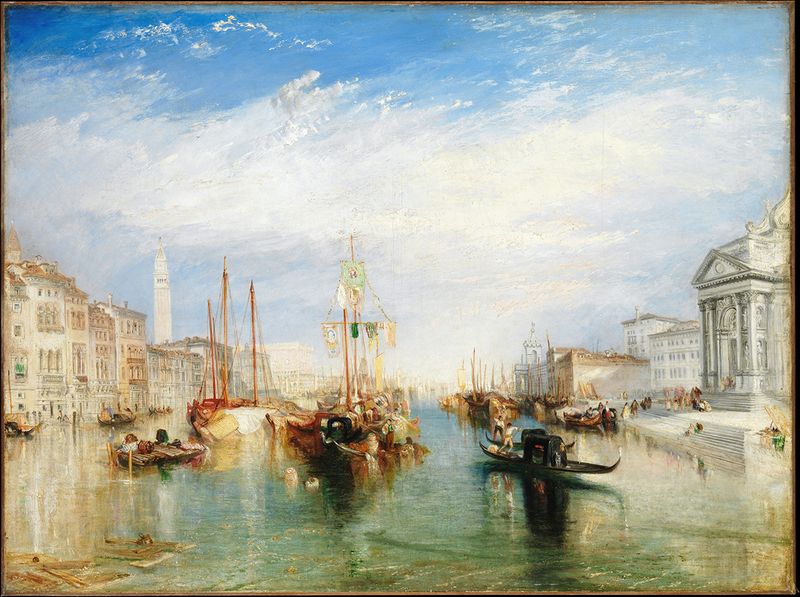
Venice, from the Porch of Madonna della Salute
Joseph Mallord William Turner
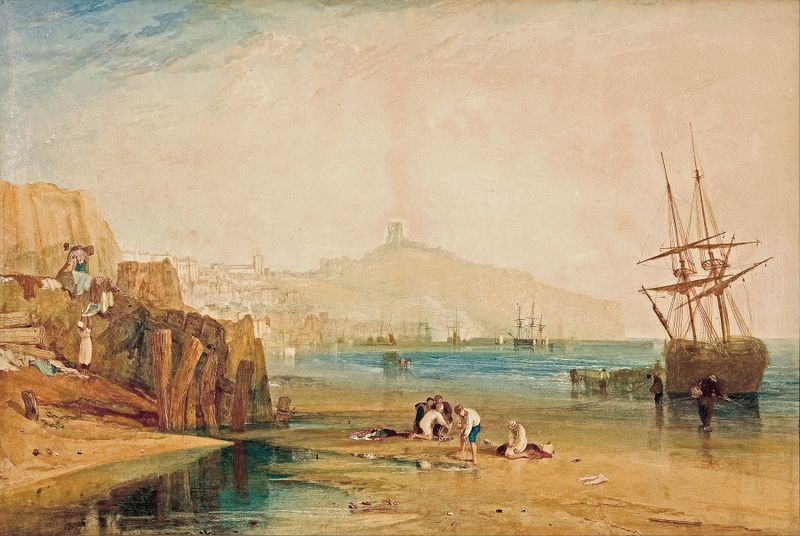
Scarborough town and castle; morning; boys catching crabs
Joseph Mallord William Turner
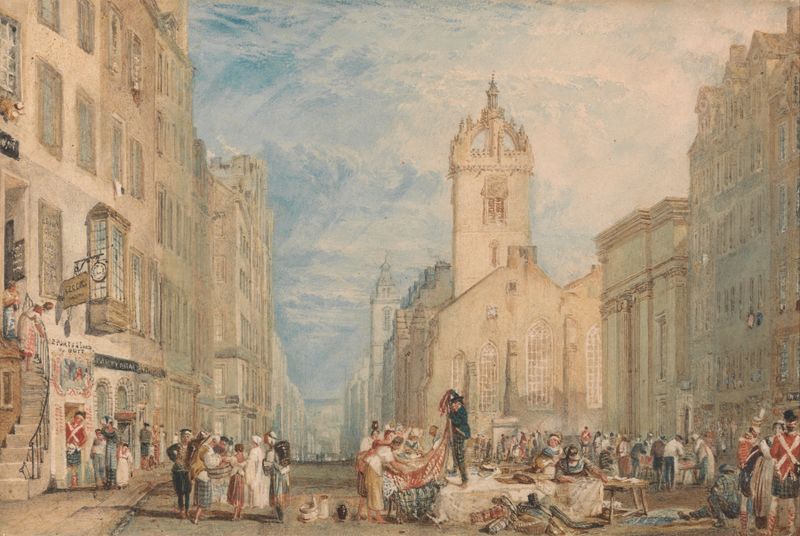
High Street, Edinburgh
Joseph Mallord William Turner




