
Cottages in an Extensive Landscape — History & Facts
What secret hides in the quiet of the canvas? A longing for simplicity and peace resonates deeply in this serene landscape, inviting us to explore its emotional layers. Look to the foreground, where quaint cottages nestled among rolling hills beckon with their thatched roofs and warm hues. Notice how the dappled sunlight softly illuminates the landscape, creating a gentle contrast between the verdant greens and the earthy browns. The brushwork reveals a delicate touch, imbuing each structure with character while the expansive sky overhead adds a sense of infinite possibility. As you delve deeper, observe the harmonious balance between nature and architecture.
The cottages, though humble, symbolize a yearning for connection and belonging, while the sweeping landscape suggests both freedom and isolation. The interplay of light and shadow embodies the tension between serenity and the unknown, inviting contemplation on what lies beyond the visible horizon. In the late 1820s, Hunt created this piece during a time of personal exploration and artistic development. Living in England, he was influenced by the Romantic movement and the emerging Pre-Raphaelite Brotherhood, which sought to revive the detail and vibrancy of earlier art.
This work reflects his dedication to capturing the nuances of the natural world, as well as his desire to evoke emotional resonance through pastoral scenes.
More Artworks by William Henry Hunt
Browse all →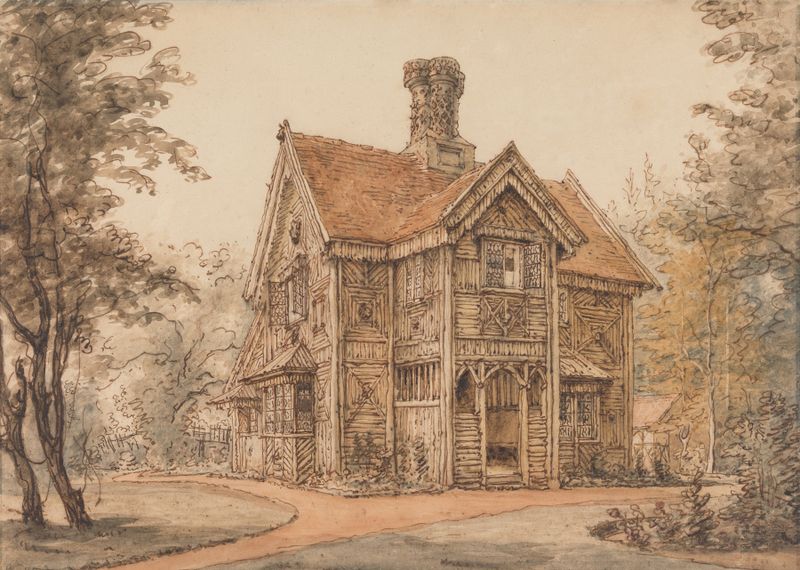
A Lodge at Cassiobury
William Henry Hunt
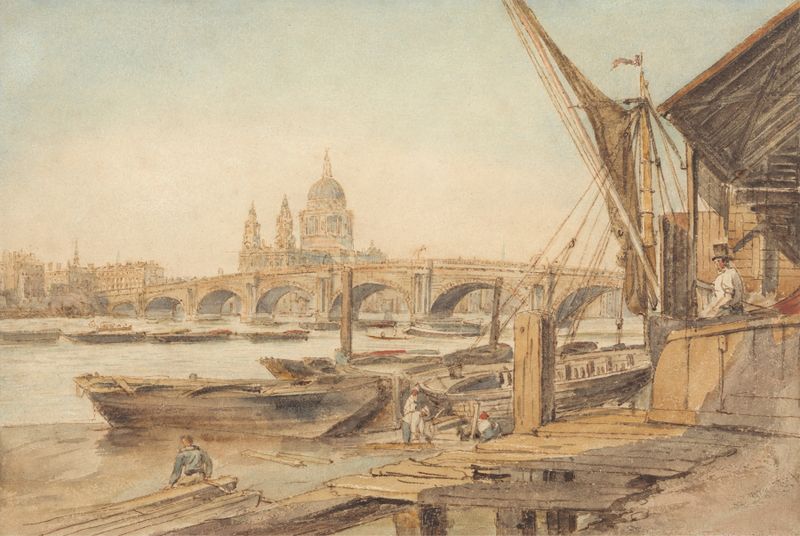
St. Paul’s Cathedral and Blackfriar’s Bridge
William Henry Hunt
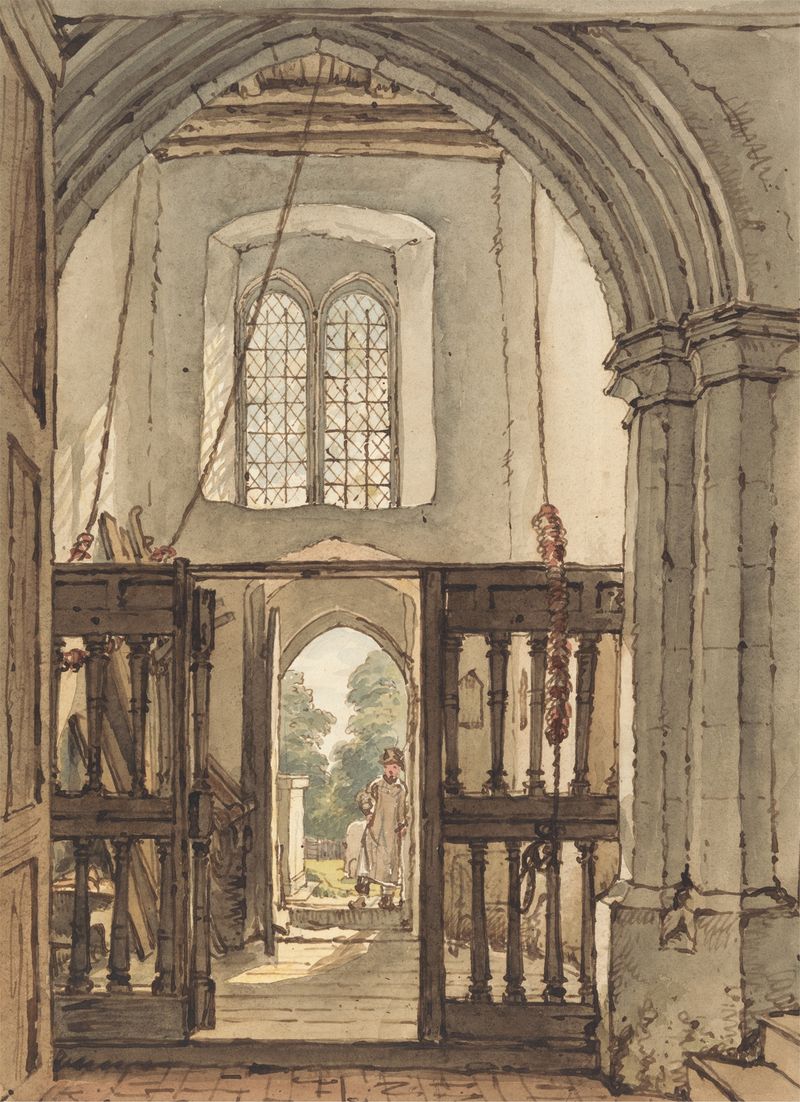
Interior of the Belfry, Bushey Church
William Henry Hunt
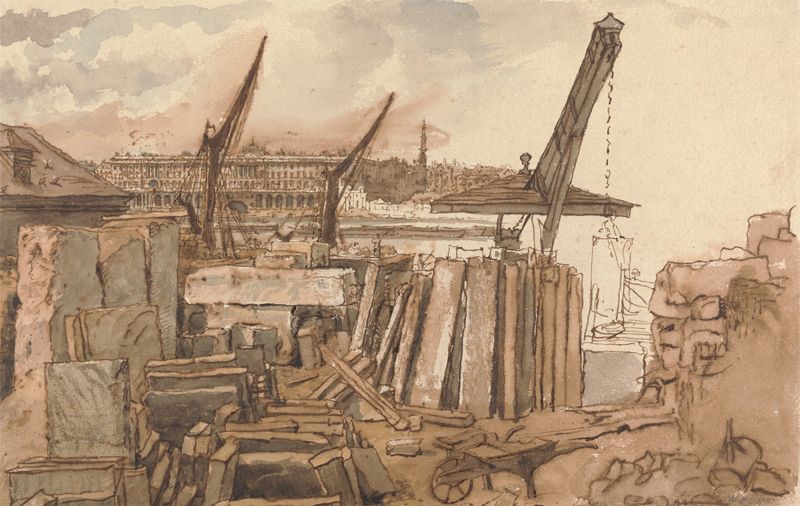
The Building of Waterloo Bridge
William Henry Hunt
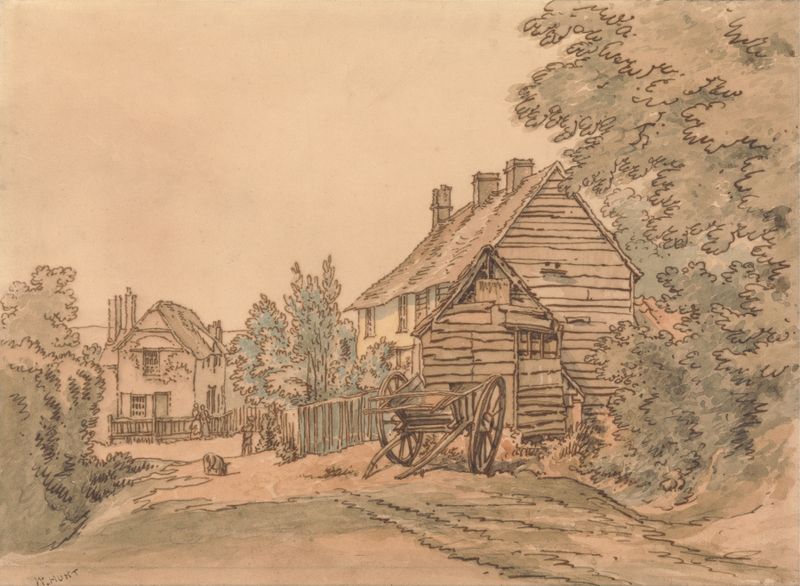
A Street in a Country Village
William Henry Hunt
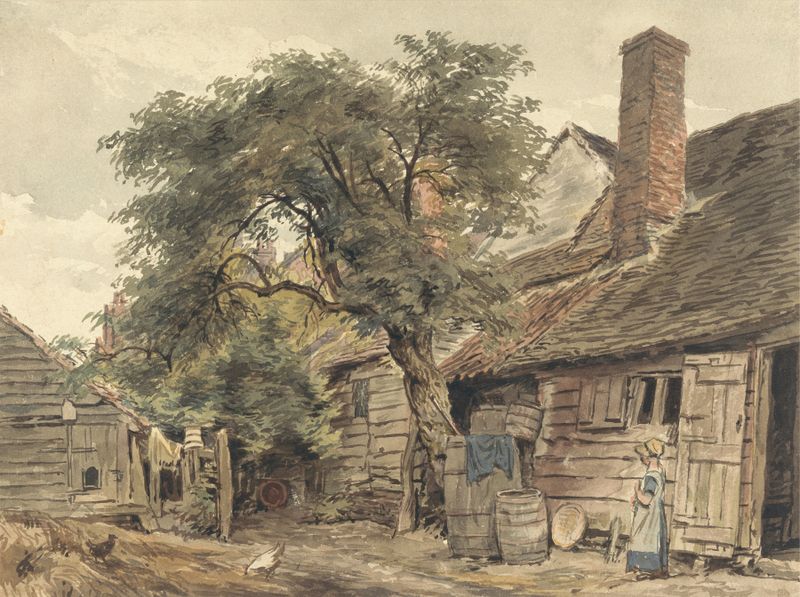
Backyard of a Cottage
William Henry Hunt
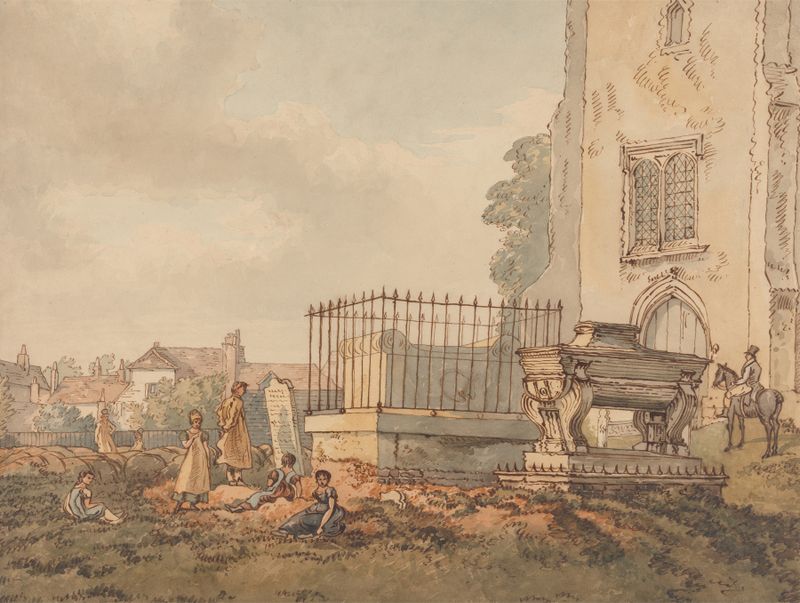
Bushey Churchyard with the Tombs of Edridge, Hearne and H. Monro
William Henry Hunt
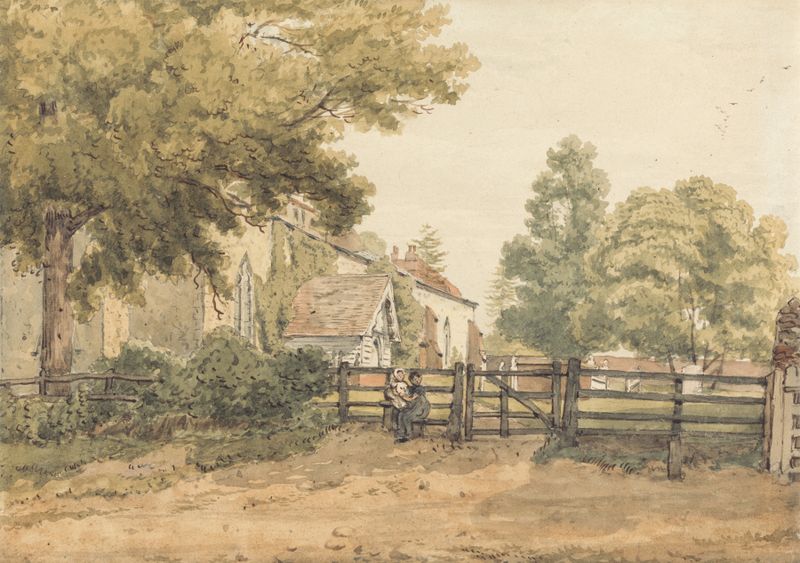
Aldenham Church
William Henry Hunt
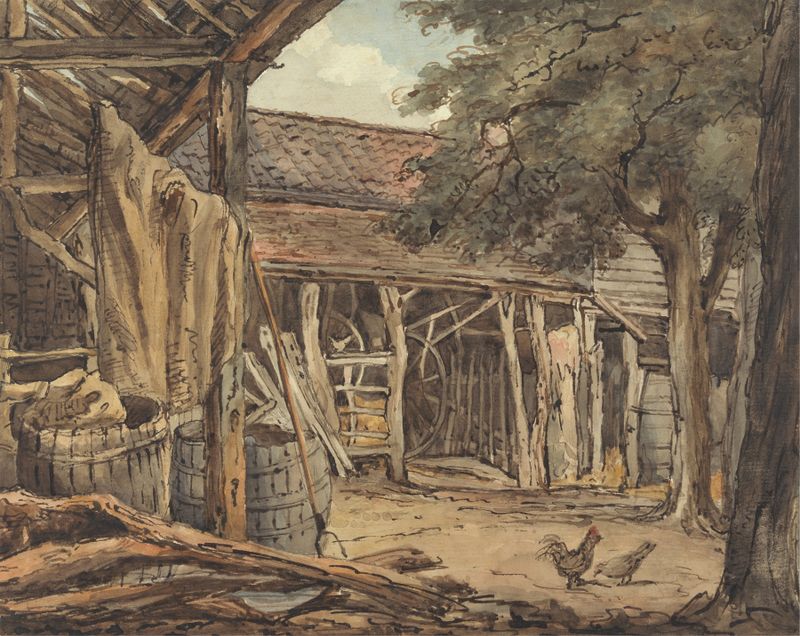
A Farmyard
William Henry Hunt
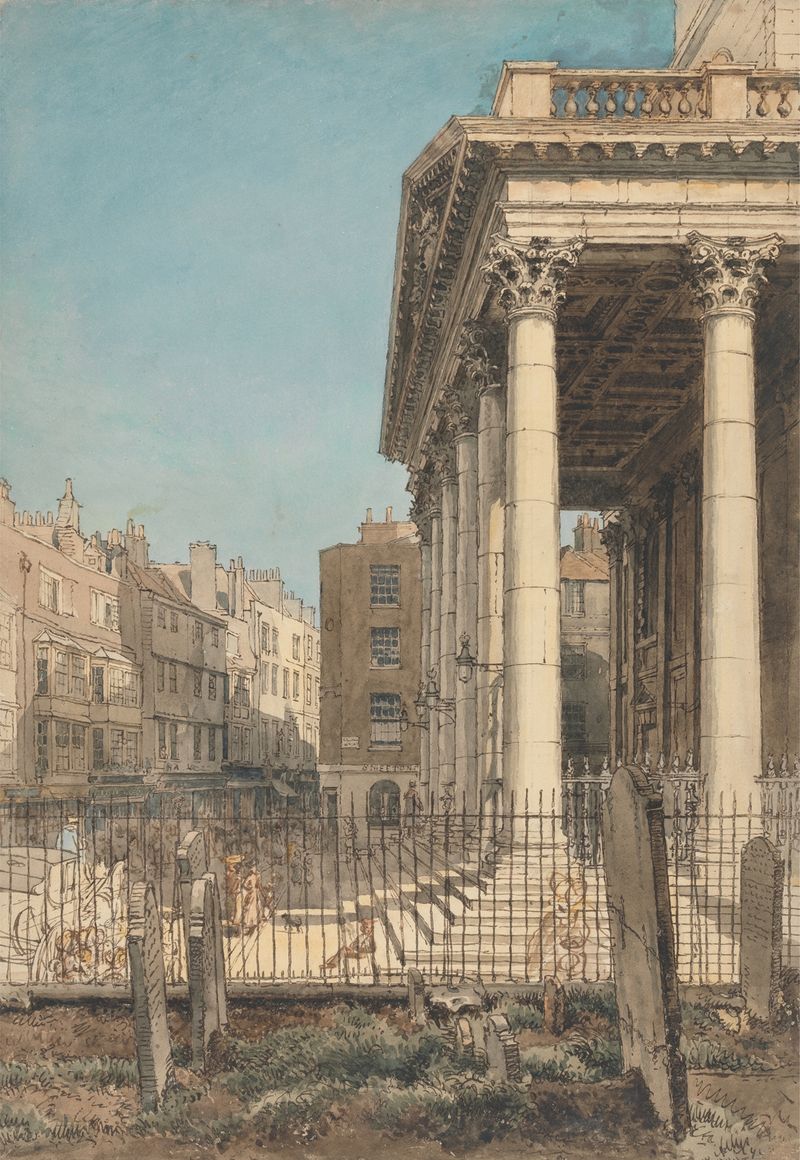
The Portico of St. Martin-in-the-Fields
William Henry Hunt





