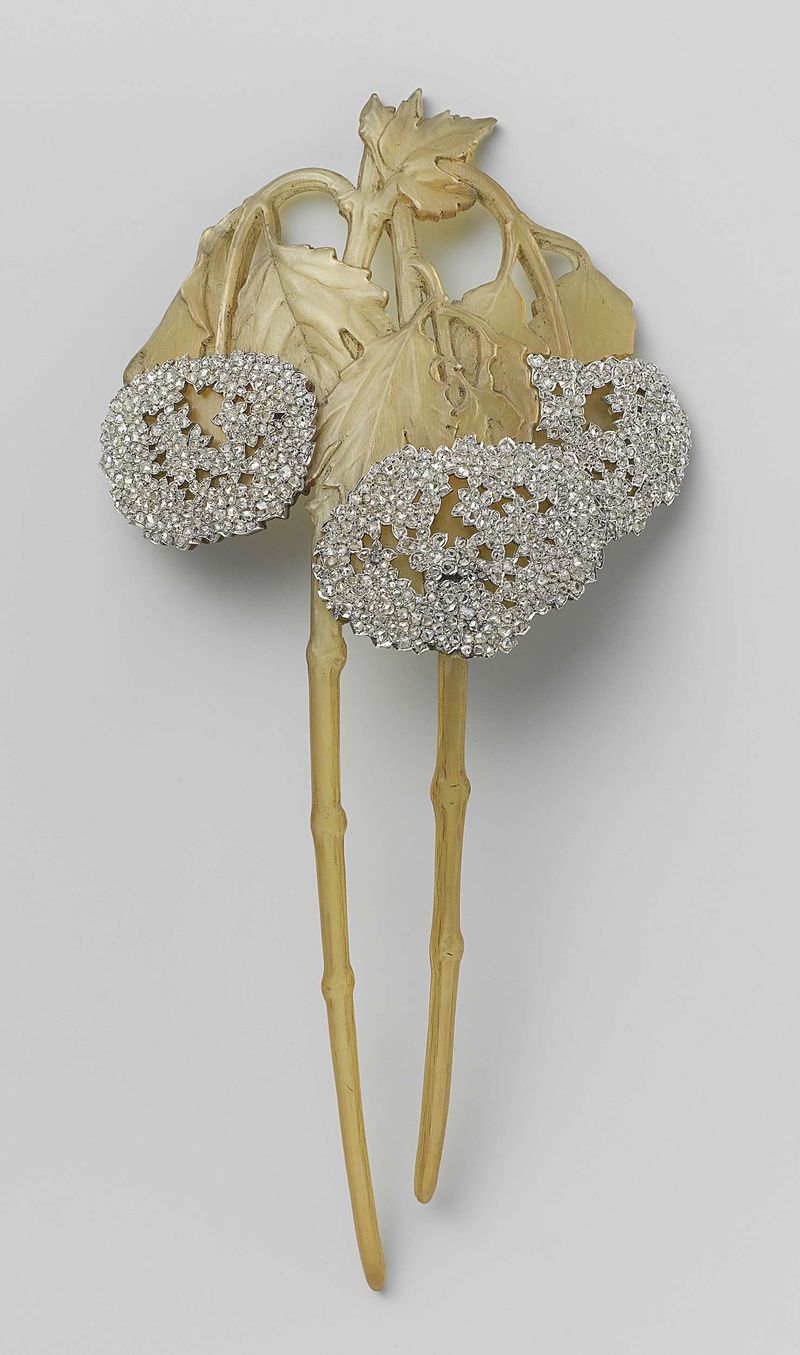
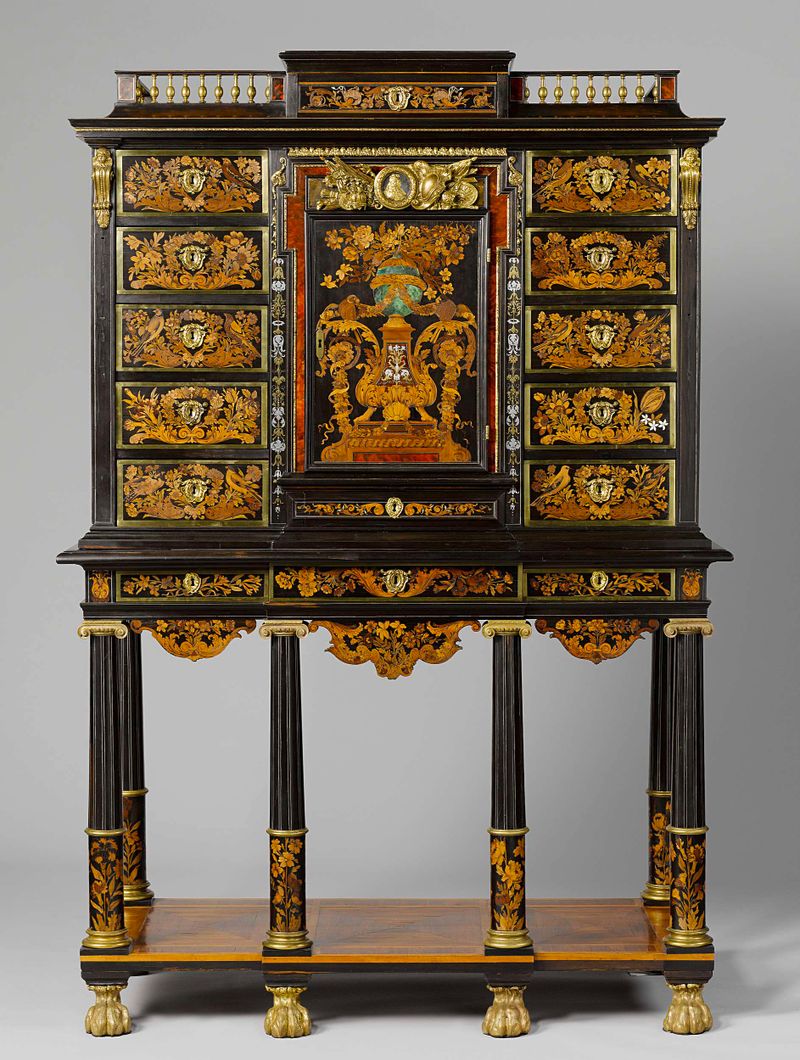
Coupon wit zijdegaas met twee lichtblauwe striklinten eromheen — History & Facts
In an age where memories linger like echoes, one must ponder: how does betrayal reshape our understanding of trust and beauty? Look closely at the intricate layers of the composition; the delicate light blue ribbons entwined around the central form draw the eye first, their softness juxtaposed against the starkness of the underlying structure. The artist's choice of color creates a serene yet haunting atmosphere, suggesting a façade of tranquility concealing deeper turmoil. The texture of the fabric hints at fragility, inviting contemplation on the tension between outward appearances and hidden truths. Delve into the details where betrayal intertwines with beauty: the subtle shadows cast by the ribbons evoke a sense of entrapment, as if the object is struggling within its own decorative bounds.
The light that dances upon the surface speaks to moments of clarity amidst confusion, revealing that the pleasing sight may hold an unsettling undercurrent. Each element symbolizes the duality of trust, where the tangible beauty may belay an emotional fracture—a poignant reminder that not all that glitters is pure. Created during a time of significant change in Europe, the artist worked on this piece in the early 20th century, a period marked by shifting societal norms and artistic movements. Schnitzler navigated a world grappling with the impact of modernity and the revelations of a war-torn reality.
In this context, the artwork becomes not just a visual experience but a complex commentary on the human experience, capturing the intricacies of relationships that can shift from love to betrayal in an instant.
More Artworks by Gustav Schnitzler
Browse all →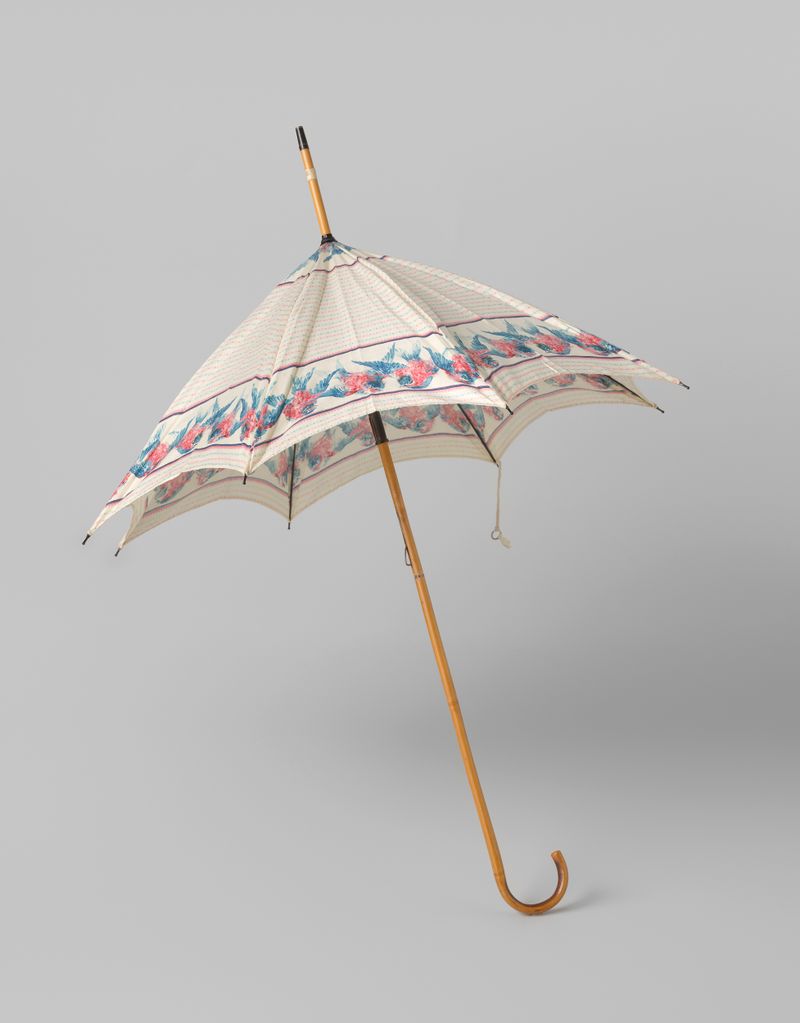
Parasol met dek witte katoen bedrukt met roze en blauwe vogeltjes, op een bamboe stok met gebogen handvat
Gustav Schnitzler
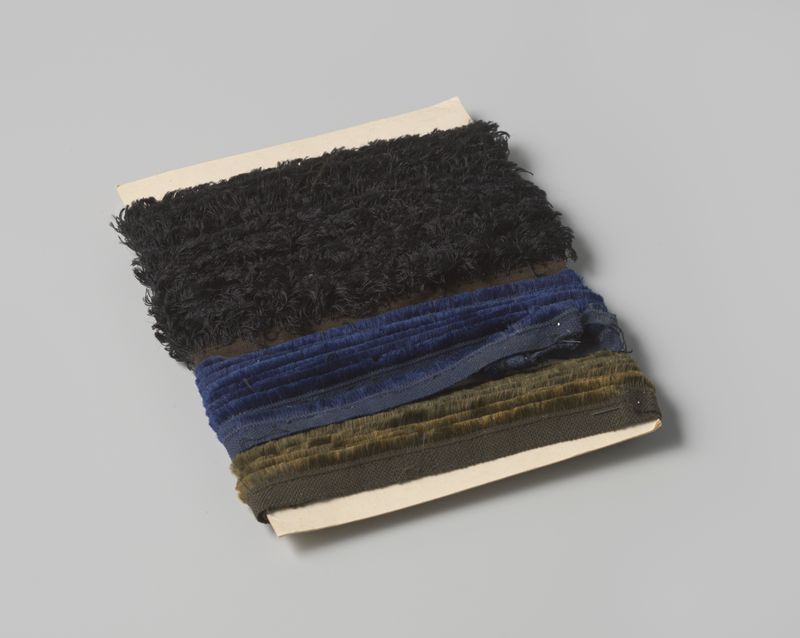
Strook zwarte franje aan bezemband, op karton
Gustav Schnitzler
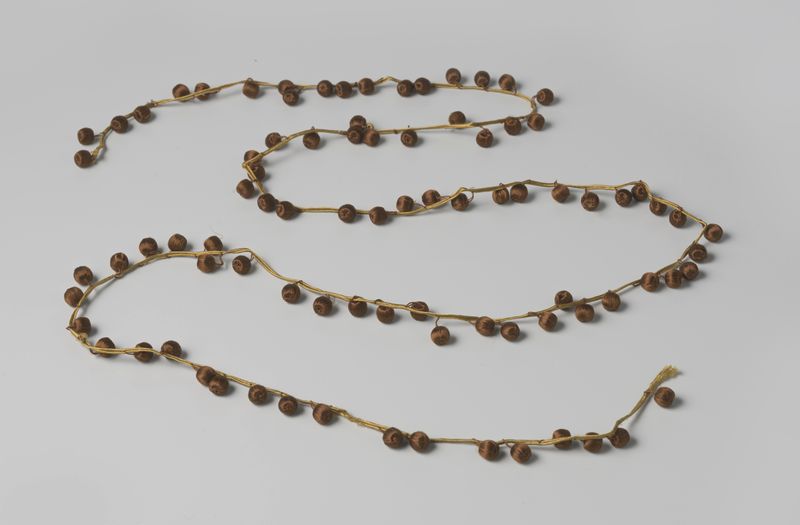
Galon, goudkleurig, waaraan pompons van bruin (zijde)draad hangen
Gustav Schnitzler
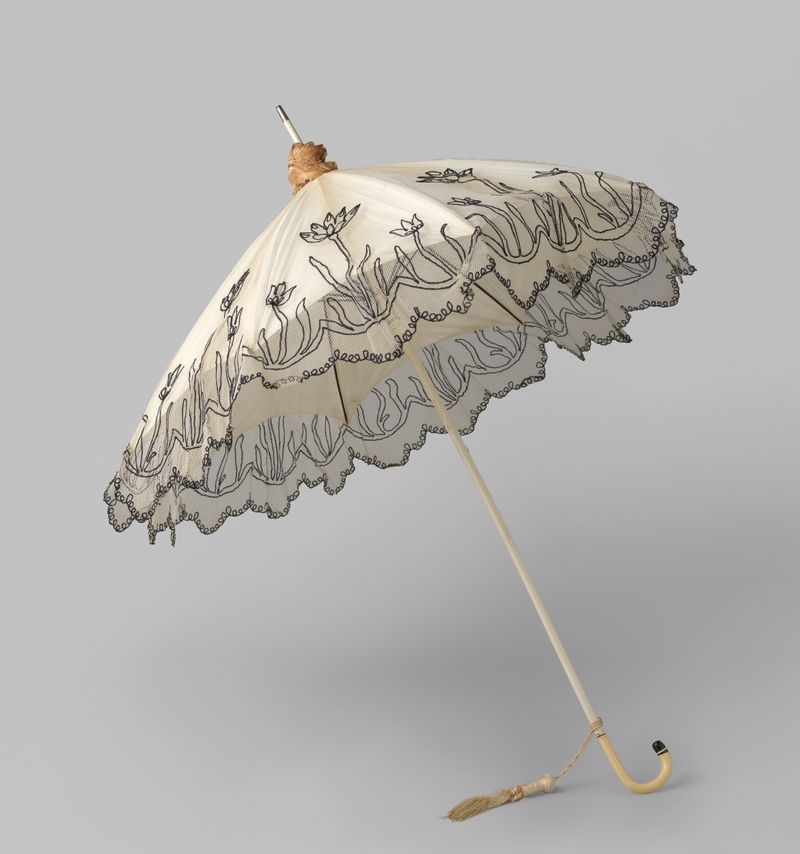
Parasol met dek van witte tule waarop zwart borduurwerk van telkens drie bloemen, op een witgeverfde houten stok, waaraan een gebogen ivoorkleurig handvat
Gustav Schnitzler

Parasol met dek van witte katoen, waartussen een strook van witte kant, op een lichte, houten stok met een ronde haak
Gustav Schnitzler

Strook franje, getand, wit en écru, gewikkeld rond een met gouden randen afgezet plankje
Gustav Schnitzler
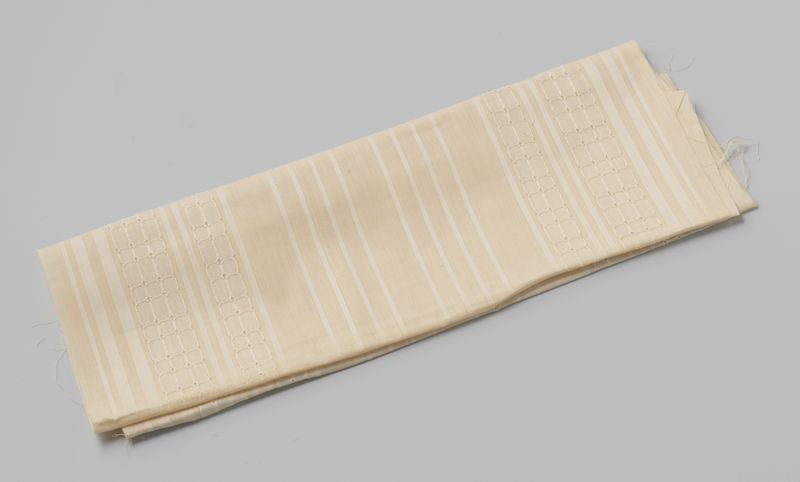
Coupon wit parasolkatoen met beige strepen aan weerszijden
Gustav Schnitzler
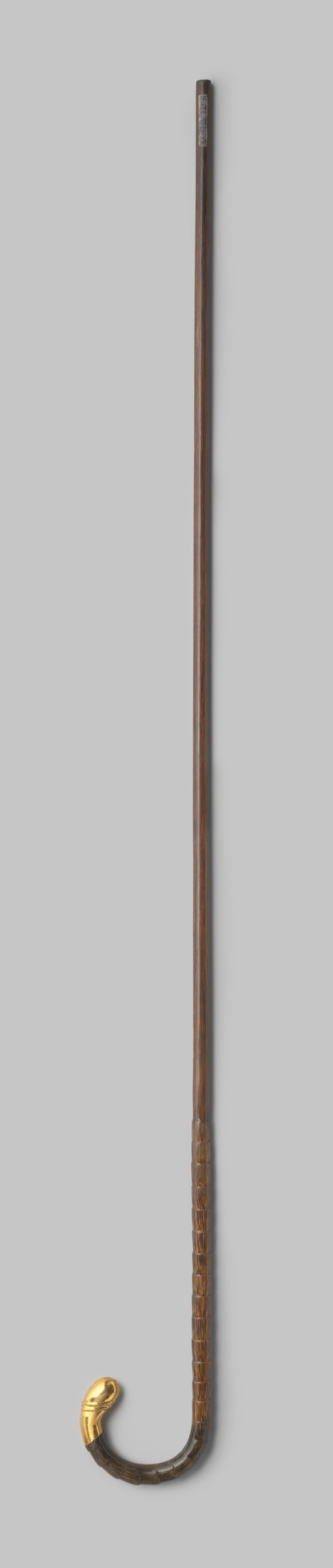
Onderstok van een parapluie of parasol van kokospalm met ronde haak en goudkleurig (verguld?) metalen uiteinde
Gustav Schnitzler

Parasol met dek van effen witte katoen met een smal meerkleurig draad langs de rand geregen, op lichte houten stok, met gebogen, ivoorkleurig handvat
Gustav Schnitzler
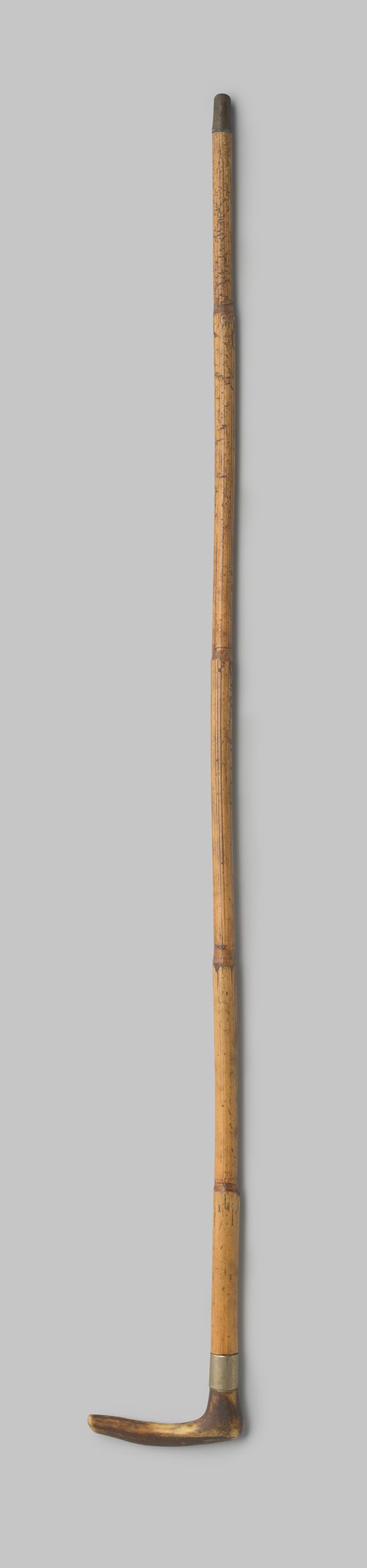
Onderstok van parasol of parapluie van bamboe met rechte haak van hertshoorn, met ring en punt van koper
Gustav Schnitzler