
Cour de ferme à Uccle — History & Facts
In the quiet moments between brushstrokes, fear lingers unspoken, a haunting undercurrent in the placid scene of a farmyard. Look to the center of the canvas where the dilapidated buildings stand, their quiet decay a testament to time’s passing. The muted tones of ochre and gray envelop the structure, while shadows stretch like fingers across the ground, hinting at secrets long buried. Notice how the artist’s deft touch brings the stonework to life, contrasting its rigidity with the soft, swaying grass that encircles it, suggesting a world caught between the mundane and the eerie. Beneath the serene exterior lies an unsettling tension.
The well-worn path, almost ghostly in its isolation, whispers of solitude and the fears that stalk the edges of daily life. The absence of figures creates a stark void, evoking a profound sense of abandonment and the dread of what might once have thrived in this space. Every detail, from the crumbling façade to the dimming light, speaks to the fragility of existence and the ever-looming specter of loss. During this period, the artist found himself navigating the shifting tides of the late 18th century, a time marked by societal transformation and upheaval.
In Belgium, the art world began to reflect a desire for authenticity and emotional depth. Taelemans, rooted in this rich cultural context, sought to capture the essence of rural life while subtly weaving in the anxieties that often lie just beneath the surface.
More Artworks by Jean-François Taelemans
Browse all →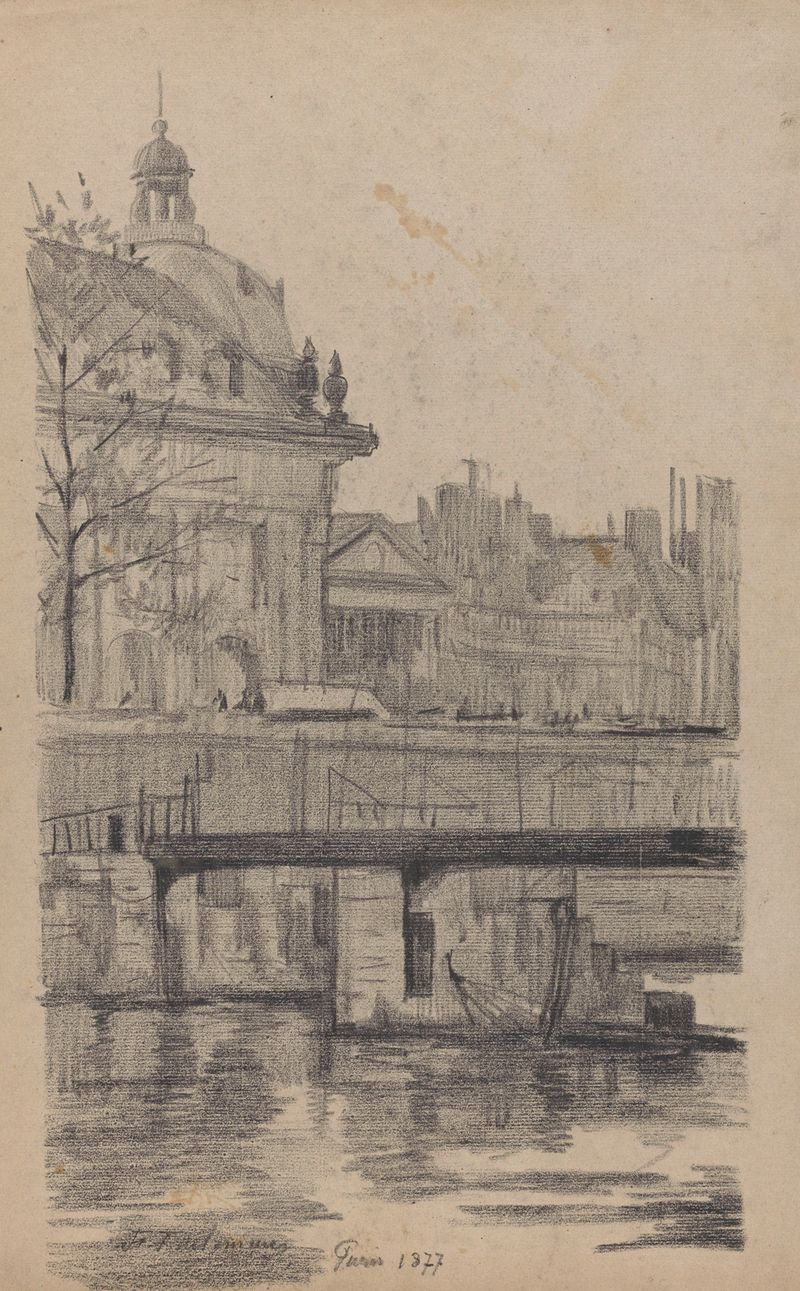
Paris (vue de la Seine et du Collège des Quatre Nations (actuellement siège de l’Institut de France)
Jean-François Taelemans
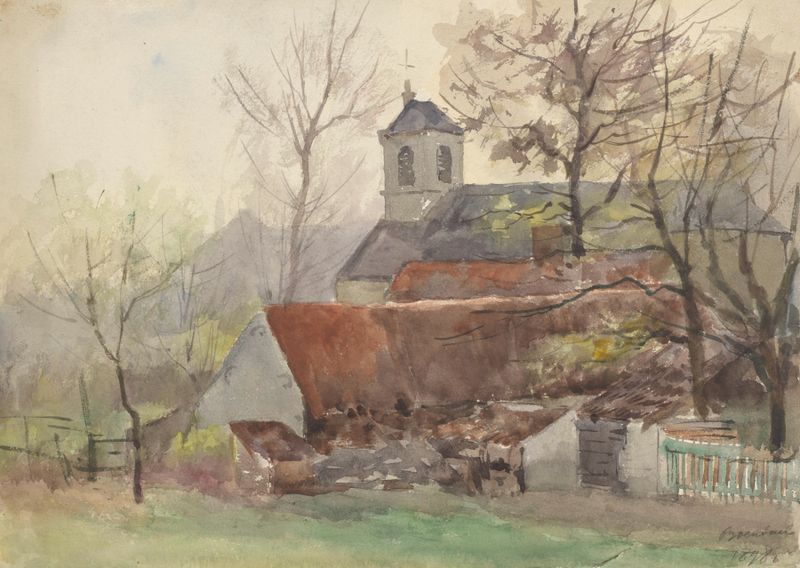
Boendael (église)
Jean-François Taelemans
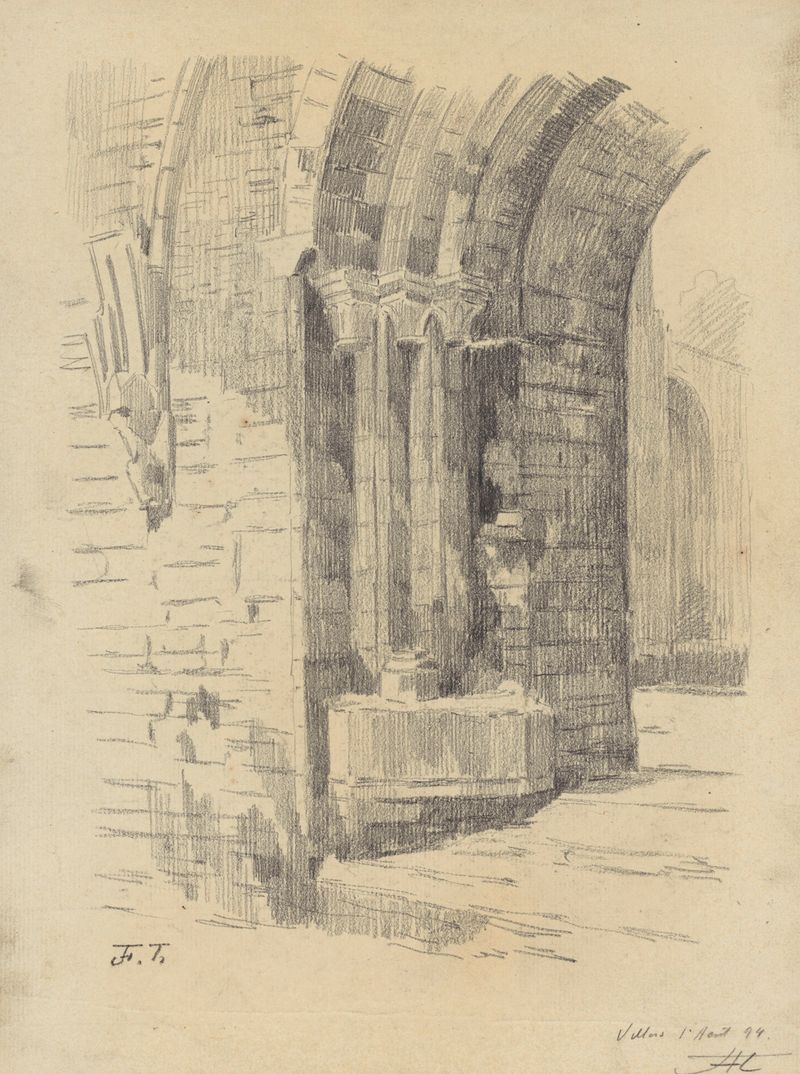
Ruines de l’abbaye de Villers-la-Ville – porche entre le cloître et l’église abbatiale (côté droit)
Jean-François Taelemans
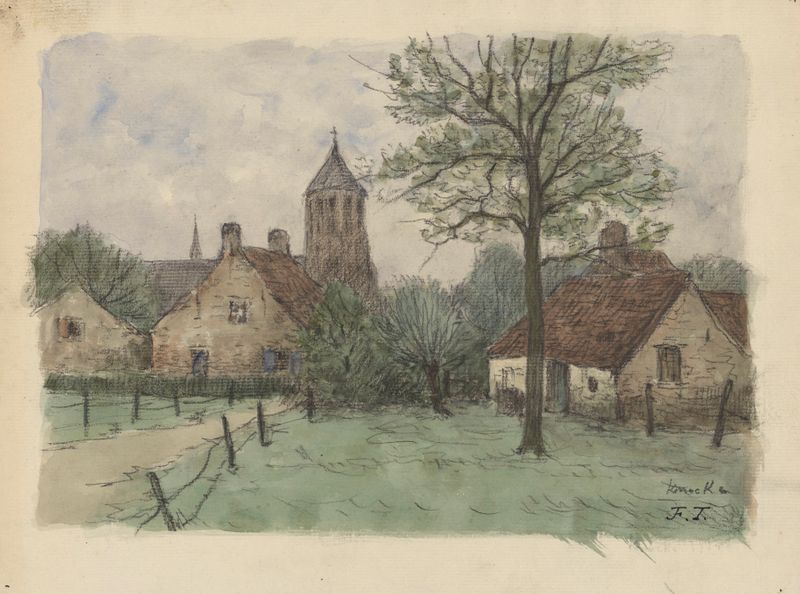
Village et église Sint Margaretha à Knocke
Jean-François Taelemans
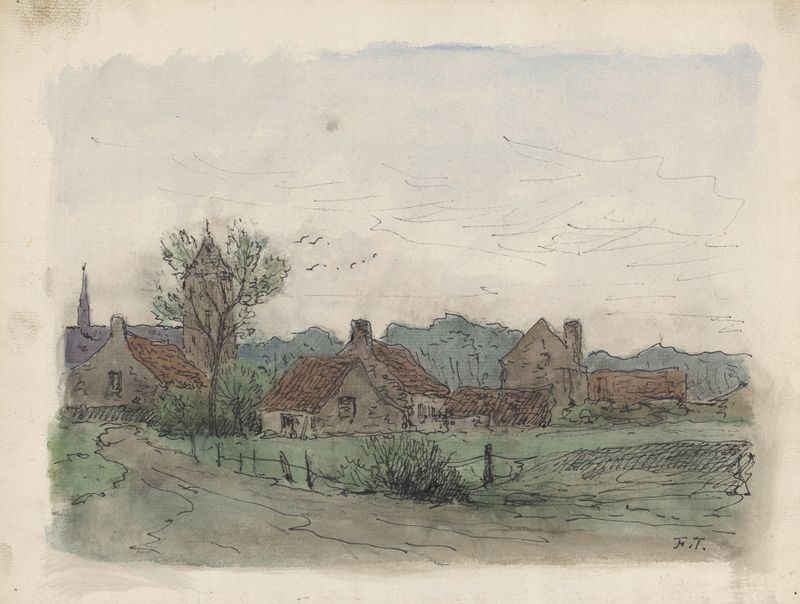
Village
Jean-François Taelemans
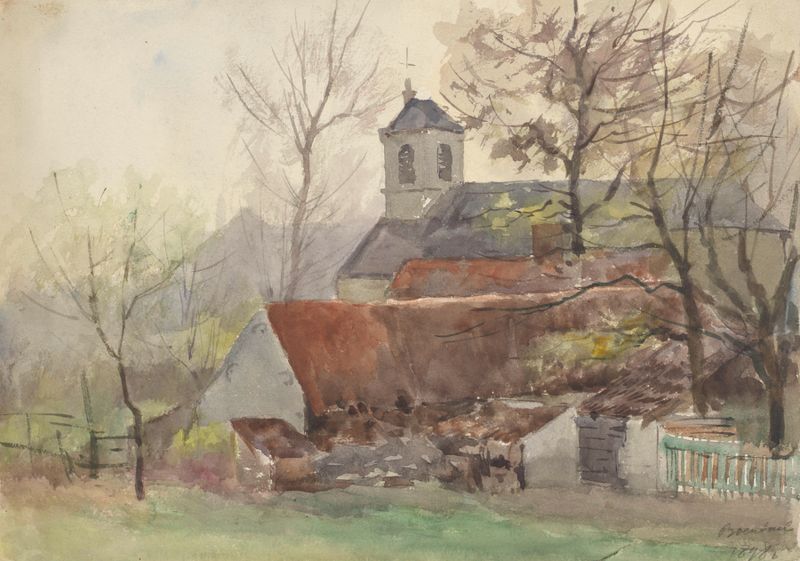
Boendael (église)
Jean-François Taelemans
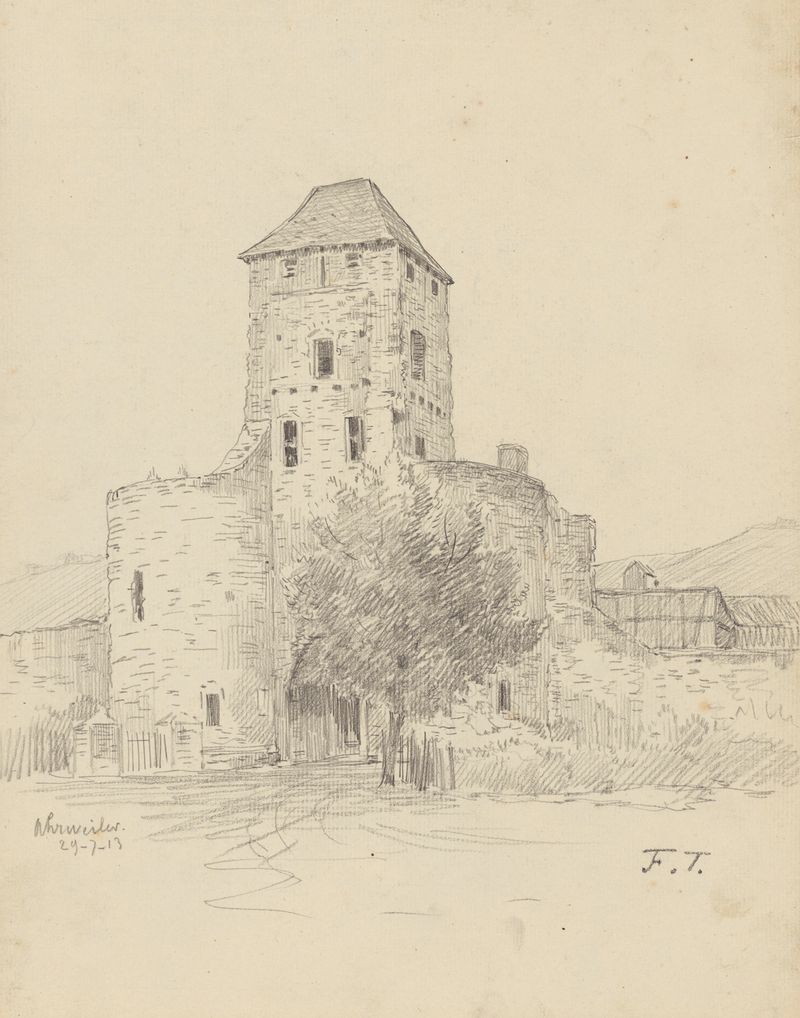
Vieille tour (porte) à Ahrweiler (Allemagne)
Jean-François Taelemans
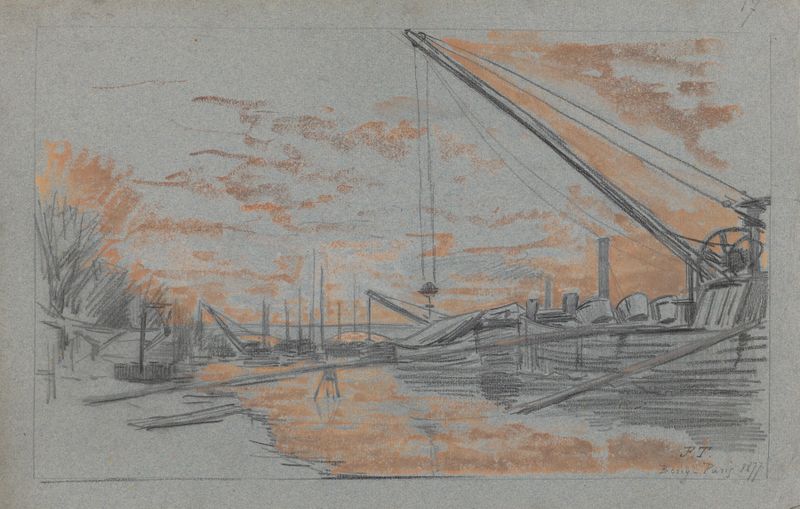
Bercy – Paris (bord de Seine avec chalands à l’ancre en cours de chargement, soleil couchant)
Jean-François Taelemans
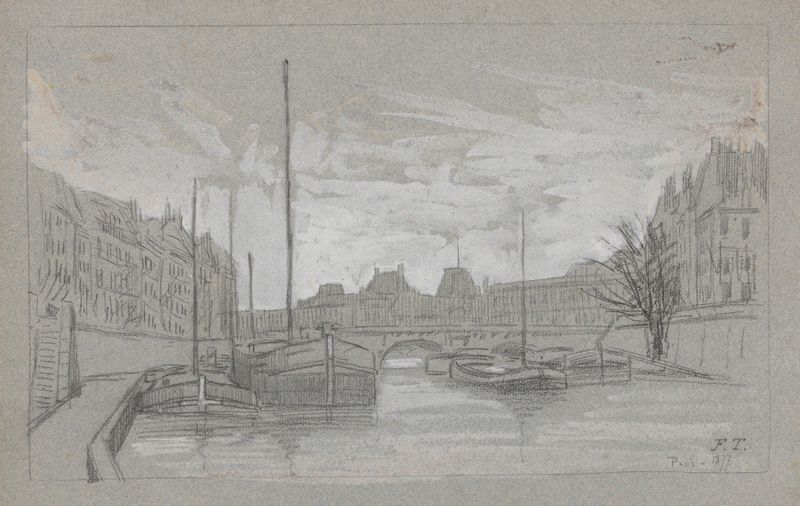
Paris (bateaux sur la Seine près d’un pont)
Jean-François Taelemans
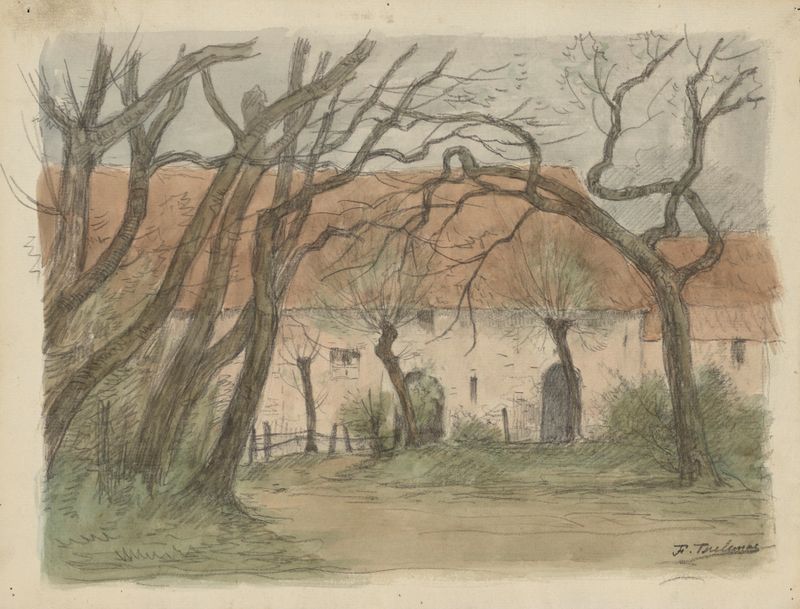
Grande maison campagnarde derrière un bouquet d’arbres
Jean-François Taelemans





