
Cour de l’hôtel de Beauvais — History & Facts
When did color learn to lie? The stark contrasts between reality and illusion manifest in this captivating artwork, inviting viewers to question their perceptions of creation itself. Each hue appears both vibrant and deceptive, leading one to ponder the complexities of beauty and authenticity. Look to the center of the canvas, where the warm golden tones spill forth from an inviting courtyard, enticing the eye with hints of life and activity. Notice how the soft, diffused light falls upon the intricate stonework, revealing the exquisite details of its architecture.
The thoughtful composition draws us in, creating a harmonious balance where shadows and light dance, revealing layers of depth and narrative within the scene. As you explore the artwork further, consider the emotional tension between the solidity of the architectural elements and the ethereal quality of the light that bathes them. This interplay suggests a fleeting moment suspended in time, a whisper of life that beckons us to engage with the space. The vibrant colors may evoke joy or nostalgia, yet they also hint at the transient nature of existence, reminding us that what we perceive may not always be the truth. Created in 1926, this piece emerged during a period when Boberg was deeply engaged with the Art Deco movement, which sought to blend fine arts with applied arts.
Working in France, he drew inspiration from the rich cultural environment around him, reflecting the changing dynamics of society in post-World War I Europe. It was a time when artists were beginning to embrace new forms and ideas, seeking to redefine the boundaries of artistic expression.
More Artworks by Ferdinand Boberg
Browse all →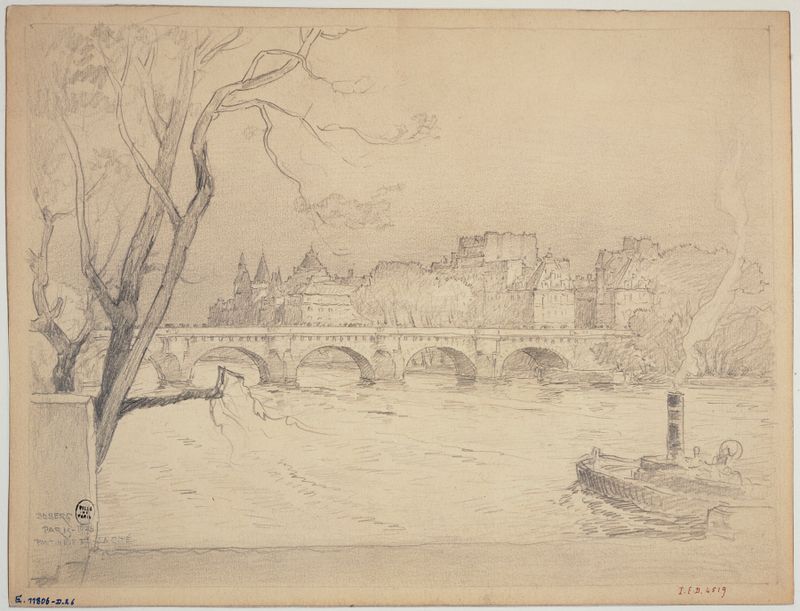
Le Pont-Neuf et la Cité
Ferdinand Boberg
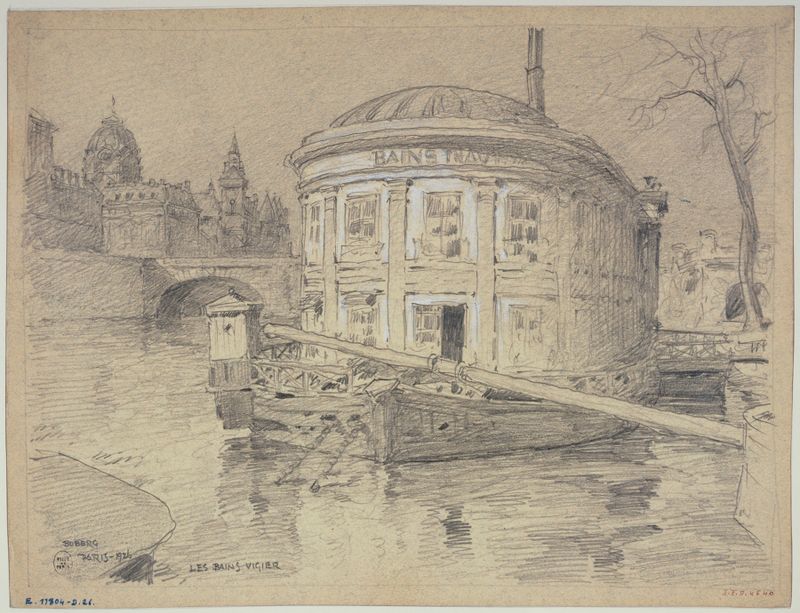
Les bains Vigier au Pont-Neuf
Ferdinand Boberg
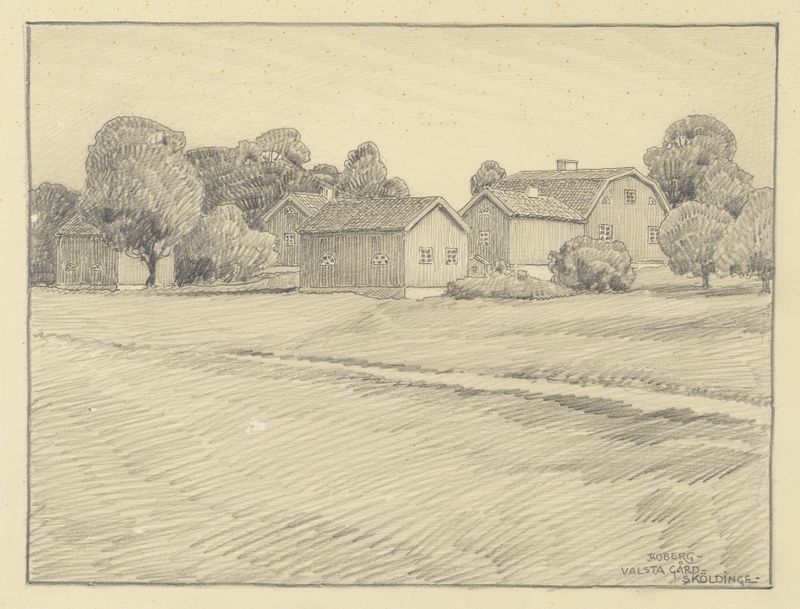
Valsta Gård
Ferdinand Boberg
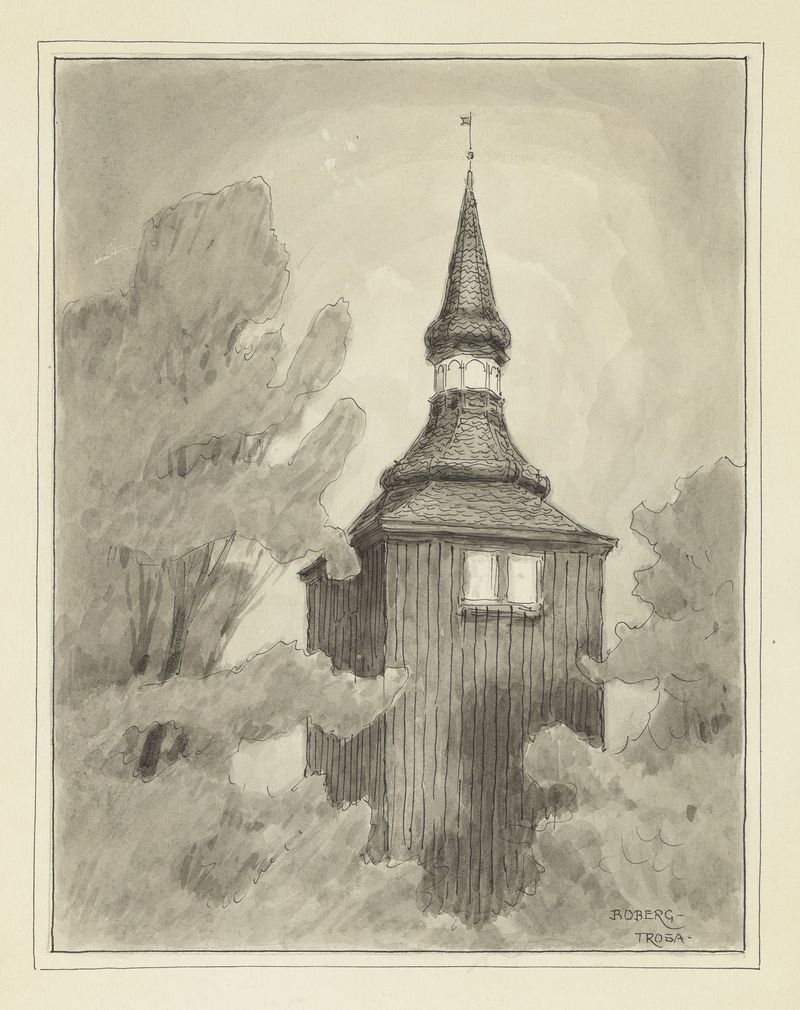
Trosa
Ferdinand Boberg
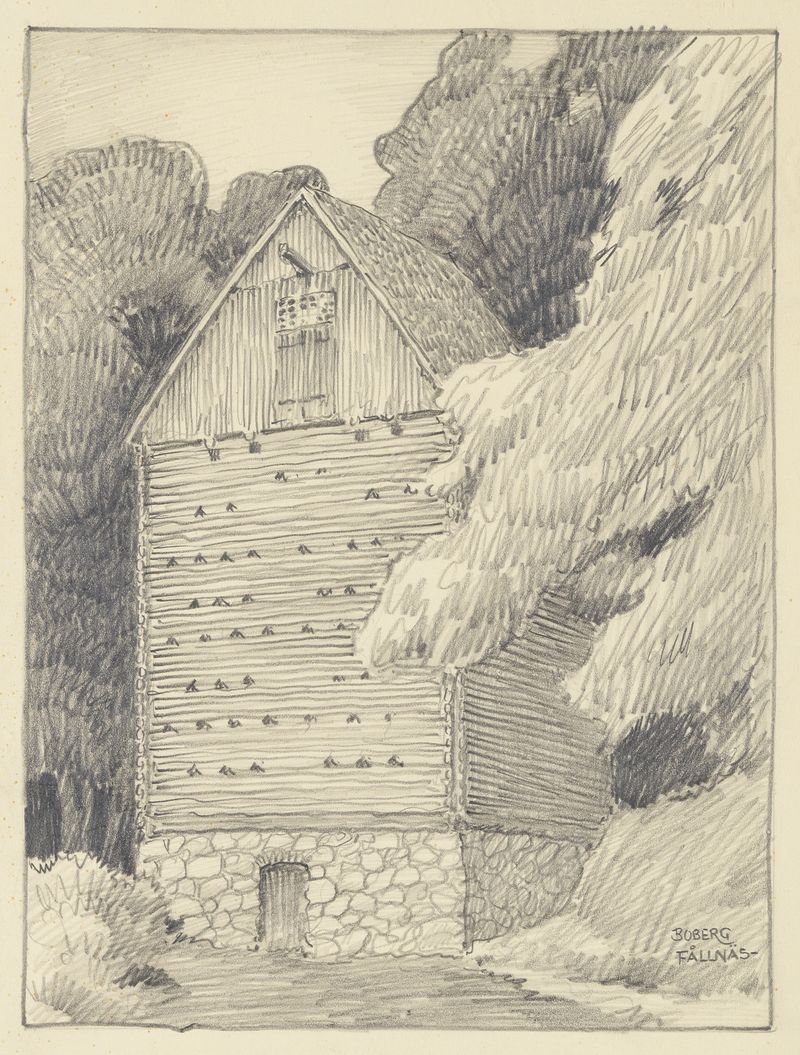
Fållnäs
Ferdinand Boberg
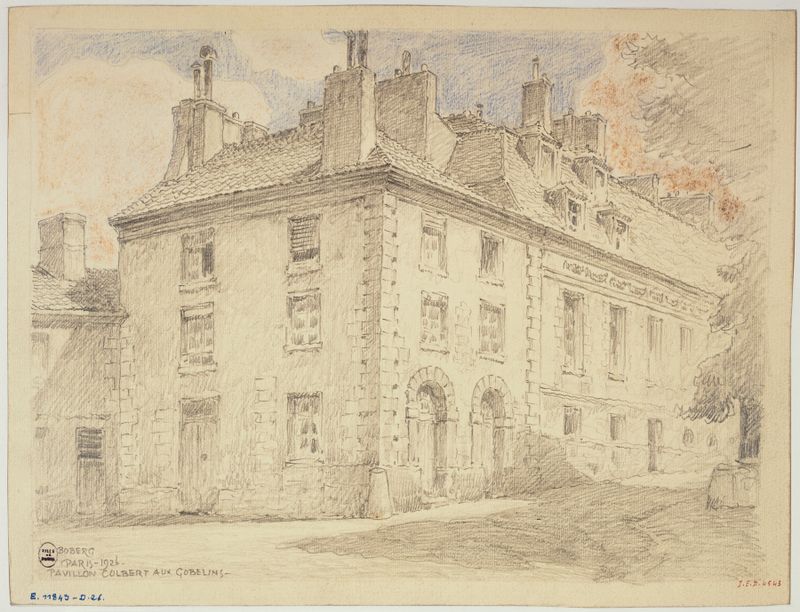
Le pavillon Colbert aux Gobelins
Ferdinand Boberg
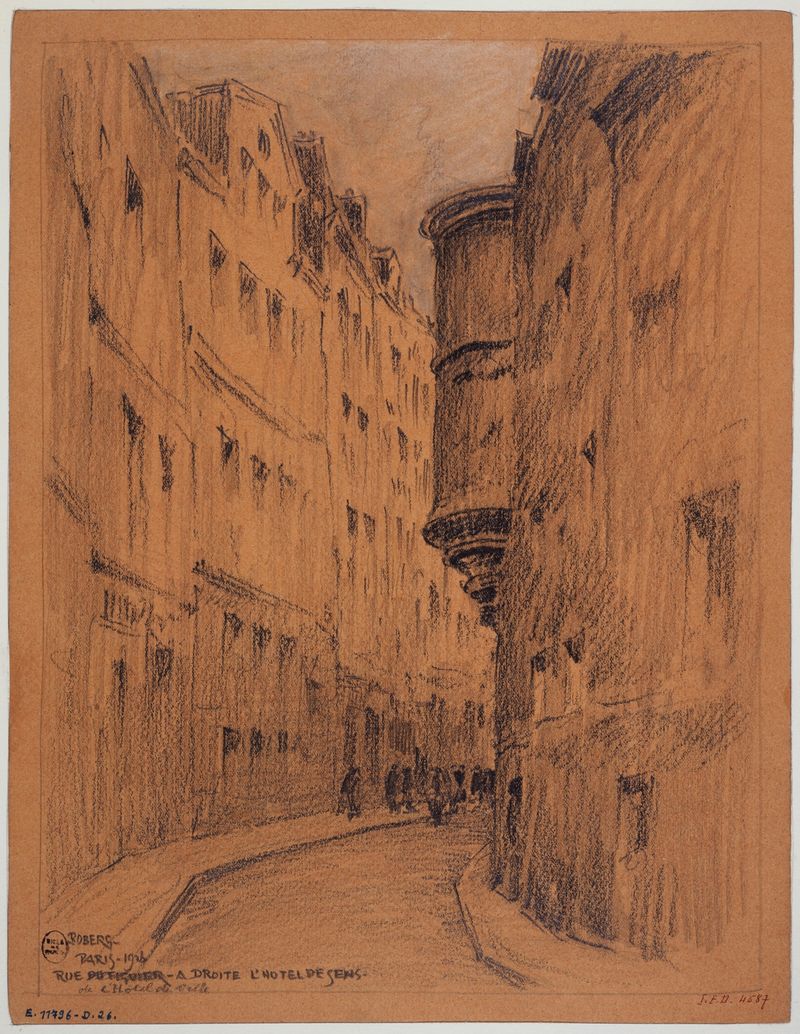
Rue de l’Hôtel de Ville; l’hôtel de Sens
Ferdinand Boberg
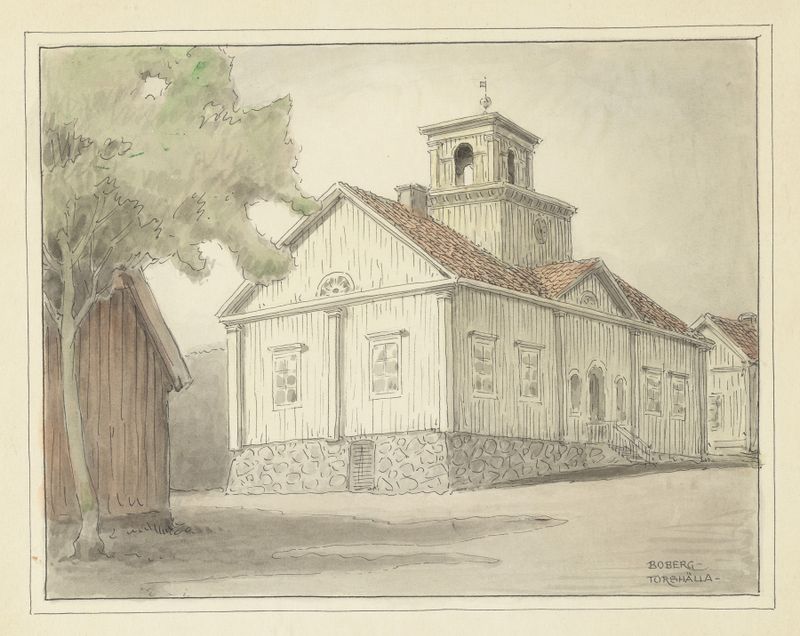
Torshälla
Ferdinand Boberg
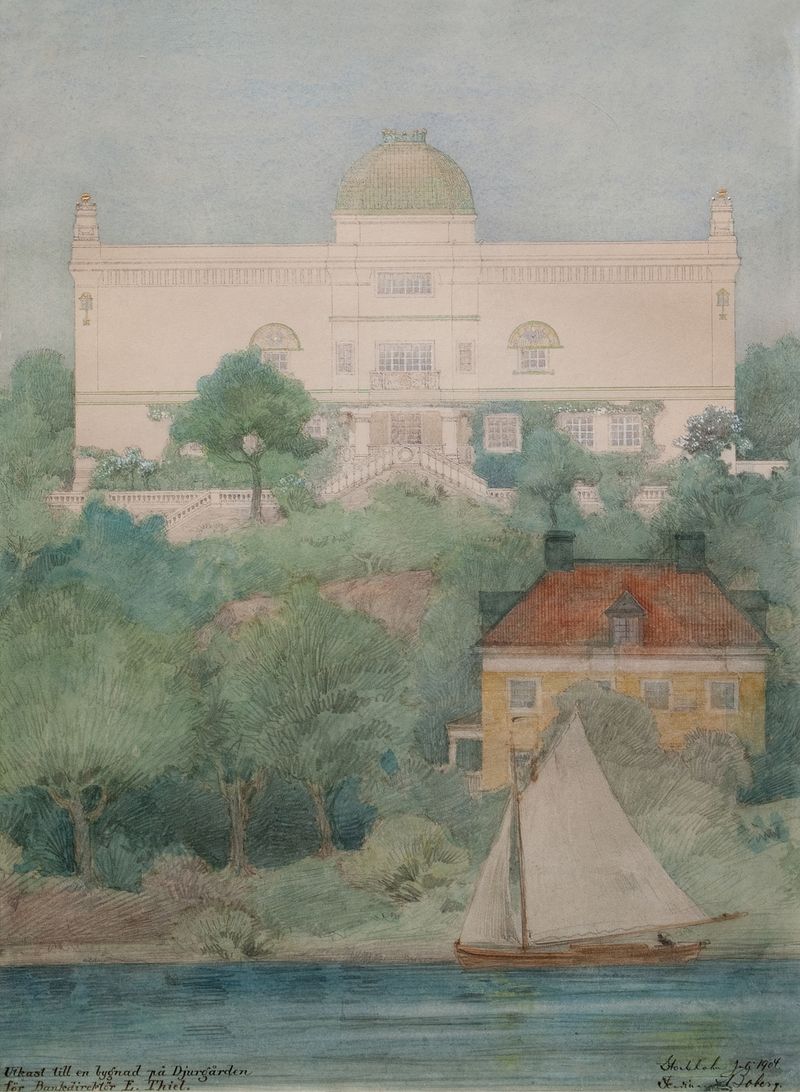
Sketch for a building for Thiel’s Gallery
Ferdinand Boberg
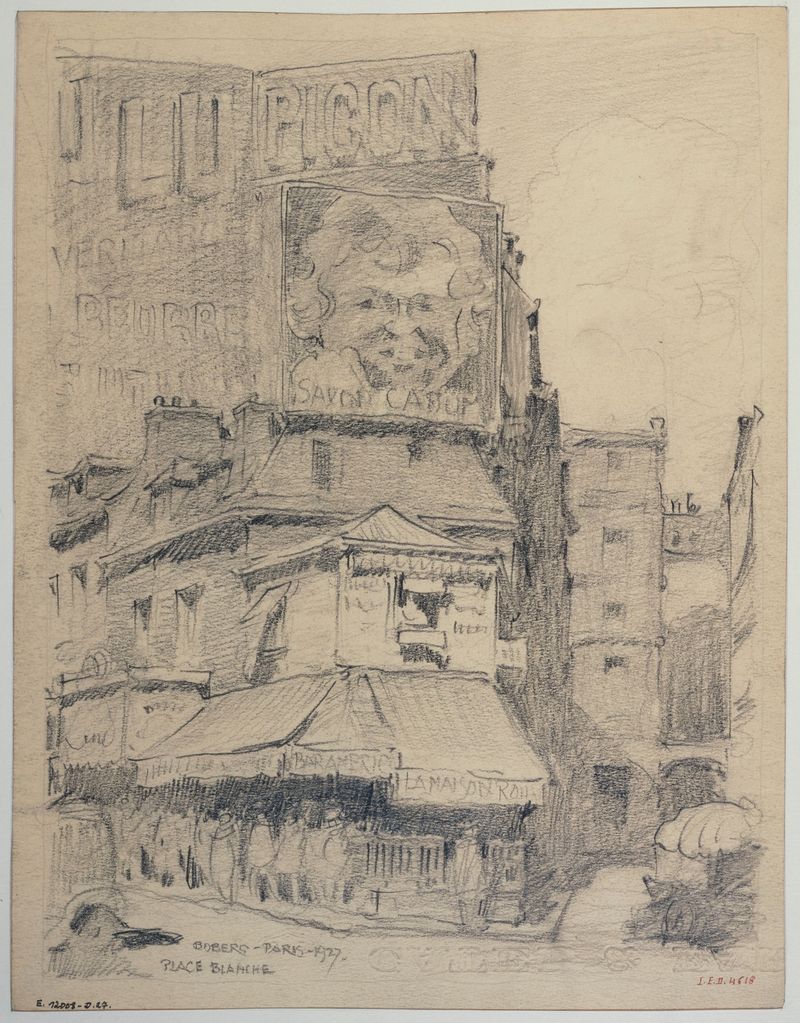
La place Blanche
Ferdinand Boberg





