
Cour d’une maison 12 rue Cortot — History & Facts
In the stillness of a quaint courtyard, a world of longing whispers through the walls. Shadows stretch and embrace the vibrant colors, inviting the viewer to lose themselves in a hidden narrative—a story suspended in time. Look to the left where the sun-drenched wall catches the light, illuminating the hues of ochre and blue that vibrate with life. The delicate interplay of shadow and brightness creates a sense of depth, enticing your gaze to travel deeper into the scene.
Notice how the doorway, partially ajar, hints at the presence of unseen lives, while the overhanging plants lend a gentle touch of wildness, framing the composition with both order and chaos. In this artwork, the contrast between light and shadow emphasizes the tension of absence and presence. The vibrant colors juxtaposed with the serene silence evoke a yearning for connection, something just out of reach. Each detail, from the weathered stones to the lush greenery, suggests stories of past inhabitants, whispering of memories that linger in the air, waiting to be uncovered. Created in 1926, this piece reflects Ferdinand Boberg’s exploration of urban landscapes during a period marked by a shift in the artistic paradigm.
Living in Paris, he was influenced by the burgeoning modernist movements that sought to capture the essence of place and emotion in a rapidly changing world. Boberg’s work, while rooted in the traditions of Impressionism, began to embrace a more personal and introspective approach, revealing the profound connections that exist between spaces and the people who inhabit them.
More Artworks by Ferdinand Boberg
Browse all →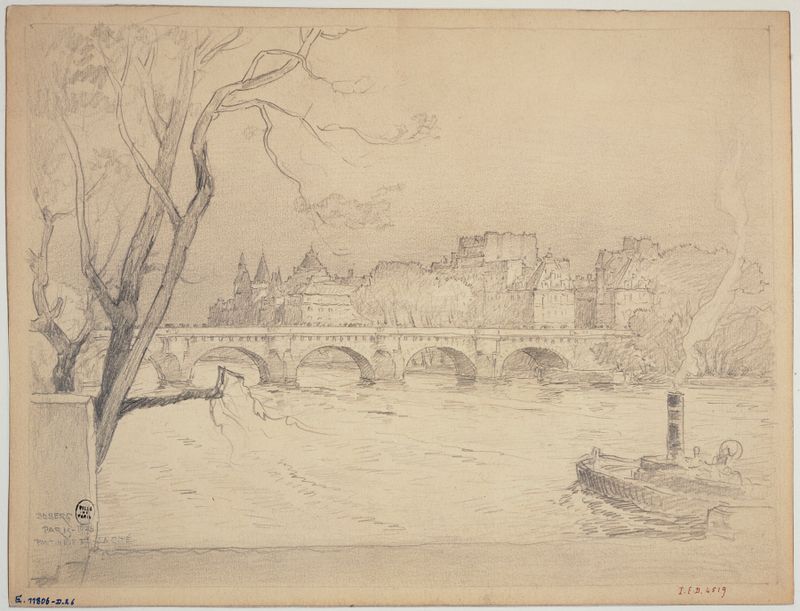
Le Pont-Neuf et la Cité
Ferdinand Boberg
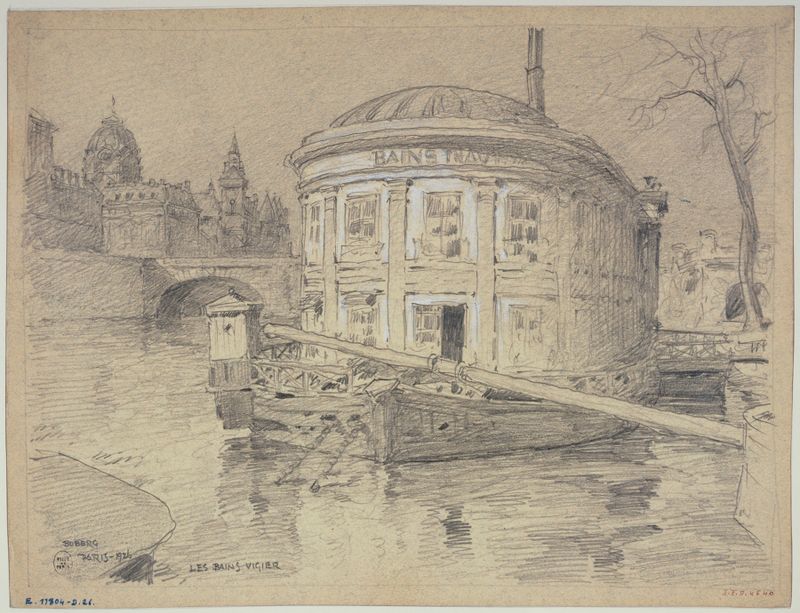
Les bains Vigier au Pont-Neuf
Ferdinand Boberg
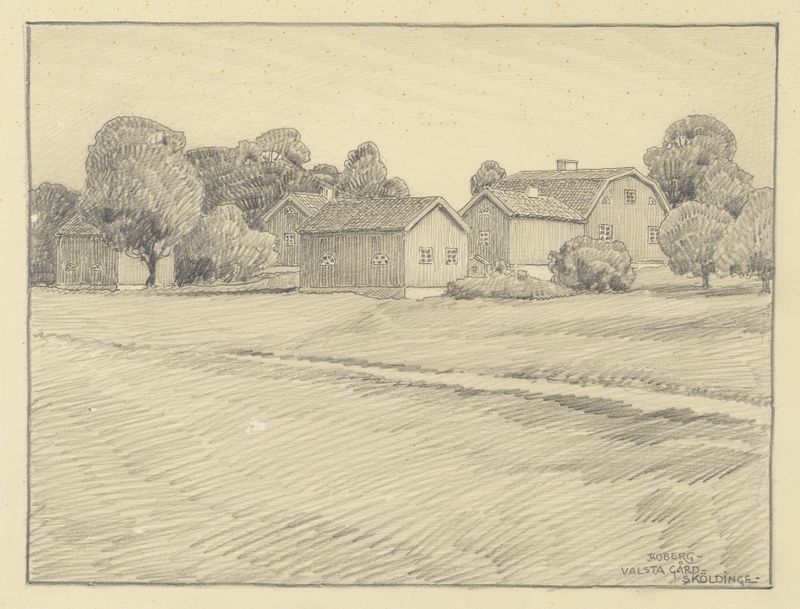
Valsta Gård
Ferdinand Boberg
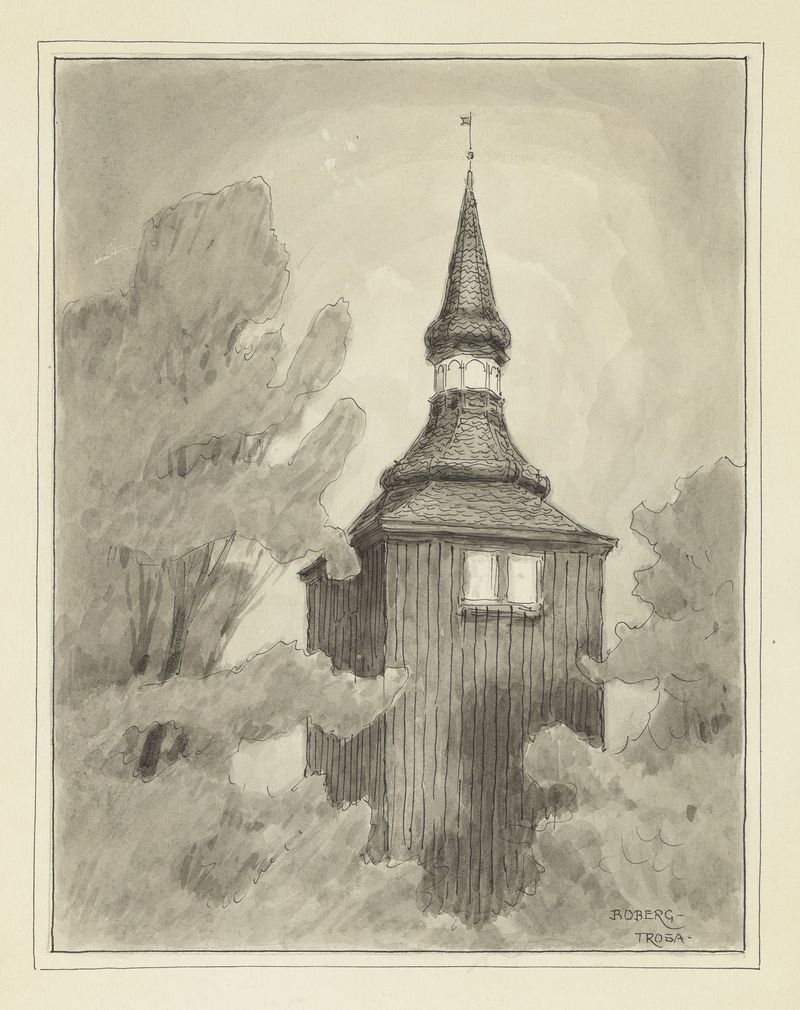
Trosa
Ferdinand Boberg
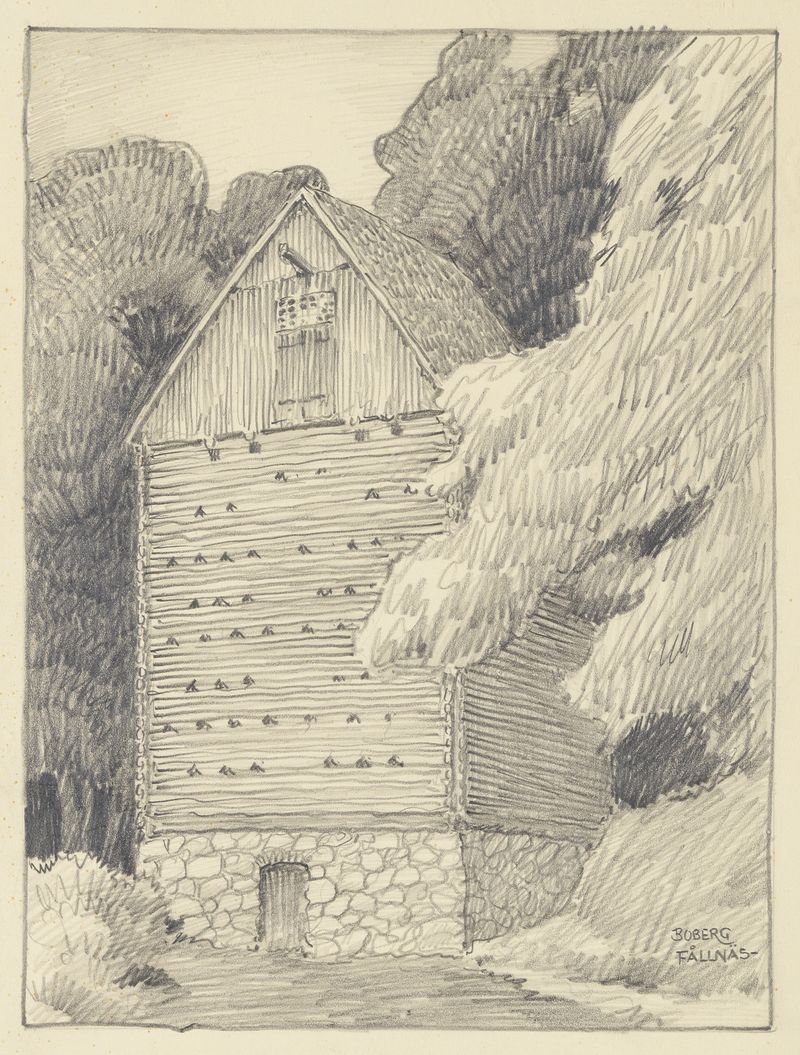
Fållnäs
Ferdinand Boberg
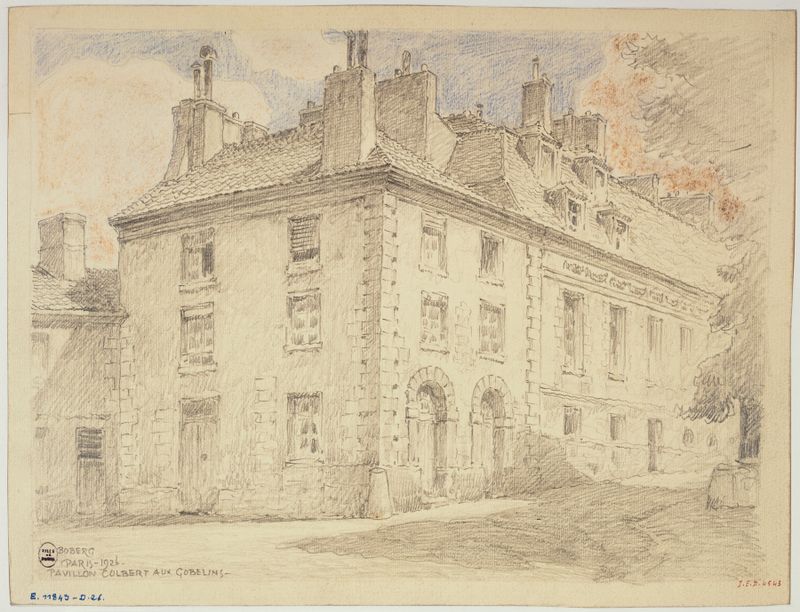
Le pavillon Colbert aux Gobelins
Ferdinand Boberg
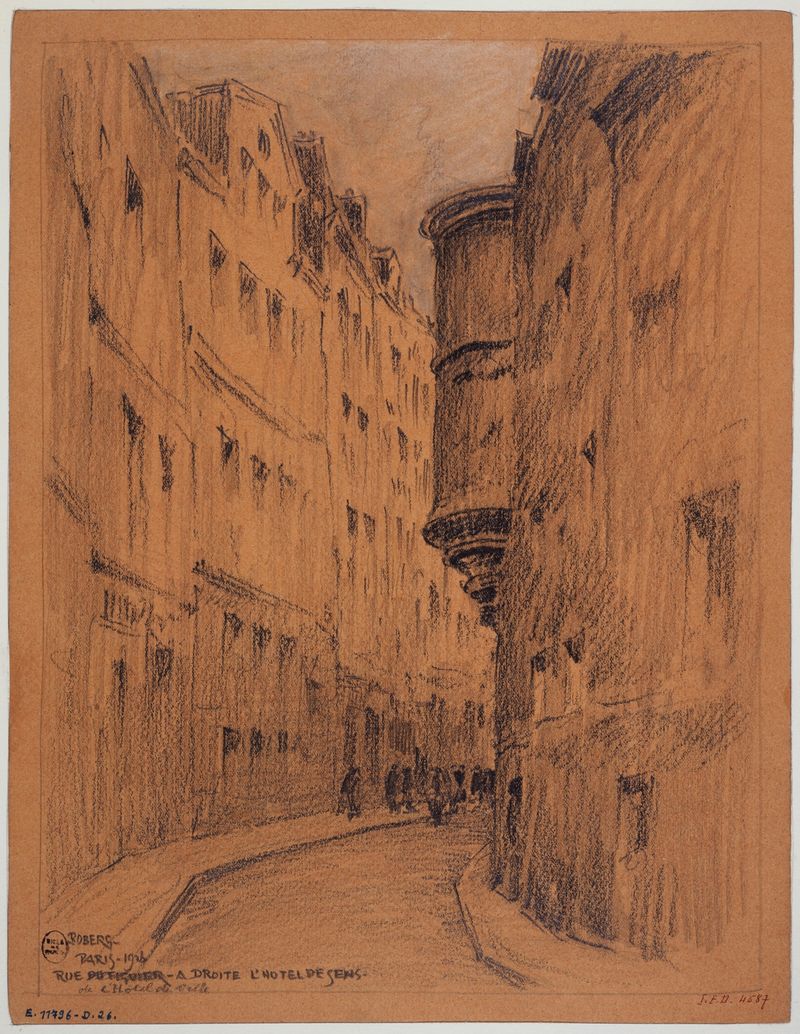
Rue de l’Hôtel de Ville; l’hôtel de Sens
Ferdinand Boberg
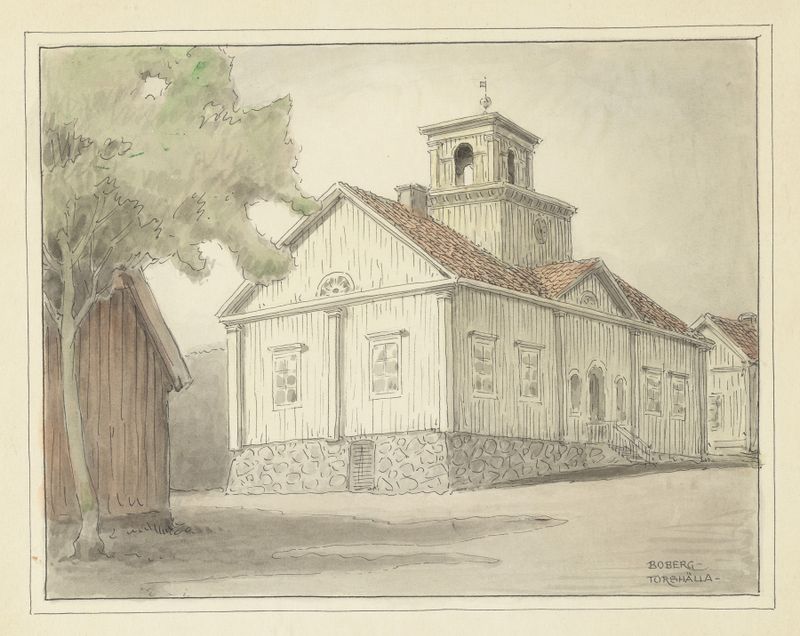
Torshälla
Ferdinand Boberg
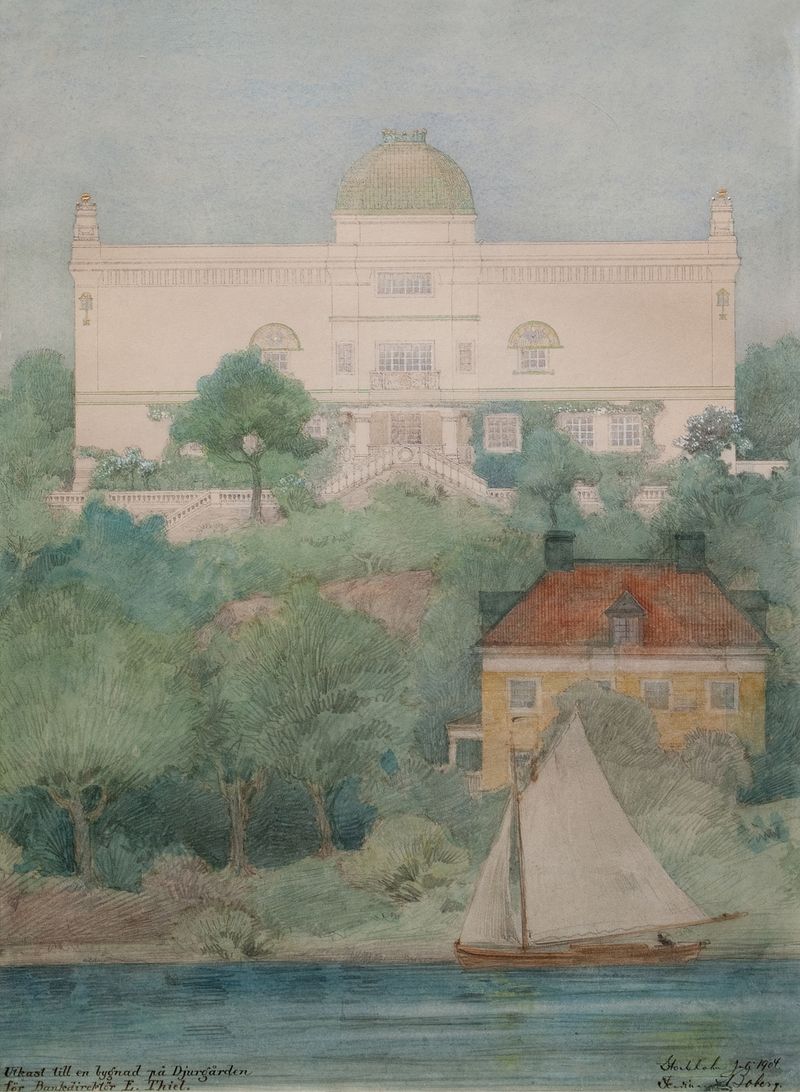
Sketch for a building for Thiel’s Gallery
Ferdinand Boberg
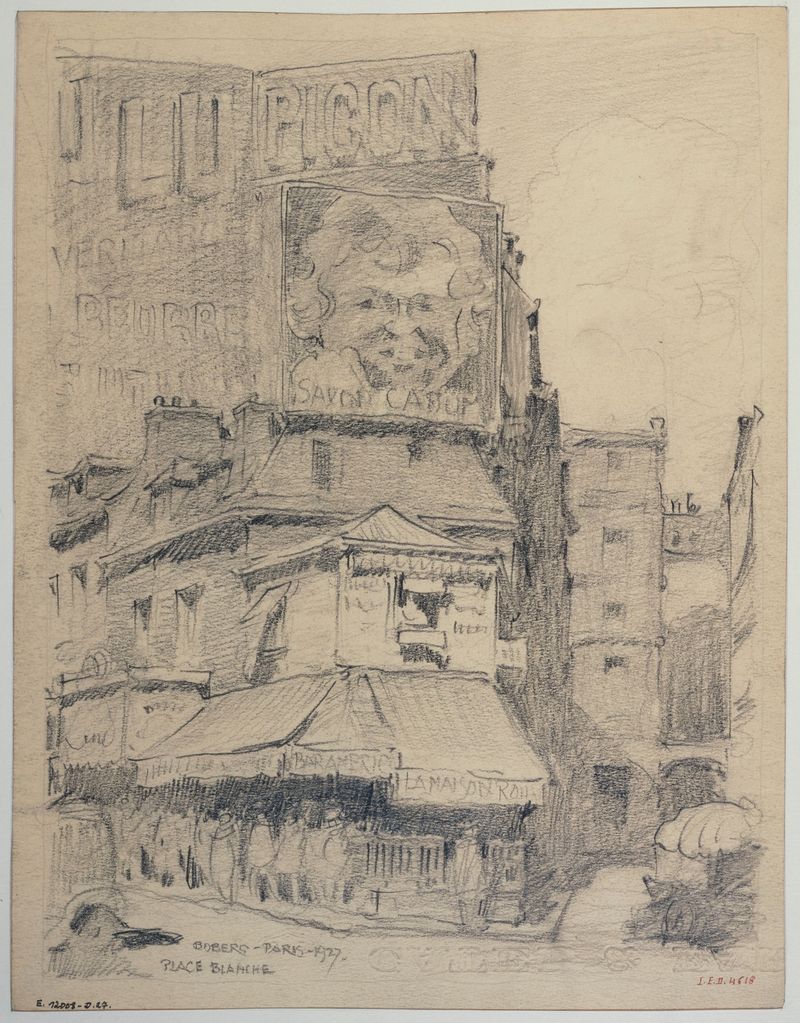
La place Blanche
Ferdinand Boberg





