
Crater in the Island of Volcano — History & Facts
In a world that often feels like an endless cycle of creation and destruction, where do we find meaning amidst the void? Look closely at the center of the canvas, where the crater yawns open, a dark mouth revealing the island’s hidden depths. The play of light upon the edges hints at the fiery activity just beneath the surface, contrasting sharply with the muted tones that envelop the surrounding landscape. The warm ochres and deep greens breathe life into the scene, while the stark, volcanic blackness creates a fractal of tension, beckoning viewers to explore what lies beneath the beauty. There is a palpable contrast between the serene beauty of the island and the chaos implied by the crater.
The painter captures not just a geographical feature but a metaphor for existential reflection—the quiet stillness of the island juxtaposed with the volatile energy of the volcano. This duality evokes questions about creation and destruction, urging us to confront the void that lies at the heart of our existence, where beauty often masks hidden peril. Luigi Mayer painted Crater in the Island of Volcano in 1810 during a period marked by the Romantic movement’s fascination with nature’s sublime forces. At the time, he was deeply engaged with the landscapes and geological wonders of the Mediterranean.
The early 19th century was a time of both exploration and discovery, as artists sought to express the human experience against the majestic, yet unpredictable, backdrop of nature.
More Artworks by Luigi Mayer
Browse all →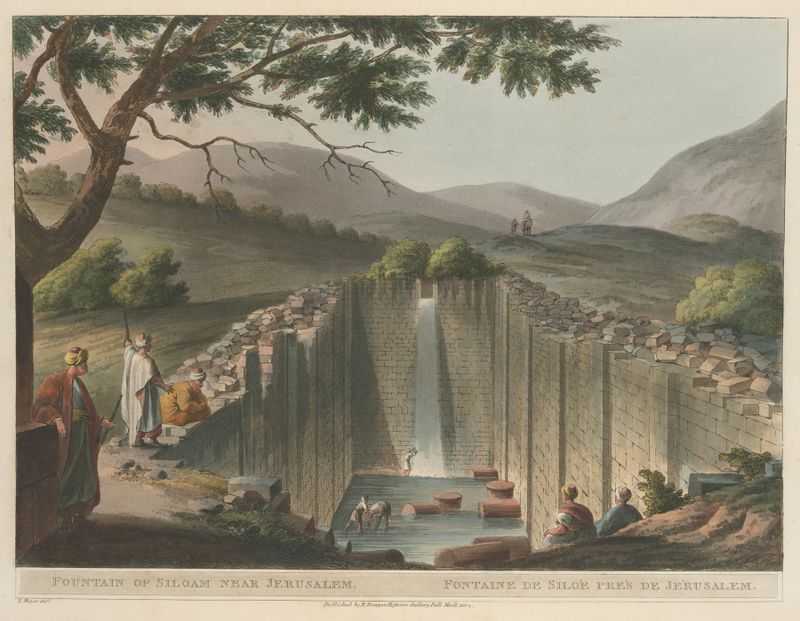
Fountain of Siloam Near Jerusalem
Luigi Mayer

View of the Dardanelles
Luigi Mayer
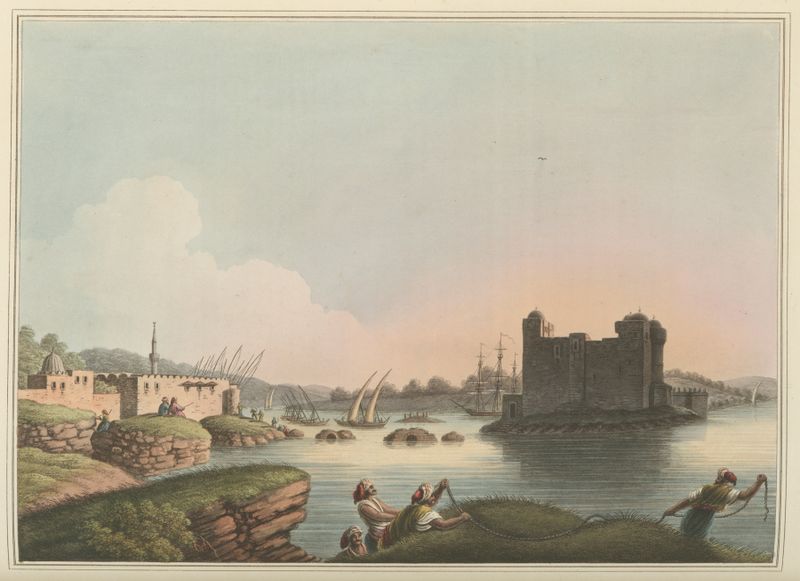
Port of Latachia
Luigi Mayer

Stadium at Ephesus
Luigi Mayer

Ancient Temples at Agrigentum
Luigi Mayer
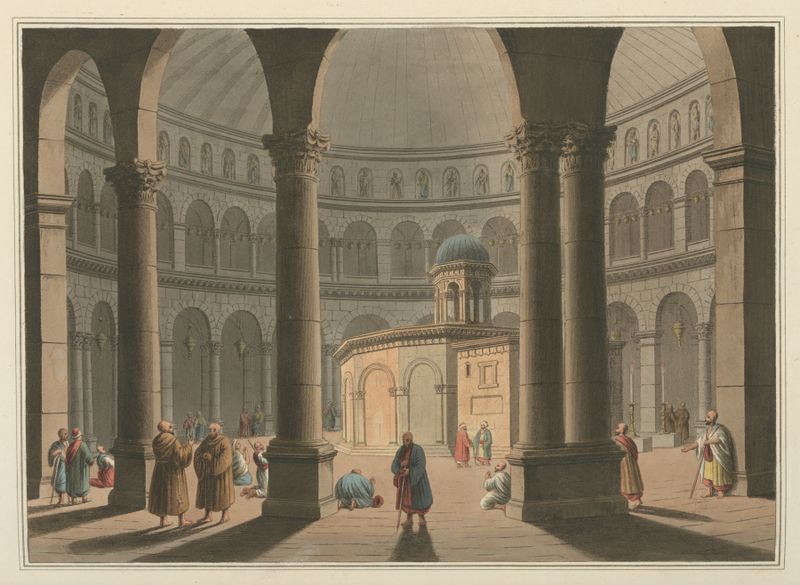
Church of the Holy Sepulchre
Luigi Mayer
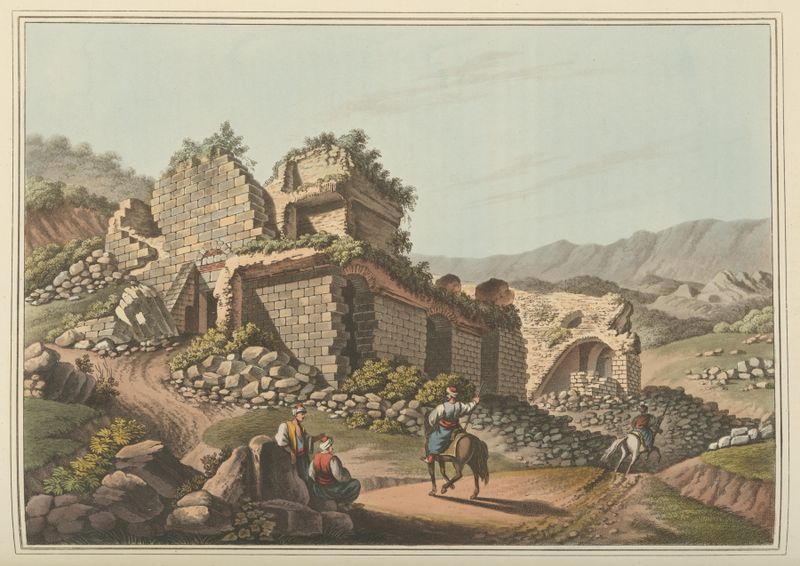
Theatre at Ephesus
Luigi Mayer
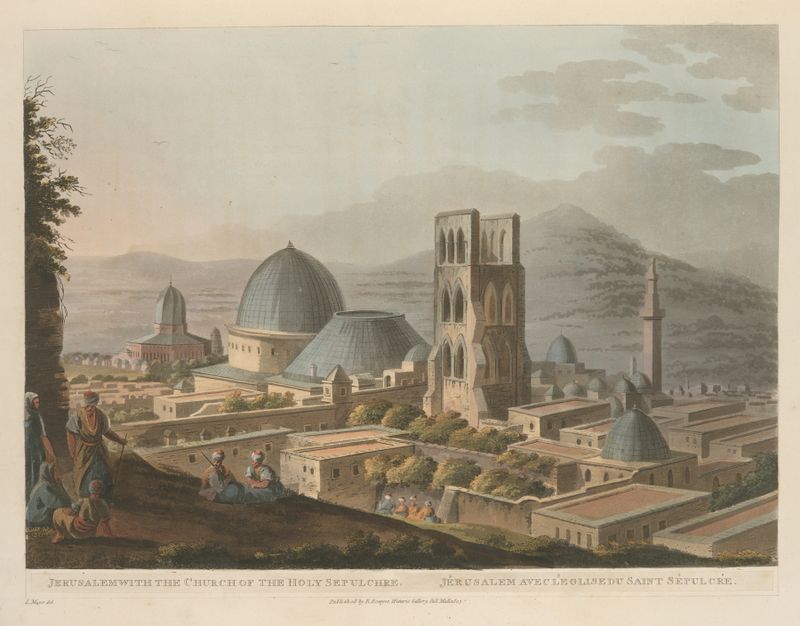
Jerusalem with the Church of the Holy Sepulchre
Luigi Mayer
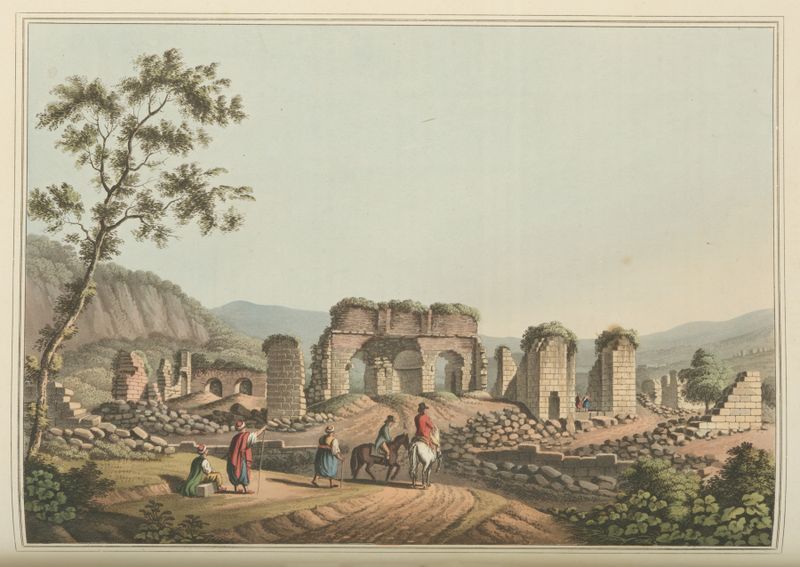
Ruins of the Temple of Diana at Ephesus
Luigi Mayer

Ruins of an ancient Temple in Samos
Luigi Mayer





