
Creating surimono for the New Year — History & Facts
Did the painter know this moment would outlive them? In the delicate dance of color and form, Creating surimono for the New Year captures a fleeting dream, a testament to tradition and the passage of time. Look closely at the vibrant hues which dominate the right side of the composition, where the bold reds and greens burst forth like the hopes of a new beginning. The artist's meticulous lines guide your gaze to the central figure, diligently crafting intricate designs, their focused expression echoing the importance of the ritual. The soft gradation of color lends a sense of tranquility, while the small details in the background whisper stories of celebration and familial warmth, inviting contemplation of both the past and future. Beneath the surface, the artwork embodies the tension between impermanence and legacy.
The meticulously crafted surimono, a type of Japanese print used for New Year greetings, contrasts with the ephemeral nature of time, suggesting that while moments may pass, the beauty of creation is eternal. Each brushstroke carries a profound meaning, evoking the emotion of hope and renewal that accompanies the changing year. In 1825, Katsushika Hokusai was at the height of his artistic career, living in Edo during a period marked by cultural flourishing in Japan. The world was shifting, grappling with modernization and the influence of outside cultures, yet Hokusai remained deeply rooted in traditional practices.
His creation of this piece reflects both a homage to the past and a forward-looking spirit, encapsulating a moment that would resonate for generations to come.
More Artworks by Katsushika Hokusai
Browse all →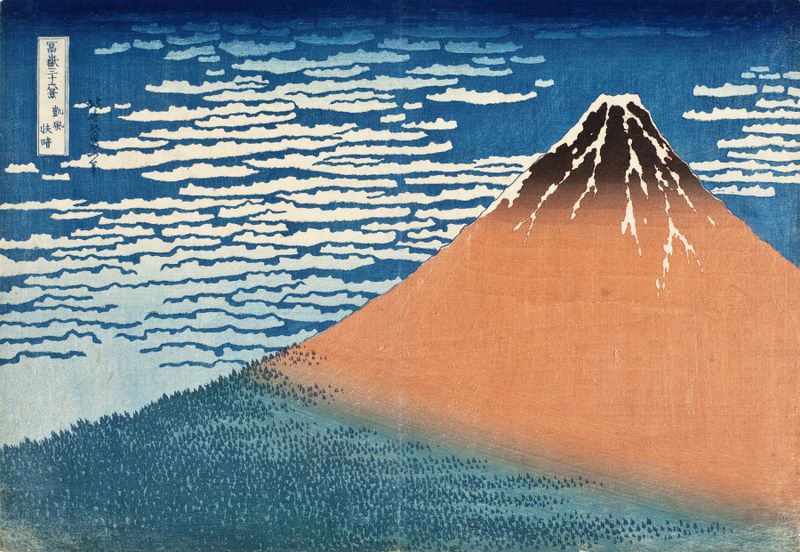
South Wind, Clear Dawn
Katsushika Hokusai

South Wind, Clear Weather
Katsushika Hokusai

Clear Weather with a Southerly Wind
Katsushika Hokusai
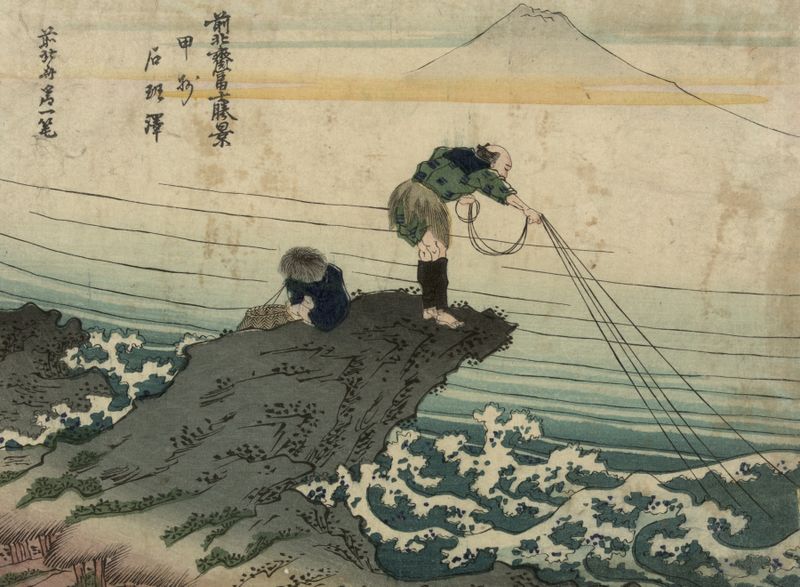
Kōshū kajikazawa
Katsushika Hokusai

Rainstorm beneath the Summit (Sanka Haku-u)
Katsushika Hokusai

Kōshū kajikazawa 2
Katsushika Hokusai
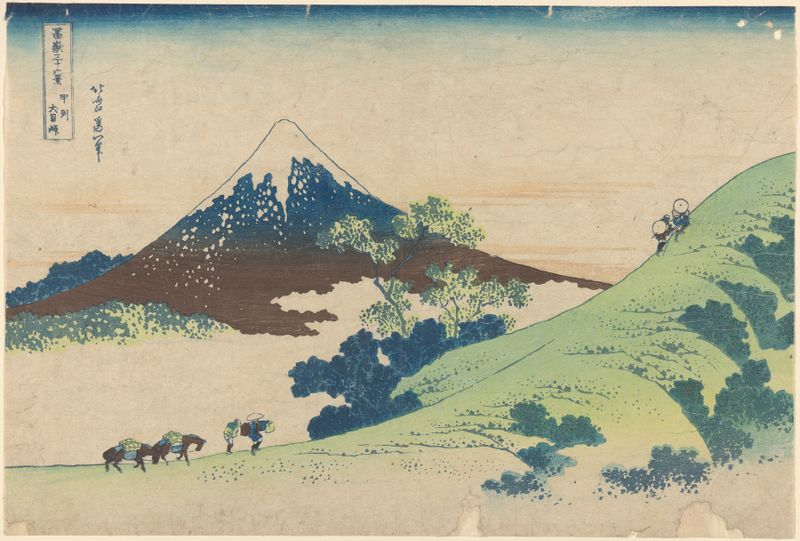
Inume Pass in Kai Province (Kôshû inume-tôge)
Katsushika Hokusai

Yoro Falls in Mino Province (Mino no Yoro no taki), from the series "A Tour of Waterfalls in Various Provinces (Shokoku taki meguri)"
Katsushika Hokusai
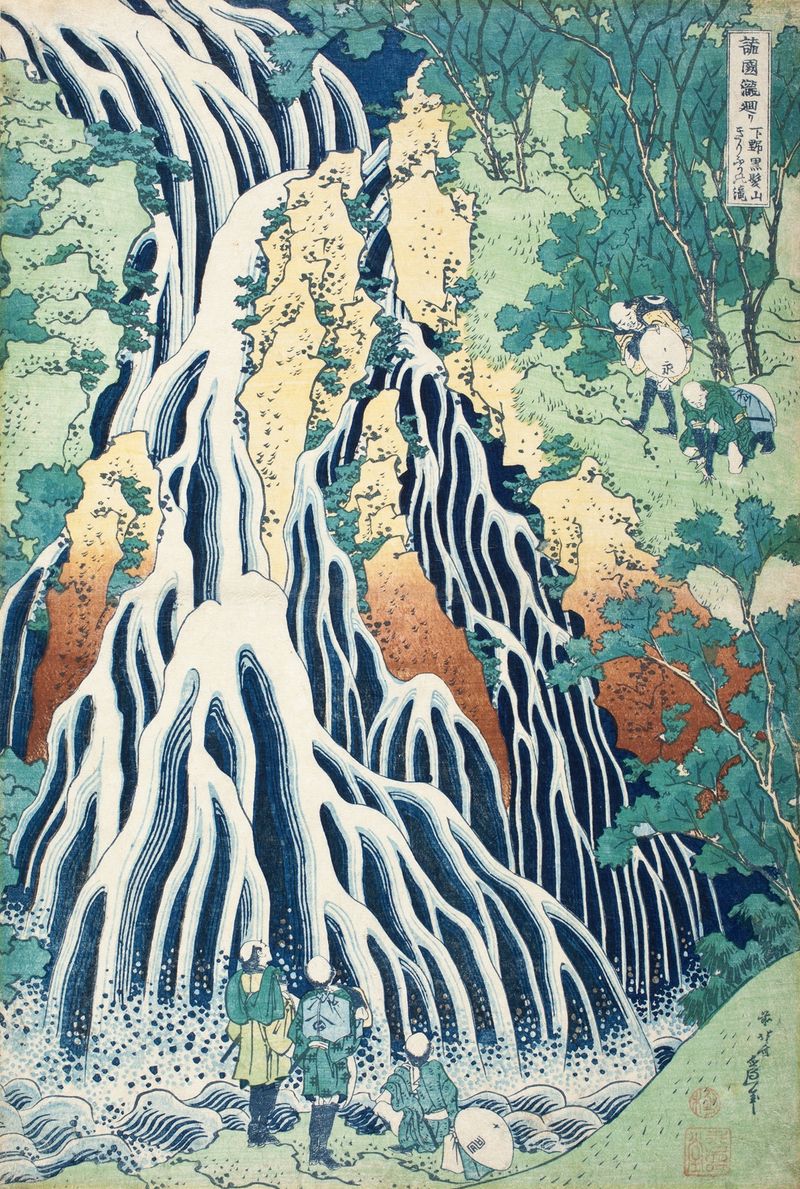
Falls of Kirifuri at Mt. Kurokami, Shimotsuke Province
Katsushika Hokusai
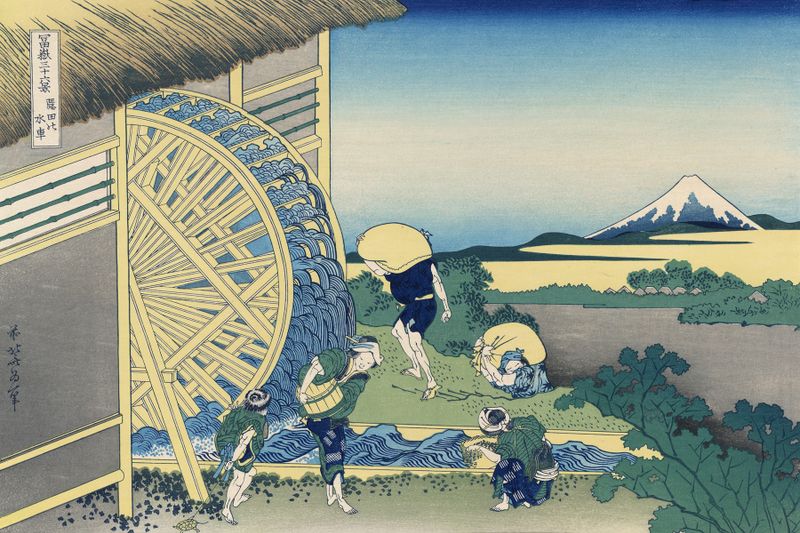
Onden no suisha
Katsushika Hokusai





