
Cricket on the Goodwin Sands — History & Facts
The chaos of nature reflects the tumult within, where calm waters can conceal the raging storm beneath the surface. In this evocative piece, the viewer is invited to contemplate the delicate balance between serenity and turmoil, both in the landscape and in the human experience. Look to the left at the rigid, jagged forms of the distant sandbanks, rising sharply from the tranquil sea. The swirling, almost frenetic brushstrokes of the swirling clouds create a stark contrast to the serene water below.
Notice how the light dances across the surface, illuminating patches that shimmer like gold, hinting at the beauty found within chaos. The composition draws the eye towards the horizon, where a blend of earthy tones meets the ethereal blues and grays, suggesting a world caught between reality and the sublime. The interplay between light and shadow reveals the painting's underlying tension. Small boats dot the sea, their presence hinting at human endeavor amidst the vastness of nature.
The turbulent sky looms overhead, a reminder that chaos is an ever-present force; the seemingly tranquil waters may soon succumb to the tempest. This duality envelops the viewer, evoking a sense of urgency and contemplation — are we mere specks in the grand scheme of nature’s unpredictability? In the world of art during the early 19th century, Turner stood at the forefront of Romanticism, seeking new ways to express emotion and the sublime. Painted during a period of personal and societal transition, this work exemplifies his fascination with light and atmosphere.
The artist navigated his own tumultuous life while emerging as a master who bridged the gap between realism and abstraction, capturing the essence of chaos and tranquility in a single moment.
More Artworks by Joseph Mallord William Turner
Browse all →
Dort or Dordrecht- The Dort Packet-Boat from Rotterdam Becalmed
Joseph Mallord William Turner
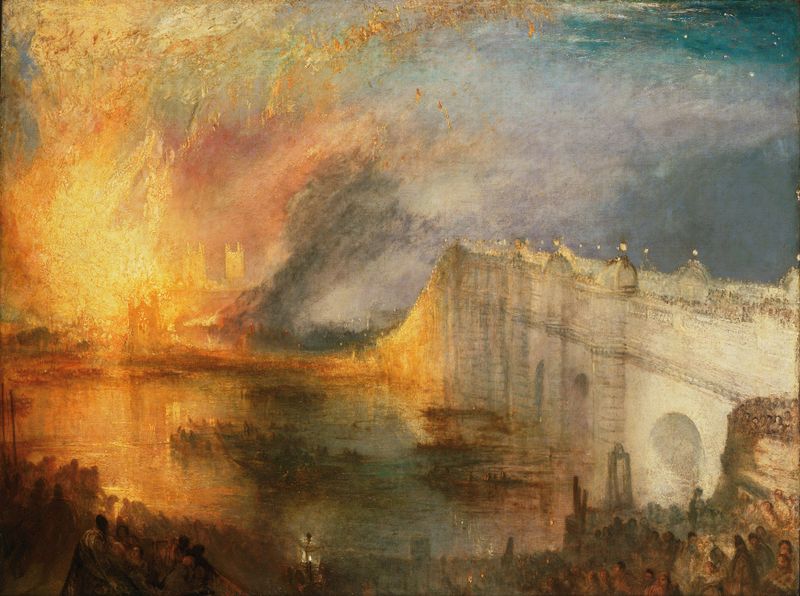
The Burning of the Houses of Lords and Commons, October 16, 1834
Joseph Mallord William Turner
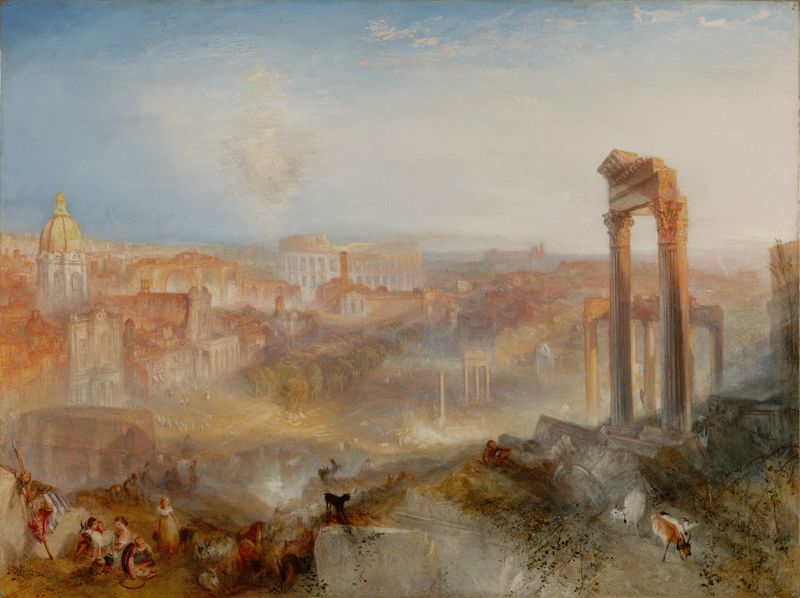
Modern Rome – Campo Vaccino
Joseph Mallord William Turner
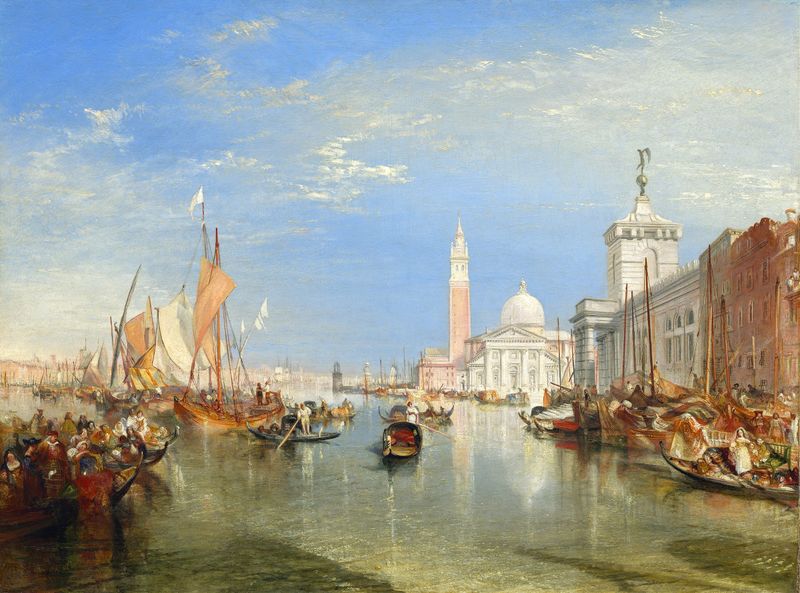
Venice – The Dogana and San Giorgio Maggiore
Joseph Mallord William Turner

The Burning of the Houses of Lords and Commons, 16 October 1834
Joseph Mallord William Turner
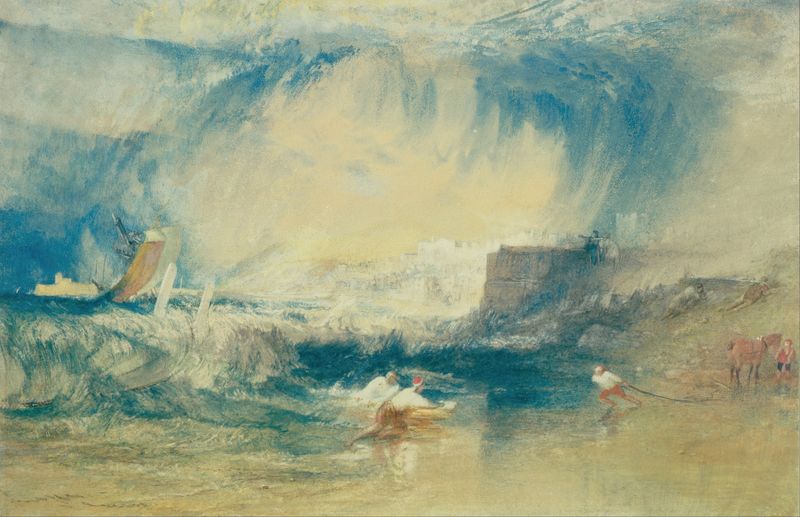
Lyme Regis, Dorsetshire, England
Joseph Mallord William Turner
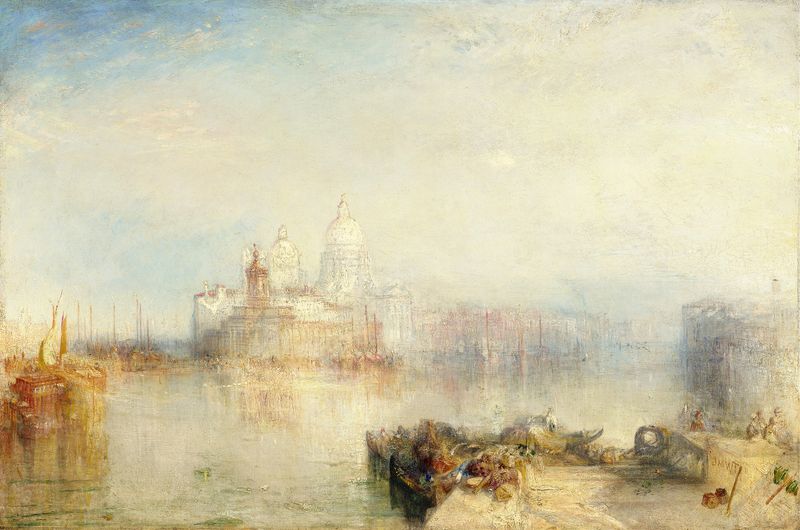
The Dogana and Santa Maria della Salute, Venice
Joseph Mallord William Turner
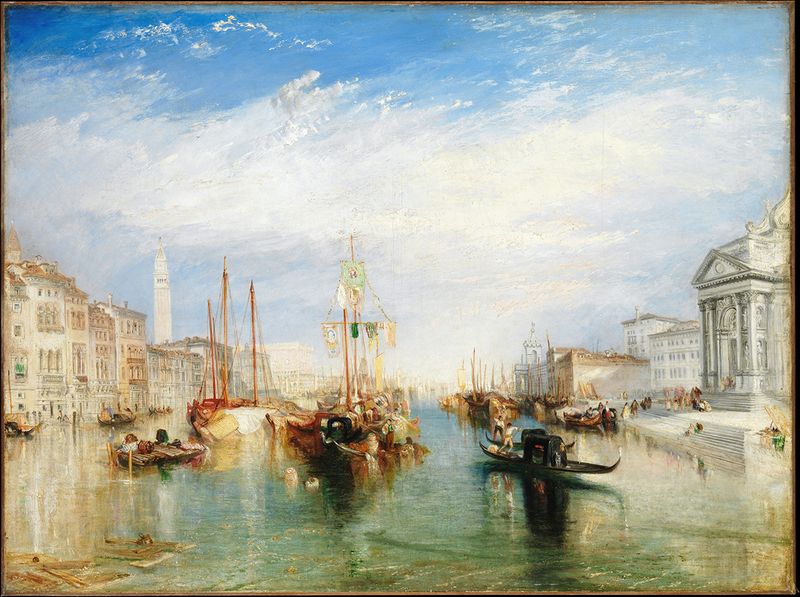
Venice, from the Porch of Madonna della Salute
Joseph Mallord William Turner
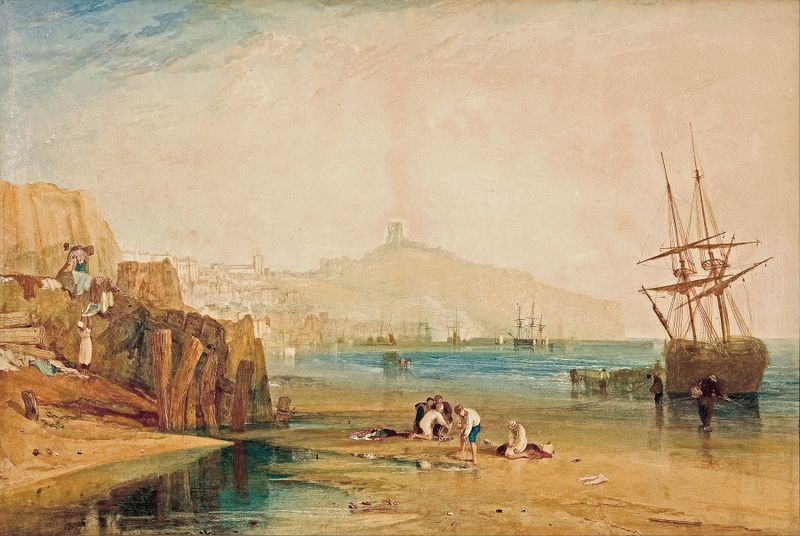
Scarborough town and castle; morning; boys catching crabs
Joseph Mallord William Turner
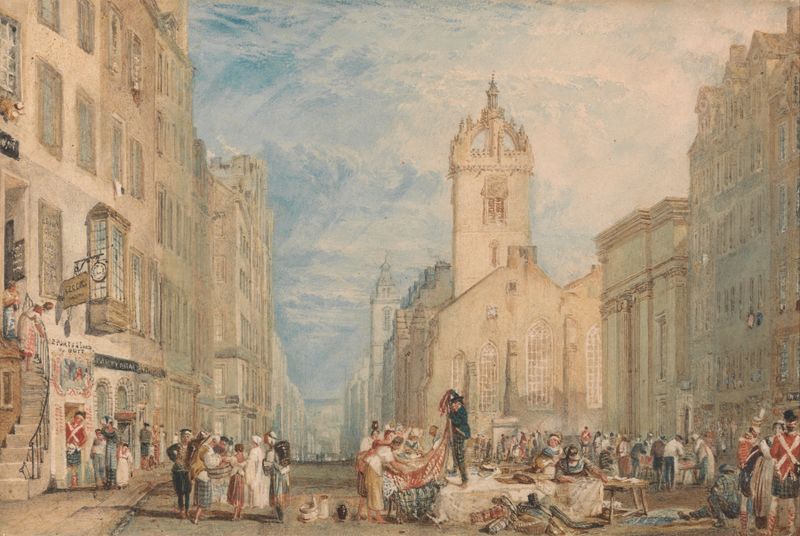
High Street, Edinburgh
Joseph Mallord William Turner




