
Crossing the Bitter Root — History & Facts
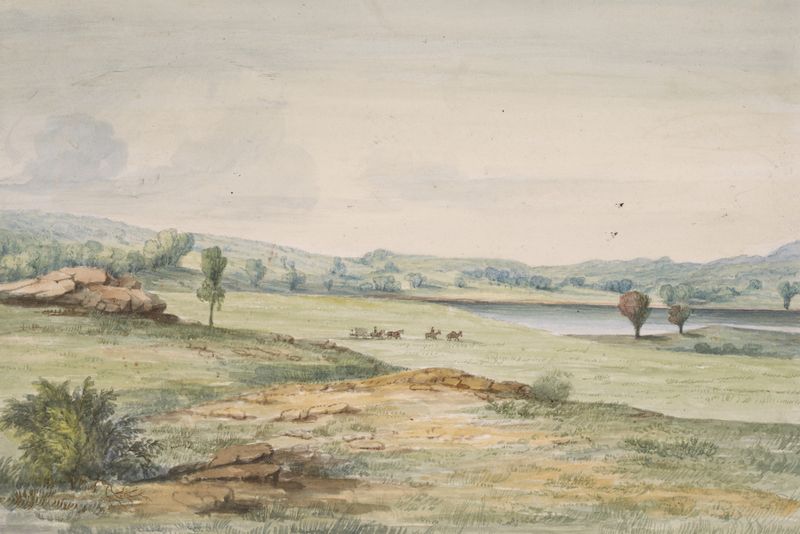
Can paint confess what words never could? In the depths of Crossing the Bitter Root, a complex narrative unfolds, revealing truths that echo far beyond the canvas. Look to the center at the figures navigating the tumultuous river—two Indigenous men bravely steering their canoe through powerful currents. The artist employs rich, earthy tones juxtaposed against the swirling blues of water, guiding your gaze to the turbulent motion that seems almost alive. Notice how the sunlight filters through the trees, casting dappled shadows that enhance the vibrancy of the scene, each brushstroke pulsating with urgency as it invites you into their perilous journey. Yet, beyond this immediate action lies a tension woven into the fabric of the painting: the struggle against nature and the imminent threat of displacement.
The faces of the men are etched with determination, reflecting both resilience and the deep-seated sorrow of a culture grappling with loss. The juxtaposition of wild beauty and stark survival resonates, capturing the essence of an era marked by conflict and transformation. In 1854, while creating this work, the artist was deeply entrenched in the conversation around Native American life in the West. He was working in a period when the United States was expanding its reach, and Indigenous communities faced increasing challenges.
This backdrop of turmoil and transition not only informed his artistic vision but also shaped the broader understanding of Native experiences within the context of American art.
More Artworks by John Mix Stanley
Browse all →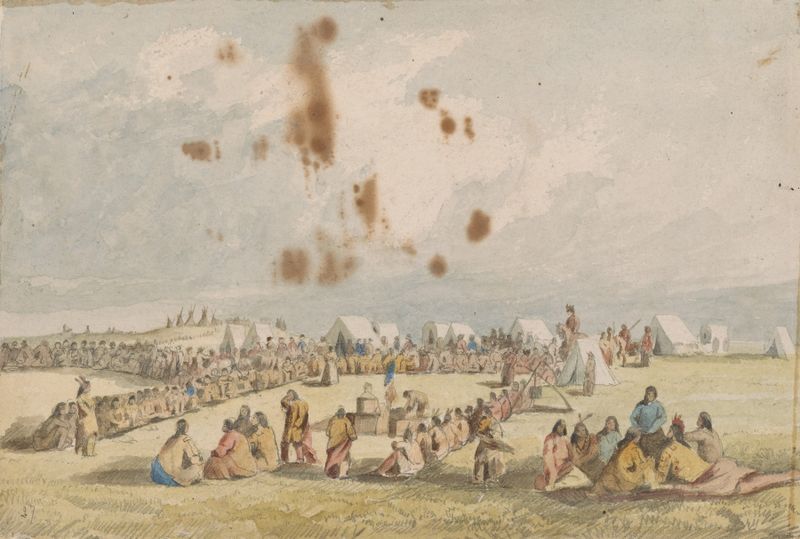
Distribution of Goods to the Assiniboins
John Mix Stanley
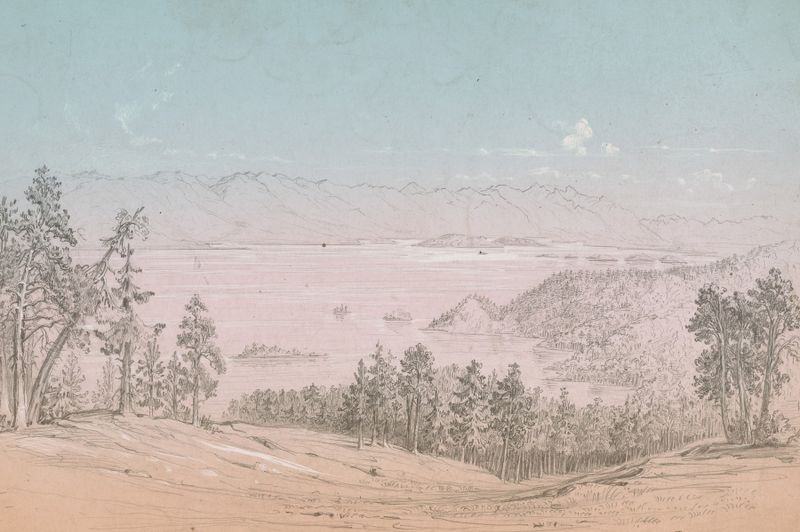
Flathead Lake, Looking toward the South
John Mix Stanley

A Morning in Milk River Valley
John Mix Stanley

Mount Rainier Viewed from Near Steilacoom
John Mix Stanley
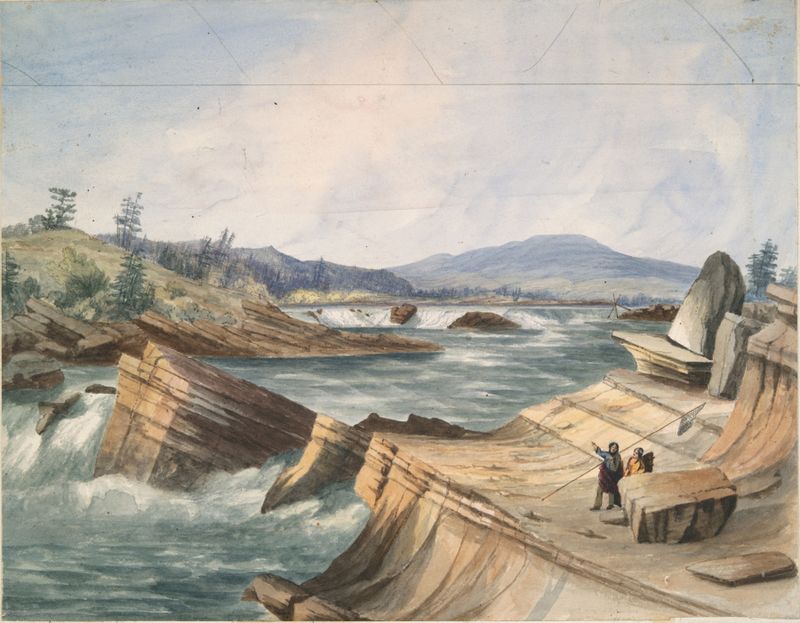
Kettle Falls, Columbia River
John Mix Stanley
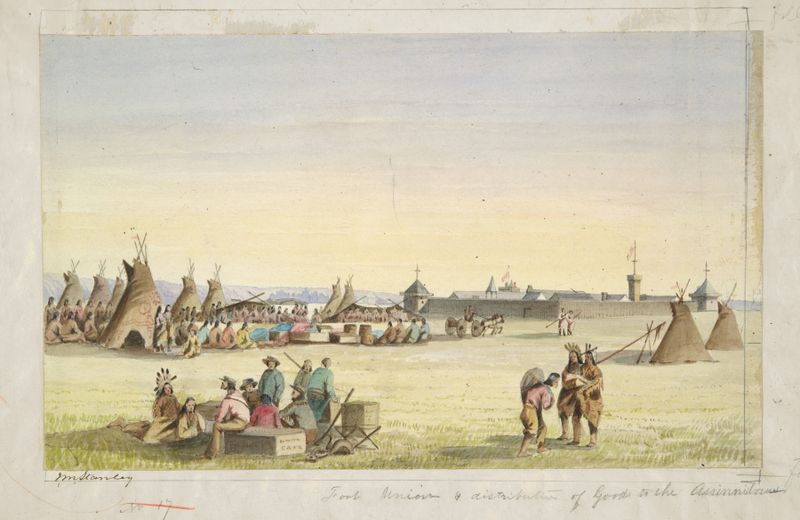
Fort Union and Distribution of Goods to the Assiniboins
John Mix Stanley

Pike Lake M.T.
John Mix Stanley
Sauk River
John Mix Stanley

Milk River – Bear’s Paw Mountain in Distance
John Mix Stanley

Fort Benton
John Mix Stanley
More Historical Art
Browse all →
The Night Watch Militia Company of District II under the Command of Captain Frans Banninck Cocq
Rembrandt van Rijn

Lincoln Memorial
Henry Bacon

The Third of May 1808
Francisco de Goya

Isaac and Rebecca, Known as ‘The Jewish Bride’
Rembrandt van Rijn

The Charge of the Mamelukes (1814)
Francisco de Goya

De vier ruiters van de apocalyps
Albrecht Dürer