
Crépuscule à Villers — History & Facts
In the twilight of life, where shadows dance and colors fade, what secrets do we hold close? Look to the center of Crépuscule à Villers, where the deepening blue of dusk envelops the landscape, whispering tales of solitude. The horizon is an expanse of soft purples and golds, capturing a fleeting moment as day surrenders to night. The brushwork is delicate yet fervent, inviting the eye to follow the winding path that leads into the heart of the scene.
Notice how the trees stand tall and almost sentient, their silhouettes etched against the sky, as if guarding the mysteries that twilight unveils. The painting speaks of contrasts—the simultaneous beauty and melancholy of the approaching darkness. Each stroke conveys a sense of introspection, where the calming hues clash with an underlying current of madness, hinting at the turbulent emotions experienced in isolation. The flickering light upon the path evokes not just a journey into the unknown but also an exploration of the psyche, where every shadow may conceal a fragmented thought or forgotten dream. Amédée Joyau painted Crépuscule à Villers in 1896, a time when the art world was encountering the fringes of Impressionism and Symbolism.
Living in France, he was influenced by the intense emotion and psychological depth of his contemporaries. The atmosphere of experimentation and exploration, both in his personal life and in the broader currents of art, led him to capture this poignant moment—a meditation on the balance between tranquility and turmoil.
More Artworks by Amédée Joyau
Browse all →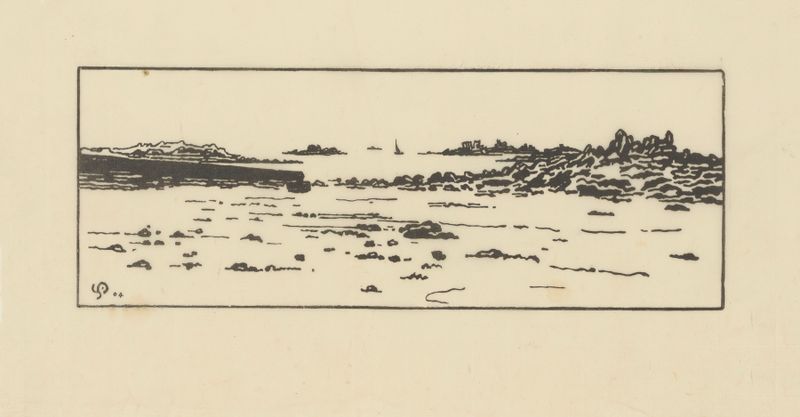
Côte de Roscoff, Marée basse
Amédée Joyau
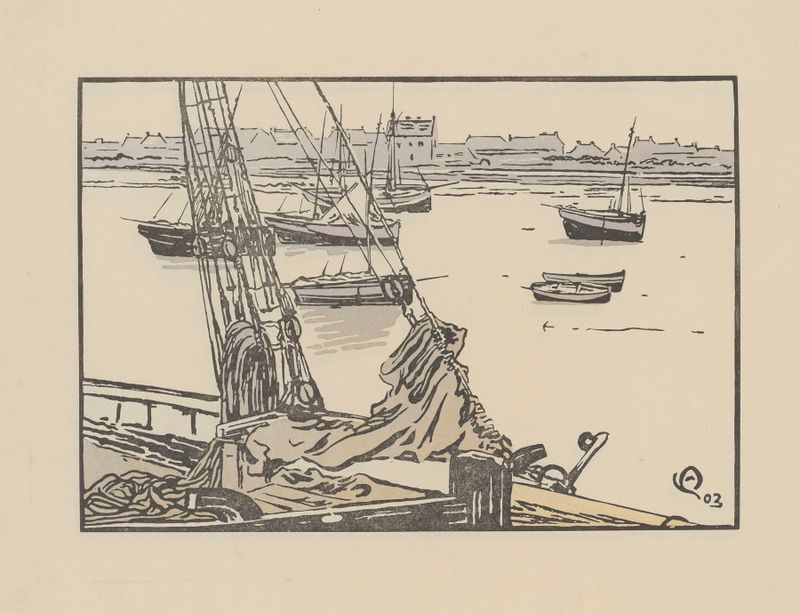
Roscoff, Matinée claire
Amédée Joyau
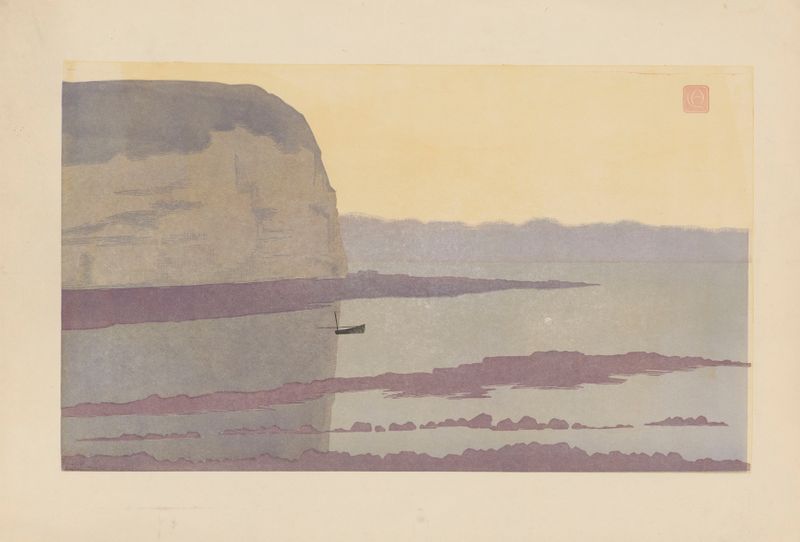
La Falaise, crépuscule (Yport)
Amédée Joyau
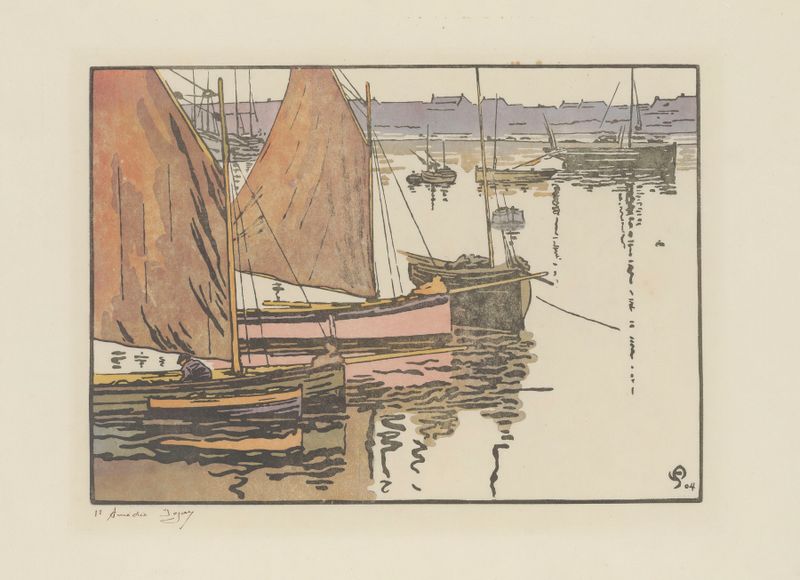
Roscoff, Les voiles rouges
Amédée Joyau
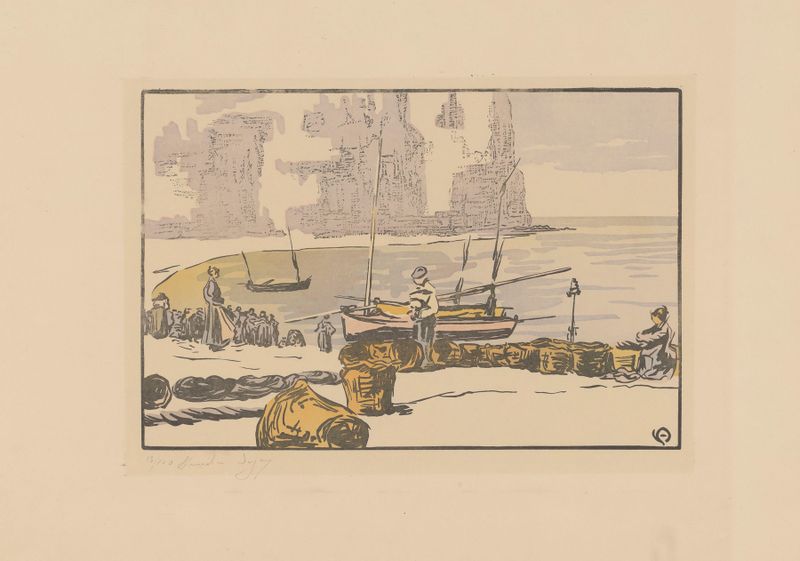
La Petite plage (Yport)
Amédée Joyau
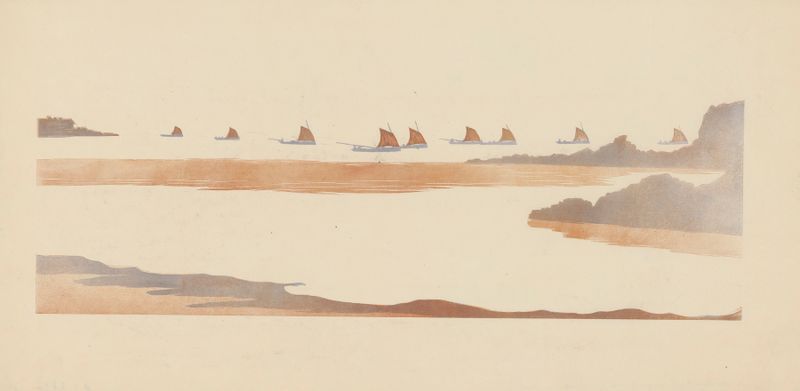
Rentrée des Sardiniers (Douarnenez, Finistère)
Amédée Joyau
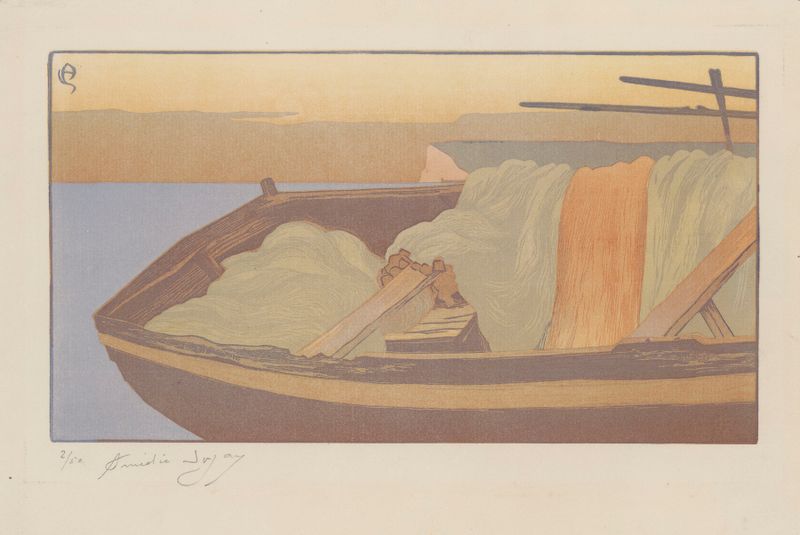
Les Filets (Yport)
Amédée Joyau
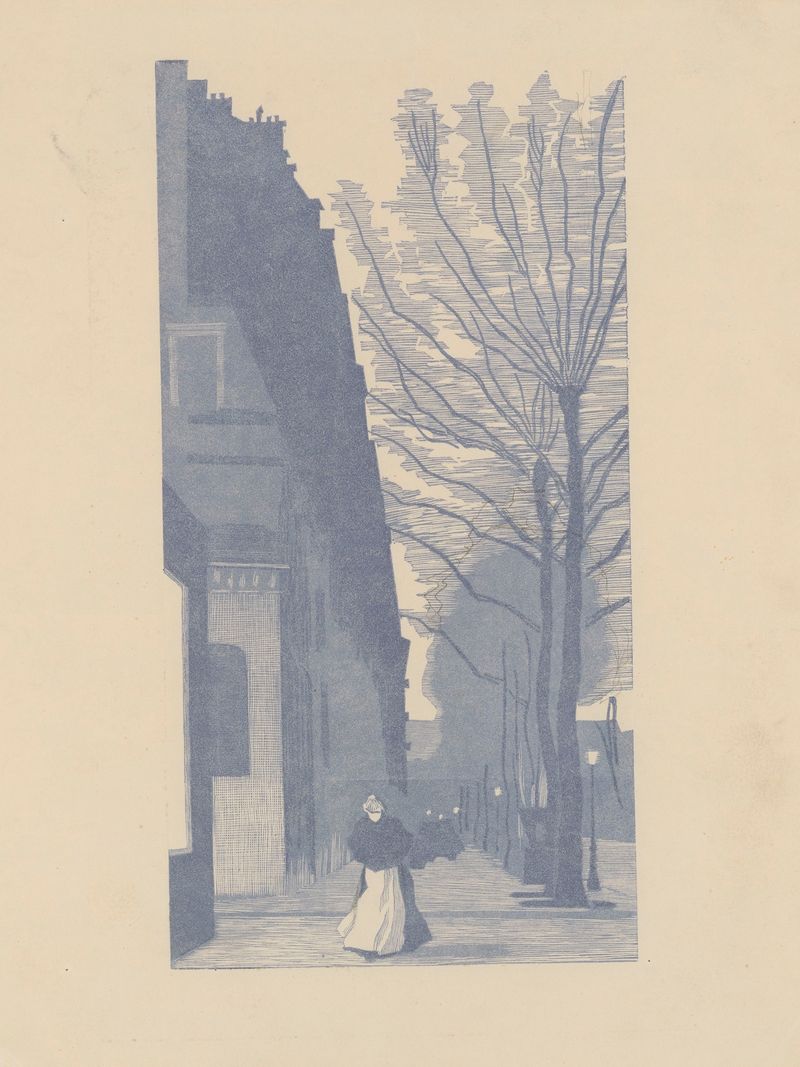
Avenue de Villiers (Paris)
Amédée Joyau
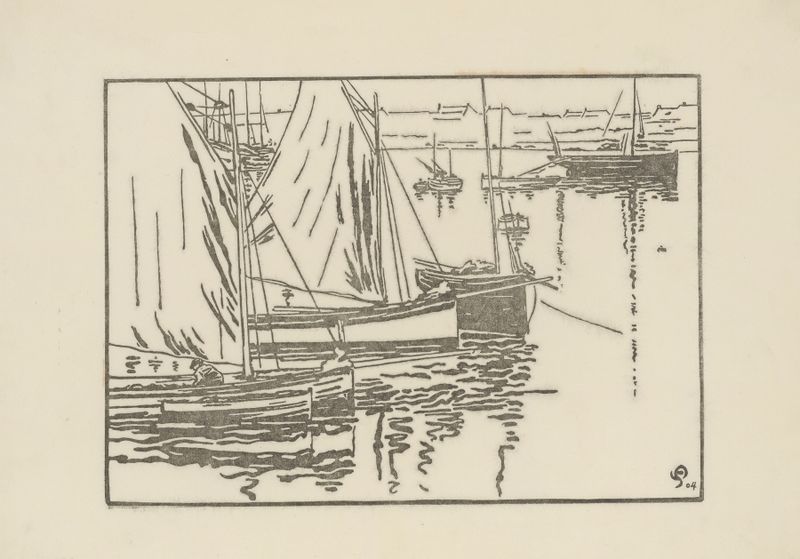
Roscoff, Les voiles rouges
Amédée Joyau
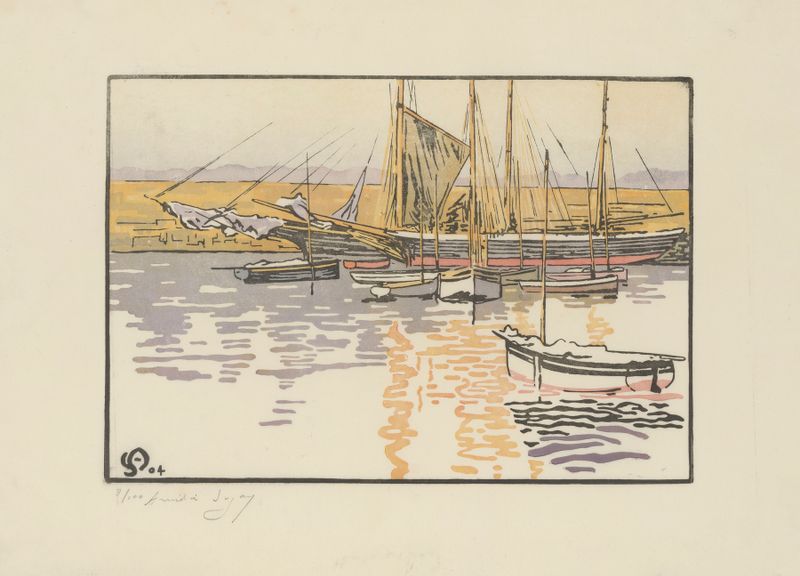
Roscoff, Les Goélettes
Amédée Joyau





