Cupid — History & Facts
When Cupid was painted around 1530, Titian was at the height of his fame in Venice, and his mythological works were in high demand among the city’s elite. What makes this depiction of the god of love particularly intriguing is the uncertainty surrounding its original commission and even its intended recipient—unusual for a painter so closely tied to powerful patrons like the Duke of Ferrara and the Gonzaga family. The painting’s precise origins remain elusive, and its medium is not definitively recorded, adding to its air of mystery.
Some art historians have suggested it was part of a series of mythological works for a private studiolo, but no firm documentation survives. In this scene, Titian captures Cupid at a moment of mischievous pause, his bow slack in his hand, his gaze turned outward as if inviting the viewer to join in his playful schemes. The god’s youthful body glows with a soft, golden light, set against a dark, atmospheric background—a hallmark of Titian’s Venetian palette. The scattered arrows at Cupid’s feet hint at love’s unpredictability, while the delicate wings and the gentle turn of his head suggest innocence as well as cunning.
Unlike the more dramatic, narrative-driven Cupids of Caravaggio or Guido Reni, Titian’s figure is less about action than about the ambiguous promise of desire and trouble. The painter’s brushwork, loose and sensuous, draws the eye across flesh and feather alike, inviting contemplation of both beauty and danger. The subsequent history of Cupid is as enigmatic as its origins. It is not clear when or how the painting left Venice, nor is there a clear record of its early ownership.
Over the centuries, it has been attributed to various hands before consensus settled on Titian, whose handling of mythological subjects became a model for later artists. Today, the painting is recognized as a fine example of Titian’s ability to blend classical myth with psychological nuance, standing as a testament to the enduring allure of both artist and subject. Its journey from Renaissance Venice to the present day reflects the shifting tastes and fortunes of collectors, even as the god of love continues to cast his spell.
More Artworks by Titian
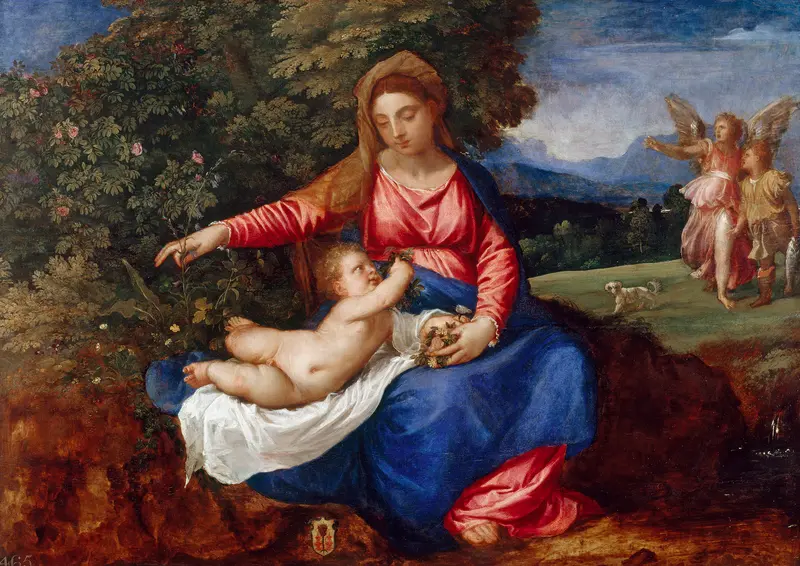
Madonna and Child in a Landscape with Tobias and the Angel
Titian
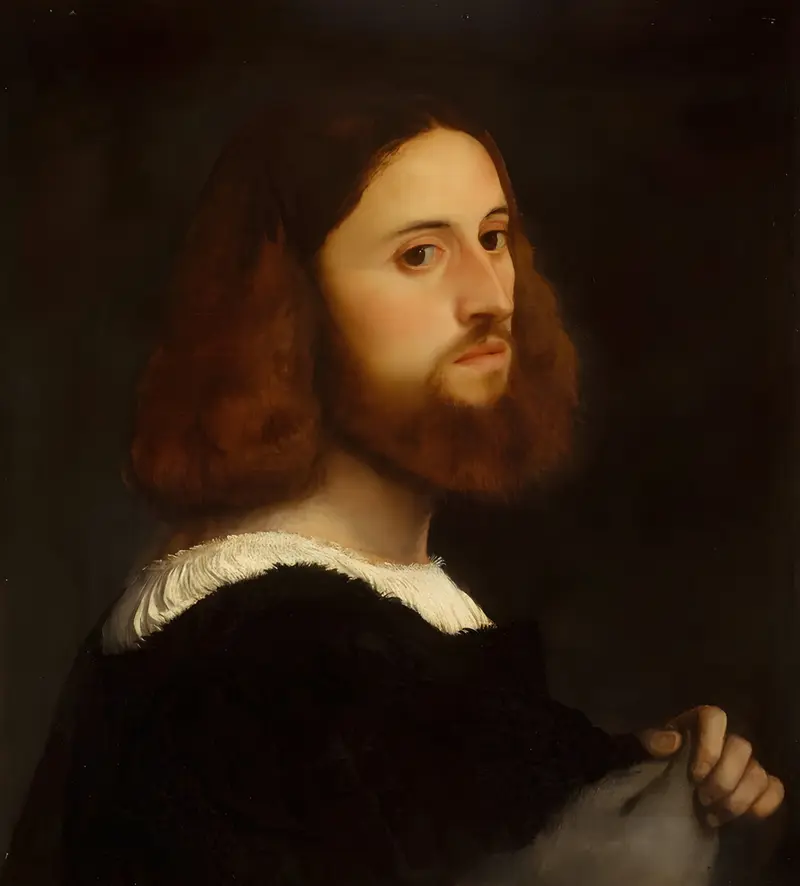
Portrait of a Man
Titian
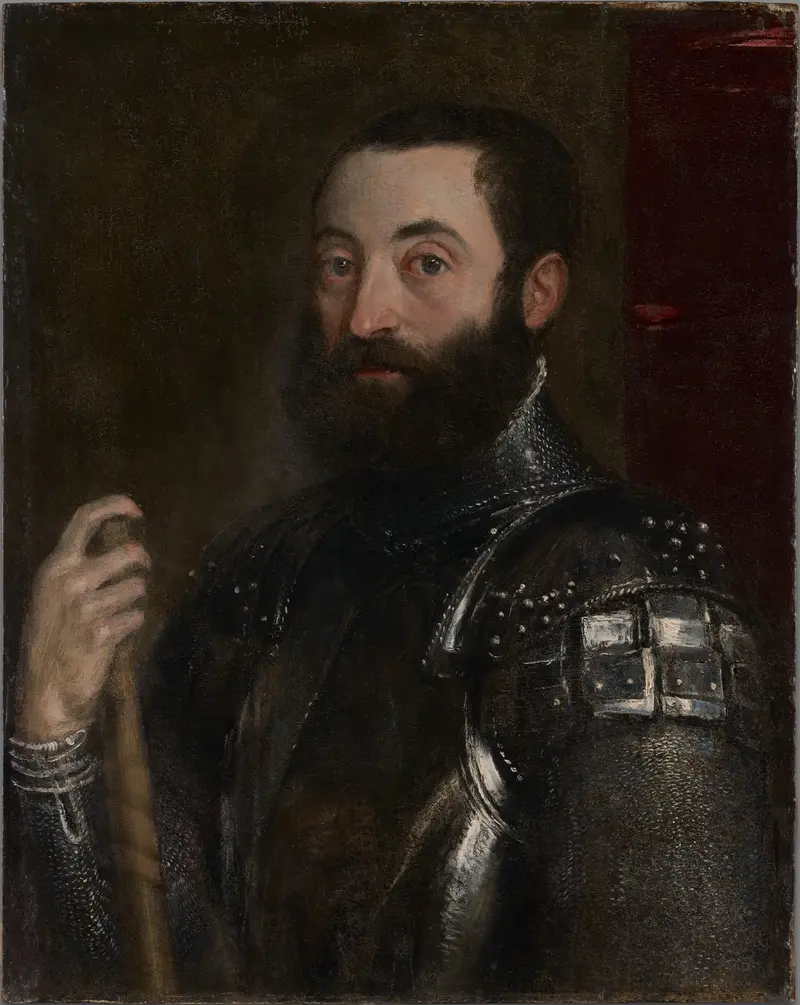
Portrait of Guidobaldo II della Rovere, Duke of Urbino
Titian
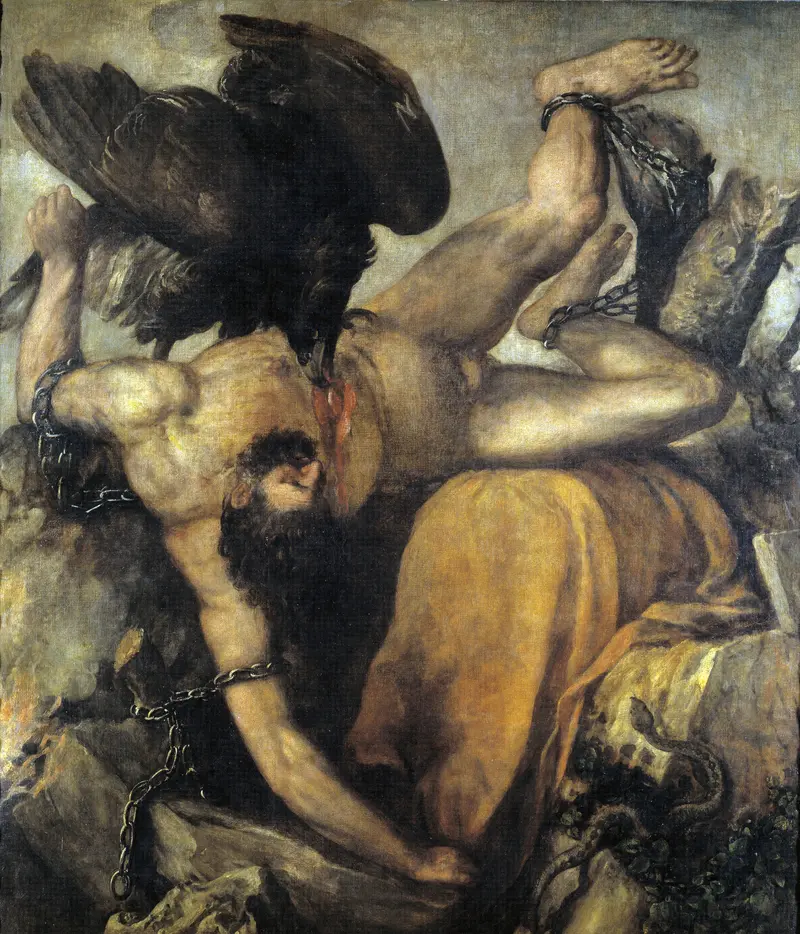
Tityus
Titian
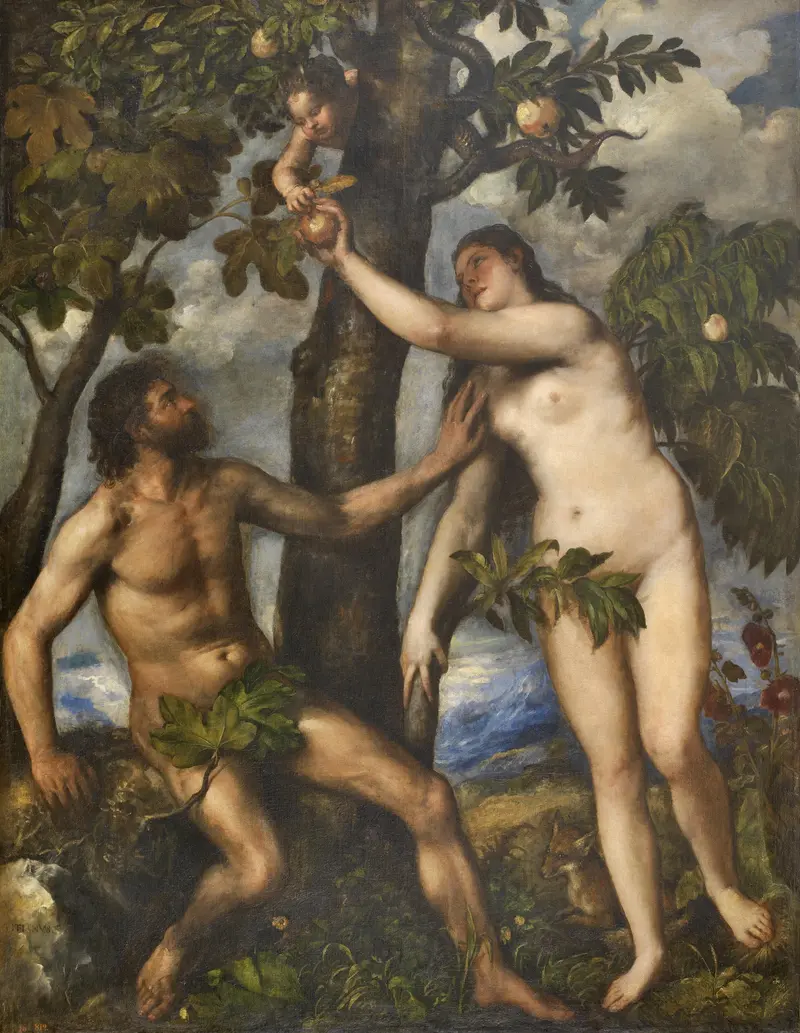
The Fall of Man
Titian
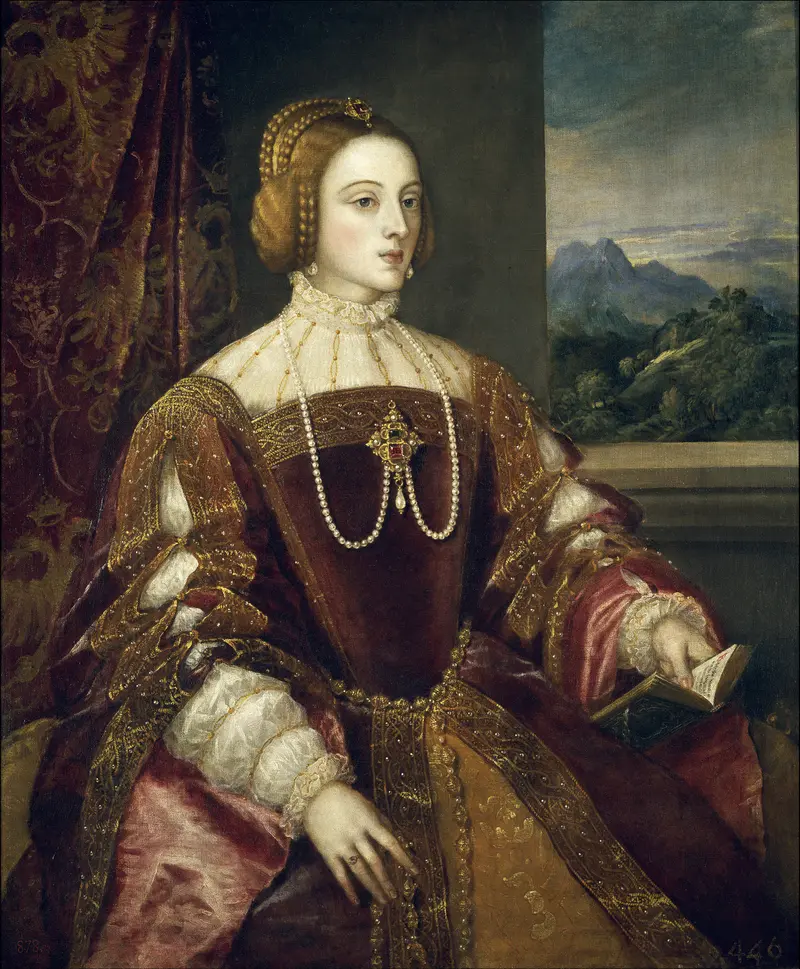
Portrait of Isabella of Portugal
Titian
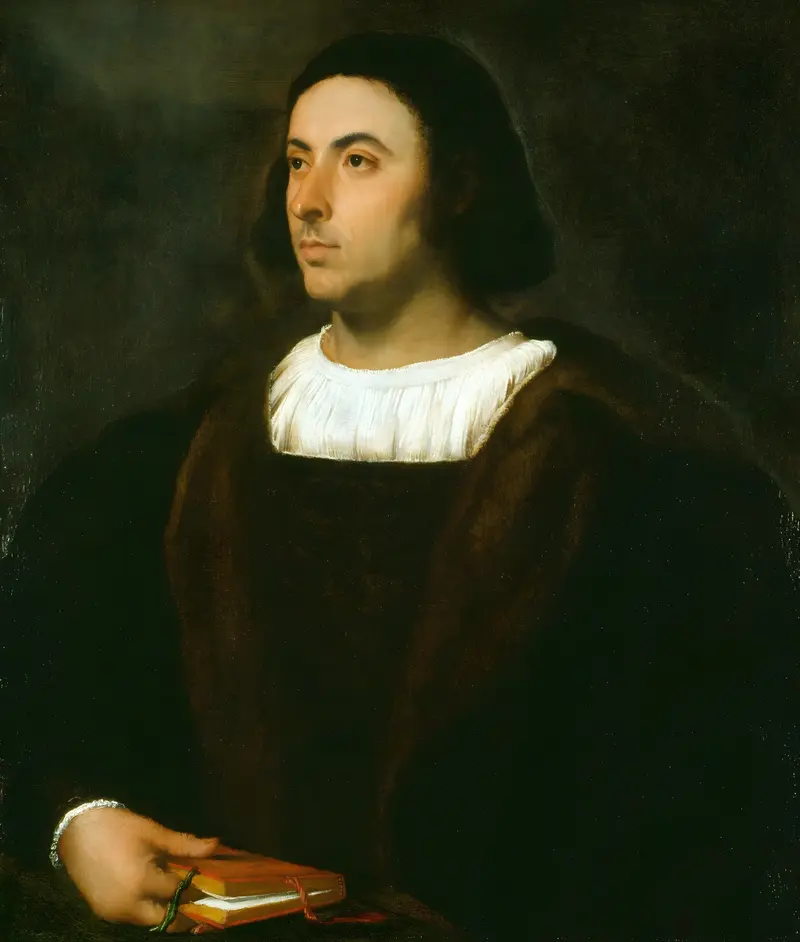
Portrait of Jacopo Sannazaro
Titian
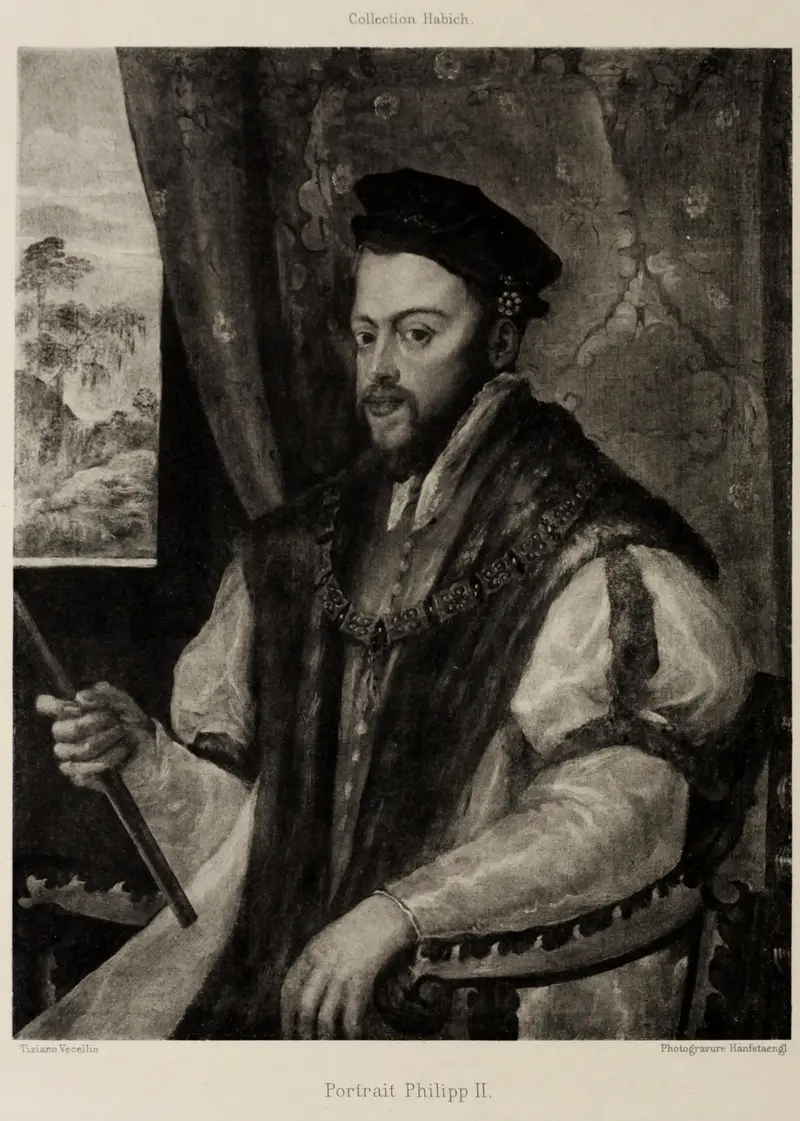
Portrait of King Philip II of Spain
Titian
Portrait of Philip II of Spain
Titian
Flora
Titian