
Curaçao. Grot van Hato — History & Facts
In the stillness of Curaçao. Grot van Hato, serenity whispers across the canvas, inviting viewers to pause and reflect. This work encapsulates not only a moment in time but a profound sense of peace that transcends the ordinary. Look to the left at the gentle archway of the cave, where the interplay of light and shadow dances, beckoning you deeper into the scene.
Notice how the soft hues of blue and green merge seamlessly, capturing the essence of tranquil waters and lush foliage. The meticulous brushwork invites tactile exploration; every stroke feels deliberate, revealing a harmony between nature and the viewer's gaze. Within this serene portrayal lies a deeper narrative. The cave can symbolize both refuge and solitude, a sanctuary from the chaos of life outside.
The still water reflects not just the cave’s ceiling, but also the introspective nature of the human experience—an invitation to confront one’s own depths. The vibrant greens juxtaposed against the cool blues highlight the balance between life and tranquility, urging us to find peace even in hidden corners of existence. Painted between 1860 and 1862, this work emerged during a transformative time for its creator. Gerard Voorduin, working in the vibrant artistic climate of the Netherlands, sought to capture the beauty of the Caribbean, particularly the serene landscapes of Curaçao.
As European art embraced realism and nature, Voorduin’s explorations became part of a broader dialogue about the representation of exotic locales, allowing him to bridge cultures through his serene, contemplative approach.
More Artworks by Gerard Voorduin
Browse all →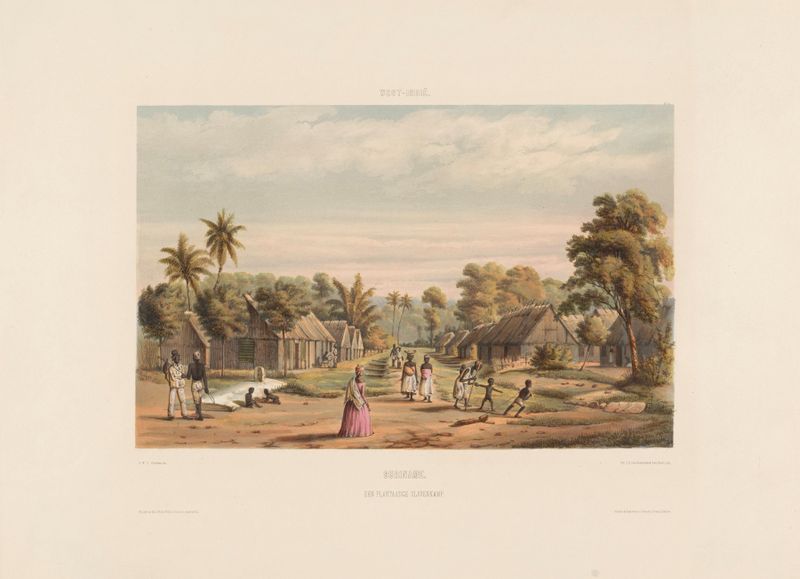
Suriname. Een plantaadge slavenkamp
Gerard Voorduin
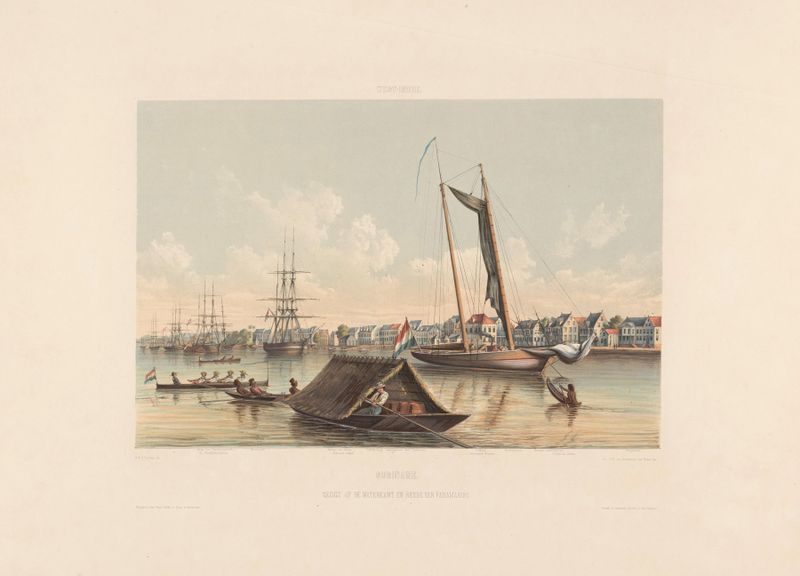
Suriname. Gezigt op de Waterkant en reede van Paramaribo
Gerard Voorduin
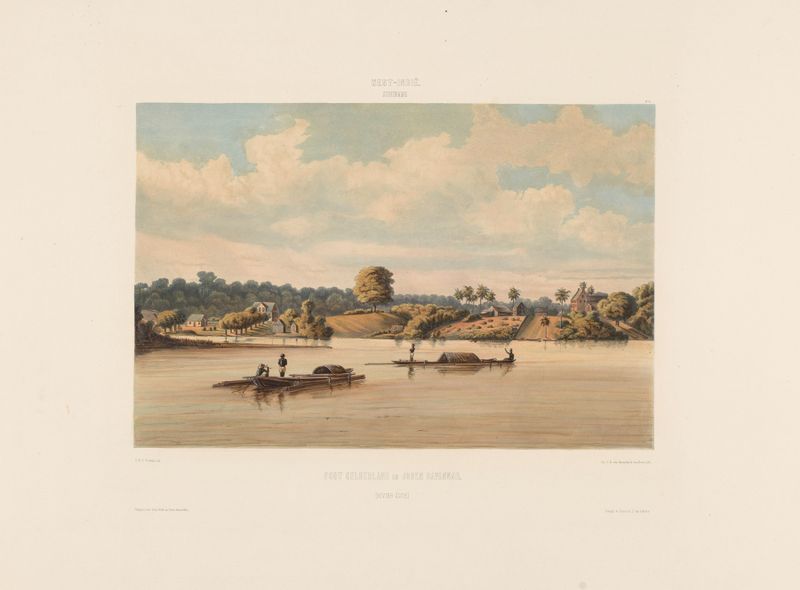
Post Gelderland en Joden Savannah (rivier zijde)
Gerard Voorduin
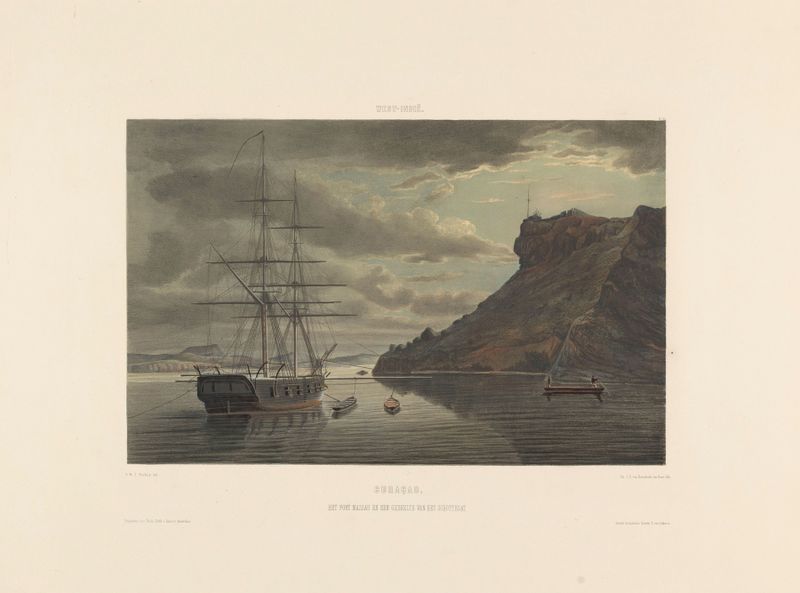
Curaçao. Het Fort Nassau en een gedeelte van het Schottegat
Gerard Voorduin
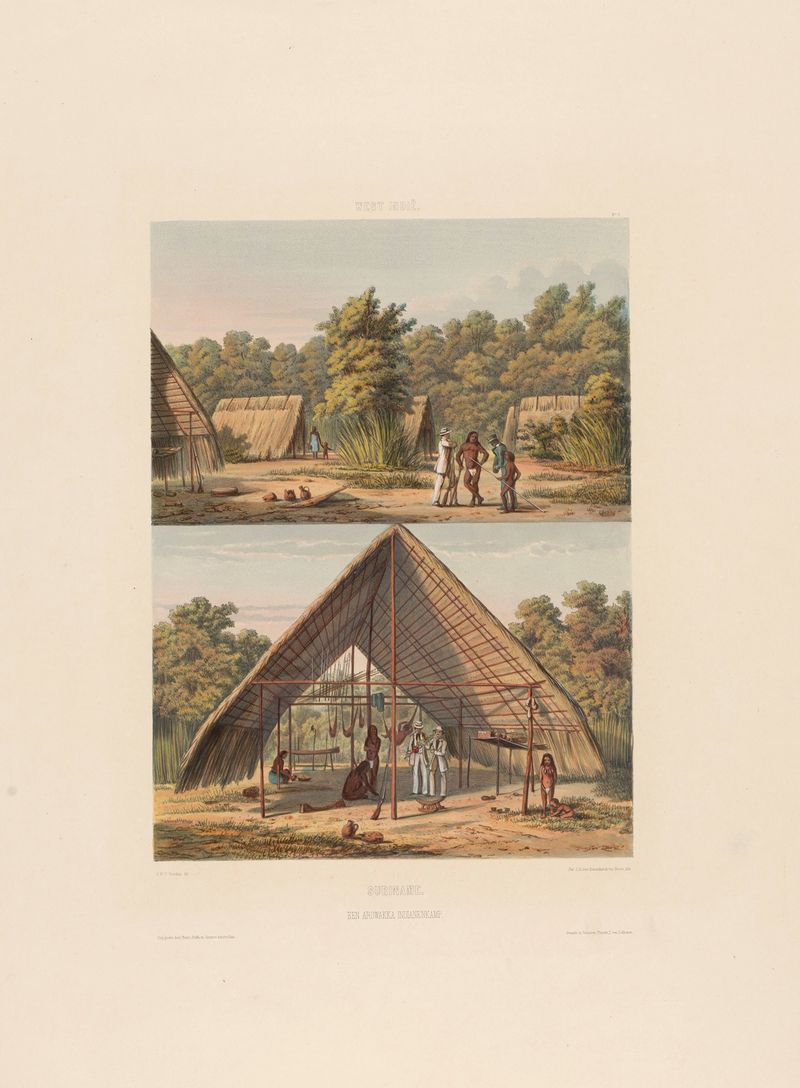
Suriname. Een Arowakka indianenkamp
Gerard Voorduin
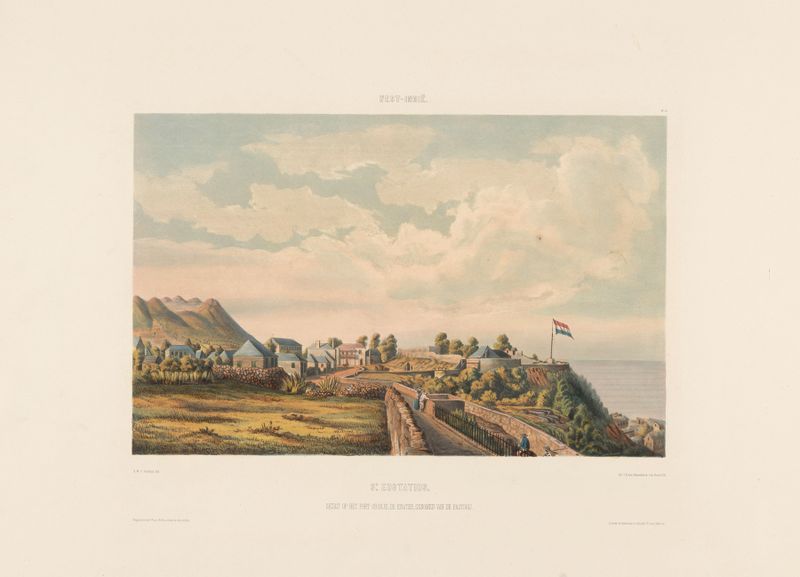
St. Eustatius. Gezigt op het Fort Oranje, de krater, genomen van de pastorij
Gerard Voorduin

Suriname. Gezigt op het Fort Zelandia te Paramaribo
Gerard Voorduin
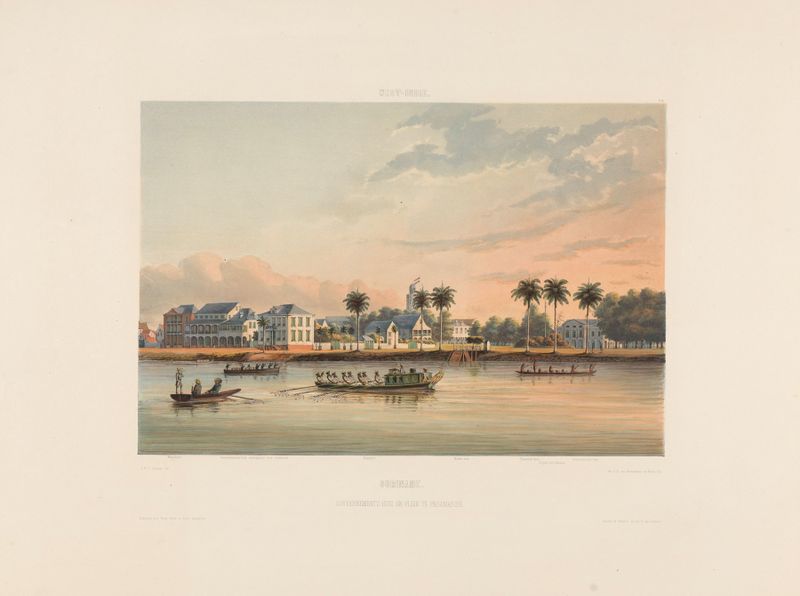
Suriname. Gouvernements-huis en plein te Paramaribo
Gerard Voorduin
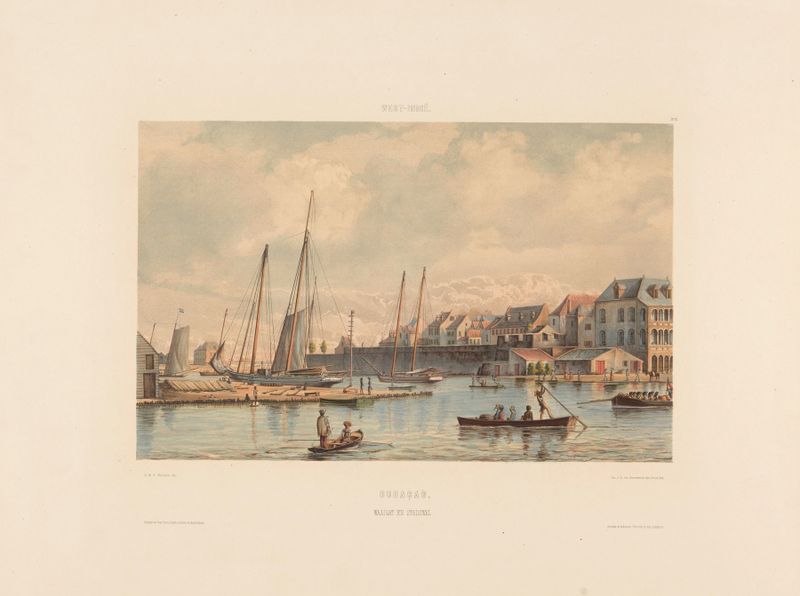
Curaçao. Waaigat en stadswal
Gerard Voorduin
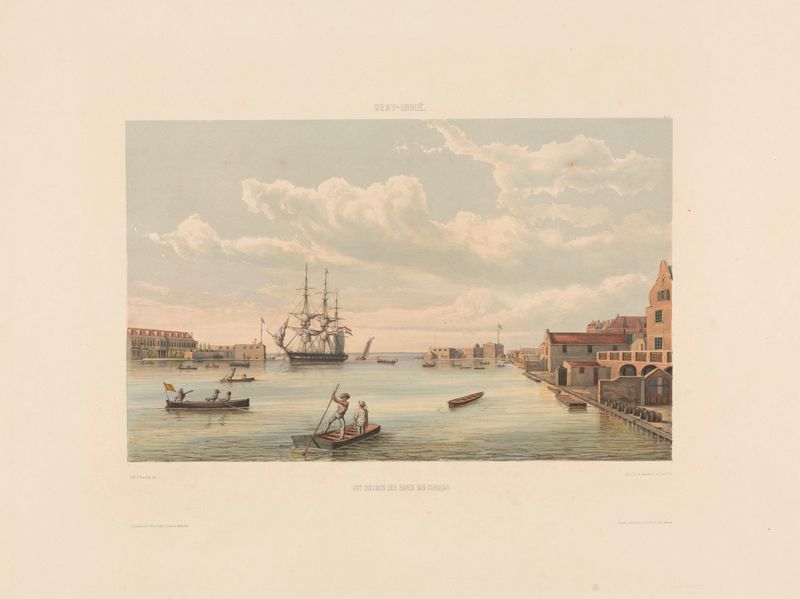
Het inkomen der haven van Curaçao
Gerard Voorduin





