
Cuyp’s Principle — History & Facts
When did color learn to lie? The hues that dance across the canvas whisper of fragility, suggesting a beauty that teeters on the brink of illusion. Focus on the delicate brushwork that brings the landscape to life, guiding your gaze across the vivid greens and soft blues that blend seamlessly into one another. Notice how the light gently caresses the scene, illuminating hidden details that evoke a sense of warmth and nostalgia. The composition draws you in, inviting you to explore the interplay of shadow and light, where every stroke seems intentional, yet effortlessly spontaneous. Beneath the surface, a tension brews—a contrast between the vibrant colors and the sense of transience they embody.
Each element, from the swirling clouds to the gentle ripples in the water, conveys a delicate balance between permanence and decay. This fragility mirrors the fleeting nature of beauty itself, prompting the viewer to reflect on the impermanence of moments captured in time. Created in 1838, this piece emerges from the life of an artist who was navigating the complexities of Romanticism while striving for authenticity in his work. Frank Howard, influenced by contemporary movements, sought to capture not just the visual but the emotional rhythm of nature.
In this period, as the world was shifting through industrial changes, his landscape serves as a poignant reminder of nature’s ephemeral grace amidst a backdrop of transformation.
More Artworks by Frank Howard
Browse all →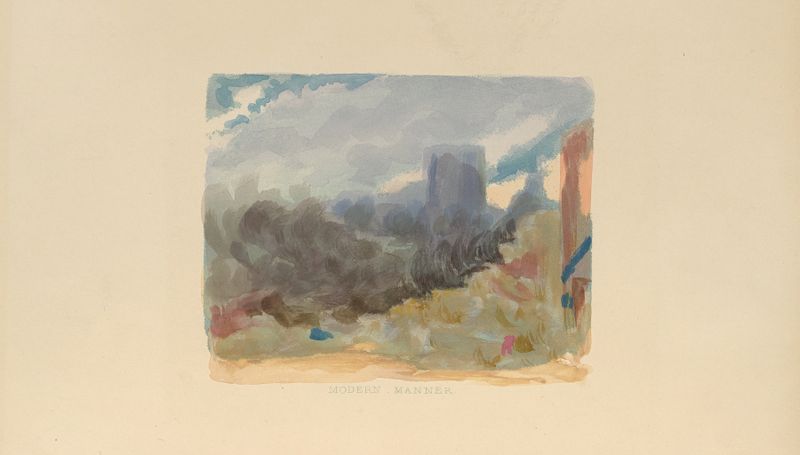
Modern Manner
Frank Howard
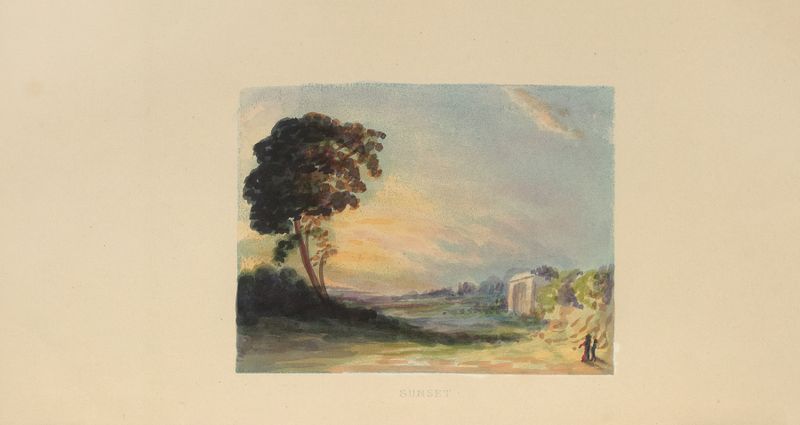
Sunset
Frank Howard
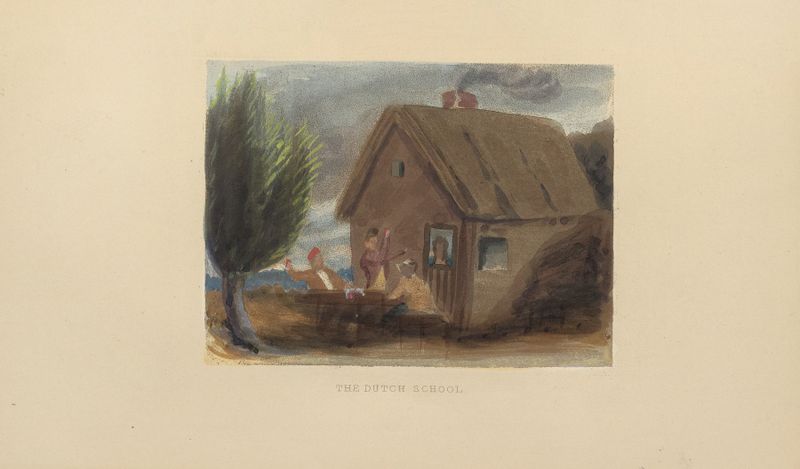
The Dutch School
Frank Howard
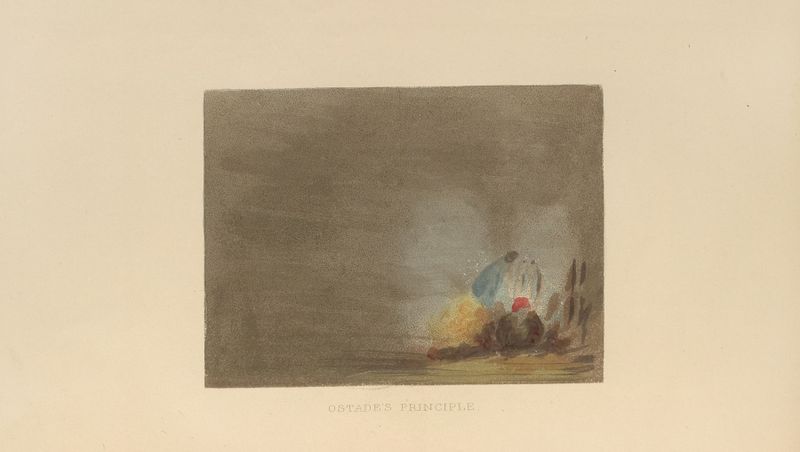
Ostade’s Principle
Frank Howard
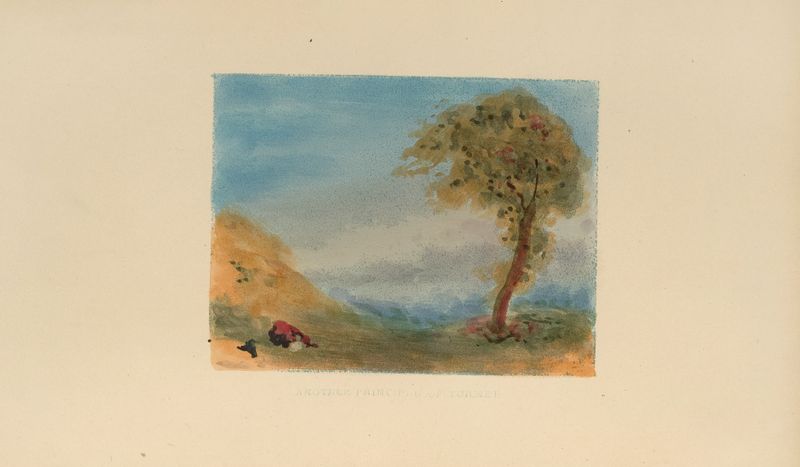
Another Principle of Turner
Frank Howard
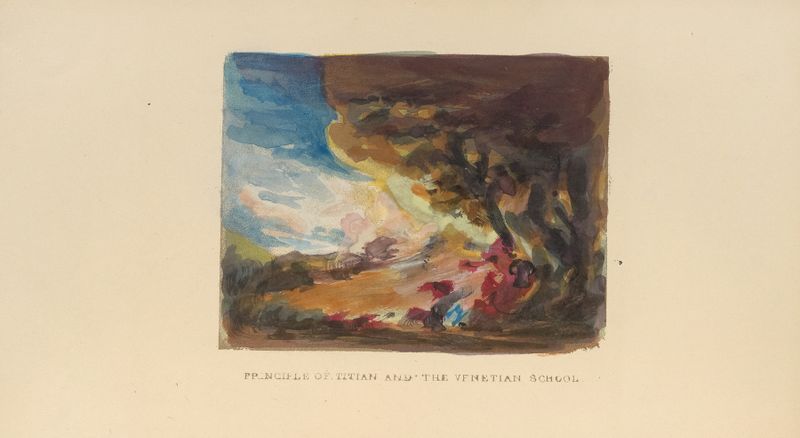
Principle of Titian and the Venetian School
Frank Howard
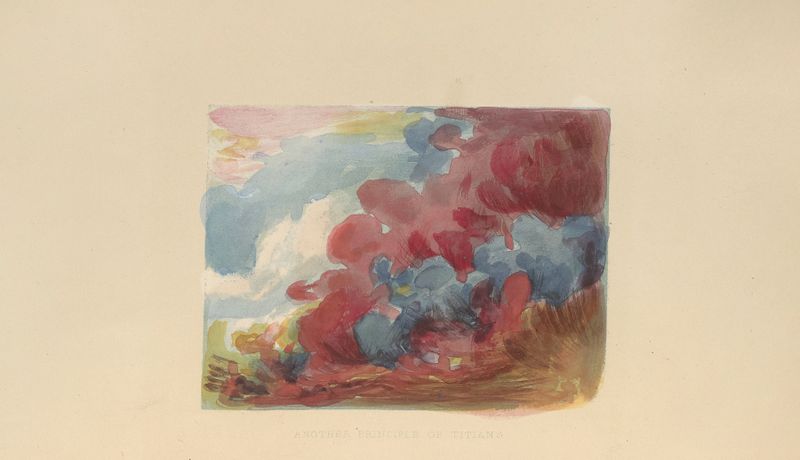
Another Principle of Titian
Frank Howard
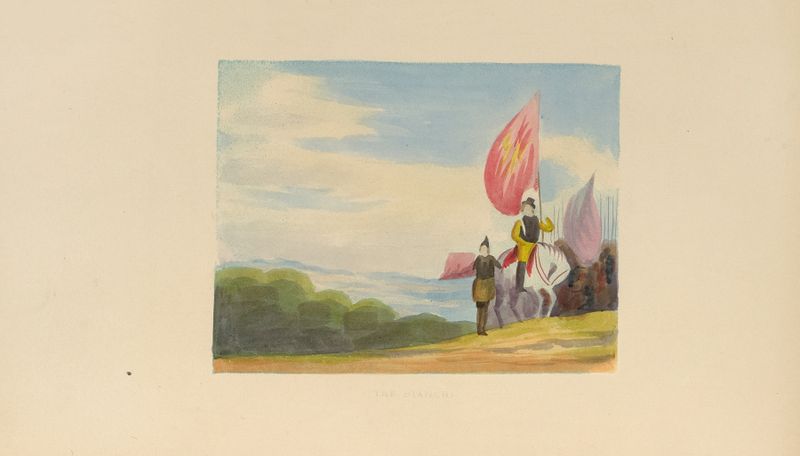
The Bianchi
Frank Howard
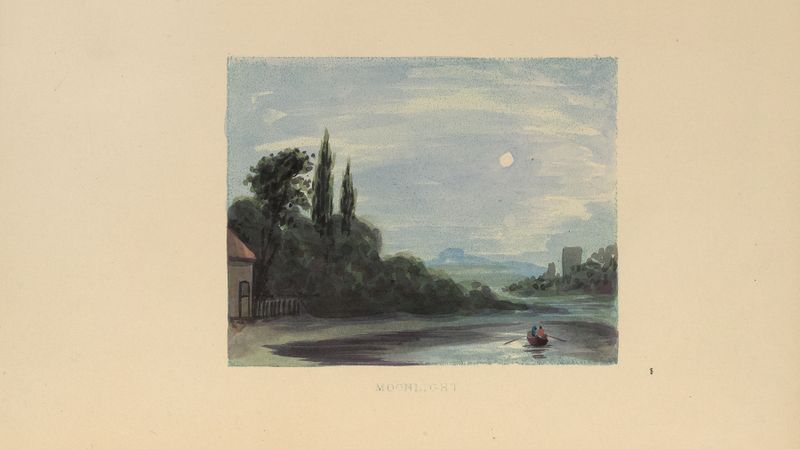
Moonlight
Frank Howard
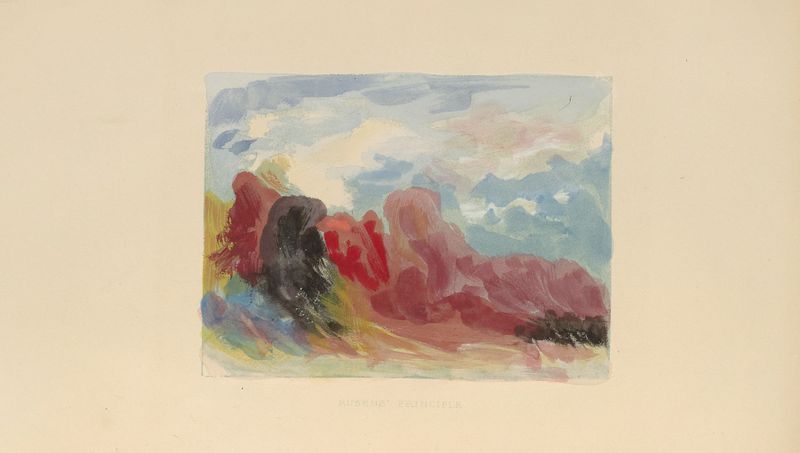
Ruben’s Principle
Frank Howard





