
Cypress Bower — History & Facts
Could beauty survive in a century of chaos? In Cypress Bower, the world whispers an answer through its serene yet obsessive embrace of nature, inviting viewers to step into a sanctuary of calm amid the turmoil of the early 20th century. Look to the center of the canvas, where towering cypress trees rise like guardians, their gnarled roots intertwining in a delicate dance with the earth. The soft, muted greens and browns create a soothing palette, punctuated by the light filtering through the foliage, casting dappled shadows that play across the ground. Haskell’s brushwork conveys a sense of texture and depth, drawing the eye through the layers of leaves and inviting one to examine the intricate details of nature’s design. Beneath the tranquil facade, an emotional tension simmers.
The cypress, often a symbol of resilience, stands firm against the chaos surrounding it, while the intertwining roots can represent the interconnectedness of life and the obsessive nature of humanity’s relationship with the environment. The juxtaposition of the towering trees against the softness of the surrounding foliage suggests a longing for refuge, a desire to escape the noise of the world outside—capturing the essence of a moment suspended in time. Ernest Haskell painted Cypress Bower in 1920, during a period marked by both artistic experimentation and profound societal shifts post-World War I. Living in the United States, Haskell was part of the burgeoning American art scene, exploring themes of nature and emotion during a time when many artists sought solace or meaning amid the tumultuous changes of the 20th century.
More Artworks by Ernest Haskell
Browse all →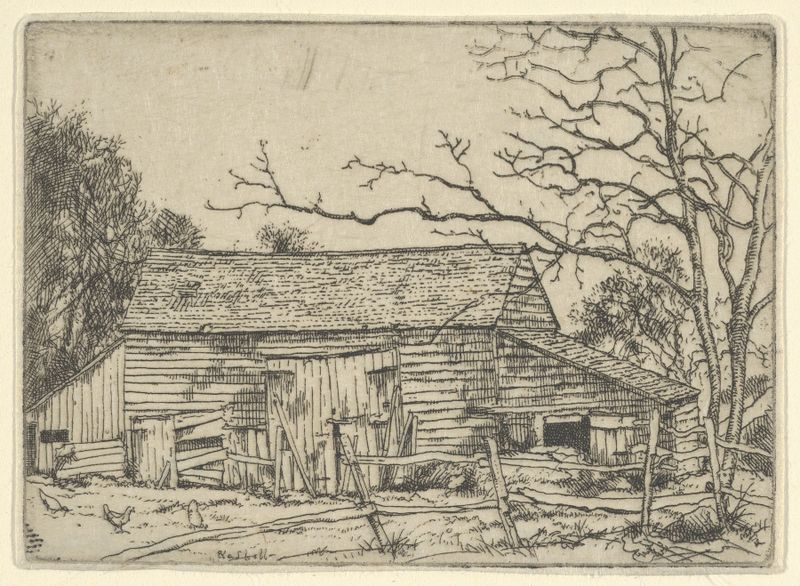
The Barn–Staten Island, N.Y.
Ernest Haskell

Four Live Oaks
Ernest Haskell
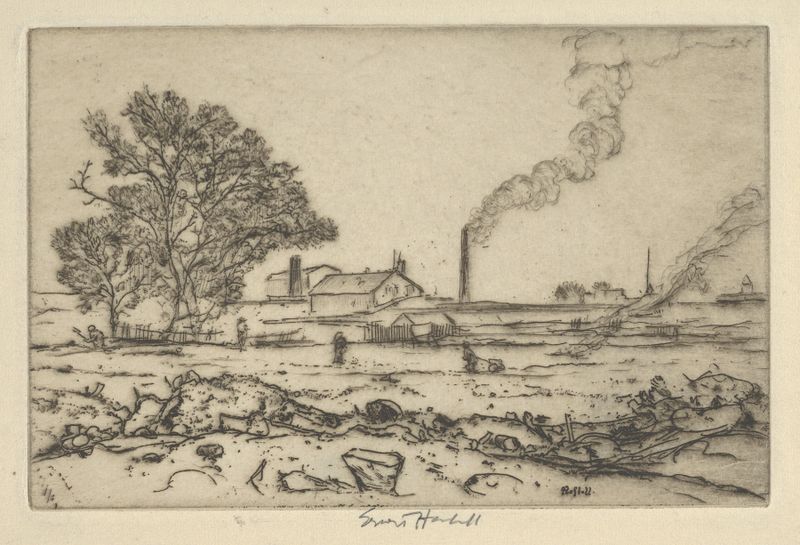
Outskirts of Boston
Ernest Haskell
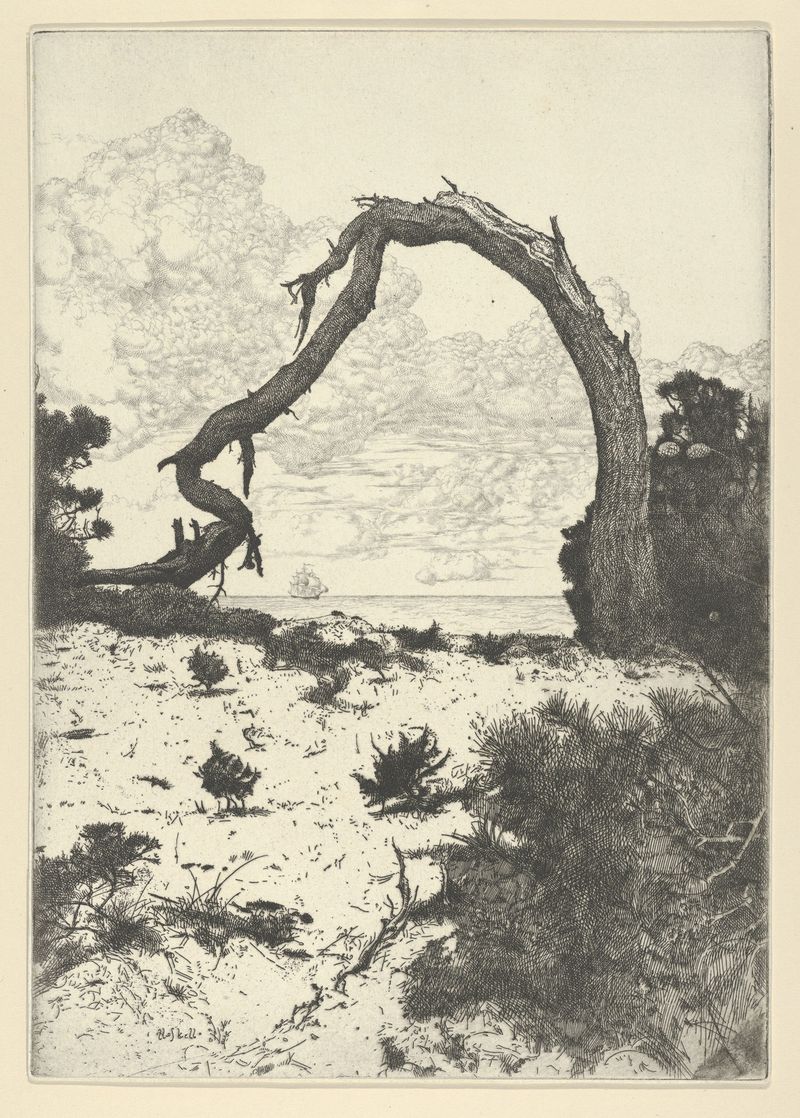
Pine Arch
Ernest Haskell

General Sherman
Ernest Haskell
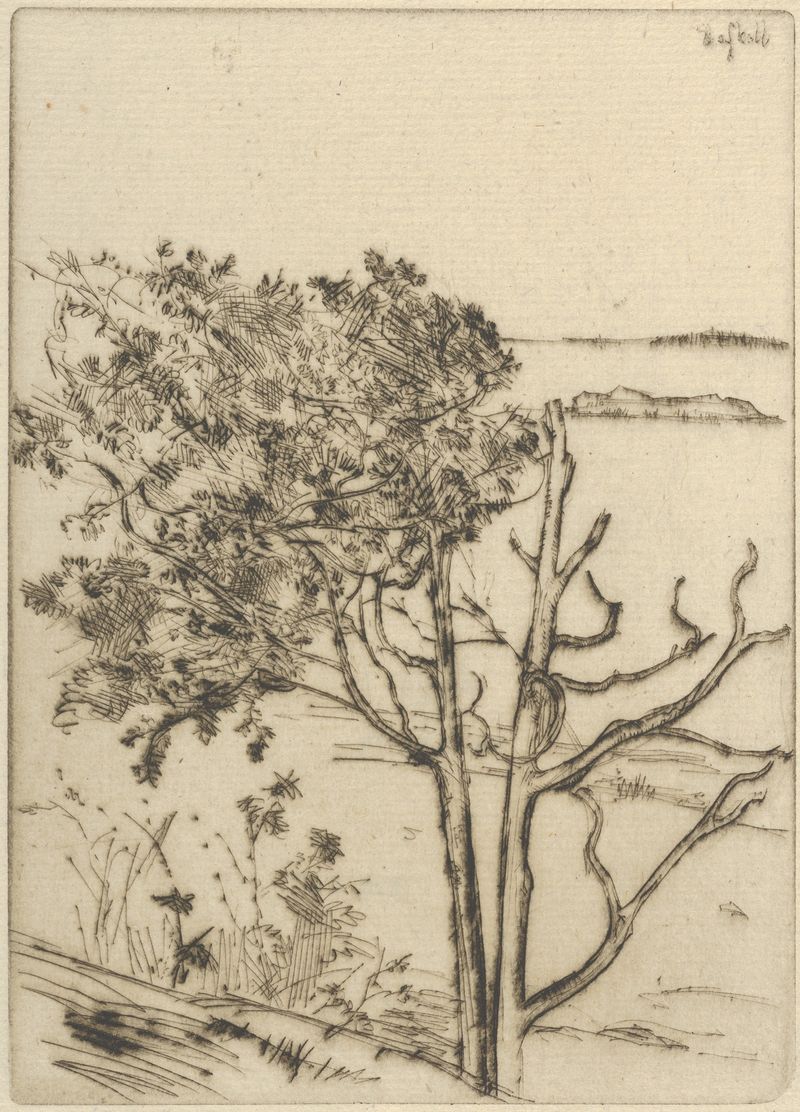
Ragged Tree – Maine
Ernest Haskell

Tide Mill
Ernest Haskell

Ship Building
Ernest Haskell
To the Southward – Ragged Island, Me.
Ernest Haskell
Long Island Marshes
Ernest Haskell





