
Cypress Study No. 2 — History & Facts
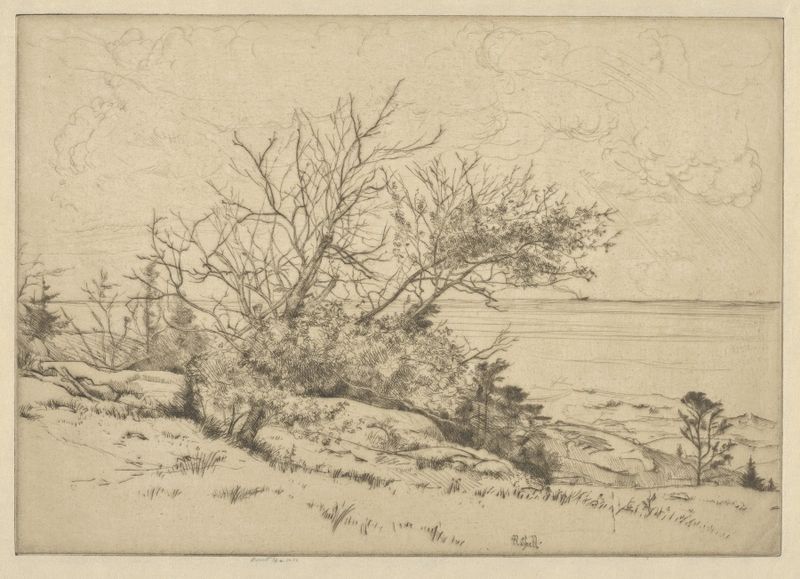
The notion of innocence wrapped in fragile beauty resonates through the delicate lines and soft hues of this artwork, inviting reflection on the layers that lie beneath the surface. Focus on the vibrant greens and earthy tones that dance within the foliage, guiding your eyes upward to the slender cypress trees that stretch towards the sky. Notice how the light filters through the branches, creating a dappled effect on the forest floor, as if nature itself is breathing. Each brushstroke captures the essence of life, yet there is a quiet tenderness that hints at the fleeting nature of this beauty. The interplay of light and shadow evokes a sense of nostalgia, suggesting that innocence may not be an eternal state but rather a moment suspended in time.
Delve into the contrasts present in the composition: the strength of the cypress against the fragility of the surrounding flora. This duality invites viewers to ponder the transient nature of innocence, a theme that resonates deeply amid the vibrant setting. Created in 1915, this work emerged during a time when Ernest Haskell was deeply engaged with the American landscape, influenced by the Impressionist movement. He painted this piece while living in New England, a period marked by personal exploration and a quest for artistic identity.
The world was on the cusp of change, and Haskell’s sensitivity to the beauty and precariousness of nature reflects the broader artistic shift toward a more expressive and personal interpretation of the environment.
More Artworks by Ernest Haskell
Browse all →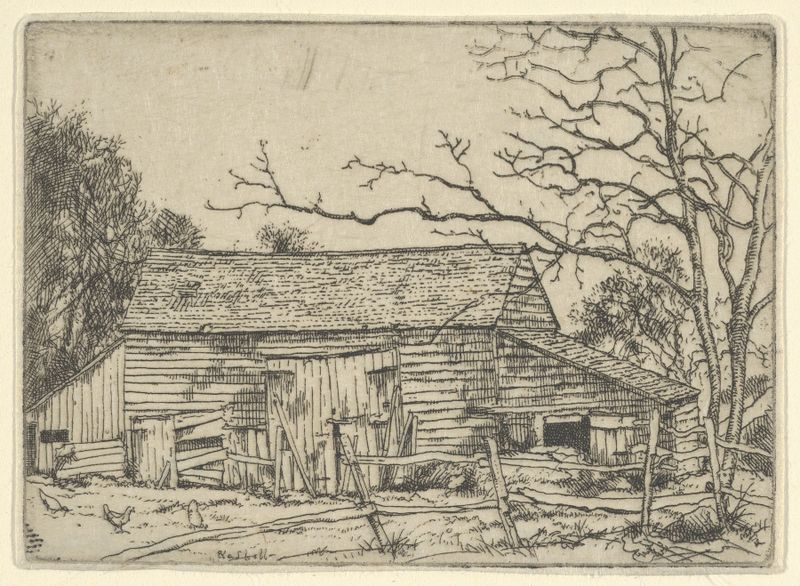
The Barn–Staten Island, N.Y.
Ernest Haskell

Four Live Oaks
Ernest Haskell
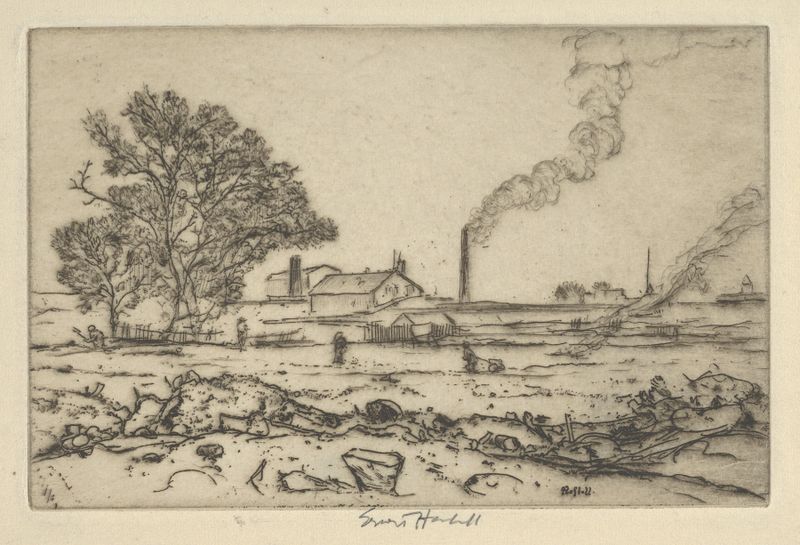
Outskirts of Boston
Ernest Haskell
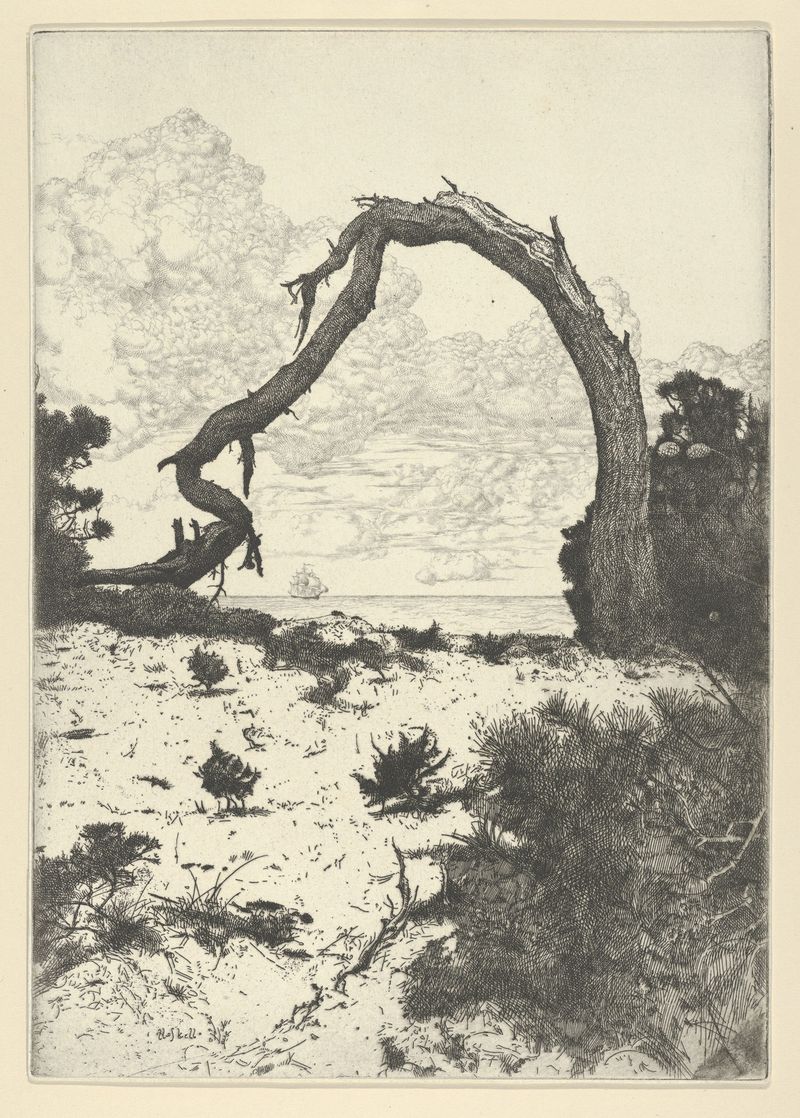
Pine Arch
Ernest Haskell

General Sherman
Ernest Haskell
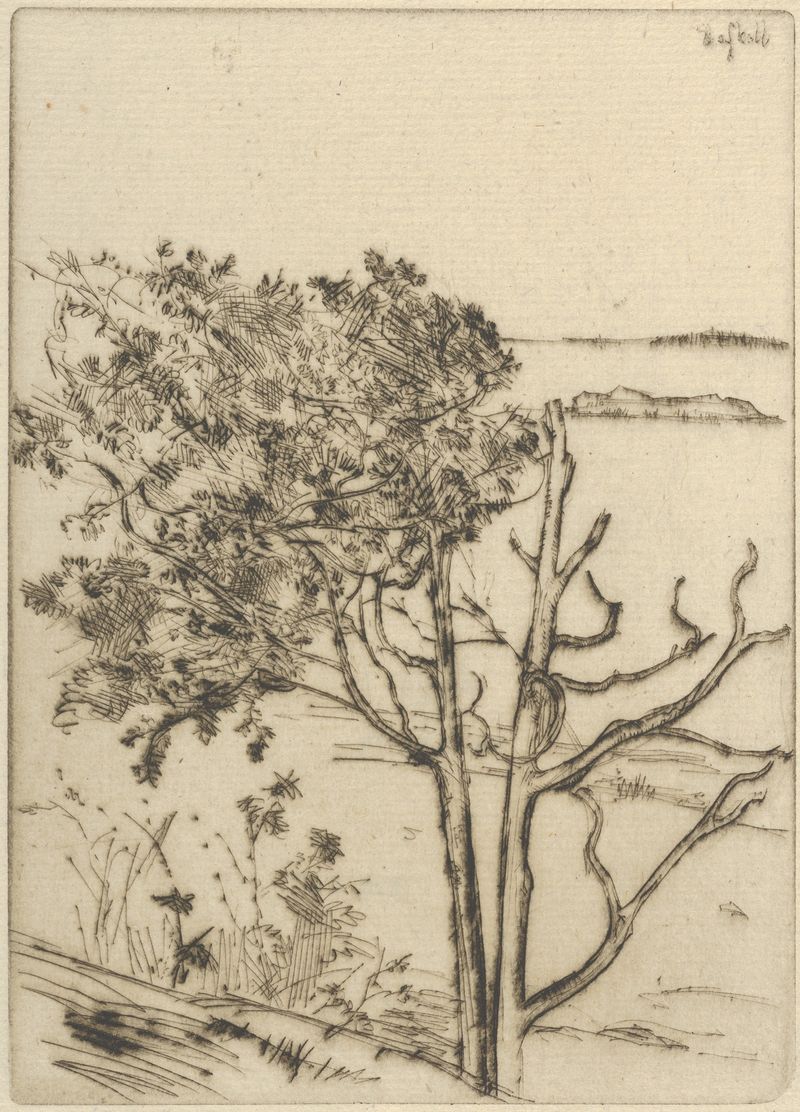
Ragged Tree – Maine
Ernest Haskell

Tide Mill
Ernest Haskell

Ship Building
Ernest Haskell
To the Southward – Ragged Island, Me.
Ernest Haskell
Long Island Marshes
Ernest Haskell





