
Cypress Wall — History & Facts
When did color learn to lie? In Cypress Wall, a powerful tension between vibrancy and decay unfolds, inviting viewers to question the very nature of perception. Look to the left at the rich, verdant greens that seem to pulse with life, contrasting sharply against the weathered, crumbling surface of the wall. The brushstrokes, thick and deliberate, evoke a sense of texture that draws you closer, while patches of muted browns and grays suggest the wear of time and neglect. Notice how the light dances through the foliage above, casting delicate shadows that play on the wall, creating an interplay between the organic and the man-made that is both haunting and beautiful. In this seemingly simple composition lies a profound commentary on mortality and the passage of time.
The vibrant foliage embodies life’s ephemeral beauty, while the decaying wall serves as a reminder of inevitable decline. This juxtaposition evokes an emotional resonance, capturing the bittersweet nature of existence, where beauty thrives even amidst desolation. The intricate details, from the fissures in the wall to the delicate outlines of leaves, invite contemplation on impermanence and the stories encased within decay. Ernest Haskell painted Cypress Wall in 1915 during a period of personal reflection and transformation in his artistic journey.
Living in a time of rapid change and the shadows of war, he explored themes of nature and decay. In a world increasingly dominated by industrialization, Haskell sought solace and depth in the beauty of the overlooked, making this piece a poignant exploration of life's contrasts amidst a shifting cultural landscape.
More Artworks by Ernest Haskell
Browse all →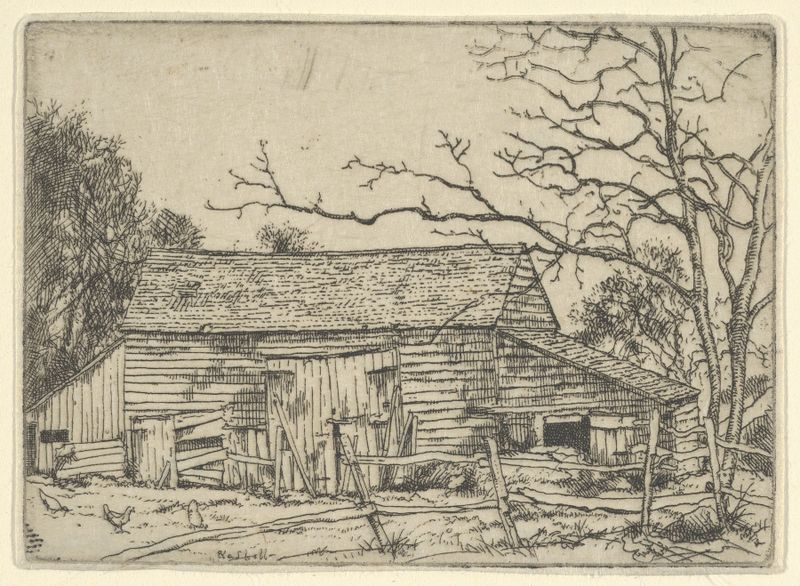
The Barn–Staten Island, N.Y.
Ernest Haskell

Four Live Oaks
Ernest Haskell
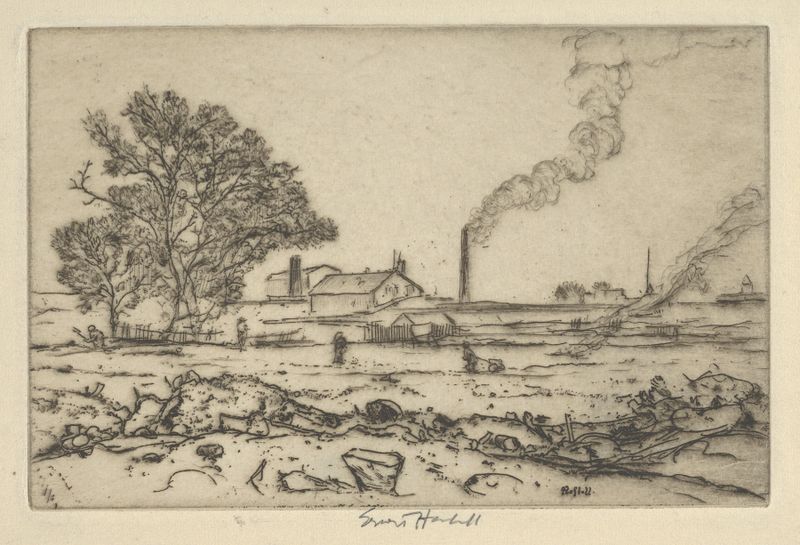
Outskirts of Boston
Ernest Haskell
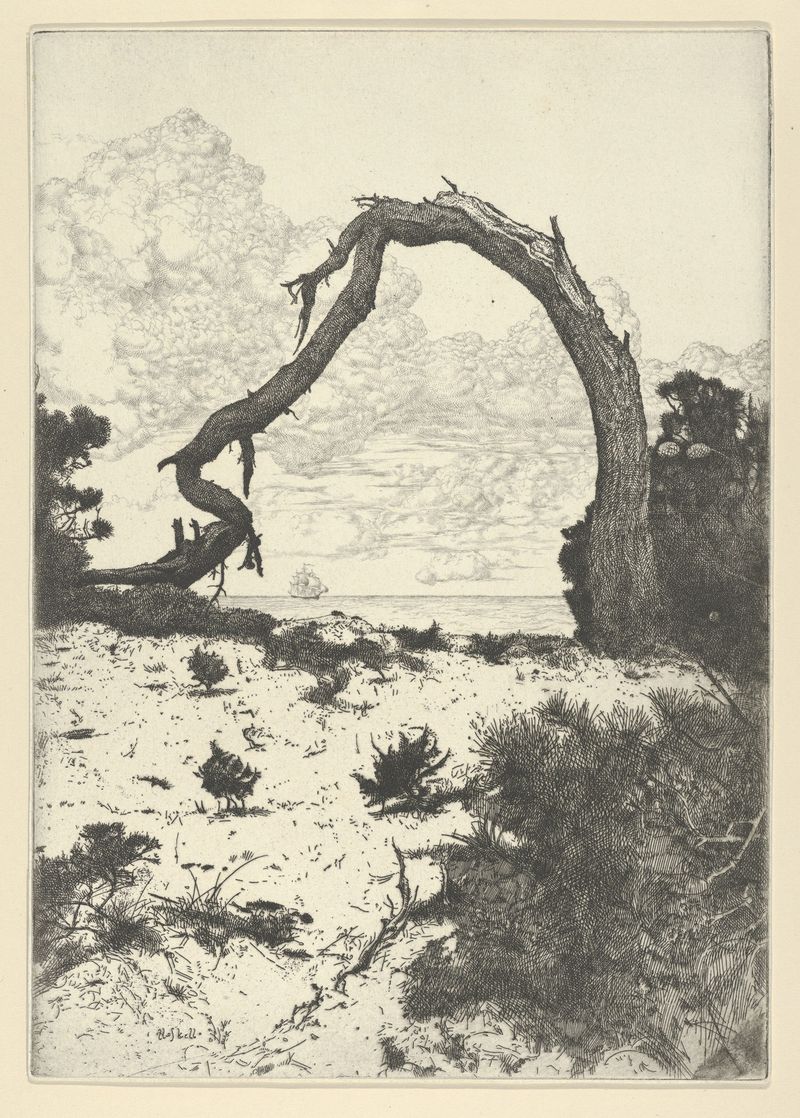
Pine Arch
Ernest Haskell

General Sherman
Ernest Haskell
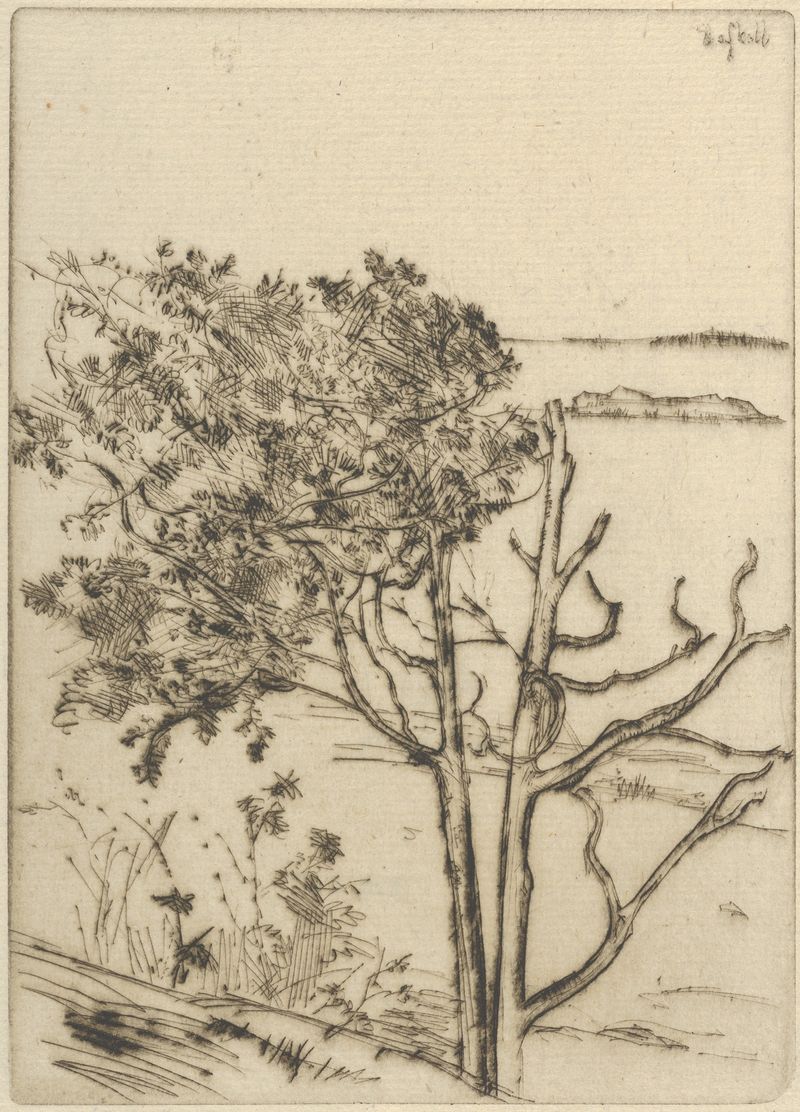
Ragged Tree – Maine
Ernest Haskell

Tide Mill
Ernest Haskell

Ship Building
Ernest Haskell
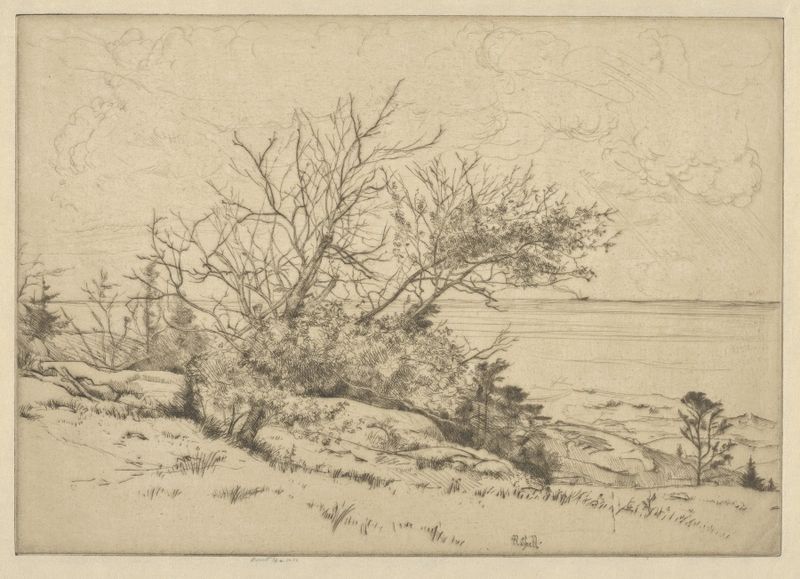
To the Southward – Ragged Island, Me.
Ernest Haskell
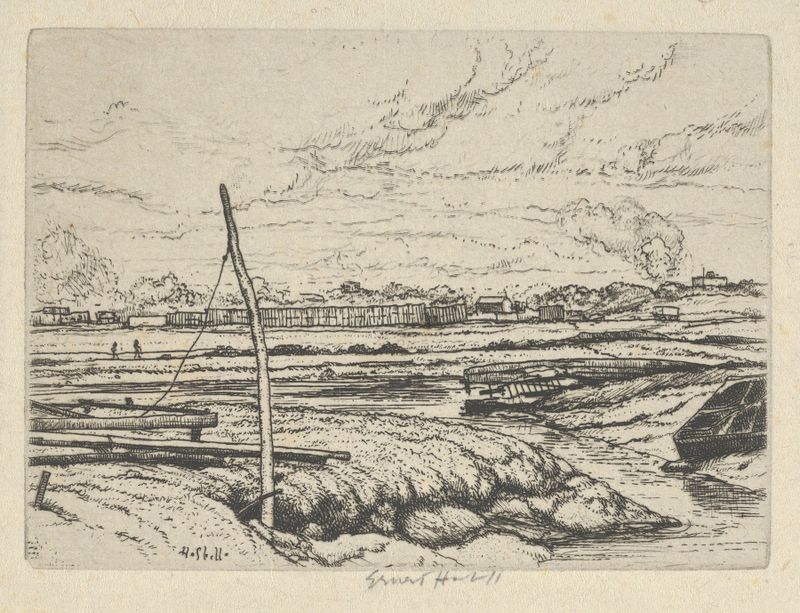
Long Island Marshes
Ernest Haskell





