
Dagnall Lane, St. Albans — History & Facts
In the stillness of Dagnall Lane, St. Albans, an air of fragility envelops the viewer, whispering stories of lives touched by time. Look to the left at the delicate interplay of light and shadow, where dappled sunlight filters through the trees, illuminating the path ahead. The artist’s meticulous brushwork creates a tapestry of greens and browns, beckoning you to explore the scene.
Notice how the winding lane draws the eye toward the horizon, evoking a sense of journey and contemplation. The soft transition between hues adds depth, while the subtle presence of figures in the background hints at lives intertwined with nature’s embrace. In this landscape, contrasts abound—the peace of the rural setting juxtaposed with the fleeting nature of the moment. The figures, seemingly at ease yet isolated, embody the fragility of human connection in the vastness of the world.
Each stroke reveals not just the beauty of the scenery but also an underlying tension between stillness and motion, solitude and companionship. William Henry Hunt painted this scene in 1820, during a period that marked the transition from Romanticism to the burgeoning Realist movement. Living in England at a time when art was beginning to reflect everyday life more authentically, Hunt sought to capture not just the physical beauty of his surroundings but also the emotional weight they carried. This work reflects both a personal exploration and the broader artistic currents of his time.
More Artworks by William Henry Hunt
Browse all →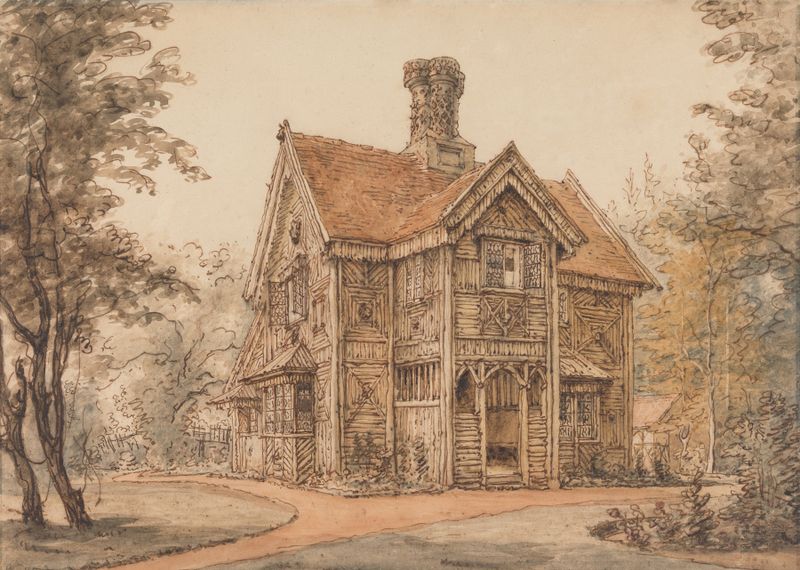
A Lodge at Cassiobury
William Henry Hunt
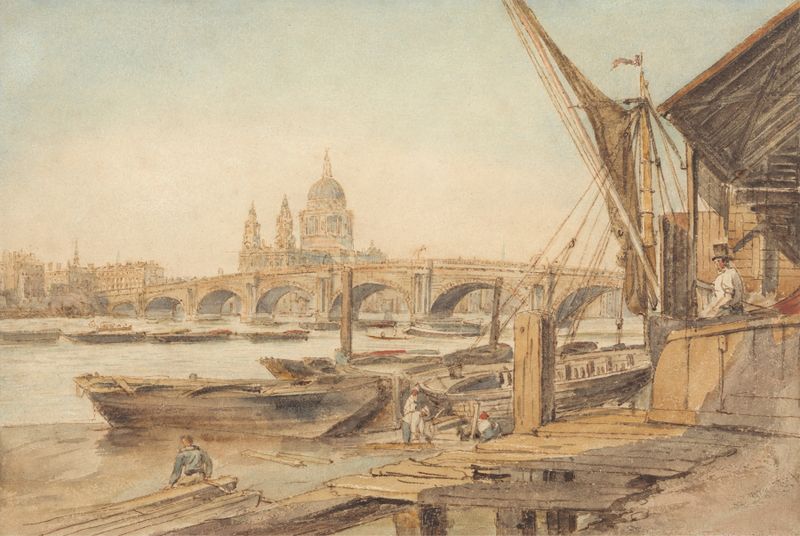
St. Paul’s Cathedral and Blackfriar’s Bridge
William Henry Hunt
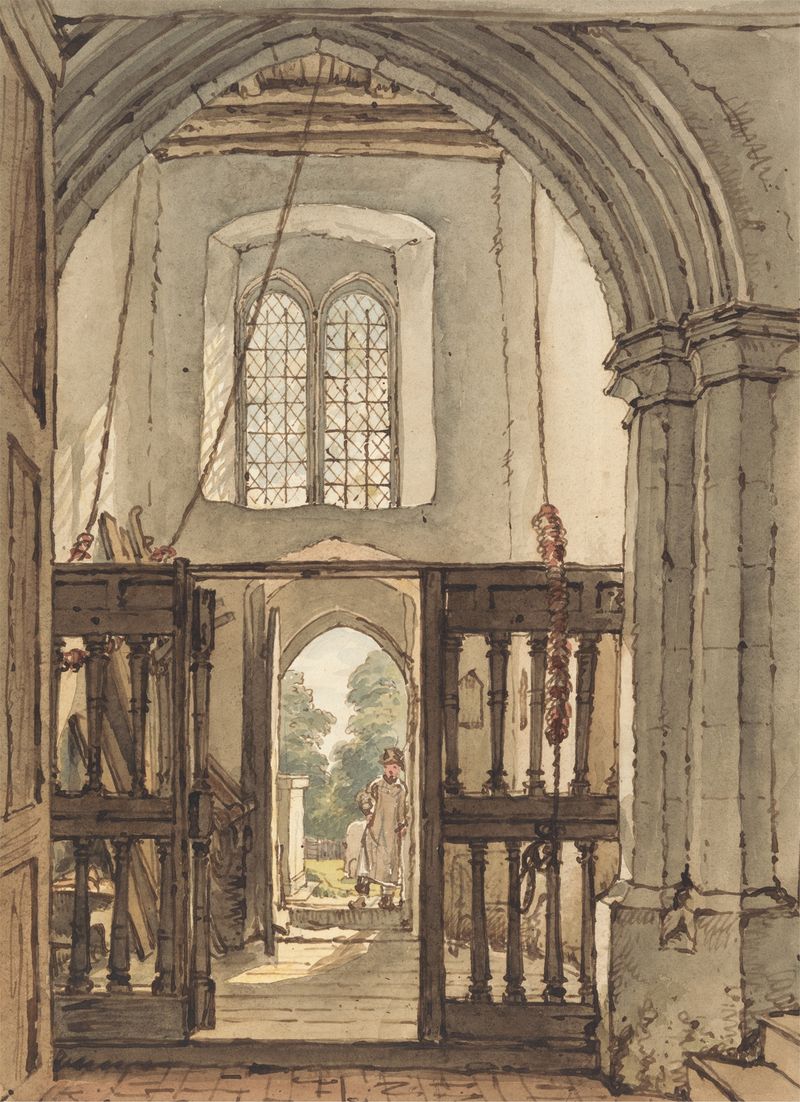
Interior of the Belfry, Bushey Church
William Henry Hunt
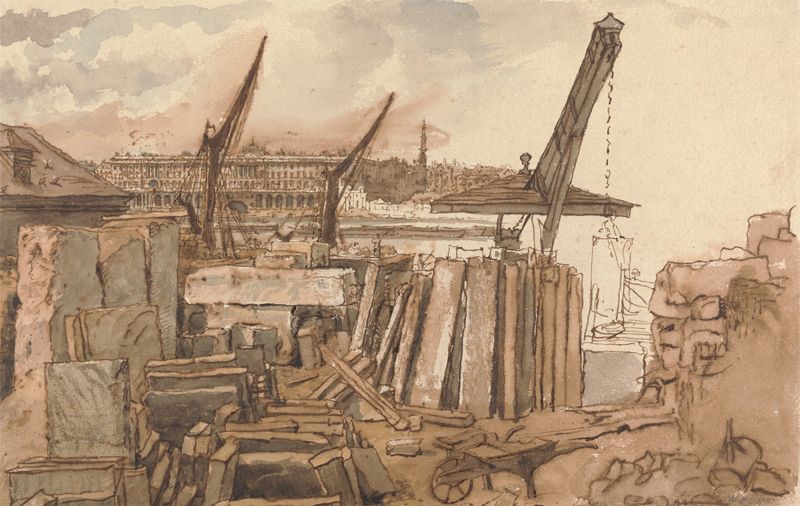
The Building of Waterloo Bridge
William Henry Hunt
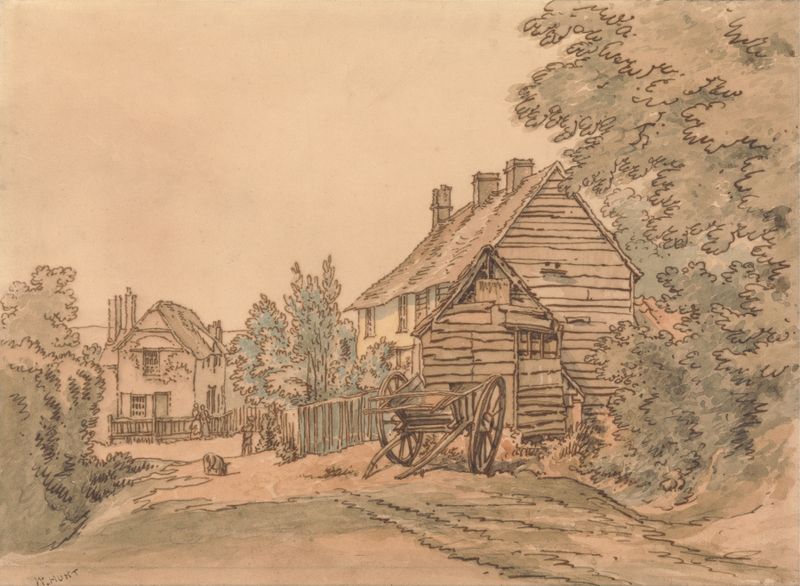
A Street in a Country Village
William Henry Hunt
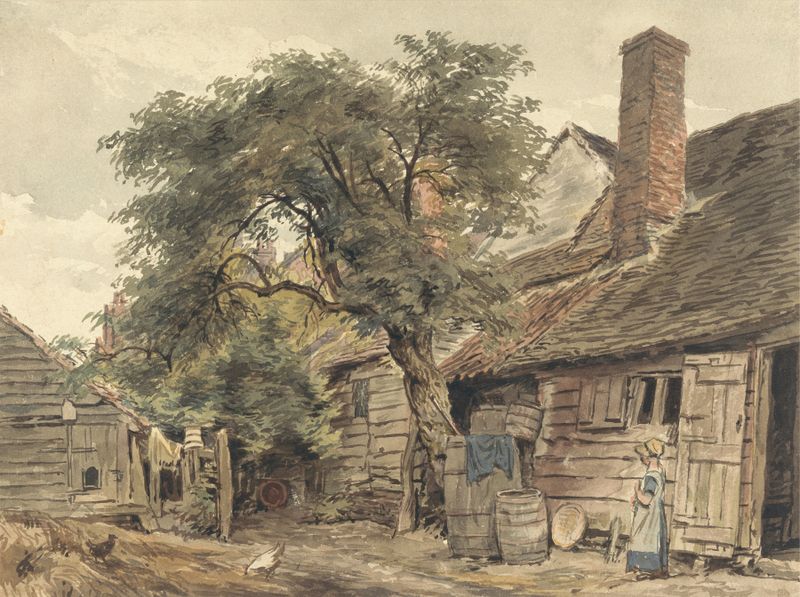
Backyard of a Cottage
William Henry Hunt
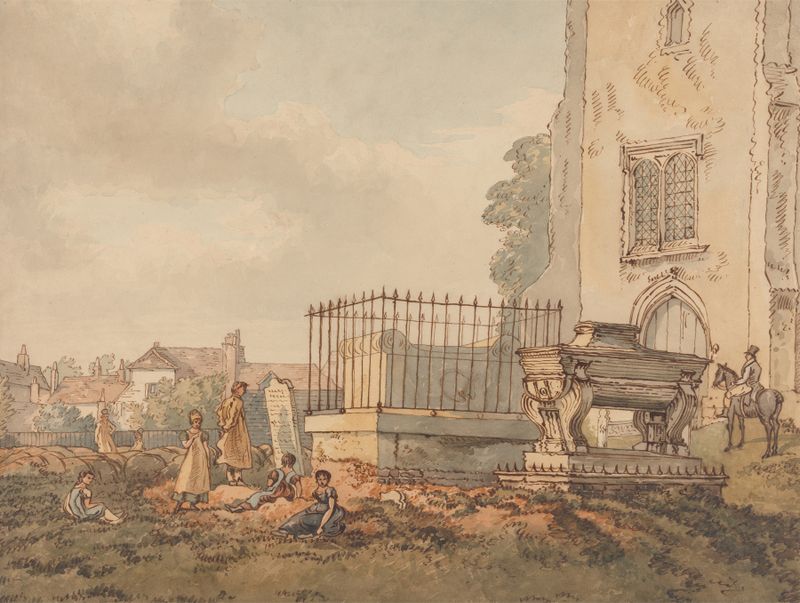
Bushey Churchyard with the Tombs of Edridge, Hearne and H. Monro
William Henry Hunt
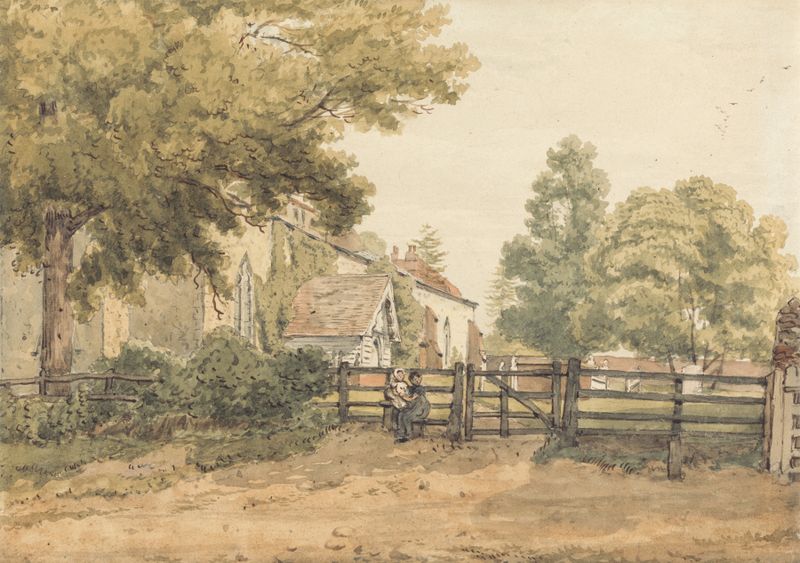
Aldenham Church
William Henry Hunt
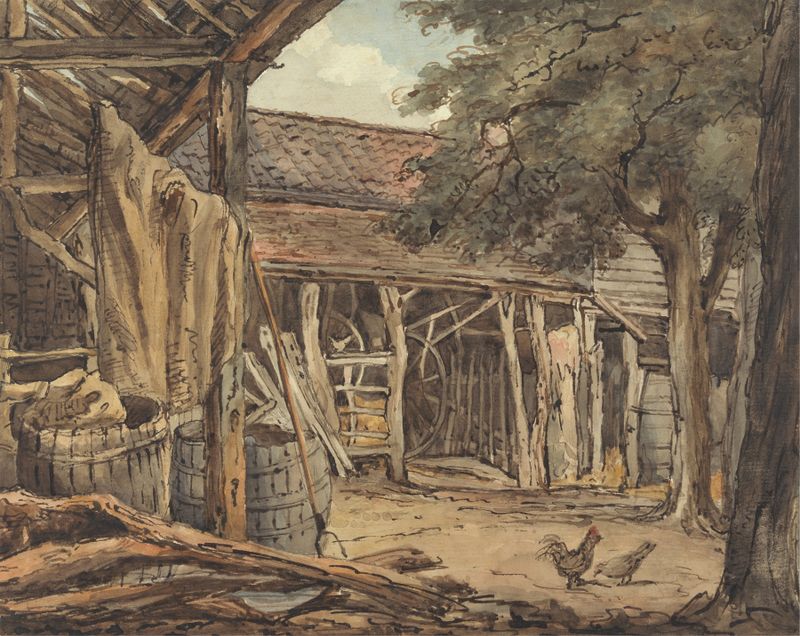
A Farmyard
William Henry Hunt
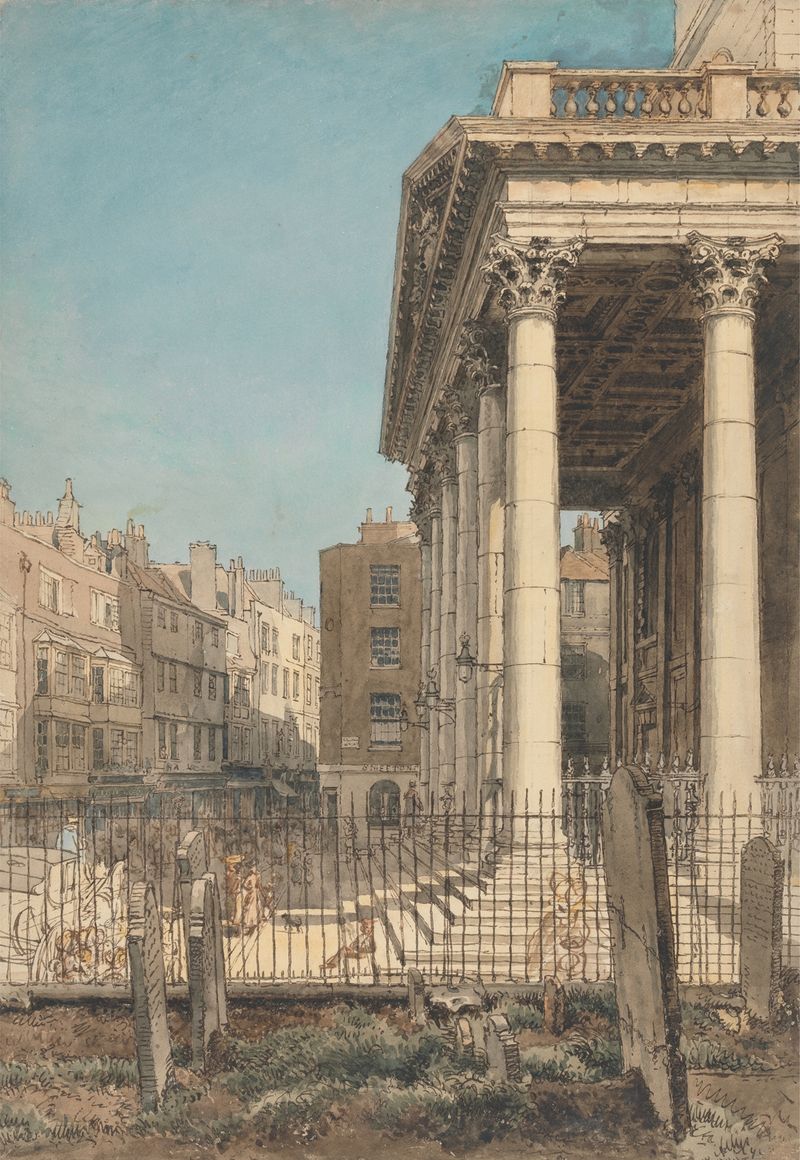
The Portico of St. Martin-in-the-Fields
William Henry Hunt





