
Daibutsu sanmon — History & Facts
Did the painter know this moment would outlive them? In a world where faith often feels fragile, some moments endure, captured in the quiet grace of brush and canvas. Look to the foreground, where the towering figure of the Daibutsu stands sentinel against a backdrop of soft mountains. The delicate interplay of blue and gray hues evokes a sense of tranquility, while the warm light hints at a divine presence bathing the statue in a golden glow. Notice how Hiroshi's meticulous attention to detail in the texture of the stone and the surrounding foliage draws you into this sacred space, inviting contemplation. Beneath the serene surface, this artwork speaks of contrasts: the permanence of the statue against the transience of the fleeting light, the weight of history amidst the calm of nature.
The careful arrangement of elements creates a dialogue between the eternal and the ephemeral, igniting a sense of reverence that transcends time. Each brushstroke embodies faith, whispering secrets of devotion and the human yearning for connection with the divine. In 1940, Yoshida Hiroshi painted this piece during a tumultuous period in Japan, marked by political unrest and the shadows of war. His work, a testament to the beauty found in tradition, emerged as part of the shin-hanga movement, which sought to fuse Western techniques with Japanese aesthetics.
This period of his life found him reflecting deeply on the intersection of culture, spirituality, and the challenges facing his nation.
More Artworks by Yoshida Hiroshi
Browse all →
Crytomeria Avenue (Sugi Namiki)
Yoshida Hiroshi
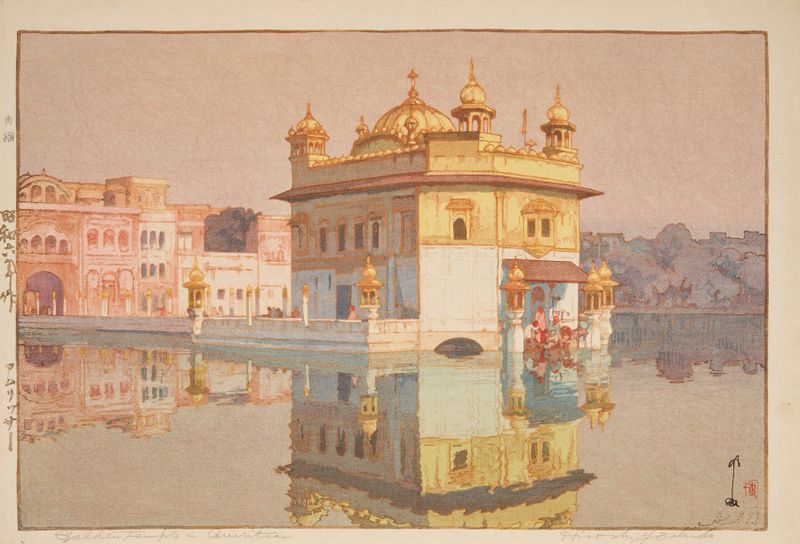
Amurissaa (Golden Temple in Amritsar)
Yoshida Hiroshi

High Gate in Ajmer (Ajumeru no Berenderuwajaa)
Yoshida Hiroshi

Fujiyama from Gotemba
Yoshida Hiroshi
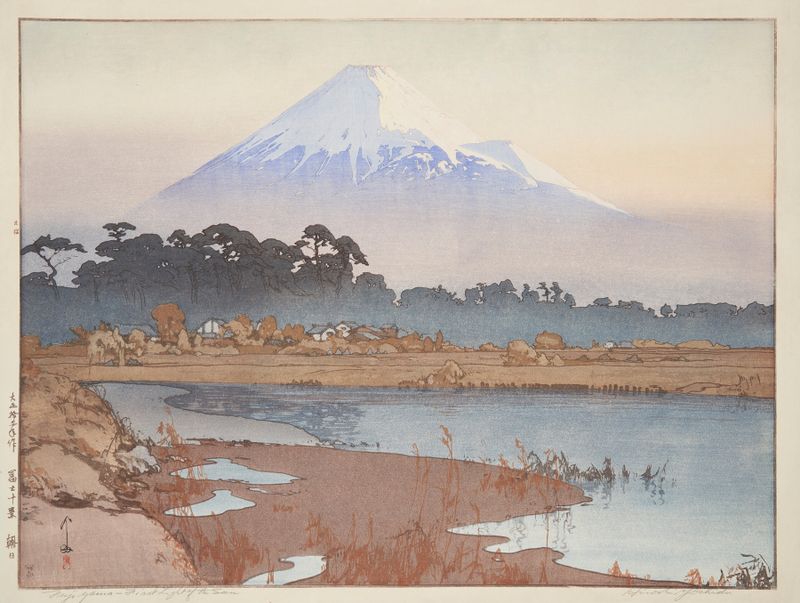
Asahi (Sunrise).
Yoshida Hiroshi
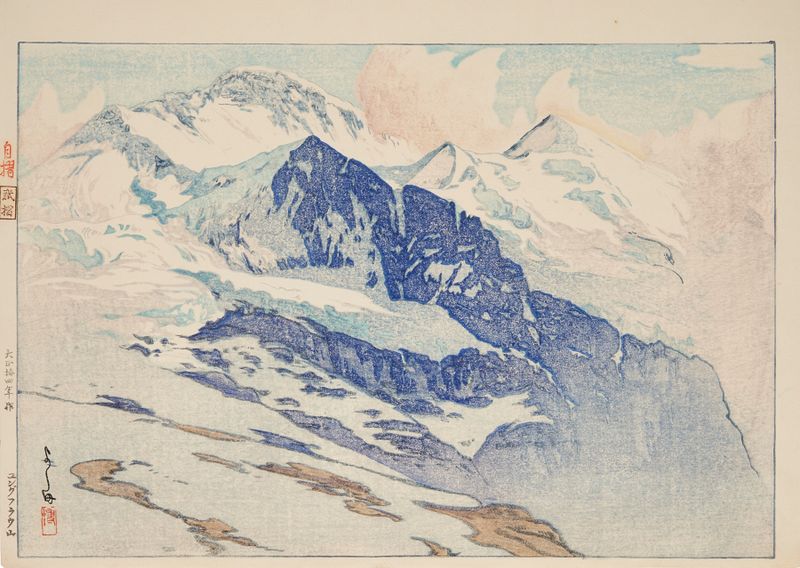
Yungufurau-yama (Jungfrau)
Yoshida Hiroshi
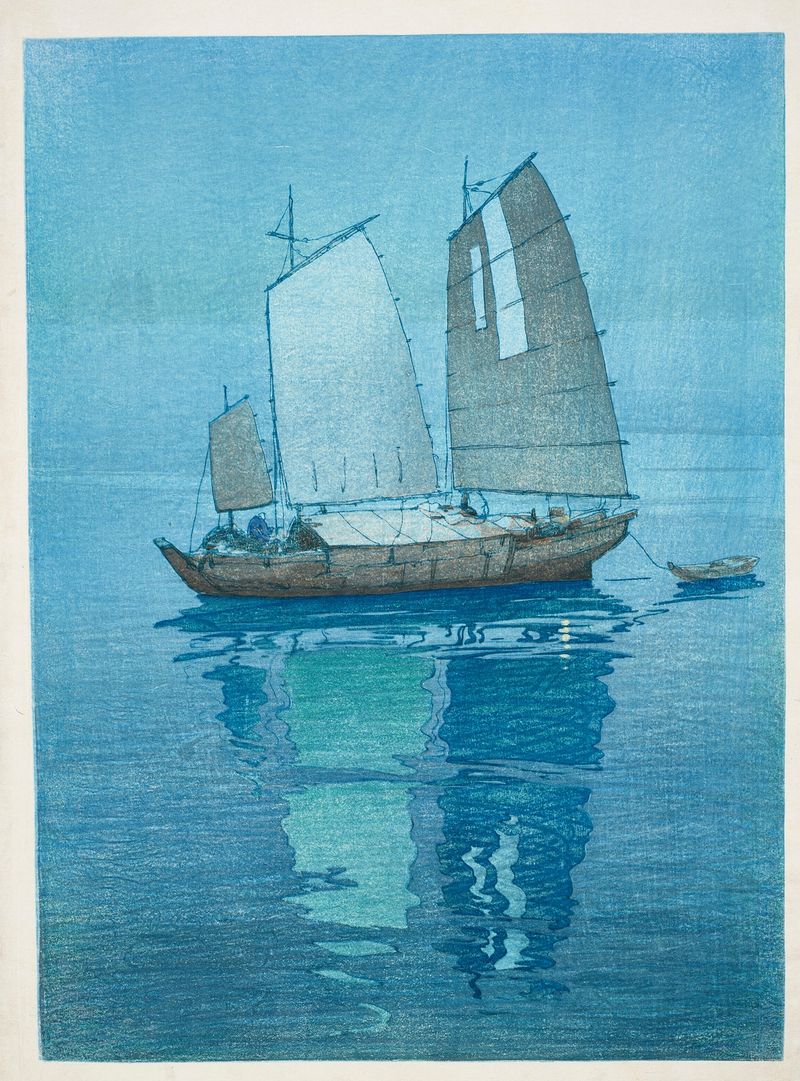
Hansen (Sailing Boats)
Yoshida Hiroshi
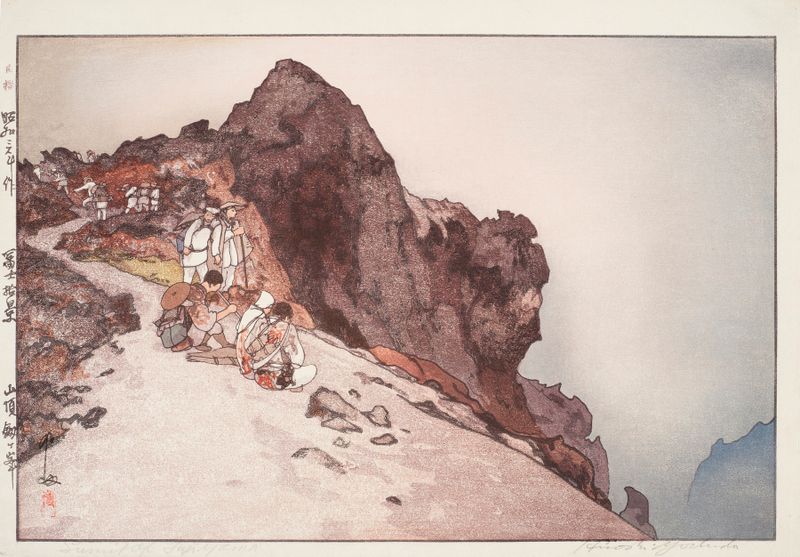
Summit of Mount Fuji
Yoshida Hiroshi

Sailing Boats — Night, from the series ‘The Seto Inland Sea’
Yoshida Hiroshi
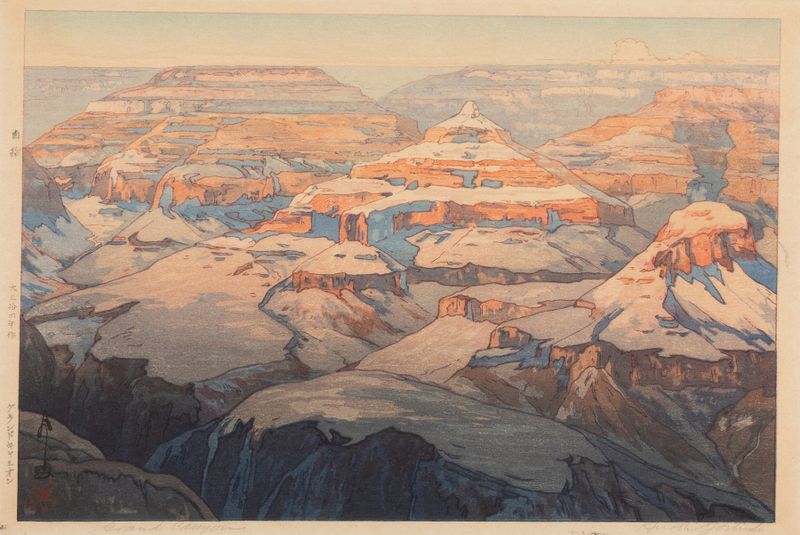
Grand Canyon (Gurando Kyanion)
Yoshida Hiroshi
More Religious Art
Browse all →
The Return of the Prodigal Son
Rembrandt van Rijn

The Garden of Earthly Delights
El Bosco

Count Orgaz’ funeral
El Greco

The Hundred Guilder Print: the central piece with Christ preaching, the plate arched
Rembrandt van Rijn

The Descent from the Cross
Rogier van der Weyden

The return of the prodigal son
Rembrandt van Rijn