
Dáma v dlhých čiernych šatách O 1501 East Slovak Gallery — History & Facts
A woman stands in quiet solitude, her face turned away, her features left deliberately undefined. The true drama of Dáma v dlhých čiernych šatách O 1501 East Slovak Gallery by Ákos Aranyossy unfolds not in grand gestures, but in the subtle tension between anonymity and presence. The dark sweep of her dress anchors her to the floor, while her gloved hands clutch a pale letter or handkerchief—an object that draws the eye and suggests a private moment interrupted or preserved.
The olive-green wall behind her, roughly brushed, offers no distractions, forcing us to linger on her posture and the mystery of her intent. Painted sometime between 1890 and 1898, this work belongs to a period when artists across Europe were exploring new freedoms in both subject and technique. Portraits like this, with their focus on mood and fleeting impressions rather than formal likeness, reflect the shifting tastes of the fin de siècle: the rise of the bourgeoisie, the cult of individuality, and the fascination with the inner life. Though little is recorded about this particular painting’s journey, it now resides in the East Slovak Gallery, a silent witness to a world on the cusp of modernity.
Stand before her a moment longer—the story is in what she withholds.
More Artworks by Ákos Aranyossy
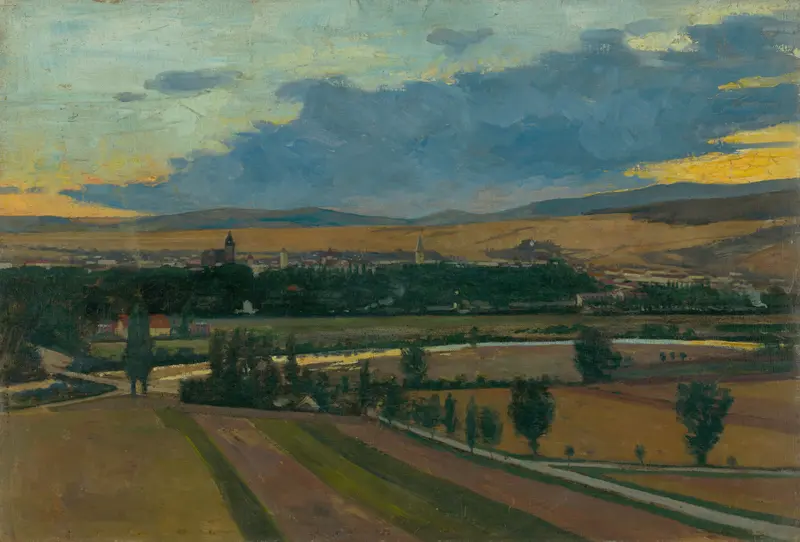
Pohľad na Košice
Ákos Aranyossy
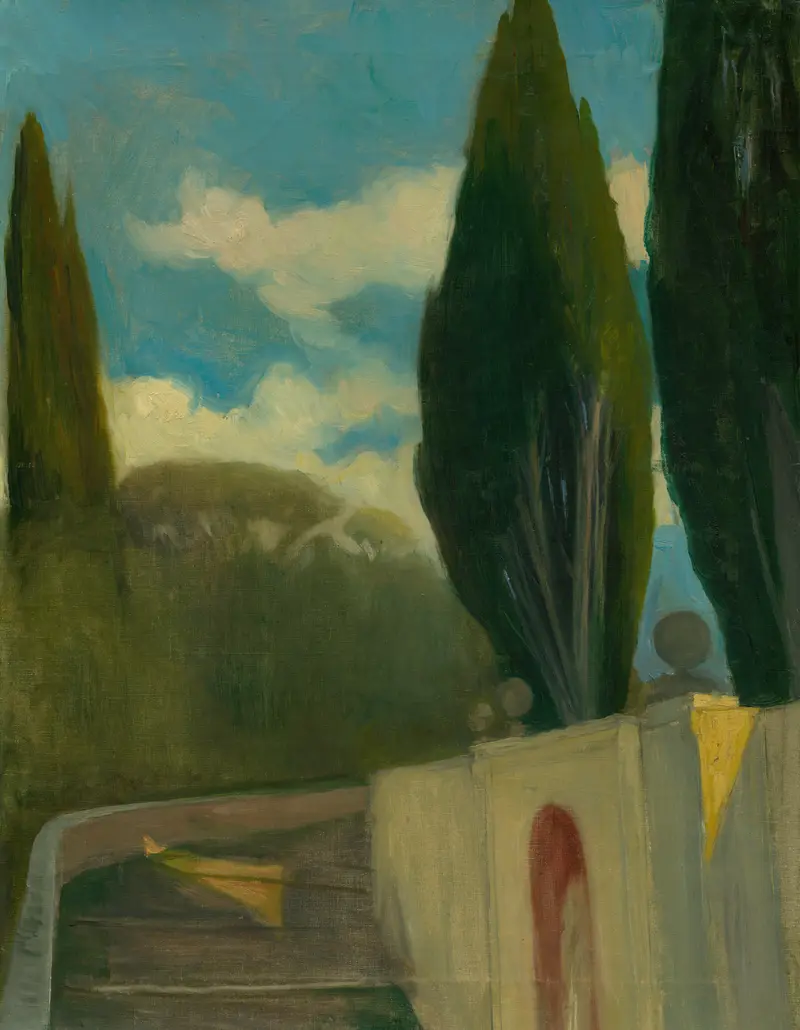
Krajina O 1703 East Slovak Gallery
Ákos Aranyossy
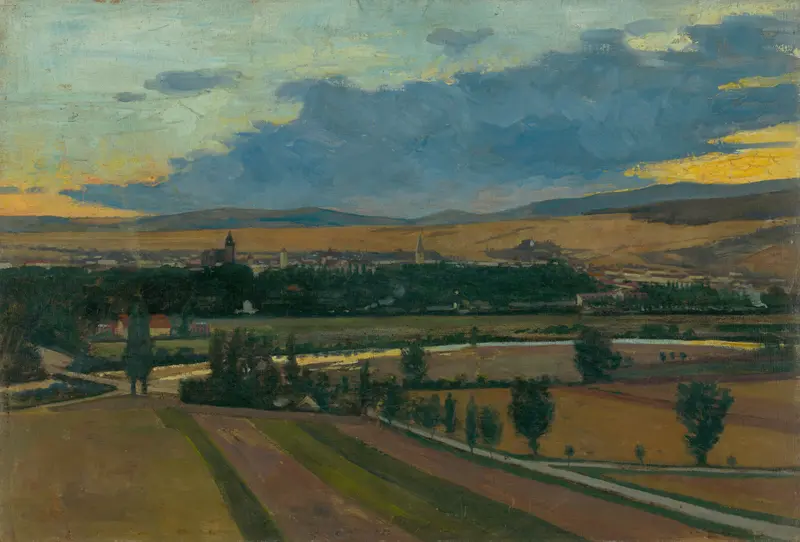
Pohľad na Košice O 496 East Slovak Gallery
Ákos Aranyossy
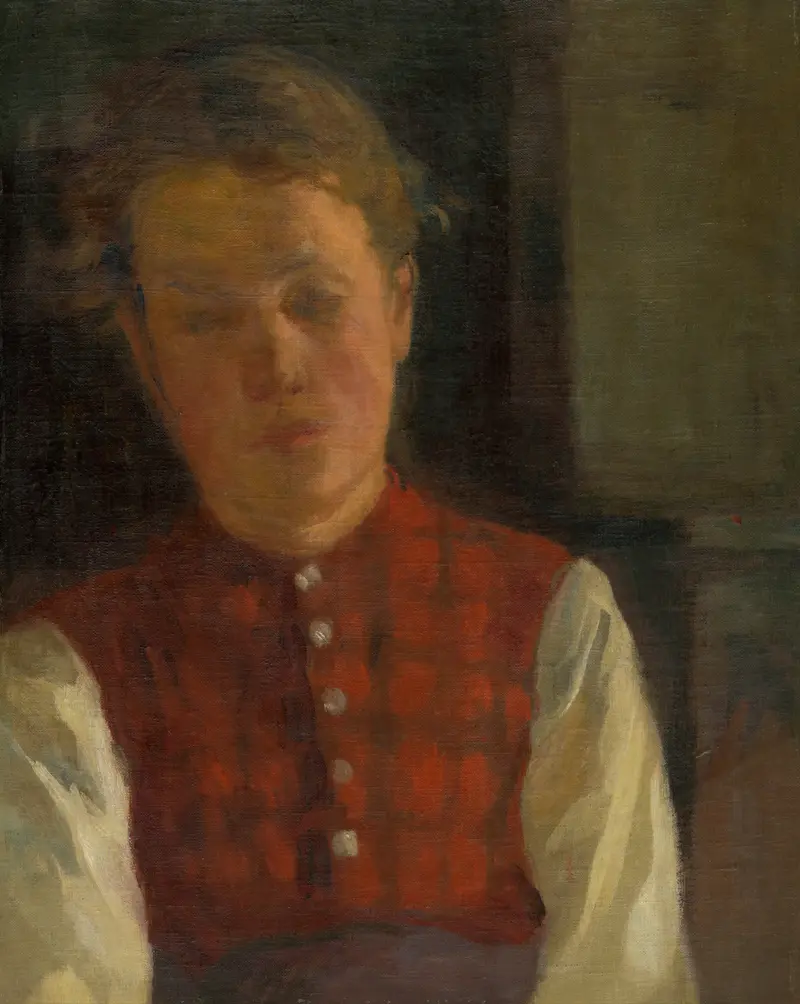
Žena v červenej kockovanej veste O 1499 East Slovak Gallery
Ákos Aranyossy
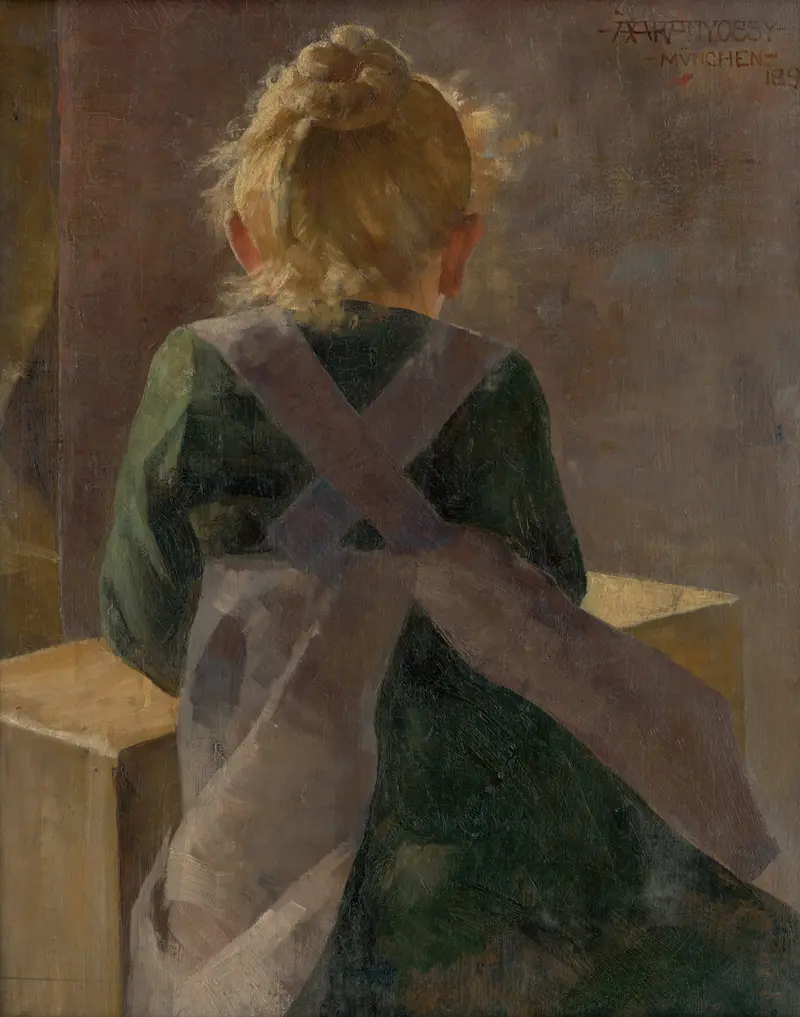
Dievčatko O 94 East Slovak Gallery
Ákos Aranyossy
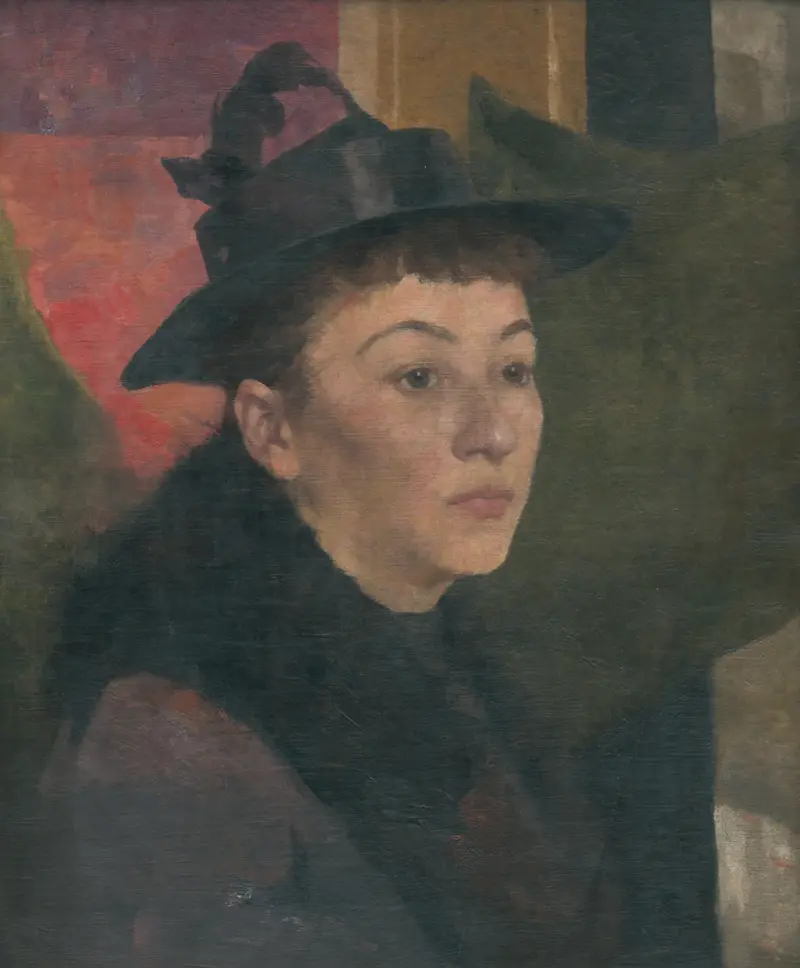
Podobizňa ženy s čiernym klobúkom O 1500 East Slovak Gallery
Ákos Aranyossy
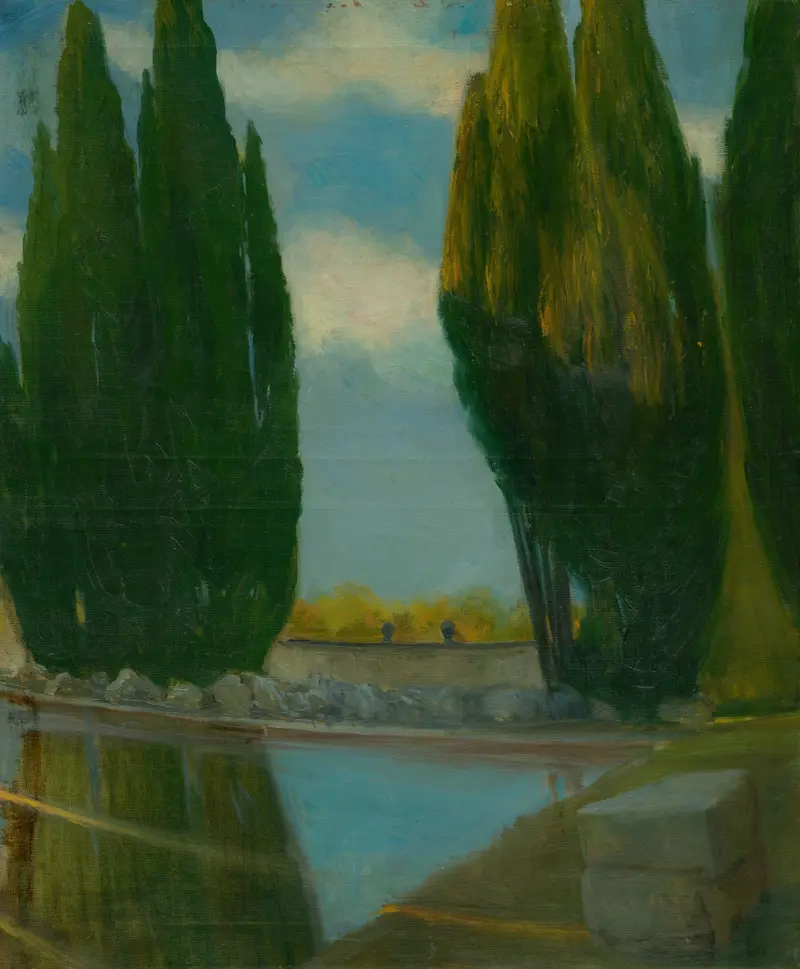
Krajina s jazerom O 1702 East Slovak Gallery
Ákos Aranyossy
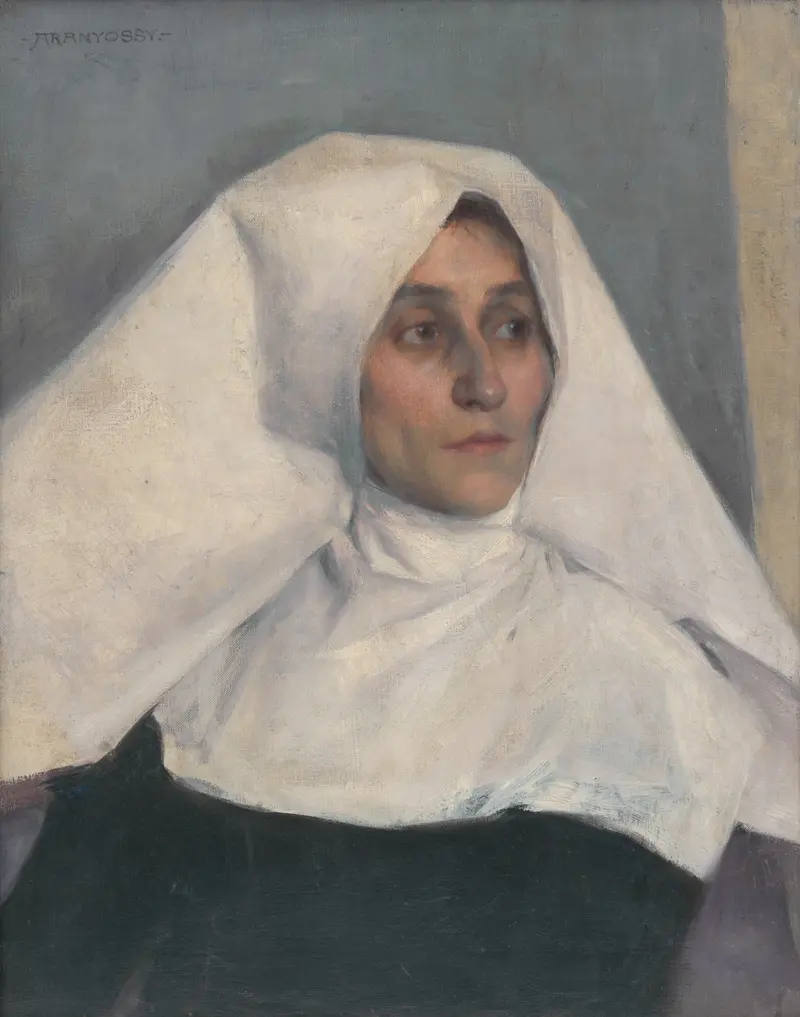
Portrét mníšky O 101 East Slovak Gallery
Ákos Aranyossy
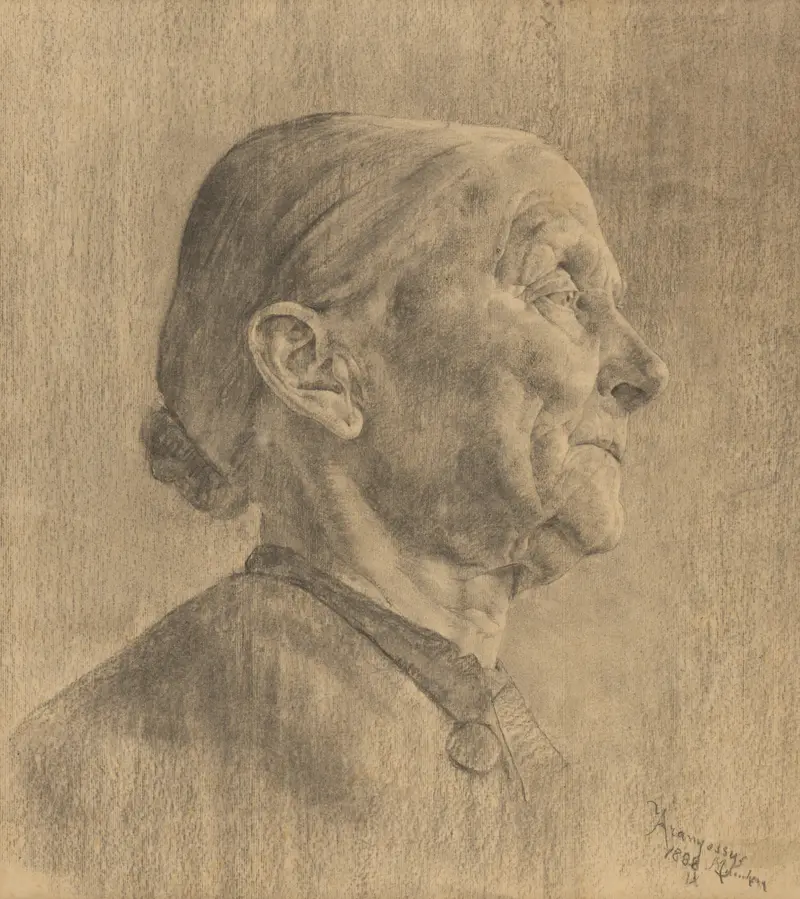
Štúdia hlavy starenky K 44 East Slovak Gallery
Ákos Aranyossy
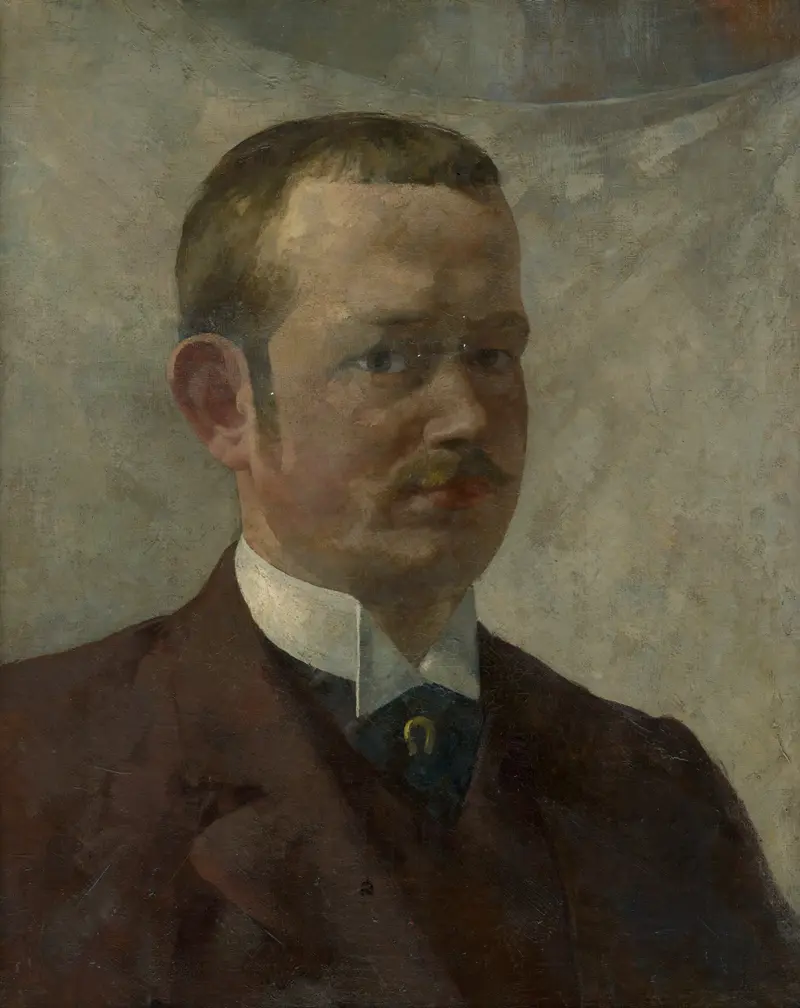
Self-Portrait
Ákos Aranyossy





