
Portrét mníšky O 101 East Slovak Gallery — History & Facts
What draws the eye first in Portrét mníšky O 101 East Slovak Gallery is the quiet intensity of the sitter’s gaze—turned slightly away, as if caught in a moment of private thought just as the world falls silent around her. The stark geometry of her white wimple frames her face like a window, the crisp folds echoing the discipline and order of her life. Subtle shadows pool beneath her eyes and along her cheekbones, suggesting both the rigors of her calling and the softness of her character.
The background, a muted field of grey, refuses to distract; all attention is held by the delicate modeling of flesh and fabric, the interplay of cool and warm tones across her skin. Ákos Aranyossy’s brushwork is restrained but sure, letting the sitter’s presence emerge through the simplest means. Painted in 1893, this portrait belongs to a world where such images served both as personal records and as quiet tributes to lives of service. Portraits of nuns in the late nineteenth century often balanced dignity with humility, reflecting the social respect accorded to religious vocations in Central Europe at the time.
While little is recorded about this particular painting’s origins or its subject, its home in the East Slovak Gallery today places it among works that document the region’s cultural and spiritual history. The anonymity of the sitter—her identity lost to time—only sharpens the sense of universality in her expression, inviting viewers to linger and imagine the story behind those watchful eyes.
More Artworks by Ákos Aranyossy
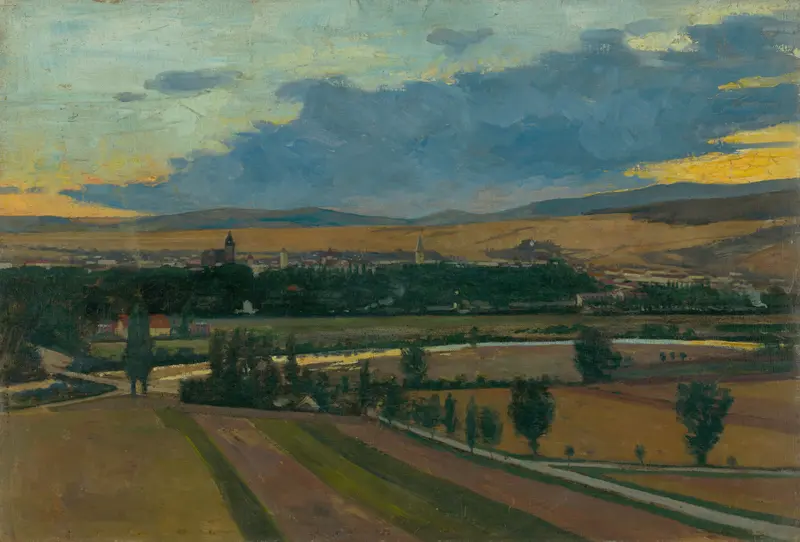
Pohľad na Košice
Ákos Aranyossy
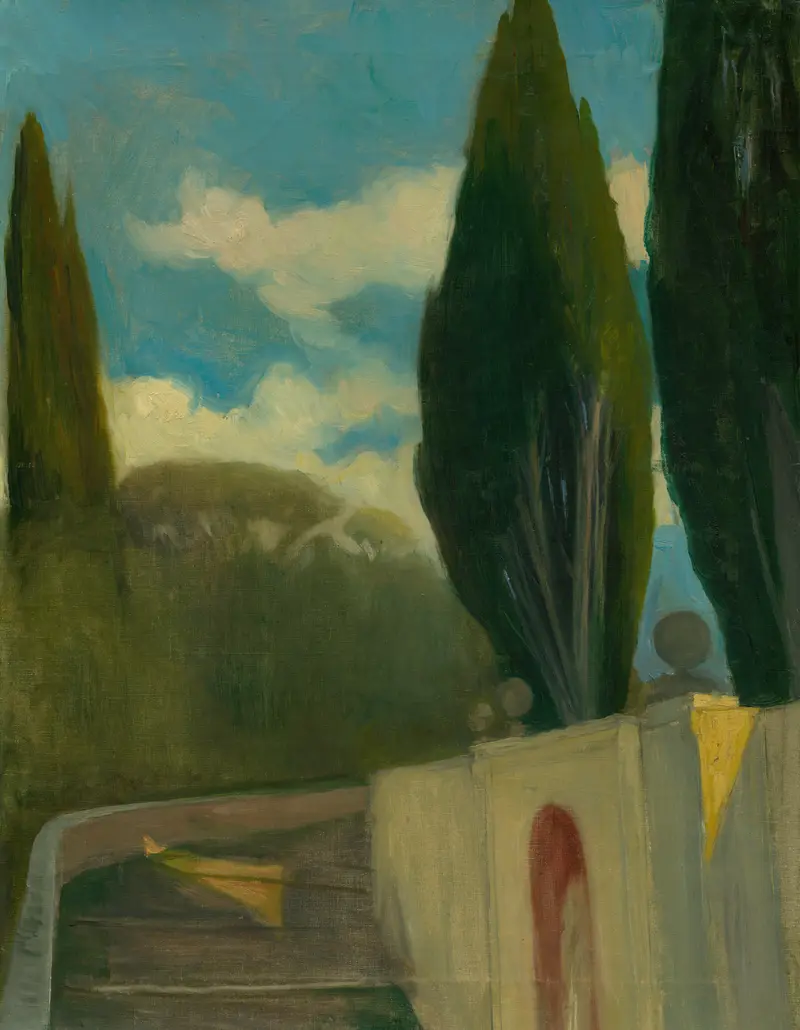
Krajina O 1703 East Slovak Gallery
Ákos Aranyossy
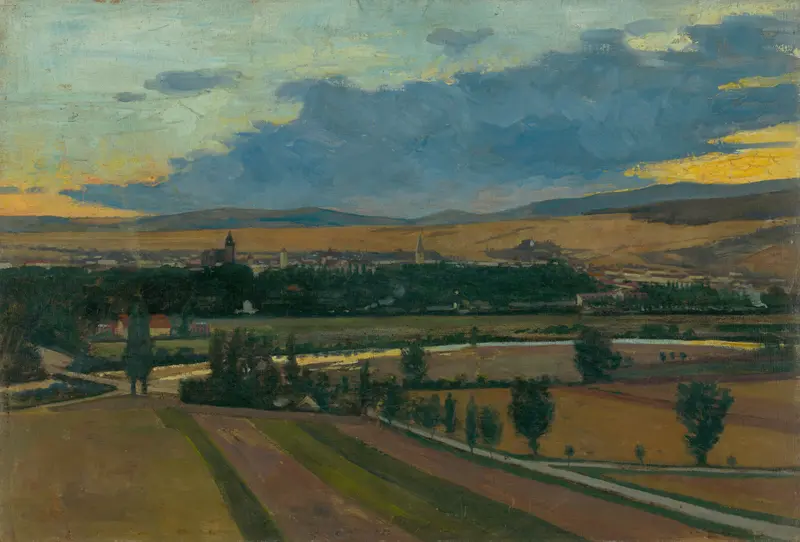
Pohľad na Košice O 496 East Slovak Gallery
Ákos Aranyossy
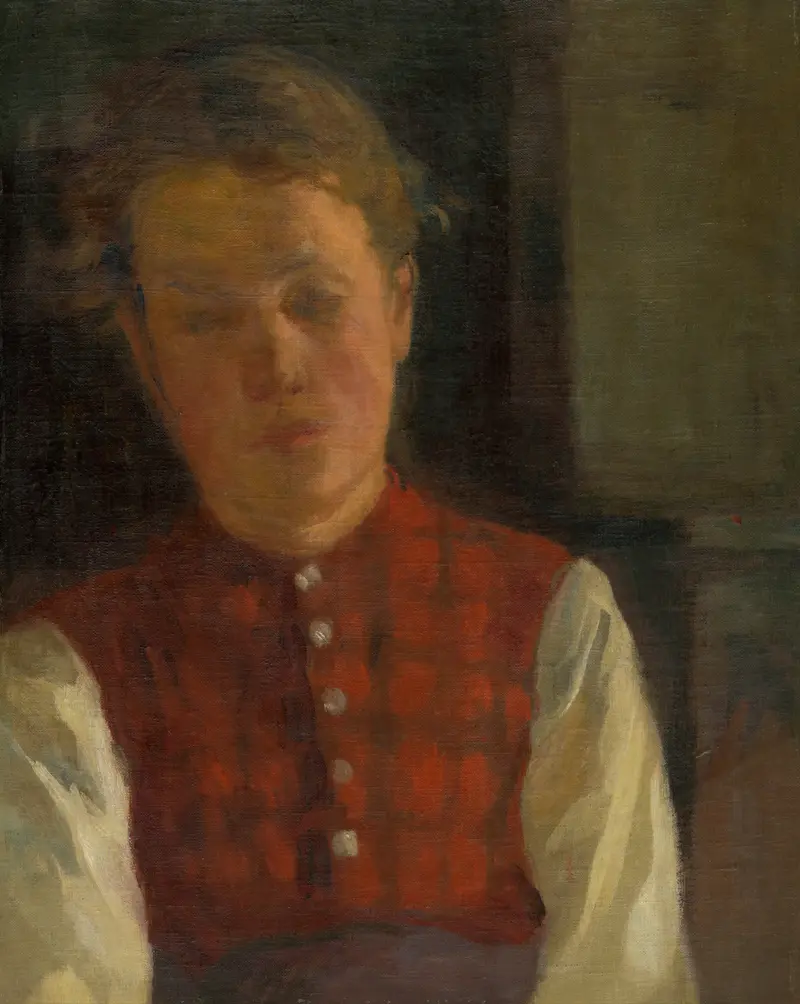
Žena v červenej kockovanej veste O 1499 East Slovak Gallery
Ákos Aranyossy
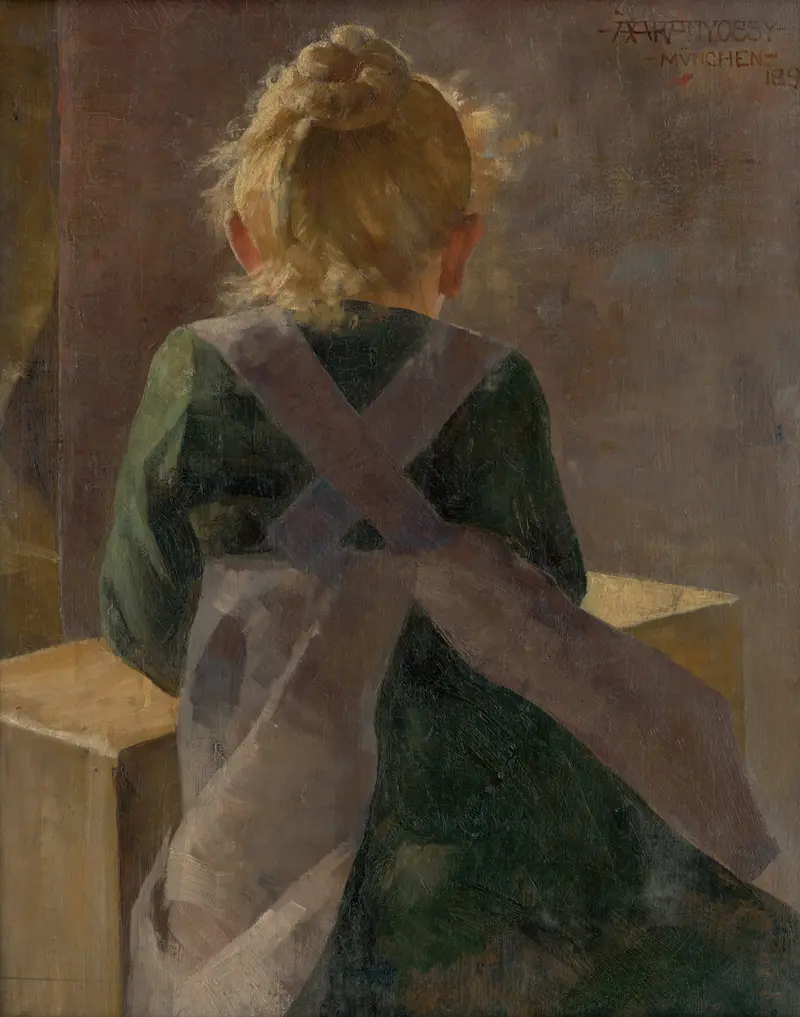
Dievčatko O 94 East Slovak Gallery
Ákos Aranyossy
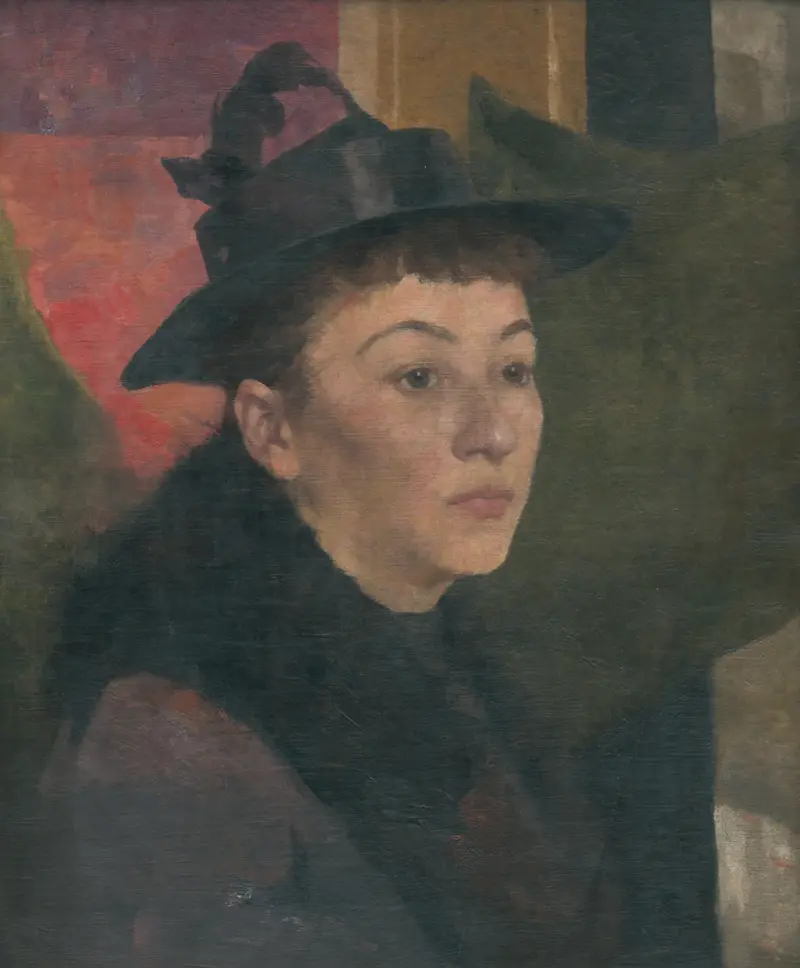
Podobizňa ženy s čiernym klobúkom O 1500 East Slovak Gallery
Ákos Aranyossy
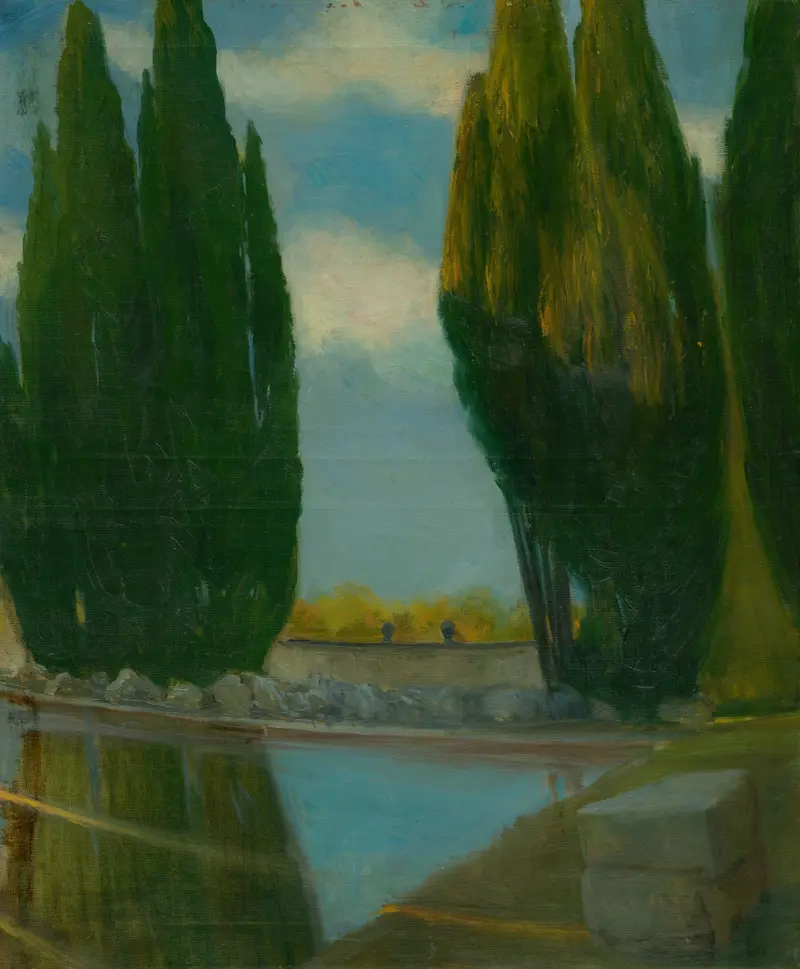
Krajina s jazerom O 1702 East Slovak Gallery
Ákos Aranyossy
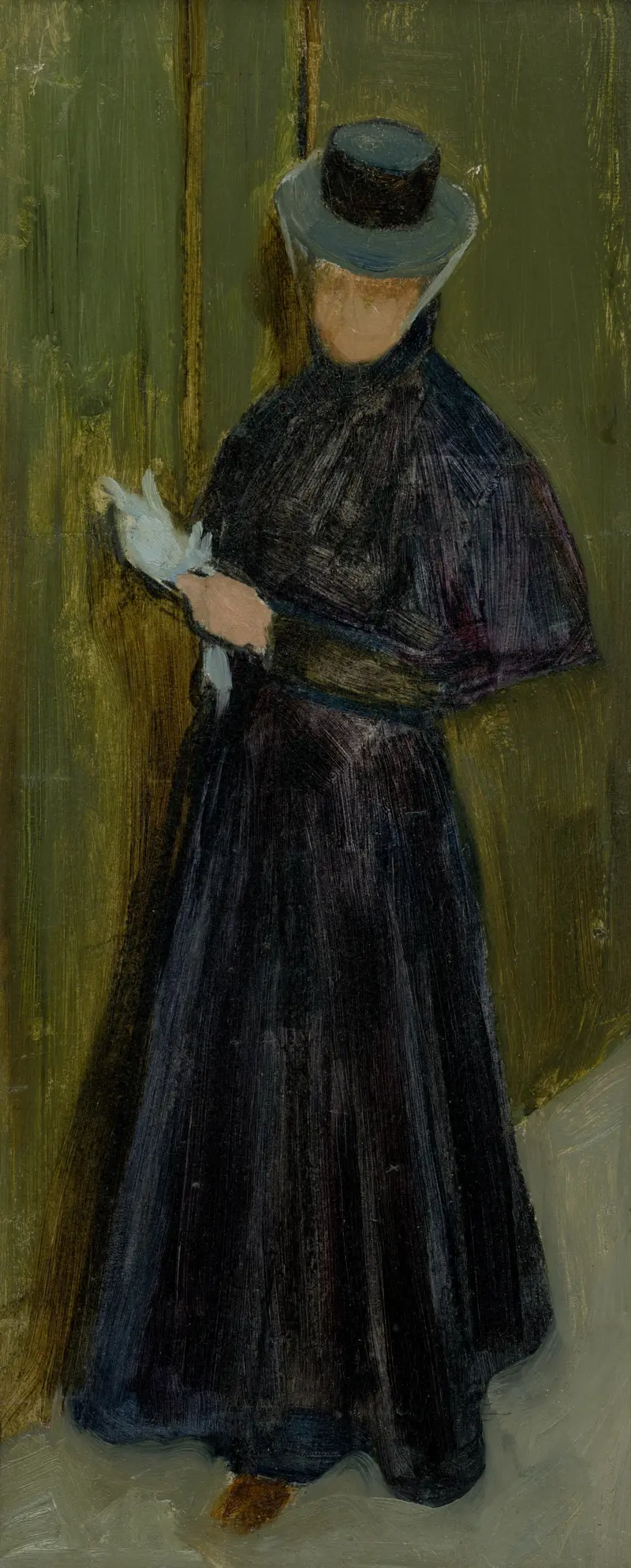
Dáma v dlhých čiernych šatách O 1501 East Slovak Gallery
Ákos Aranyossy
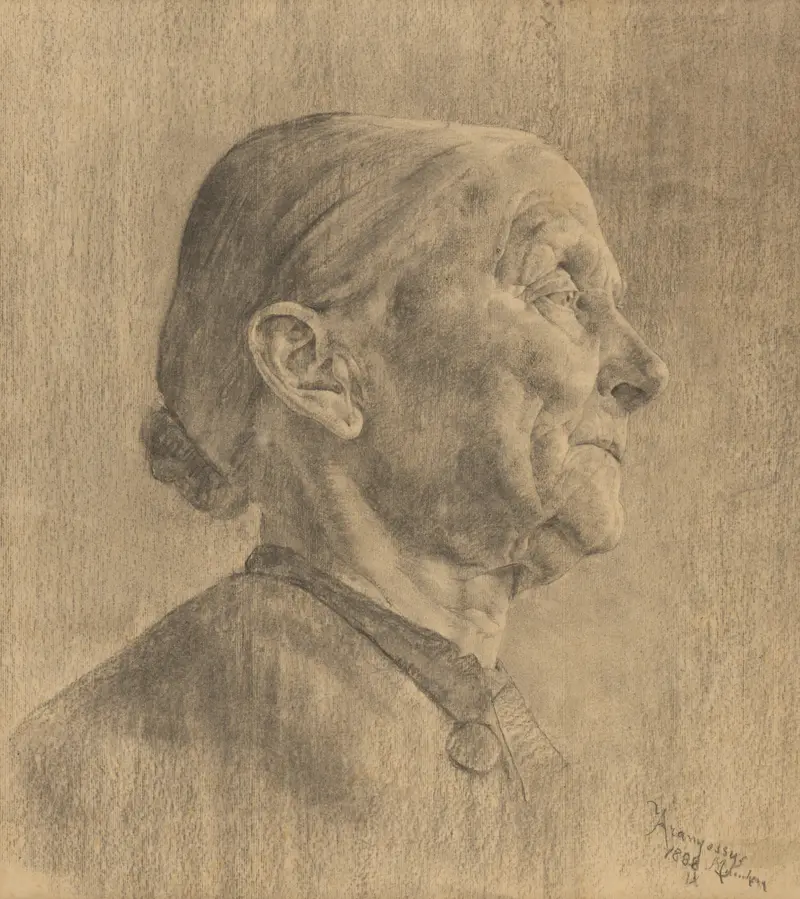
Štúdia hlavy starenky K 44 East Slovak Gallery
Ákos Aranyossy
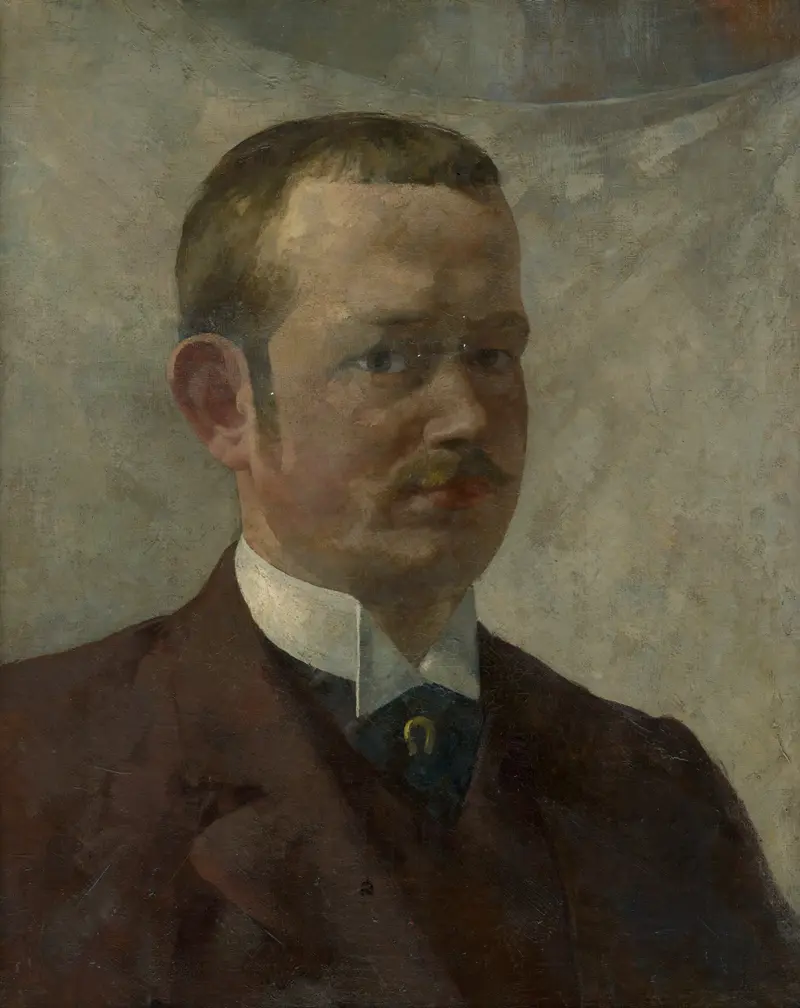
Self-Portrait
Ákos Aranyossy





