
Dievčatko O 94 East Slovak Gallery — History & Facts
What first catches the eye in Dievčatko O 94 East Slovak Gallery is the quiet refusal of the subject to meet our gaze. Instead, we are drawn into the intimacy of a moment seen from behind—a young girl, her fair hair gathered in a loose knot, sits with her back to us, the broad ribbons of her pinafore crisply crossing her shoulders. Light spills across her hair and the edge of her ear, catching the texture of the fabric and the soft curve of her neck, while the rest of the room falls into muted shadow.
The artist, Ákos Aranyossy, chooses not to show us her face, inviting us to wonder what occupies her attention just out of sight. The composition leads the viewer to linger on the subtle play of light and the careful rendering of everyday textures, from the wooden surface beside her to the folds of her apron. Painted in 1893, this work belongs to a world where genre scenes of children and domestic life were cherished for their quiet observation and emotional restraint. In the late nineteenth century, artists across Central Europe were turning their attention to the realities of ordinary life, often capturing fleeting, unguarded moments rather than grand narratives.
While little is documented about this specific painting beyond its home in the East Slovak Gallery, its subject and style speak to a broader movement: the search for truth in the humble and familiar. The anonymity of the girl, her back turned, becomes a universal gesture—any child, anywhere, absorbed in her own world. The longer one looks, the more the painting rewards with its gentle honesty and the warmth of its light.
More Artworks by Ákos Aranyossy
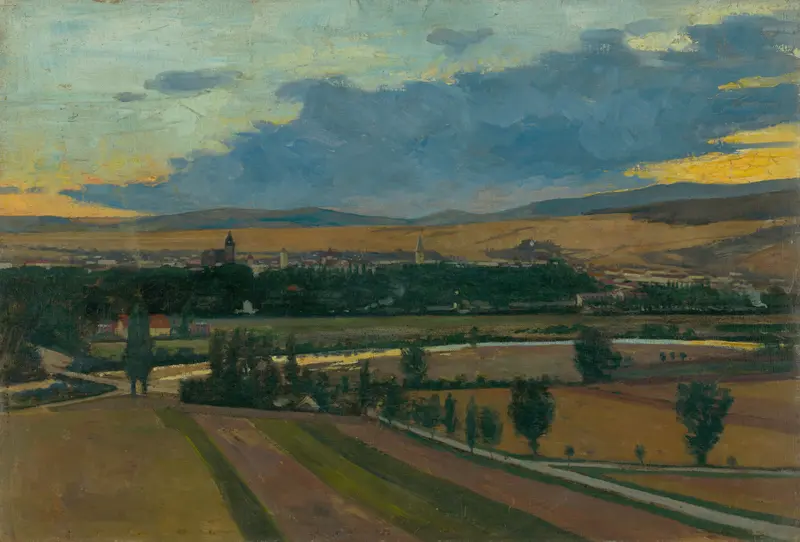
Pohľad na Košice
Ákos Aranyossy
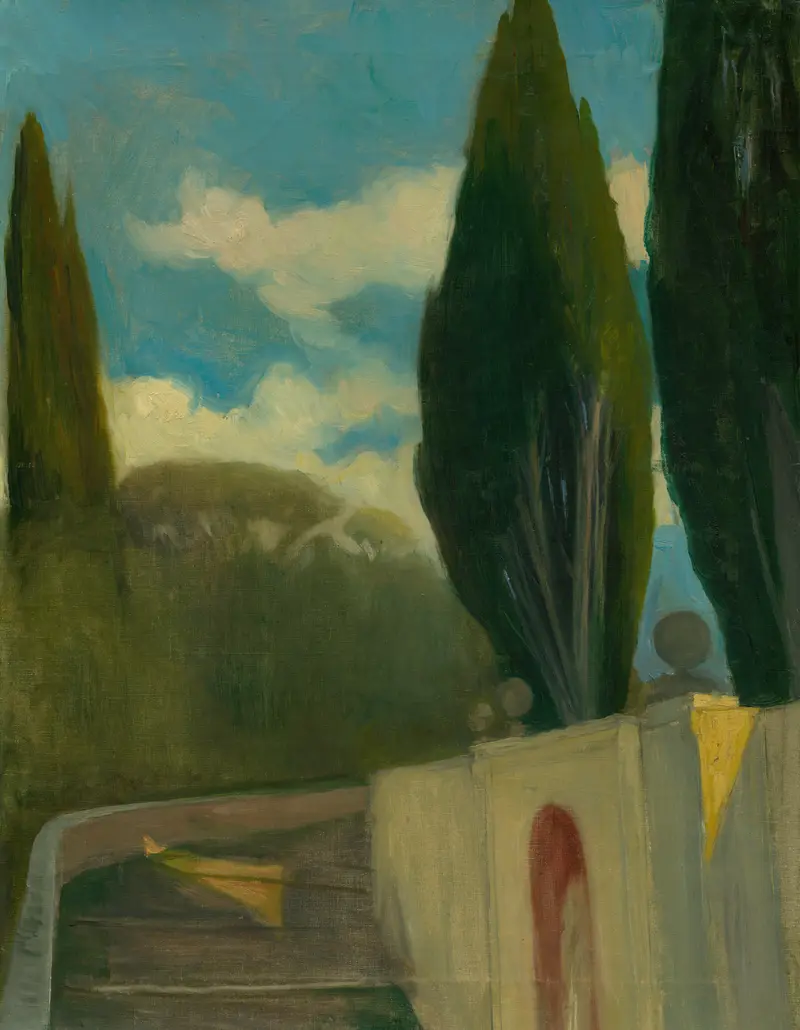
Krajina O 1703 East Slovak Gallery
Ákos Aranyossy
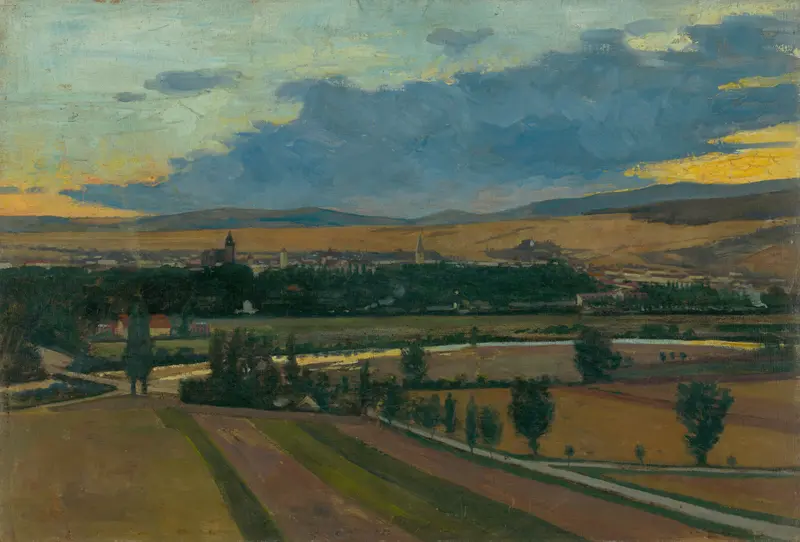
Pohľad na Košice O 496 East Slovak Gallery
Ákos Aranyossy
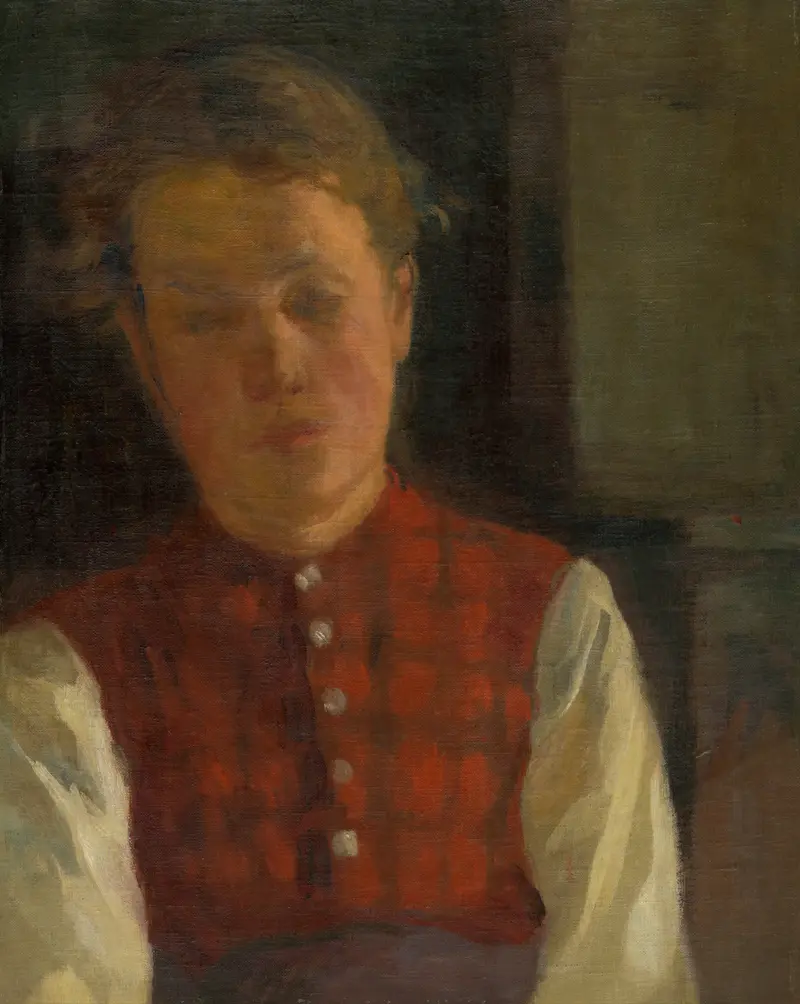
Žena v červenej kockovanej veste O 1499 East Slovak Gallery
Ákos Aranyossy
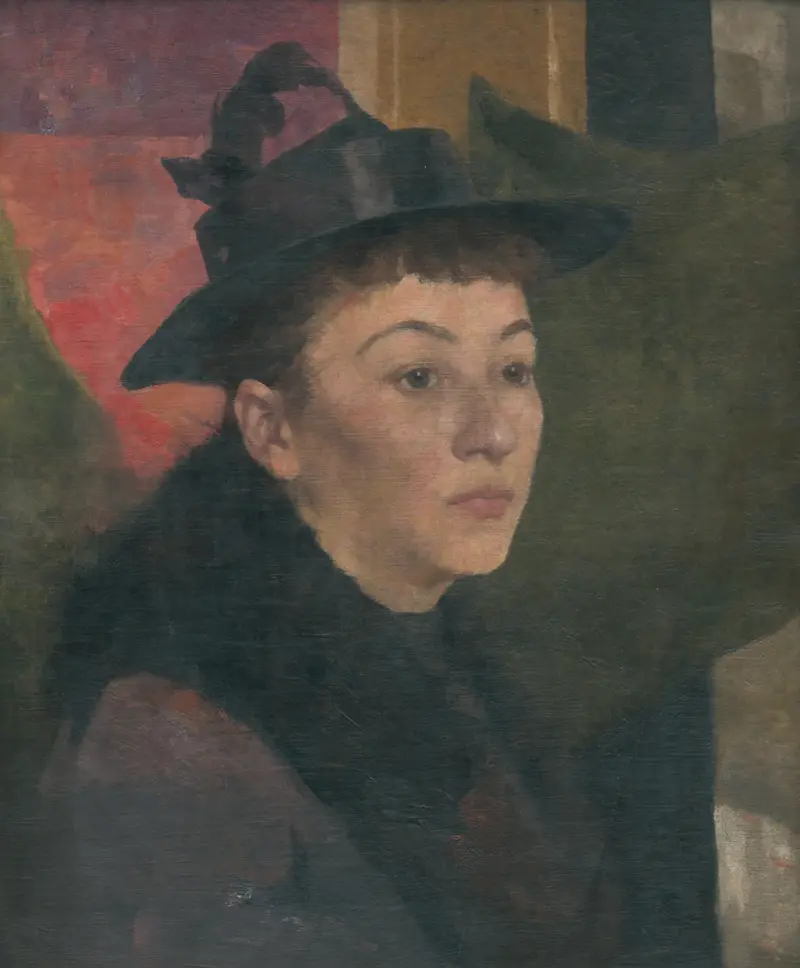
Podobizňa ženy s čiernym klobúkom O 1500 East Slovak Gallery
Ákos Aranyossy
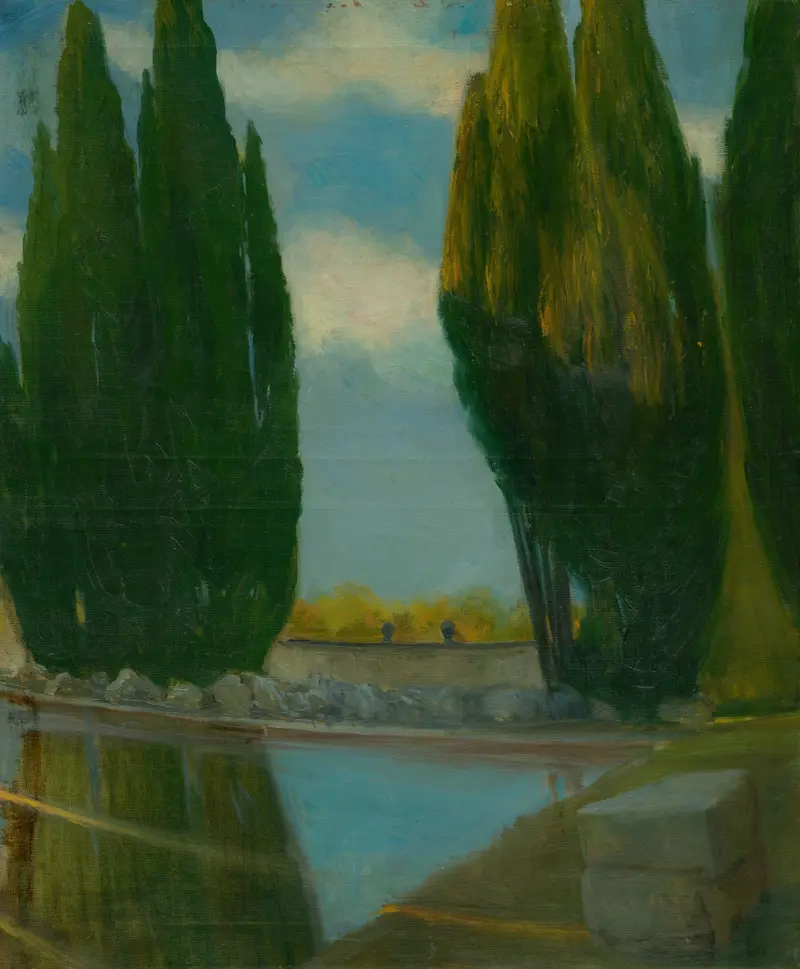
Krajina s jazerom O 1702 East Slovak Gallery
Ákos Aranyossy
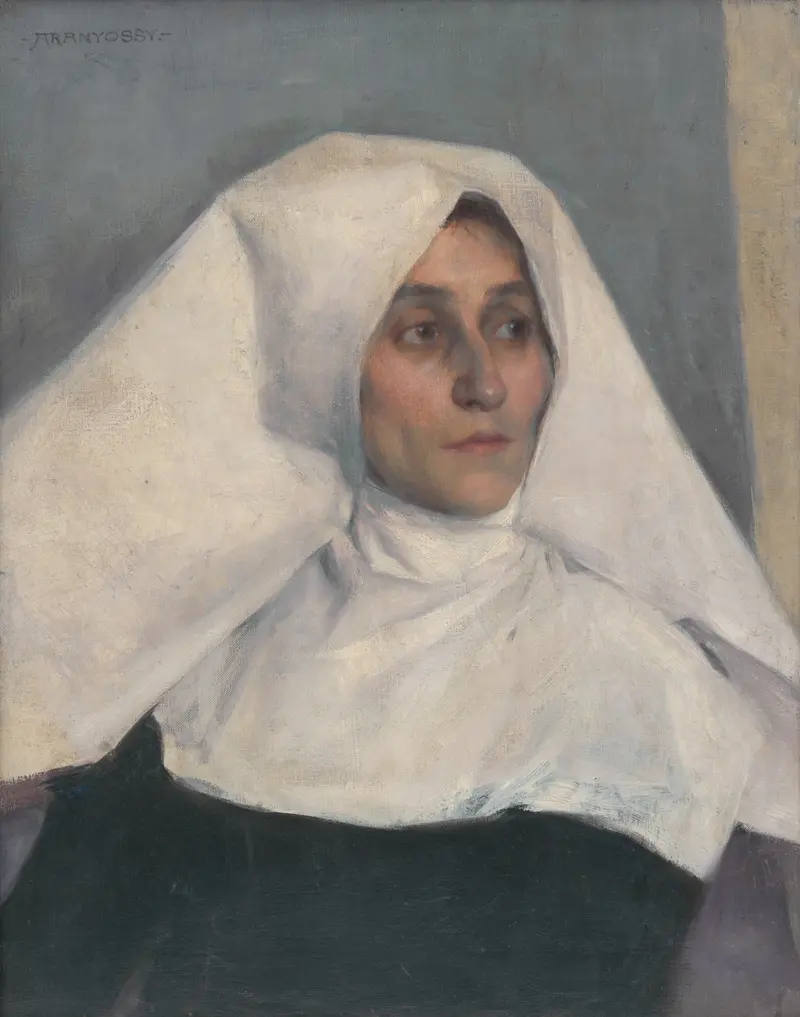
Portrét mníšky O 101 East Slovak Gallery
Ákos Aranyossy
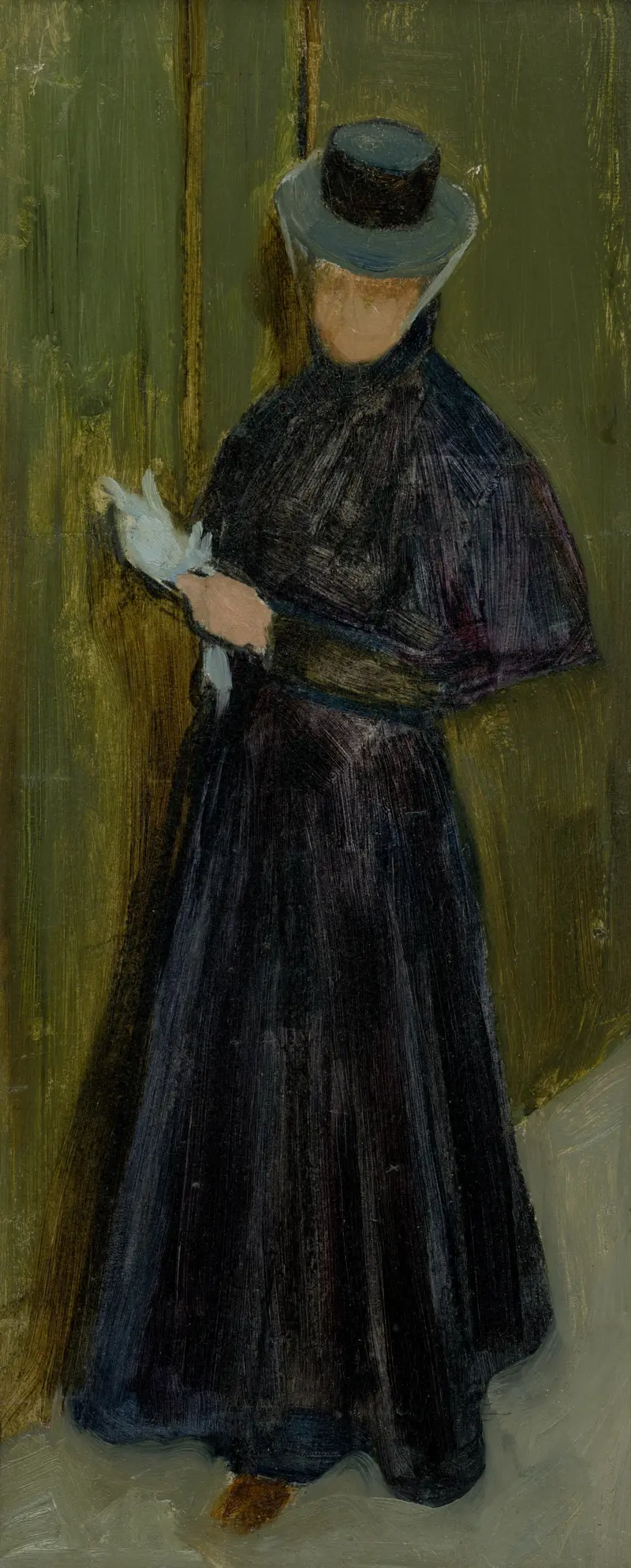
Dáma v dlhých čiernych šatách O 1501 East Slovak Gallery
Ákos Aranyossy
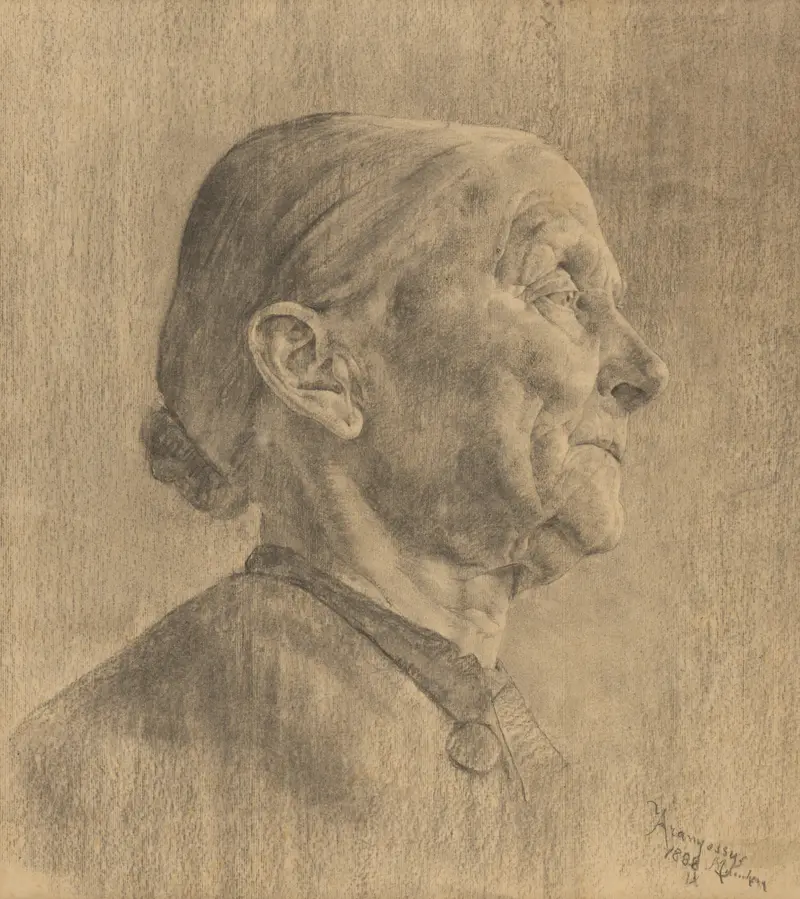
Štúdia hlavy starenky K 44 East Slovak Gallery
Ákos Aranyossy
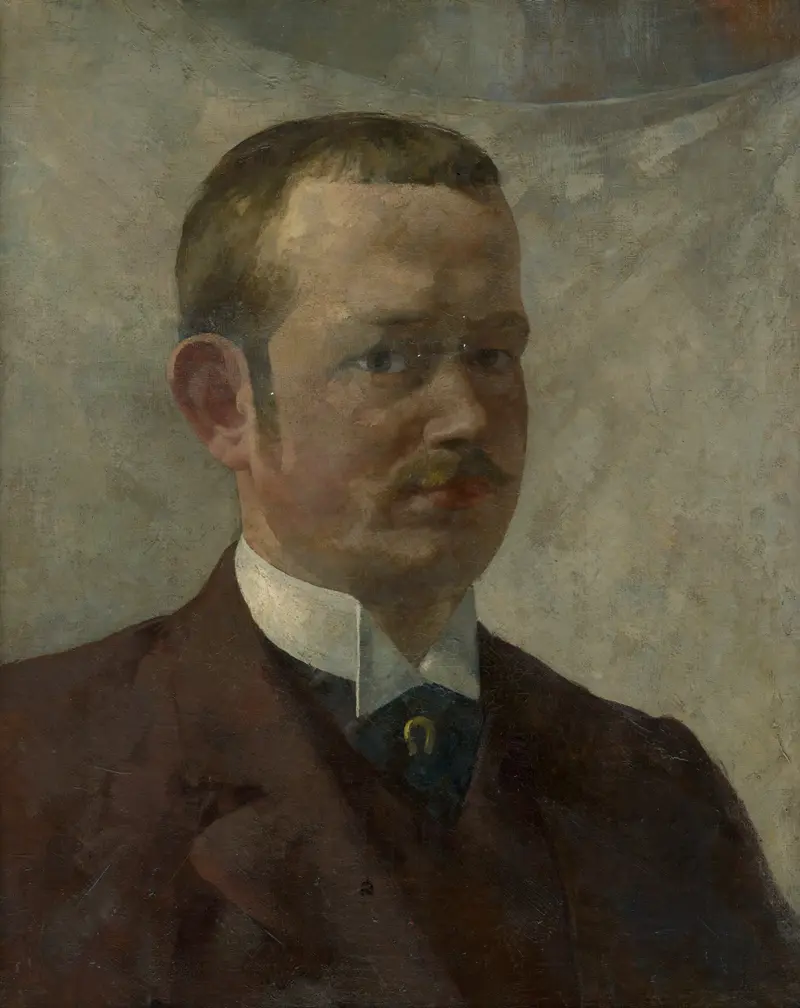
Self-Portrait
Ákos Aranyossy
More Genre Scene Art

Banquet of the Officers of the St George Civic Guard
Frans Hals

Rembrandt and Saskia in the Scene of the Prodigal Son
Rembrandt van Rijn

Bal du moulin de la Galette
Pierre-Auguste Renoir

Quadrille at the Moulin Rouge
Henri de Toulouse-Lautrec

A Burial at Ornans
Gustave Courbet

When Will You Marry?
Paul Gauguin