
Self-Portrait — History & Facts
What first catches the eye in Self-Portrait by Ákos Aranyossy is the unwavering, almost confrontational gaze that meets the viewer head-on. The artist has positioned himself close to the picture plane, the shoulders cropped so that the face dominates, allowing every subtle shift of light and shadow to model the brow, the cheek, the mustache. The background is a muted, textured haze, stripped of distractions, which throws all attention onto the sitter’s expression—a mixture of calculation, wariness, and a touch of pride.
The crisp white collar and dark suit signal a certain self-respect, while the small horseshoe pin at the neck hints at a personal talisman, a private note in a public image. Painted sometime between 1890 and 1898, this self-portrait belongs to an era when artists across Europe were grappling with the meaning of identity and the role of the individual. Portraits like this were often exercises in both self-promotion and self-examination, serving as calling cards for patrons or as statements of artistic intent. In the late nineteenth century, the rise of photography had begun to challenge painters, pushing them toward new forms of psychological depth and realism.
While history has kept few traces of Ákos Aranyossy’s broader career, this work, now held in the collection at https://www.webumenia.sk, stands as a testament to the period’s hunger for self-scrutiny and the enduring power of a direct, honest gaze. Look again, and see how much a single face can hold.
More Artworks by Ákos Aranyossy
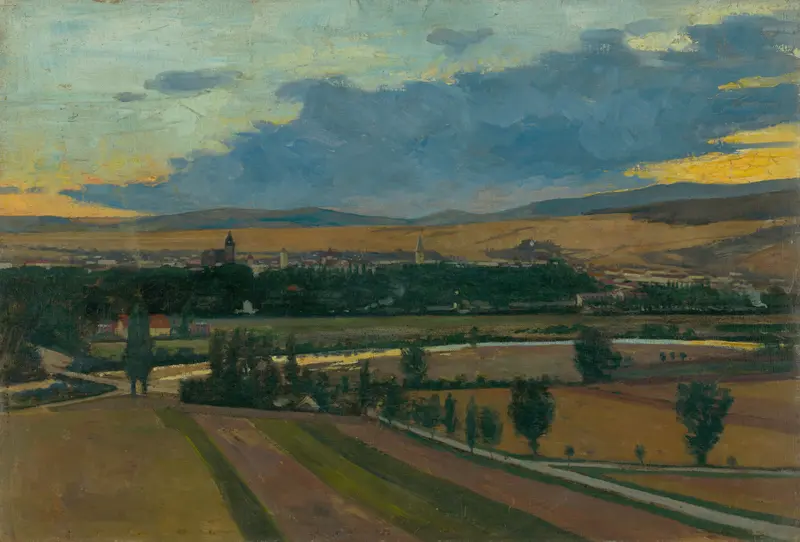
Pohľad na Košice
Ákos Aranyossy
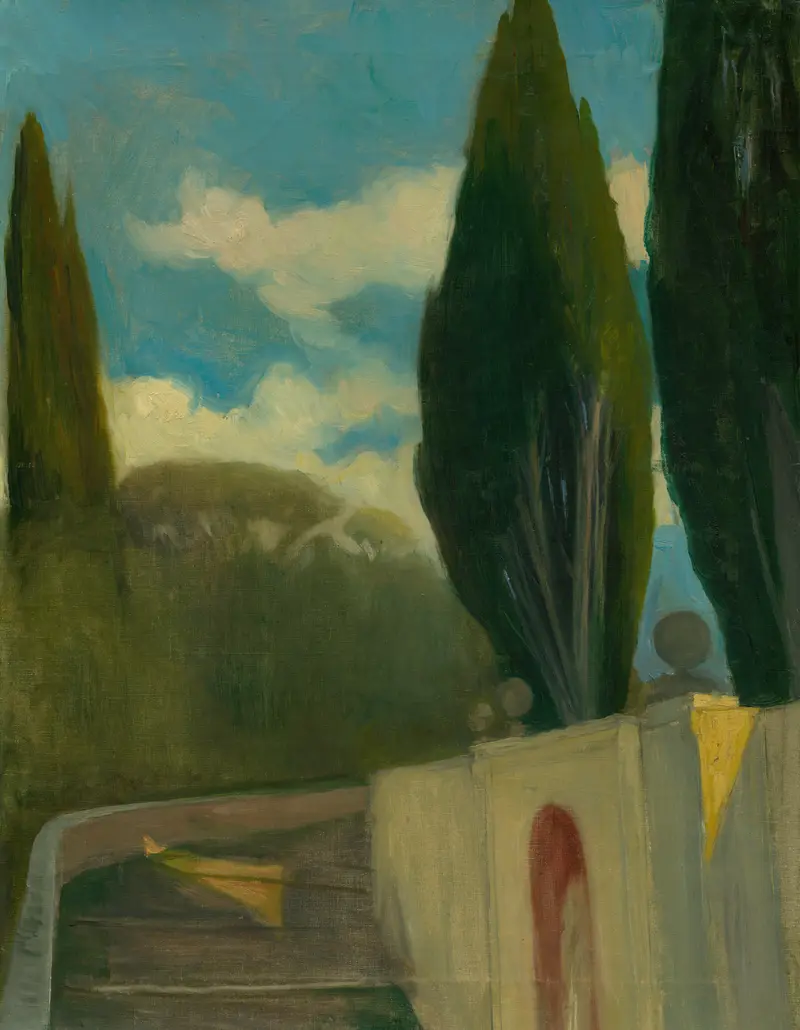
Krajina O 1703 East Slovak Gallery
Ákos Aranyossy
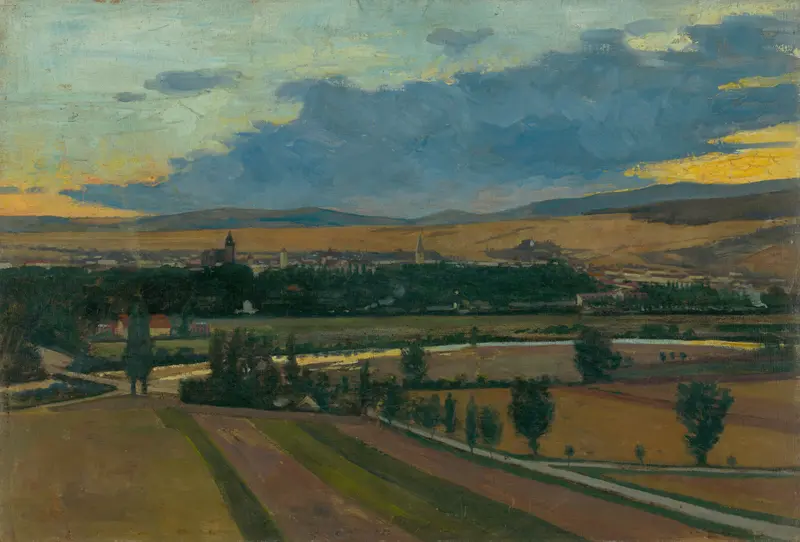
Pohľad na Košice O 496 East Slovak Gallery
Ákos Aranyossy
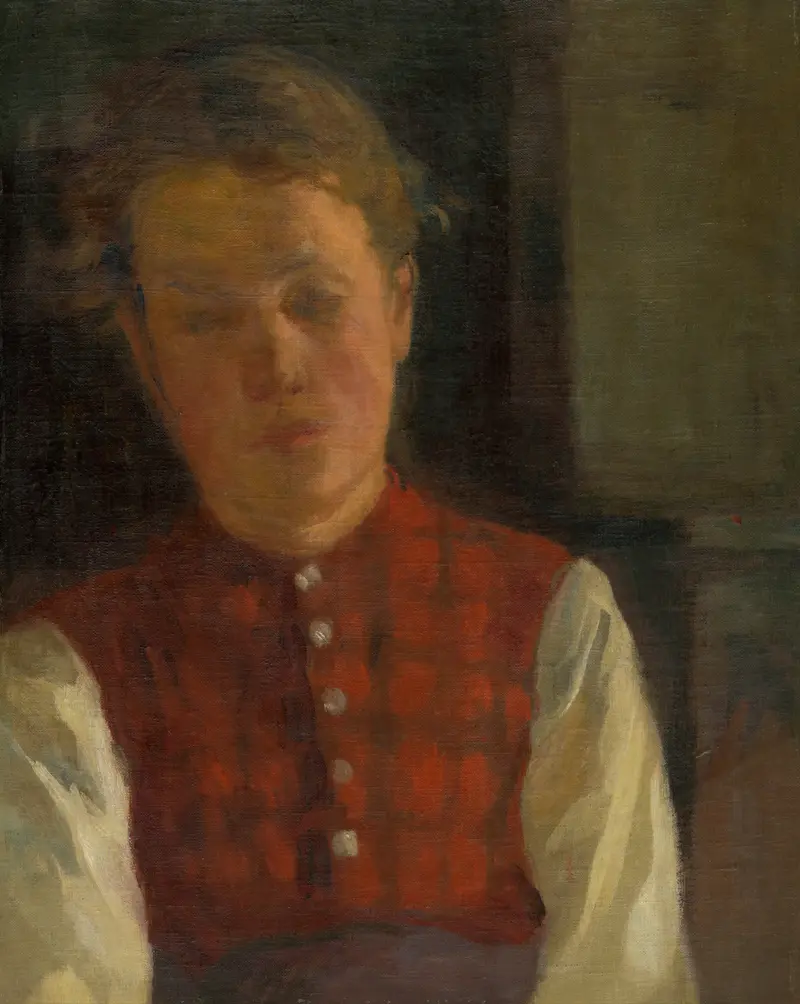
Žena v červenej kockovanej veste O 1499 East Slovak Gallery
Ákos Aranyossy
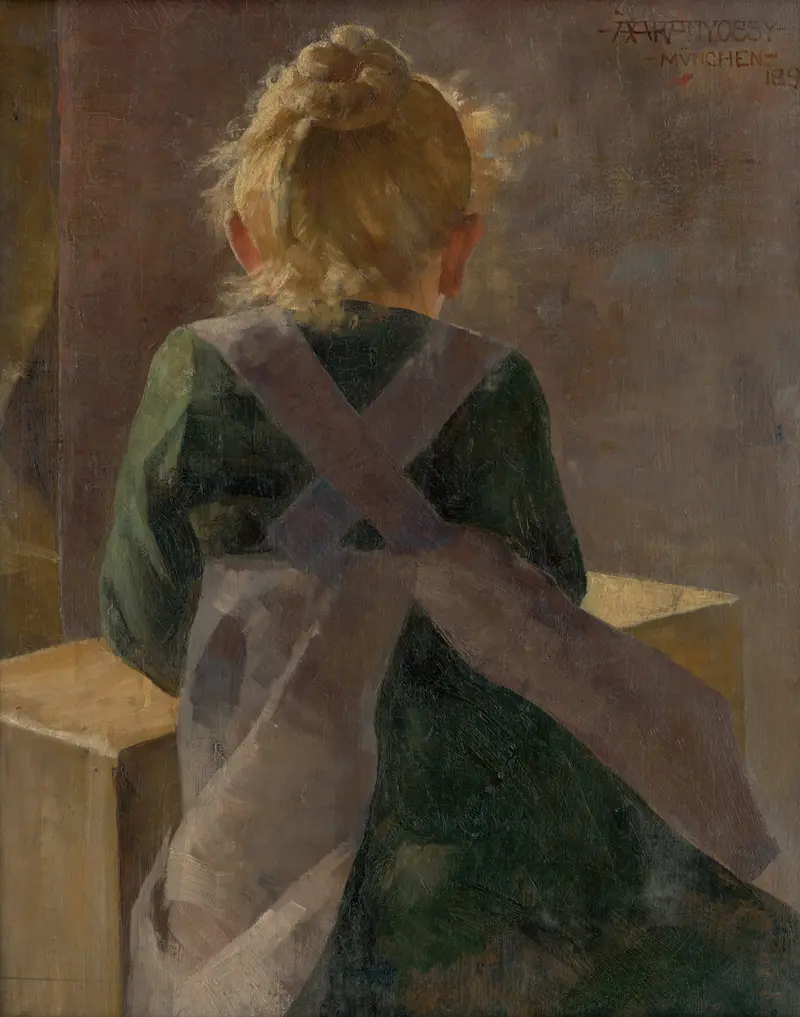
Dievčatko O 94 East Slovak Gallery
Ákos Aranyossy
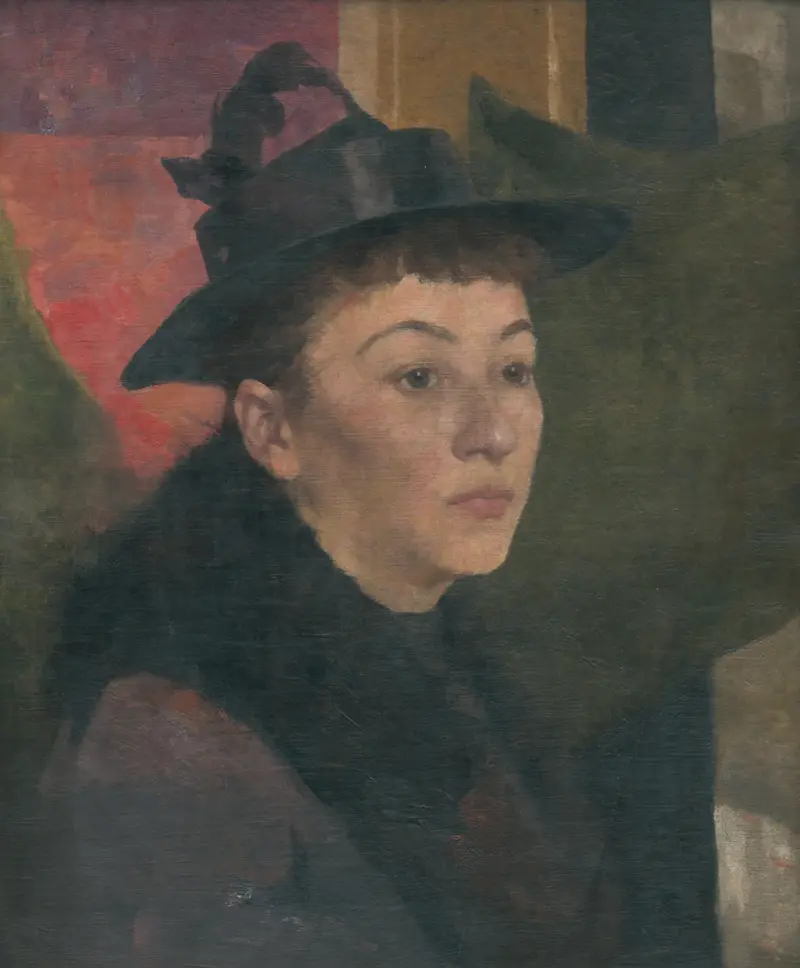
Podobizňa ženy s čiernym klobúkom O 1500 East Slovak Gallery
Ákos Aranyossy
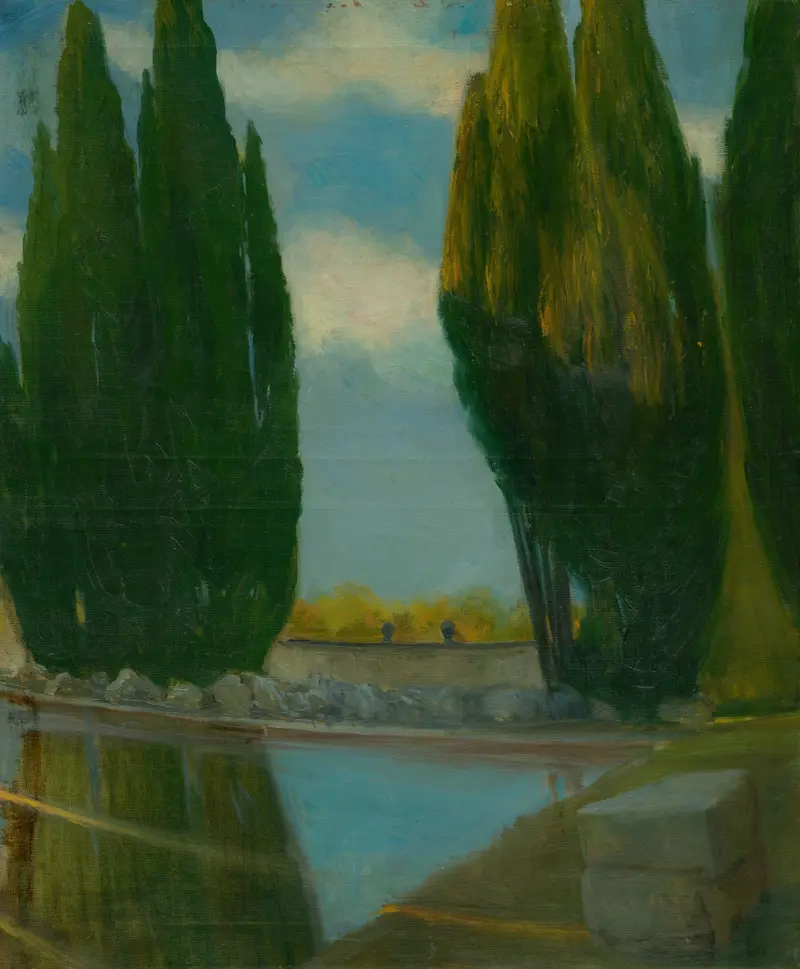
Krajina s jazerom O 1702 East Slovak Gallery
Ákos Aranyossy
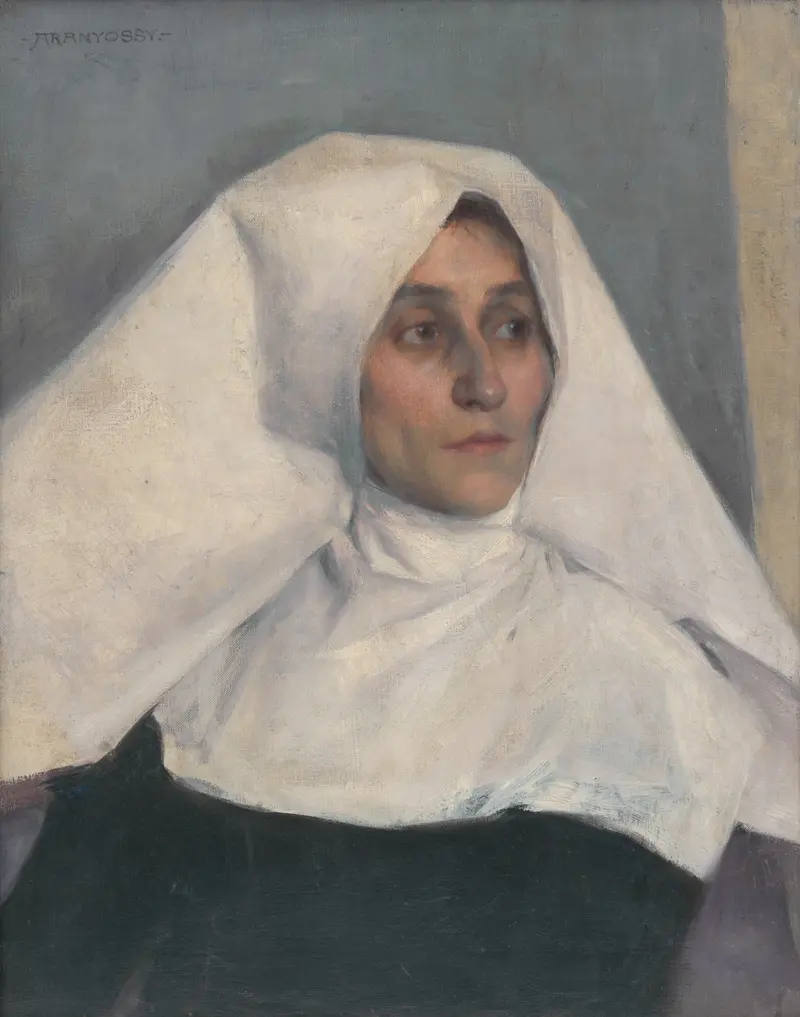
Portrét mníšky O 101 East Slovak Gallery
Ákos Aranyossy
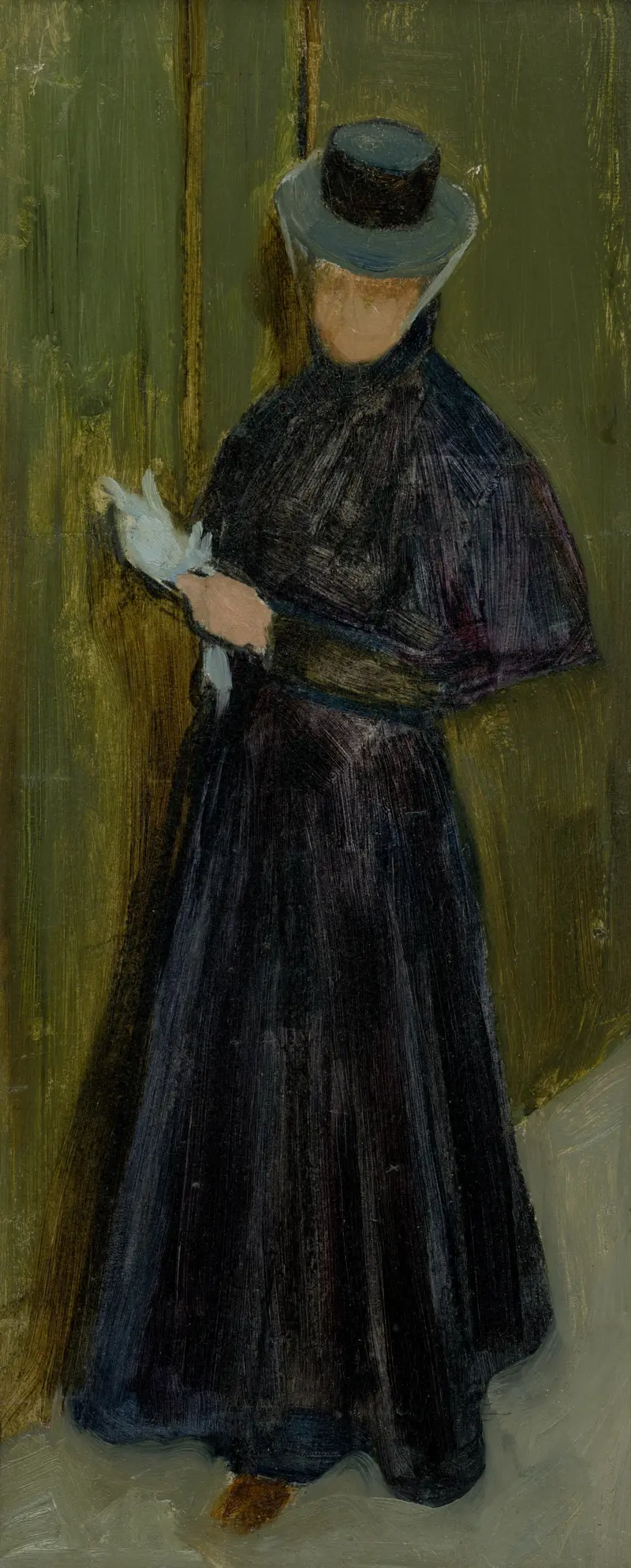
Dáma v dlhých čiernych šatách O 1501 East Slovak Gallery
Ákos Aranyossy
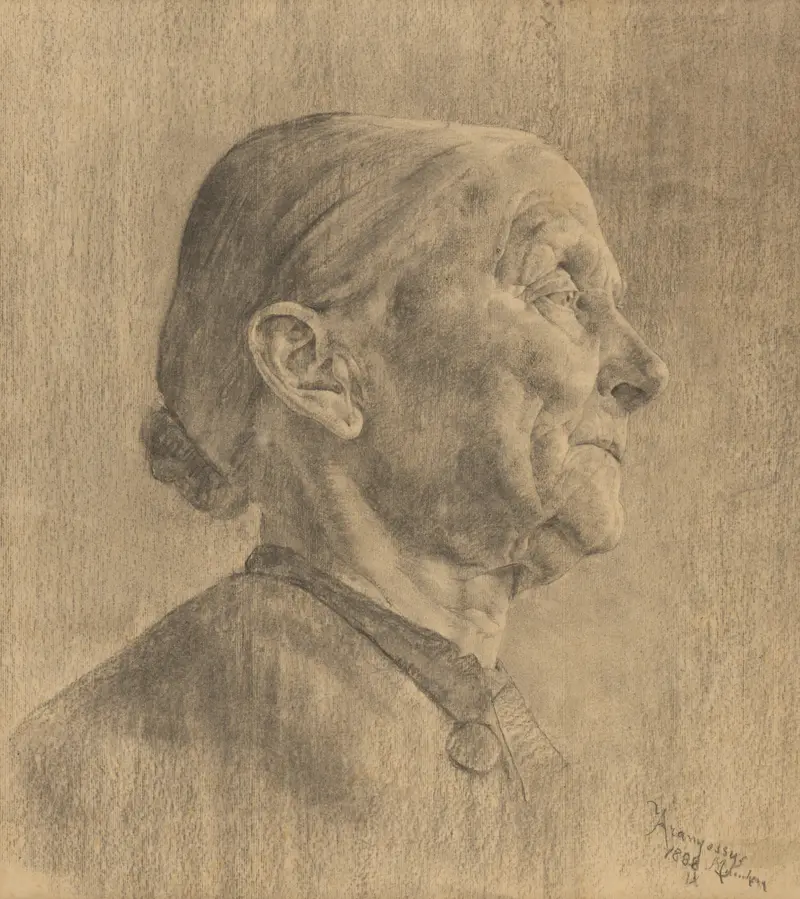
Štúdia hlavy starenky K 44 East Slovak Gallery
Ákos Aranyossy





